The modern agricultural landscape is undergoing a profound transformation driven by technological innovation, shifting market dynamics and growing demands for efficiency and sustainability. Investors and farmers are increasingly evaluating opportunities in precision agriculture, where data-driven decision-making and targeted interventions promise higher yields, reduced input costs and improved environmental outcomes. This article explores the market forces, core technologies, investment considerations and adoption challenges that define the investment outlook for precision agriculture technologies.
Market dynamics and key drivers
Global agricultural markets are influenced by population growth, changing diets, urbanization and climate volatility. These drivers are fueling demand for products that improve productivity per hectare and reduce resource intensity. Commodity price fluctuations and tighter margins for producers have highlighted the need for tools that optimize input use and support farm-level profitability. At the same time, supply chain actors — from grain traders to food processors and retailers — are seeking traceability, quality assurance and predictable supply, which create a market pull for digital agriculture solutions.
Demand-side pressures
- Consumer and retailer expectations for sustainability and transparency are raising the value of traceable, lower-carbon commodities.
- Climate-related risks are incentivizing investments in resilience-enhancing technologies that reduce yield variability.
- Food security concerns in emerging markets drive adoption of productivity-enhancing innovations at larger scale.
Supply-side enablers
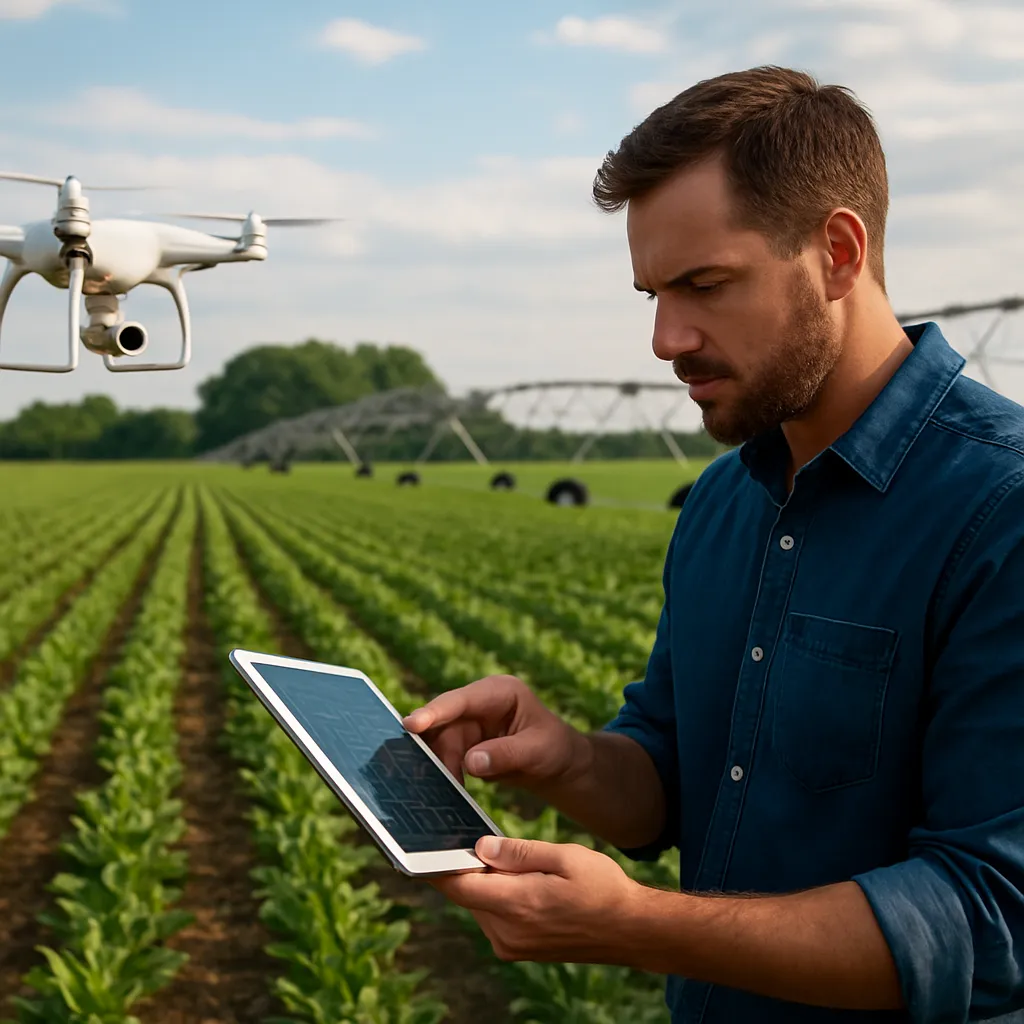
On the supply side, rapid improvements in sensing, connectivity and computational power are lowering the cost and increasing the performance of precision tools. The convergence of sensors, satellite imagery, unmanned aerial vehicles (UAVs) and in-field Internet of Things (IoT) devices makes it possible to collect granular data across entire farms. Machine learning and AI enable the transformation of raw data into actionable recommendations, while advances in robotics and automation facilitate precise execution — from variable-rate seeding and fertilization to targeted spraying and autonomous harvesting.
Core technologies shaping precision agriculture
Precision agriculture is not a single technology but a stack of integrated capabilities. Understanding these layers helps investors evaluate value creation, differentiation and commercialization pathways.
Data acquisition and sensing
Sensing platforms capture information on soil moisture, nutrient status, crop health, pest pressure and microclimate conditions. These platforms include ground-based probes, drones equipped with multispectral cameras, fixed weather stations and high-resolution satellite imagery. The quality, frequency and spatial resolution of data influence the accuracy of agronomic models and the perceived value to farmers.
Analytics, decision support and AI
Data alone is insufficient. Analytical models and AI systems interpret inputs to forecast yield, prescribe variable-rate applications and detect disease earlier than human scouting. Companies that combine agronomic expertise with robust algorithms can provide cloud-based decision support platforms that integrate with farm machinery and supply chain systems.
Actuation and robotics
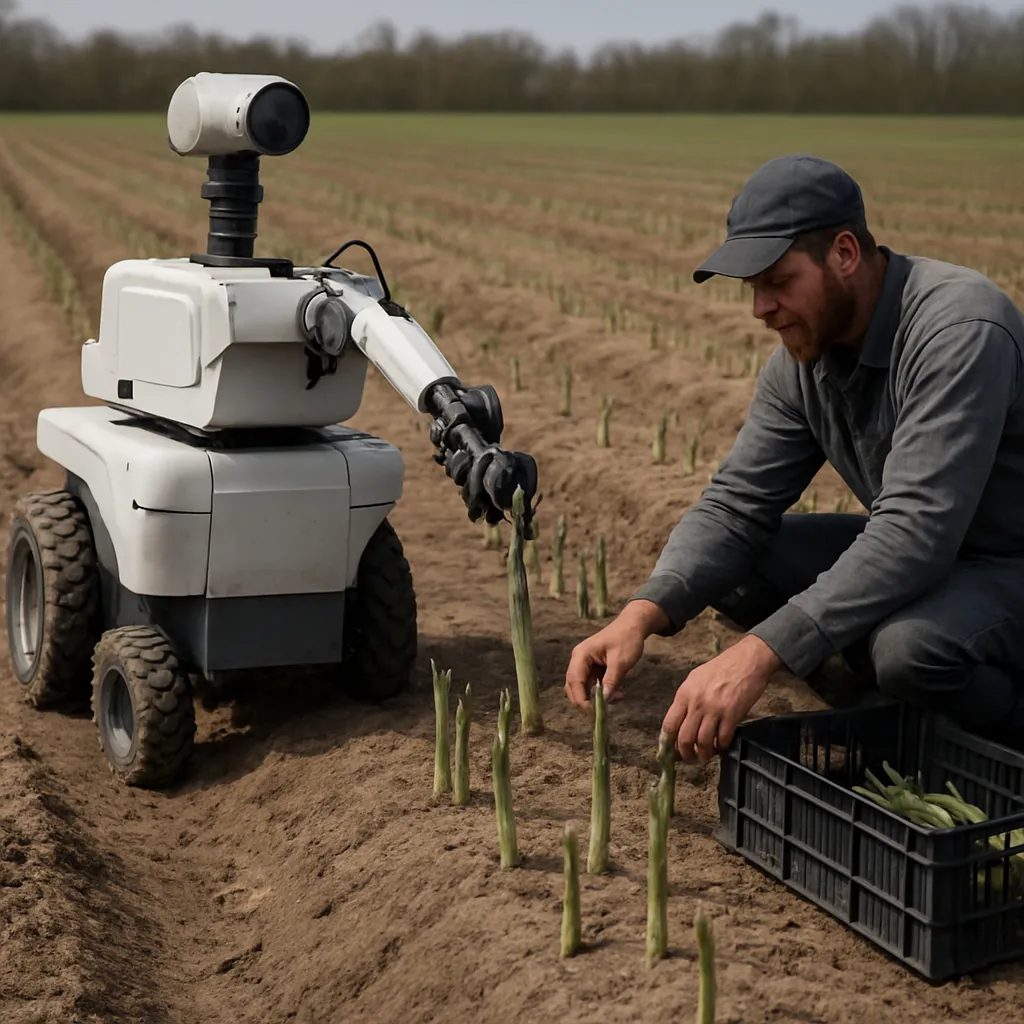
Robotics and autonomous machinery represent the execution layer that converts recommendations into field actions. This includes precision planters, smart sprayers that target weeds and pests, autonomous tractors and robotic harvesters for specialty crops. The cost curve for robotics is declining, but achieving reliable, scalable field performance remains a development challenge.
Connectivity and interoperability
Seamless data flows require reliable connectivity and common data standards. Interoperability between sensors, farm management systems and equipment manufacturers enhances user experience and reduces vendor lock-in. Standards and APIs that enable integration are therefore strategic assets for platform providers.
Investment landscape and value capture
Investment interest in precision agriculture spans venture capital, corporate R&D, private equity and public markets. A variety of business models are emerging, each with distinct risk-return profiles.
Early-stage startups and venture investment
Startups developing novel sensors, analytics platforms, robotics and biological inputs attract venture capital looking for high-growth exits. Early-stage investments often focus on proprietary sensing methods, machine learning models trained on valuable datasets and hardware that replaces manual labor. These companies face product-market fit, field validation and capital intensity challenges.
Platform plays and recurring revenue
Companies that offer software-as-a-service (SaaS) platforms or subscription-based decision support can generate stable, recurring revenue and high gross margins once they reach sufficient scale. The ability to aggregate and monetize data — for example by licensing insights to input suppliers, insurers or commodity traders — creates additional upside. However, platforms must demonstrate clear ROI to motivate farmer subscriptions.
Hardware and machinery investments
Investments in robotics and precision machinery require larger capital outlays and longer commercialization timelines. Margins can be attractive at scale, but distribution, maintenance and customer training increase operational complexity. Strategic partnerships with OEMs and dealers often accelerate market penetration.
Ancillary opportunities
- Insurance products leveraging precision data to underwrite risk more accurately.
- Input suppliers offering variable-rate formulations and application services.
- Carbon and ecosystem service marketplaces that pay farmers for verified practices supported by remote sensing and data logs.
Risks, barriers to adoption and mitigation
While the upside is persuasive, several obstacles limit rapid, broad-based adoption of precision technologies.
Economic and behavioral constraints
Farmers operate on thin margins and often face liquidity constraints, making it difficult to invest in new equipment or subscriptions without clear, short-term payback. Adoption is also influenced by risk aversion, labor availability, operator skill and trust in providers. Demonstrating reliable ROI under diverse agronomic conditions is crucial to overcoming skepticism.
Technical and data challenges
Heterogeneity of soils, microclimates and crop varieties complicates the creation of universally applicable models. Data quality, calibration needs and the sensor maintenance burden can reduce perceived value. Moreover, lack of interoperability between systems creates friction for end users and increases switching costs.
Regulatory and privacy considerations
Regulation around drone use, data privacy and environmental credits varies by jurisdiction. Policy uncertainty can dampen investment or slow deployment. Ensuring data governance frameworks that protect farmer ownership and clearly articulate monetization terms is critical to building trust.
Scalability and capital intensity
Robotics and hardware businesses often require substantial up-front capital for R&D and manufacturing. Achieving cost reductions through scale and establishing dealer networks are time-consuming. Investors should evaluate path-to-scale plans, unit economics and service capability when assessing these opportunities.
Implications for farmers, investors and policy-makers
Precision agriculture represents a multi-stakeholder market where value is created through improved productivity, reduced inputs and better risk management. For farmers, successful adoption typically follows a phased approach: starting with low-cost sensors and decision support, then integrating variable-rate equipment and, finally, embracing automation as labor dynamics and returns justify the investment.
For investors
Investment strategies should be aligned with technology maturity and adoption timelines. Early-stage investors can target high-potential horizontal technologies (advanced sensors, AI models) and specialty robotics. Later-stage investors and corporate acquirers may prefer platform businesses with recurring revenue and clear data assets. Diversification across software, hardware and services reduces exposure to single-technology risks.
For policy-makers and development agencies
Public policies can accelerate adoption by supporting rural connectivity, subsidizing demonstration projects, standardizing data protocols and creating incentives for sustainable practices. Programs that de-risk initial investments for smallholders — through grants, low-interest loans or technical assistance — can broaden the reach of precision tools in emerging economies.
New revenue streams and ecosystem plays
Innovators who can aggregate verified farm-level data may unlock new markets for carbon credits, biodiversity payments and differentiated commodity premiums. These ecosystem plays require robust verification protocols and transparent governance but can materially enhance farmer incomes while aligning with corporate ESG goals.
Execution considerations and due diligence
Investors evaluating precision agriculture opportunities should conduct thorough due diligence that covers agronomic validation, customer economics, go-to-market channels and regulatory exposure. Key questions include:
- What is the demonstrated ROI for representative farm types under realistic conditions?
- How defensible is the technology — patents, data exclusivity, or integration partnerships?
- Is the unit economics attractive once scaling and service costs are included?
- What partnerships exist with OEMs, cooperatives or input suppliers to accelerate adoption?
- How does the company approach data ownership, privacy and potential monetization?
Companies that can answer these questions convincingly are more likely to convert pilots into paying customers and capture sustainable value. Investors should also consider exit pathways: strategic M&A from ag OEMs and input suppliers, or IPO potential for software platforms with strong recurring revenues.
Conclusion: a selective, long-term opportunity
Precision agriculture offers transformative potential across productivity, environmental stewardship and supply chain transparency. The most compelling investment opportunities will be those that combine reliable agronomic outcomes, scalable business models and clear paths to farmer adoption. Successful players will integrate high-quality sensing, robust analytics, dependable execution and thoughtful data governance to deliver measurable value to growers and downstream buyers. For investors willing to navigate technical complexity, capital intensity and adoption curves, precision agriculture remains a fertile area for long-term growth and impact.