The increasing presence of unripe produce on restaurant menus and in specialty food products is changing the dynamics of agricultural markets, supply chains, and rural livelihoods. Chefs and food entrepreneurs are experimenting with the acidity, texture and shelf life of green or underripe fruits to create distinctive flavors, conserve seasonality, and reduce food waste. This trend has ripple effects for growers, distributors and exporters, requiring adjustments in harvesting practices, postharvest handling and commercial agreements. The following sections examine how this phenomenon interacts with broader issues in agriculture: market structure, production techniques, logistics, sustainability and policy, and offer practical approaches for stakeholders looking to respond to the opportunity.
Changing culinary trends and the rise in culinary demand
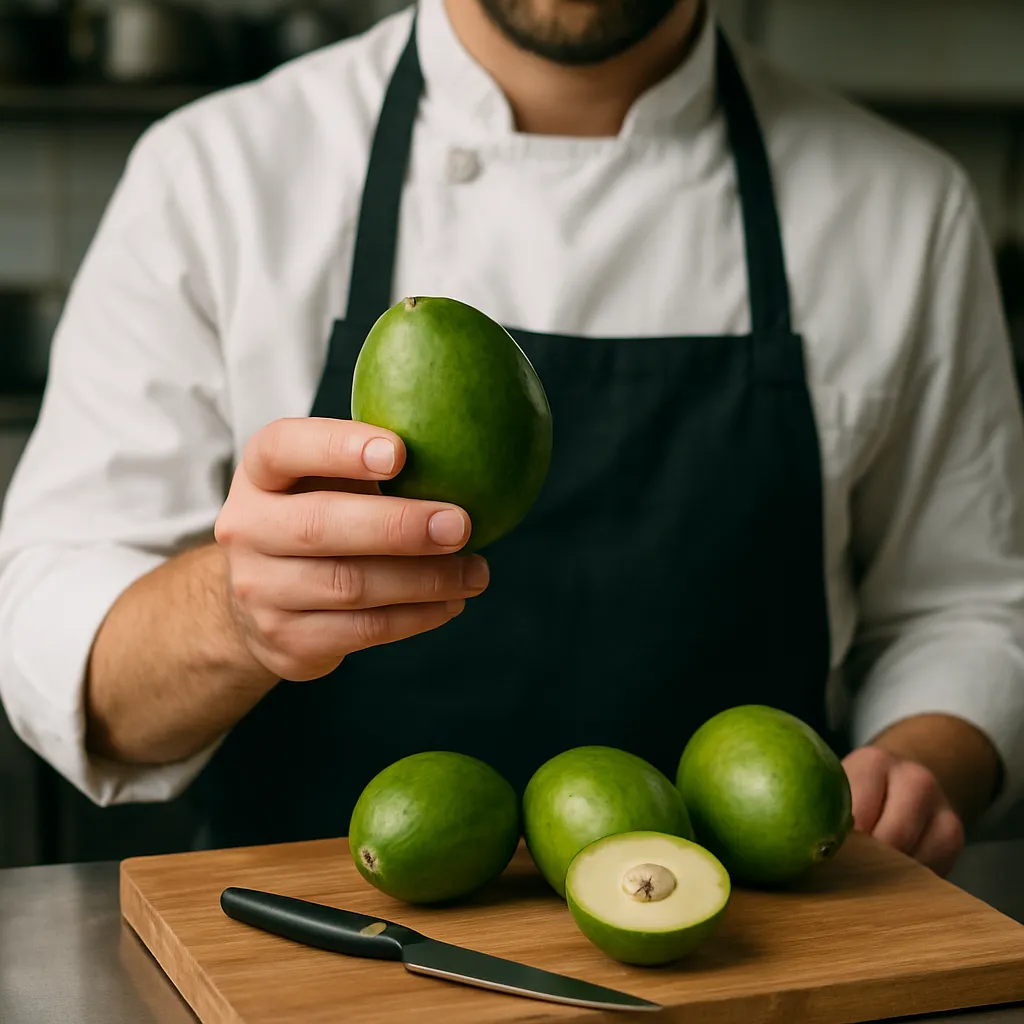
Chefs and product developers are increasingly valuing the unique sensory qualities of unripe fruits: heightened acidity, firmer texture and more assertive aromatics. In contemporary gastronomy, underripe fruits are used for pickling, grilling, fermenting, and as elements that balance richness in savory dishes. This shift is not merely aesthetic—demand for green citrus, firm mangoes, underripe tomatoes and even crisp pears provides a predictable market for fruit that would previously be graded as immature or destined for waste.
Several factors drive this culinary interest. First, consumers seek novel taste experiences and provenance stories, which chefs translate into menu items featuring unusual ripeness stages. Second, food manufacturers see value in underripe fruit for extended shelf-life ingredients—concentrates, preserves and acidified sauces benefit from lower sugar and higher acid levels. Third, sustainability-minded kitchens accept underripe produce because it can reduce the amount of fruit discarded due to uneven ripening.
Profiles of commonly sought underripe items
- Green mangoes and underripe papayas for pickles and salads
- Unripe citrus (limes, lemons) for intensified acidity and aromatic peels
- Firm green tomatoes for frying, chutneys and relishes
- Under-ripe apples and pears used in savory applications and controlled fermentation
Impacts on agricultural production and supply chains
The trend toward using underripe fruit affects decisions on harvest timing, grading, packing and cold chain management. Growers traditionally time harvest to maximize on-tree ripening or to meet supermarket standards; now some buyers specify earlier pick dates so the produce reaches chefs at the desired firmness and acidity. That creates new contract types and raises operational questions for farmers and packers.
Early harvesting can be advantageous: it reduces on-farm spoilage risk from pests or adverse weather and can allow staggered harvests that better match labor availability. However, it also demands changes in postharvest handling—careful sorting, lighter packing to prevent bruising, and different storage regimes are often necessary to maintain quality. Cold storage must be calibrated to slow maturation without chilling injury; atmosphere management may be required to control ethylene and preserve texture.
For intermediaries, including wholesalers and distributors, managing the flow of underripe fruit requires clear quality standards and improved communication with buyers. The adoption of standardized metrics—firmness scales, refractometer readings for soluble solids, and acid measurements—helps align expectations between field and kitchen.
Key operational adjustments
- Revised harvest schedules and labor planning
- Training for graders to recognize desirable underripe characteristics
- Investment in temperature and atmosphere-controlled storage
- Documentation systems for traceability and quality metrics
Market economics, pricing and trade
The emergence of demand for underripe fruit creates a differentiated market segment with its own pricing dynamics. In many regions, producers can command a premium for fruit sold to high-end restaurants or specialty processors that require earlier harvests. That premium reflects the logistical complexity of delivering consistent underripe product, plus the value chefs place on unique sensory attributes.
At the same time, scale matters. Small-batch artisanal buyers often pay higher per-unit prices but require smaller volumes and tighter delivery windows, whereas larger buyers prefer steady supply and may negotiate lower prices. This fragmentation opens opportunities for markets that match niche culinary demand to local producers via farmers’ markets, specialty distributors and digital platforms offering direct sales.
International trade aspects are also evolving. Early-harvest fruit can travel better in some cases, enabling longer-distance exports without compromising quality. However, exported underripe fruit may face regulatory scrutiny related to phytosanitary standards and labeling—importing countries increasingly expect clear labeling about ripeness, use and shelf-life. For exporters, building reputational capital with reliable quality and timely delivery is essential for expanding exports of non-standard ripeness products.
Sustainability, waste reduction and value-added opportunities
One of the most compelling arguments for embracing underripe produce is its potential to reduce waste and increase on-farm value capture. Fruit pulled from the field early and marketed as a specialty product diverts volumes that might have been rejected by conventional packers for being under-ripe or cosmetically imperfect. This can improve overall farm profitability and reduce the environmental cost per unit of edible food produced.
Beyond direct sale, underripe fruit can be transformed into higher-value products: pickles, fermented condiments, fruit powders and concentrated acids used in seasoning blends. Processing offers a route for farmers and cooperatives to capture more value locally and reduce reliance on volatile fresh-market prices. Value-added processing also creates jobs in rural communities and can enable year-round income flows rather than seasonal peaks.
There are sustainability considerations to manage: additional processing or modified transport can raise energy use, and packaging for value-added goods must be sustainable to align with the market expectations that often accompany the terroir and ethical narratives chefs seek. Nonetheless, thoughtfully designed systems can deliver net environmental benefits through waste reduction and better utilization of harvested biomass.
Policy, research and innovation supporting the shift
Public and private research institutions play a key role in facilitating the shift toward controlled use of underripe fruit. Breeding programs can select cultivars that maintain desirable texture and flavor when harvested early, while postharvest scientists optimize storage atmospheres and coatings to preserve quality. Extension services help disseminate best practices to growers on early-harvest techniques and on grading criteria that satisfy culinary buyers.
Policy frameworks also matter. Food safety regulation must adapt to new processing pathways for underripe fruit, and labeling laws should allow transparency about ripeness and intended culinary use. Supportive measures—such as grants for cold chain investments, training vouchers for small processors, or pilot procurement contracts connecting public institutions with local producers—can accelerate market development.
Innovations to watch
- Non-destructive firmness and acidity sensors for rapid field grading
- Modified Atmosphere Packaging (MAP) adapted for underripe profiles
- Digital contracting platforms specifying harvest windows and quality metrics
- Small-scale processing units for pickling and fermenting at the cooperative level
Strategies for stakeholders: practical recommendations
For farmers: engage with buyers to define exact quality parameters for underripe fruit (firmness levels, acidity ranges), pilot early-harvest blocks to learn handling needs, and explore cooperative processing to add value. Invest in basic cold storage and simple traceability protocols so you can meet the expectations of chefs and specialty distributors.
For chefs and food companies: formalize product specifications for ripeness and provide feedback loops to growers. Consider contracting arrangements that offer price incentives for scheduled early harvests. Work with processors to develop shelf-stable products that maintain the sensory characteristics you seek while extending supply across seasons.
For traders and distributors: develop logistics that prioritize gentle handling, invest in training so staff can assess underripe quality, and create packaging and labeling that communicates intended use and expected shelf life to retailers and kitchens. Partnerships with research institutions can help refine standards and reduce variability.
As the appetite for underripe fruit grows, cross-sector coordination will be crucial. Aligning incentives across the value chain—from field to fork—creates a resilient market opportunity that can increase farmer incomes, diversify product offerings for chefs, and reduce food loss. The interplay of culinary creativity, postharvest science and adaptive market structures will determine how widely and sustainably this trend is adopted.