European vegetable exports: new markets and barriers explores how producers, traders and policymakers across Europe are navigating shifting demand, stricter standards and evolving supply chains. This article examines current market dynamics, identifies practical barriers to trade and proposes strategies that can help European growers remain competitive while meeting higher expectations for quality, sustainability and traceability.
Market dynamics and emerging destinations
The landscape for vegetable trade originating in Europe has been changing rapidly. Traditional destinations within the European Union remain important, but exporters are increasingly targeting markets in North Africa, the Middle East, West Africa and parts of Asia. These shifts are driven by population growth, urbanisation and rising incomes in target regions, as well as by trade diversification strategies adopted after supply disruptions.
Drivers of new market interest
- Growing middle-class demand for fresh and convenient produce, creating opportunities for premium and processed vegetables.
- Shifts in seasonality: European exporters can supply off-season windows to markets that lack local production.
- Preferential trade agreements and bilateral arrangements that reduce tariffs and simplify customs procedures.
- Consumer preferences for food safety and standards, which favour European suppliers with established compliance systems.
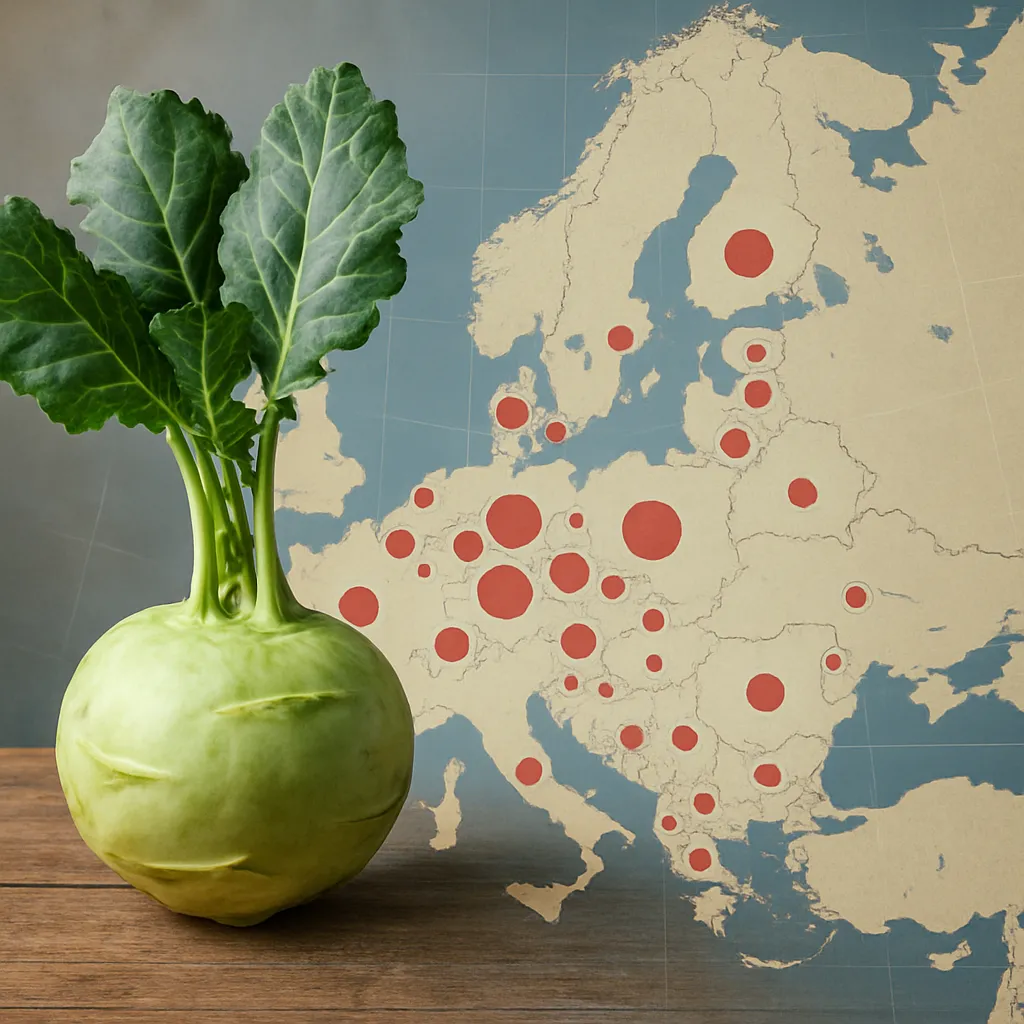
Countries such as Spain, the Netherlands and Poland have been particularly active. The Netherlands leverages its logistics and technology hubs to export high-value protected-cropping produce, while Spain focuses on long-season volumes and Southern markets. Meanwhile, Eastern European exporters concentrate on cost-competitive roots and industrial vegetable supplies.
Regulatory, phytosanitary and logistical barriers
Accessing new markets often comes with a set of non-tariff and logistical challenges. While duty rates may be predictable under trade agreements, buyers increasingly demand compliance with complex standards and certifications. Phytosanitary measures, documentation, packaging rules and port capacities can all act as friction points for exporters.
Phytosanitary and certification demands
- Importing countries may require export certificates, pest freedom attestations and specific treatment records. Failure to comply can lead to rejections, costly returns or quarantine.
- Private schemes and retailer standards (GlobalG.A.P., BRC, organic labels) are often prerequisites for market entry into premium channels, and achieving them requires investment in procedures and audits.
- Traceability systems that record batch origin, inputs and handling are no longer optional; they are a critical part of market trust and risk management.
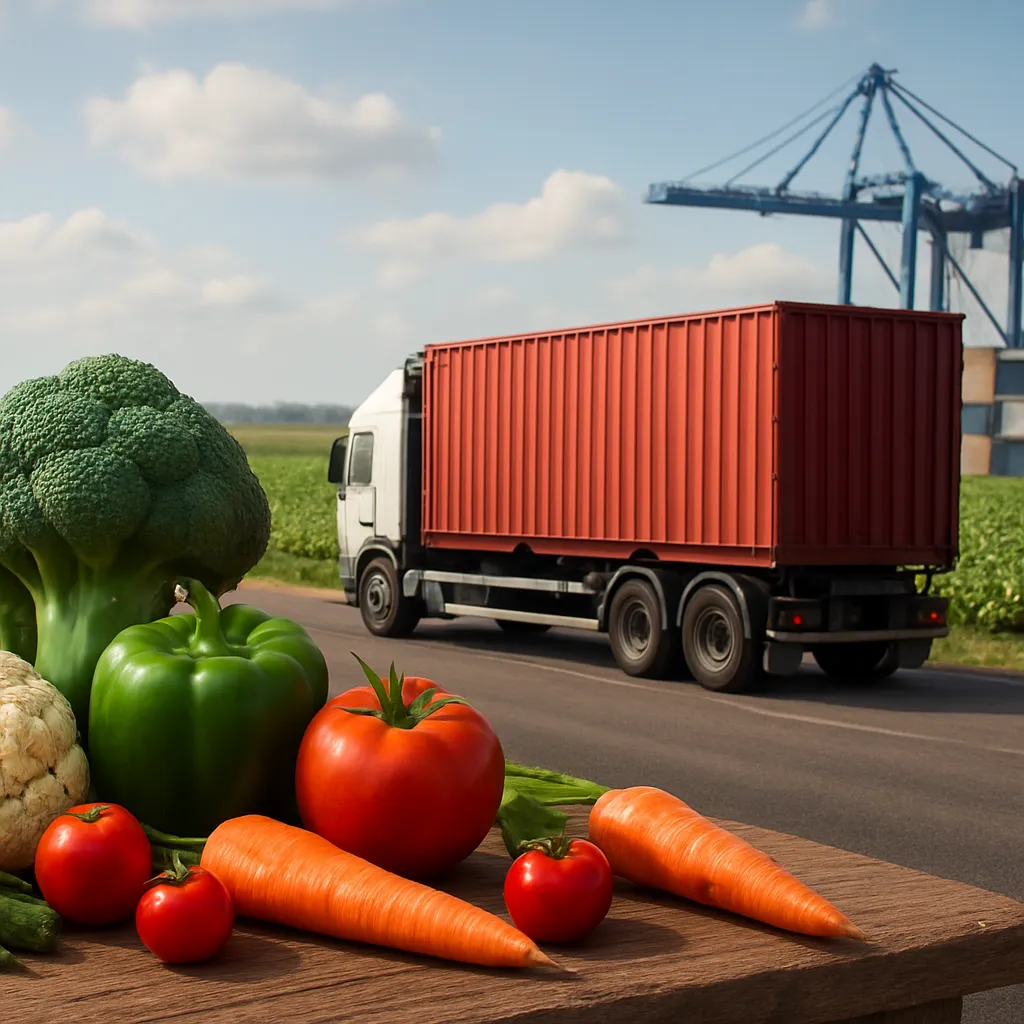
Another practical barrier lies in logistics. Reliable cold chains, efficient ports, refrigerated trucking and coordinated last-mile delivery are essential for fresh vegetables. Congestion at Mediterranean ports, driver shortages and uneven inland transport infrastructure can raise costs and increase spoilage risks. Exporters must factor transport lead times into production planning, particularly for highly perishable crops.
Trade policy and geopolitical considerations
Post-Brexit arrangements, WTO rules, sanctions and regional trade deals create a complex environment for exporters. Sudden changes in policy can alter competitiveness overnight: currency shifts, administrative barriers and sanitary controls may be used as instruments of trade policy. Producers should monitor negotiations and maintain flexible routes to respond to geopolitical risk.
Competitive strategies: innovation, sustainability and diversification
To overcome barriers and tap new markets, European vegetable exporters are combining technological innovation with strategic market diversification. Emphasising sustainability credentials and investing in cold-chain improvements helps firms meet buyer expectations and reduce losses.
Technological and process innovations
- Protected-cropping and greenhouse technologies extend seasons and increase uniformity, supporting year-round supply to distant markets.
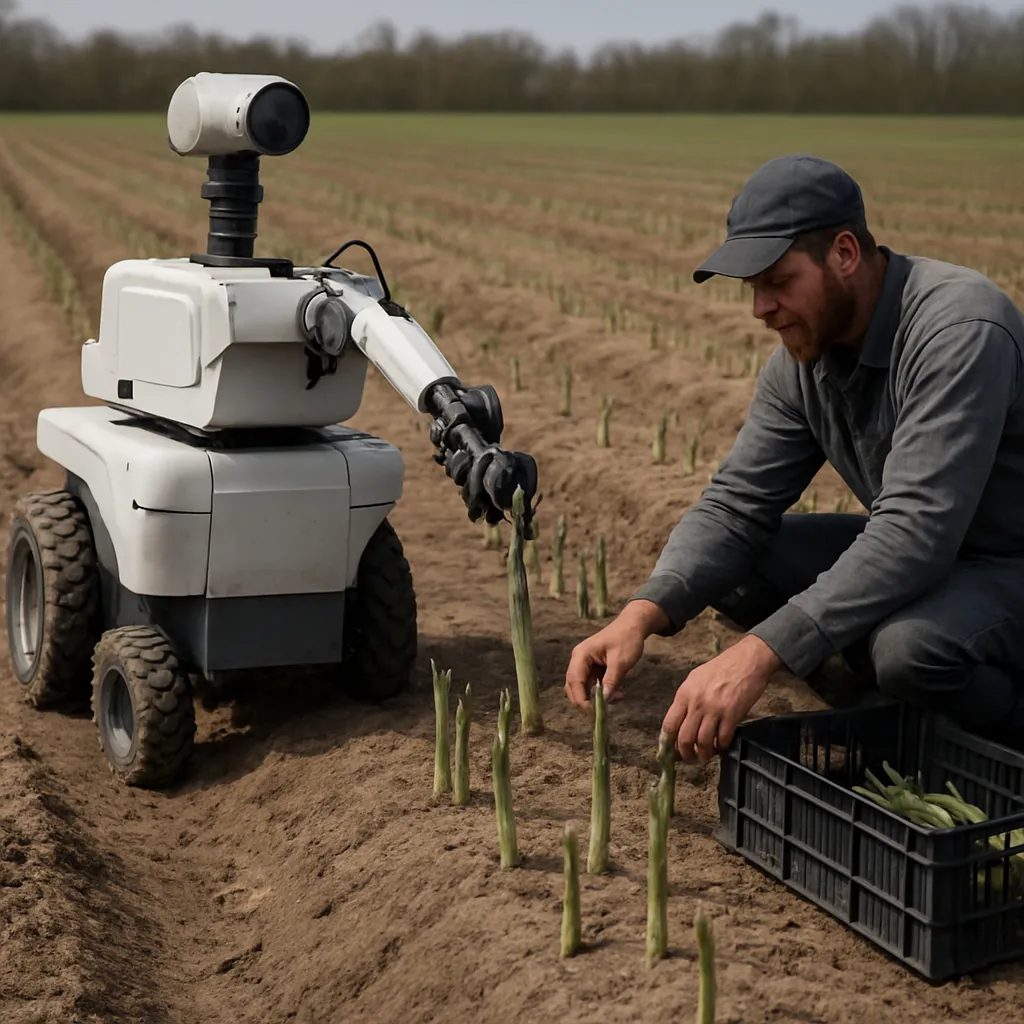
- Digital tools for farm management, sensor-driven irrigation and predictive harvest scheduling improve yield reliability and post-harvest quality.
- Blockchain and cloud-based traceability platforms offer immutable records of origin and handling, which are increasingly demanded by buyers and regulators.
Innovation does not only mean high-tech investment. Incremental process improvements—better sorting, modified-atmosphere packaging, and coordinated cooperative shipping—can significantly lower rejection rates and improve price realisation.
Market segmentation and product differentiation
Exporters who understand buyer segments can capture higher margins. Examples include:
- Premium retail channels that prioritise certified, sustainably grown and branded items.
- Foodservice and processing sectors that value consistent bulk volumes and tailored specifications.
- Subscription and direct-to-consumer models in urbanising markets that seek convenience and provenance information.
Diversifying both product range and destination markets reduces exposure to single-market shocks. Growing a mix of staples and value-added lines (e.g., pre-cut, blanched and frozen vegetables) helps stabilise revenue streams across seasons and trade cycles.
Strengthening supply chains and institutional support
Robust supply chains require coordinated action from growers, cooperatives, logistics providers and public institutions. Strategic investments in infrastructure, knowledge transfer and policy alignment are necessary to remove bottlenecks and lower transaction costs.
Role of cooperatives and private partnerships
- Producer organisations can aggregate volume, standardise quality and negotiate logistics contracts more effectively than fragmented smallholders.
- Public-private partnerships can finance cold-chain nodes, packhouses and training programs that individual firms would struggle to fund alone.
- Exporter alliances help share market intelligence, distribute risk and coordinate promotional activities in target destinations.
Governments and trade bodies also have a role. Clear and harmonised regulatory frameworks, export facilitation services and market-opening missions can accelerate access to new markets. Investment in phytosanitary laboratories and certification capacity reduces inspection times and builds importing-country confidence.
Adapting to climate and environmental pressures
Climate variability affects both production reliability and the economics of export. Heatwaves, shifting rainfall patterns and water scarcity force growers to adopt resilient practices: improved water-use efficiency, crop rotation, drought-tolerant varieties and integrated pest management. These adaptations often align with buyer expectations for responsible sourcing, helping to transform a challenge into a marketable advantage.
Practical recommendations for exporters
Successful navigation of new markets and barriers requires a mix of operational excellence and strategic foresight. Key recommendations include:
- Invest in logistics and cold-chain reliability to reduce post-harvest losses and meet delivery windows.
- Obtain and maintain relevant certification and ensure transparent traceability from field to fork.
- Pursue market intelligence to prioritise destinations with sustainable demand and manageable regulatory regimes.
- Use producer organisations to aggregate supply, standardise quality and access economies of scale.
- Embrace innovation in both production and digital management tools to increase efficiency.
- Develop risk mitigation strategies for policy and climate shocks, including flexible routing and diversified product offerings.
- Advocate for predictable trade policies and streamlined phytosanitary procedures through industry associations and government dialogue.
European vegetable exporters occupy a competitive position thanks to high-quality production systems, recognised standards and strong logistics hubs. Yet success in emerging markets depends on addressing non-tariff barriers, investing in sustainable practices and leveraging digital tools to guarantee food safety and provenance. By combining these elements with diversified marketing strategies, European suppliers can expand reach while maintaining resilience against policy and environmental disruptions. The future of vegetable exports will be shaped by those who can align production excellence with evolving global expectations for quality, sustainability and diversification.