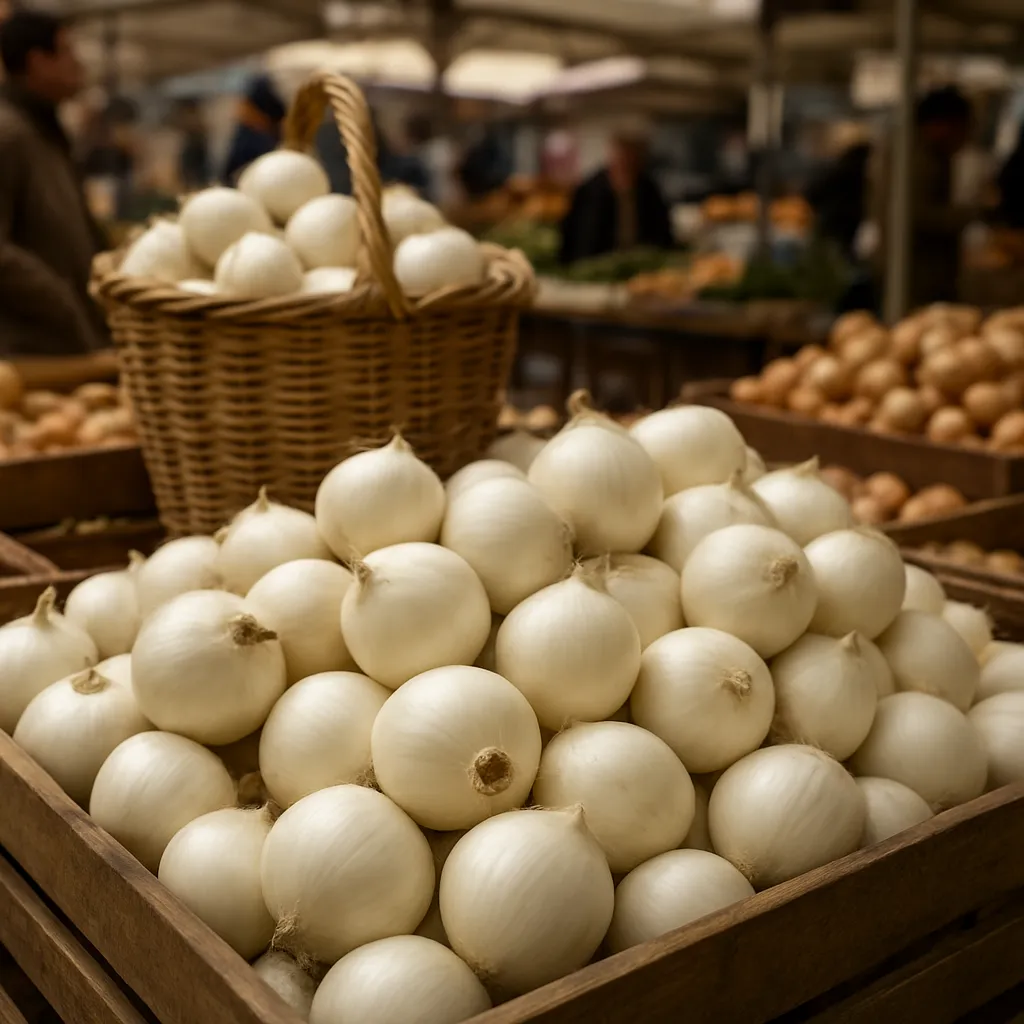
The global agricultural landscape constantly evolves, and the humble white onion occupies a surprisingly strategic place within it. This article explores the dynamics of the white onion market, production practices, and a range of niche opportunities that farmers, processors and traders can pursue. It addresses trends in consumer demand, value chains, agronomy, climate risks and market entry strategies, offering practical insights for stakeholders across the sector.
Global demand, trade flows and market dynamics
The international market for the white onion is shaped by shifting consumption patterns, trade liberalization and improvements in logistics. Urbanization and changing diets have increased demand for fresh produce and processed ingredients. At the same time, evolving retail formats—supermarkets, foodservice and e-commerce—require more consistent quality and year-round supply.
Key factors influencing demand include:
- Seasonality and availability from major producing regions.
- Price volatility driven by weather events and storage losses.
- Processing demand for dehydrated products, powders and pre-cut ingredients.
- Consumer trends toward convenience, organic produce and clean-label ingredients.
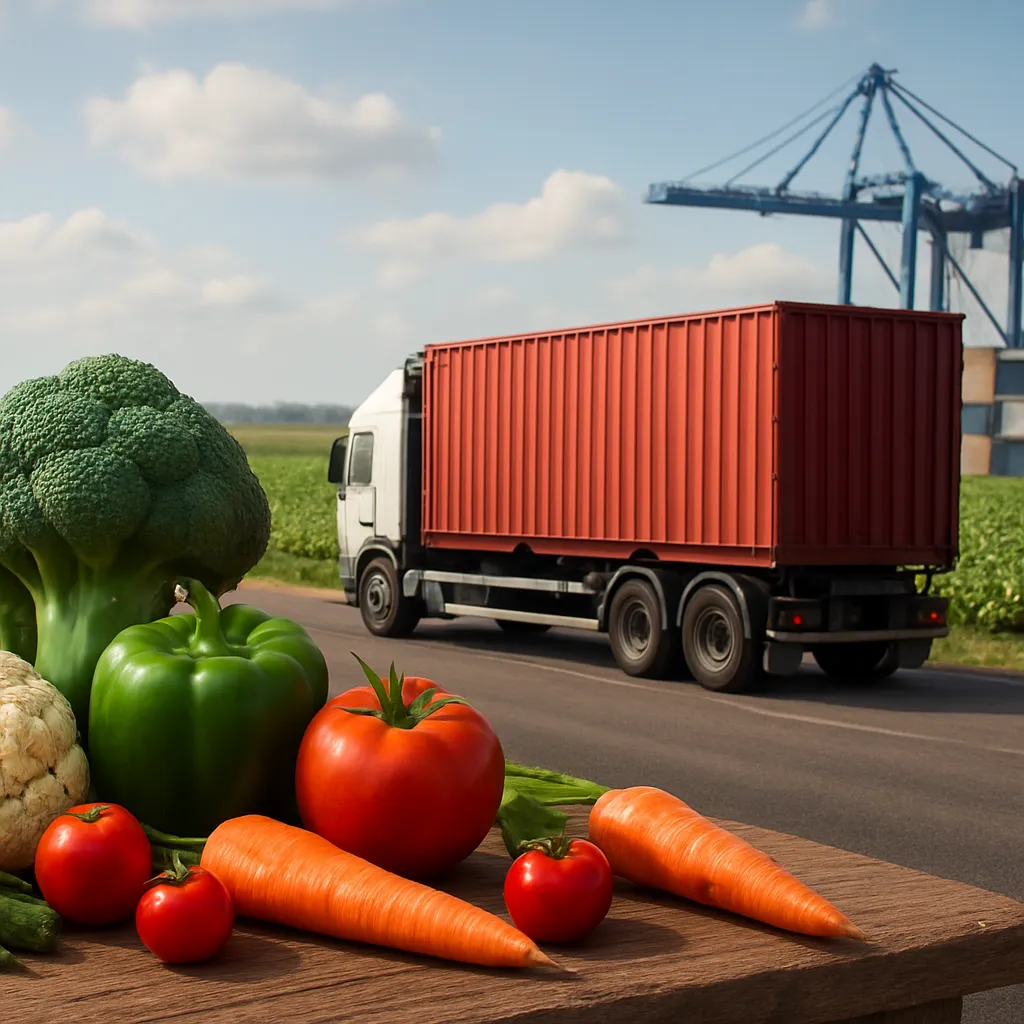
Trade flows show concentration in certain corridors: large exporters in Asia, Europe and the Americas supply diverse markets with fresh and processed onions. For many producing countries, exports represent an opportunity to stabilize farmgate pricing across seasons. However, export success depends on meeting phytosanitary standards, cold-chain reliability and consistent grading.
Production systems, varieties and on-farm optimization
Onions thrive in a range of climates, but successful production requires careful management of varieties, soil fertility and water. Growers must choose cultivars that match local conditions and market preferences—long-storage types for winter markets, or sweet, thin-skinned cultivars for fresh retail.
Varietal selection and seed systems
Investment in high-quality seed and breeding is a cornerstone of productivity improvements. Improved lines can offer better yields, disease resistance and storage life. Linkages between seed suppliers, extension services and farmers help spread improved genetics that support both commodity and niche markets.
Soil, water and integrated pest management
Sustainable practices including crop rotation, cover cropping and precision nutrient management can lower input costs and reduce risk. Water-efficient irrigation such as drip systems enhances bulb uniformity and can reduce disease pressure. Integrated pest management (IPM) minimizes pesticide dependence and supports access to premium channels like organic or specialty retail.
- Sustainability credentials—reduced water use, lower agrochemical residues, and soil health—can command premiums.
- Post-harvest handling that reduces bruising and decay improves both supply chain efficiency and marketable yield.
Post-harvest, processing and value-added pathways
Post-harvest losses are a major bottleneck for onions, particularly in regions lacking adequate storage and cold-chain infrastructure. Investment in proper curing, controlled-atmosphere storage and sorting can extend marketable life and reduce price swings. Beyond fresh markets, a range of value-added opportunities exists:
- Dehydrated onion flakes, granules and powder for the food processing industry.
- Frozen pre-cut or caramelized onion products targeted to foodservice and retail convenience segments.
- Pickled and fermented onion products that cater to niche flavor trends and probiotic-conscious consumers.
- Premium packaging and private-label ingredients for culinary and gourmet markets.
Successful processing ventures require strict quality control, predictable supply contracts with growers, and compliance with food-safety regulations. For smallholders, forming cooperatives or partnering with processors can enable access to processing margins without requiring individual capital outlay.
Niche markets and strategic opportunities
While commodity markets are competitive and price-sensitive, several niches offer higher margins for producers and entrepreneurs who can meet specific demands. Notable niches include:
- Organic white onion production that appeals to health-conscious consumers.
- Geographically Indicated (GI) or terroir-branded onions with distinct flavor profiles for premium culinary markets.
- Low-pungency or sweet cultivars targeted at fresh-cut salad and sandwich markets.
- Specialty processed formats such as dehydrated onion blends with unique flavor profiles.
- Functional products—onions processed or marketed for perceived health benefits, supported by credible research.
For producers considering a niche pivot, the following strategic steps are recommended:
- Market research to quantify demand and willingness to pay for specific attributes.
- Pilot production to validate agronomic performance and post-harvest handling needs.
- Branding and traceability systems that communicate attributes to buyers.
- Partnerships with chefs, retail buyers or food manufacturers to secure off-take agreements.
Digital channels and direct-to-consumer models
Digital marketplaces and direct-to-consumer subscription boxes create routes to capture more value. Producers can use online platforms to sell small-batch, specialty white onions or processed goods. Digital traceability also supports premium positioning by documenting provenance and production practices.
Risk management, policy and financing
Onion producers face climate variability, pest outbreaks and price volatility. Effective risk management includes crop insurance, diversification and forward contracts. Policymakers can encourage sector stability through investments in rural infrastructure, research funding and streamlined export procedures.
- Access to finance remains a barrier for small and medium-sized enterprises seeking to invest in storage or processing. Blended finance and public–private partnerships can bridge this gap.
- Standards harmonization and export promotion initiatives help open new markets.
- Climate adaptation strategies—heat-tolerant varieties, water management and shade systems—reduce vulnerability to extreme weather.
Innovative financing mechanisms, such as pay-as-you-go cold storage or contract farming with price floors, can reduce risk and unlock investments. Governments and development agencies often play a catalytic role by underwriting early-stage projects or supporting farmer training programs.
Market entry and scaling strategies
Entrepreneurs and producers aiming to expand should consider multiple routes to market. Options include direct retail supply, B2B sales to processors, export to niche international buyers, or licensing of branded products. A combination of approaches can balance cash flow and margin objectives.
Steps for a successful market entry
- Identify target buyers and required quality specifications.
- Establish reliable production schedules and traceable supply chains.
- Invest in branding, packaging and certifications that match buyer preferences.
- Start with smaller, manageable volumes to refine logistics and quality controls.
- Leverage data—yield records, post-harvest metrics, and market feedback—to iterate quickly.
Case studies from diverse countries show that targeted innovation—such as introducing a long-storage cultivar combined with community-owned cold rooms—can transform local producers into consistent suppliers for regional markets. Similarly, processors that develop proprietary blends of dehydrated white onion ingredients for snack and seasoning manufacturers often achieve higher margins than undifferentiated fresh produce traders.
Innovation, sustainability and future directions
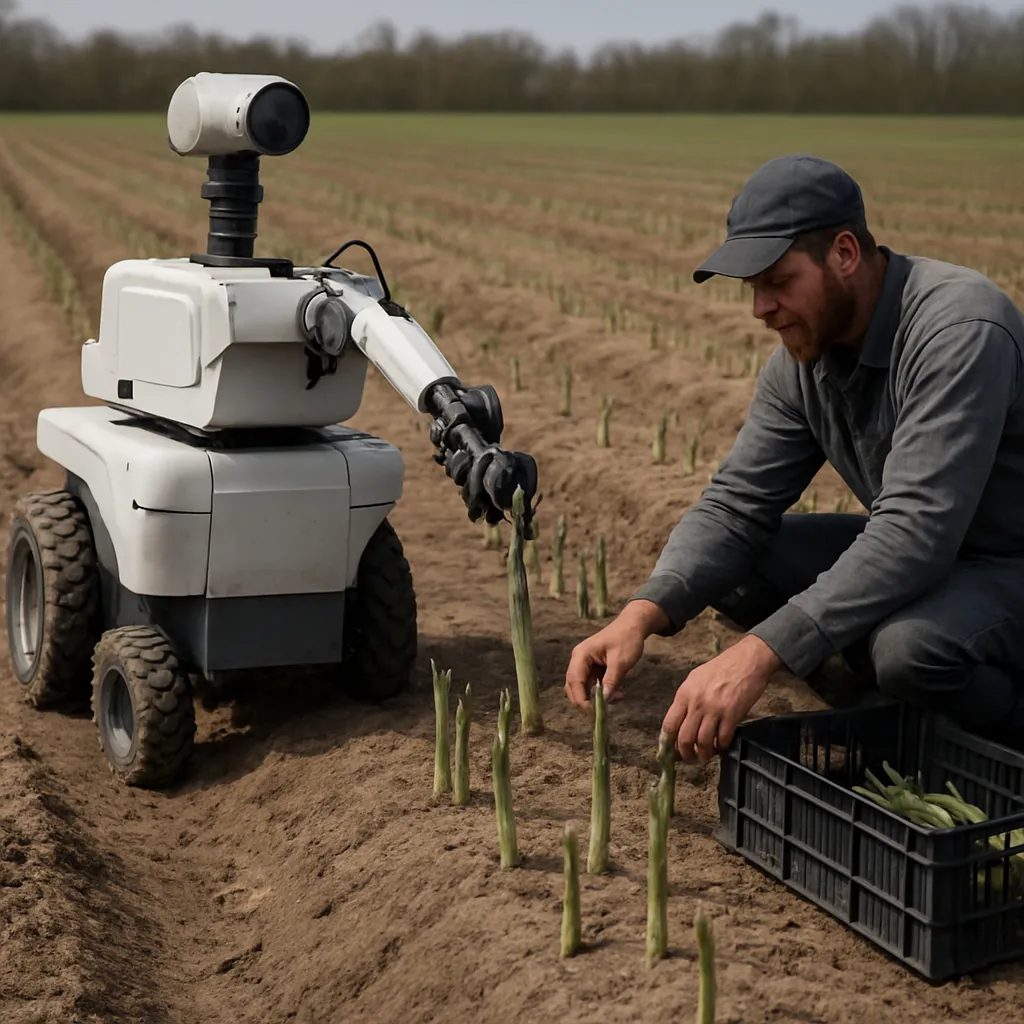
Continued innovation in breeding, mechanization and digital agronomy will shape the next decade for onion sectors. Technologies such as remote sensing for disease detection, mechanized transplanting and automated sorting can reduce costs and improve consistency. Sustainability trends—reduced carbon footprint, water stewardship and fair labor practices—will increasingly determine market access in premium channels.
Producers who combine agronomic excellence with market intelligence, strong post-harvest systems and strategic partnerships can unlock lucrative niche opportunities. Whether through specialized varieties, value-added processing, or certified sustainable production, the white onion sector offers pathways to higher returns for those able to meet evolving buyer expectations.