The cultivation and trade of kohlrabi in Europe illustrate how a niche vegetable can evolve into a valued component of regional diets, specialty markets and export flows. This article examines current market structures, production hotspots, supply chain dynamics, consumer preferences and the technological and policy drivers that shape the kohlrabi sector. Attention to seasonality, labor and post-harvest handling reveals opportunities for growers and agribusinesses to strengthen value capture while responding to sustainability and quality demands.
Market overview and economic context
Kohlrabi sits between traditional root vegetables and brassica leafy crops in terms of cultivation and market positioning. Historically a home-garden staple in Central Europe, it has moved into retail and foodservice channels in many countries. The market is characterized by relatively modest volumes compared with potatoes or carrots, but it benefits from steady year-round demand in some regions due to multiple cropping systems and improved logistics.
Demand drivers
- Urbanization and culinary diversification: Consumers seek novel textures and flavors, increasing demand for specialty vegetables in city markets.
- Health and nutrition trends: Kohlrabi is often marketed for its vitamin and fiber content, supporting its position in fresh-cut mixes and health-oriented product lines.
- Seasonal interest: While available in several seasons, the freshest and most sought-after kohlrabi tends to come from spring and autumn harvests in temperate zones.
From an economic perspective, profitability hinges on yield per hectare, input costs and access to premium channels. Growers who achieve consistent production quality can command better prices through direct sales, specialty wholesalers or contracts with processors and supermarkets.
Regional production patterns across Europe
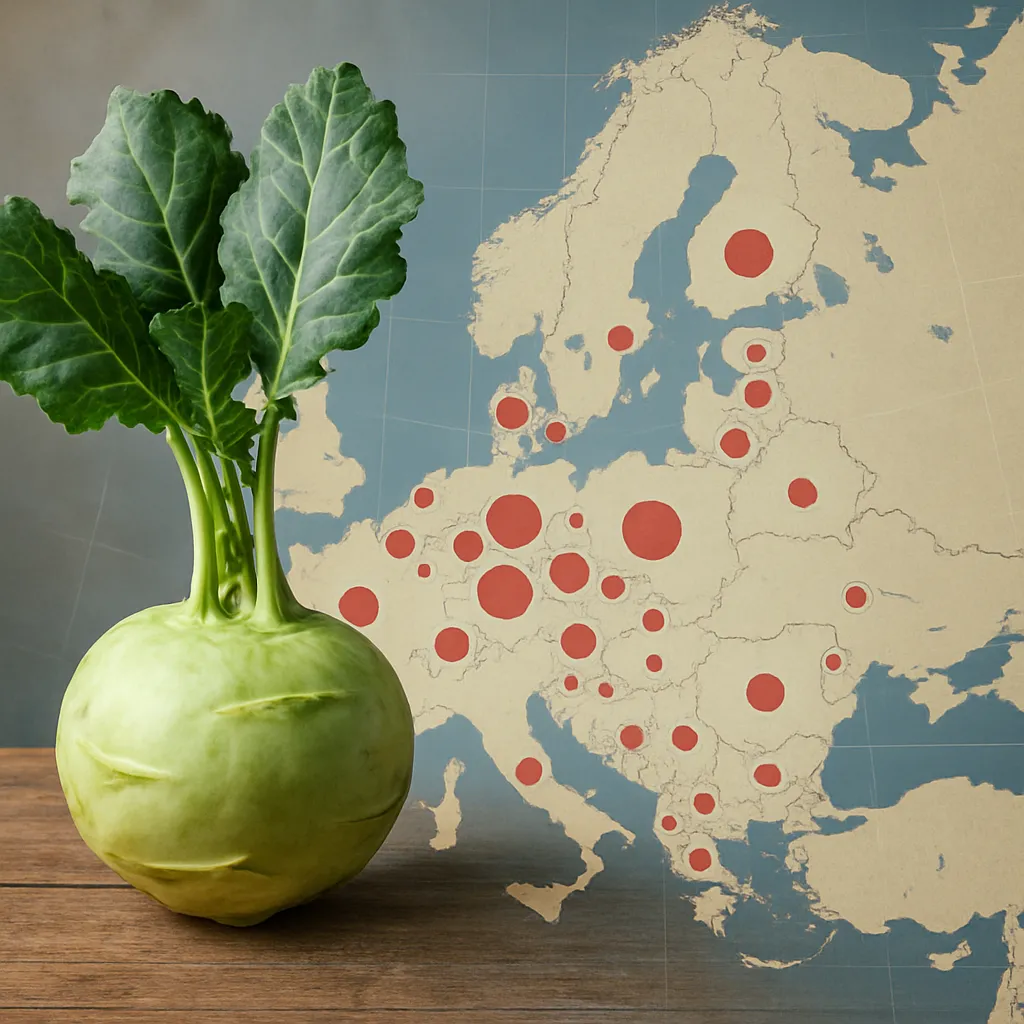
Production landscapes for kohlrabi vary widely from Western to Eastern Europe. Northern and Central European countries maintain a tradition of eating kohlrabi, which supports local production for fresh markets. Southern Europe contributes off-season supplies through protected cultivation and early spring harvests.
Key producing areas
- Central Europe (Germany, Poland, Czechia): Strong domestic consumption, significant small- and medium-scale farms, and well-established local supply chains.
- Benelux and the Netherlands: Advanced greenhouse and precision agriculture techniques allow off-season and high-quality production for both domestic and export markets.
- Southern Europe (Spain, Italy): Favorable climates and protected cultivation extend the marketing window, supplying northern markets during colder months.
- Eastern Europe and the Baltics: Increasing interest in diversifying crop portfolios; potential for scaling up production toward export-oriented contracts.
Consumption patterns differ: in some countries, kohlrabi is a staple in traditional cuisine, while in others it is promoted as a niche gourmet ingredient. Market segmentation—fresh retail, processing, foodservice and export—defines how producers plan planting schedules and invest in post-harvest equipment.
Supply chains, trade and logistics
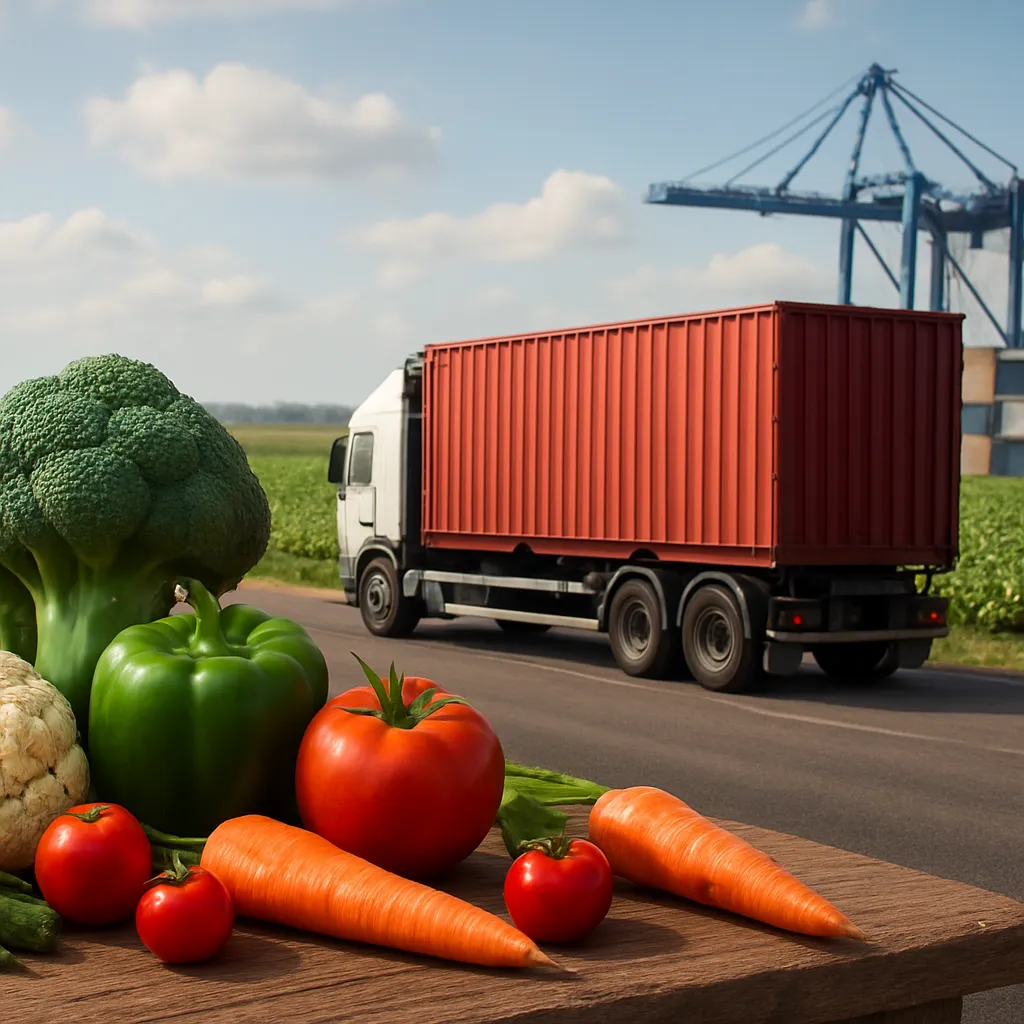
Supply chain efficiency is crucial for a perishable vegetable like kohlrabi. Cold chain integrity, rapid sorting and reliable transport networks determine the quality that reaches consumers and the margins that farmers and intermediaries realize.
Distribution channels
- Local markets and farmers’ markets: High-margin for small-scale growers focusing on freshness and direct relationships with consumers.
- Supermarket chains and wholesale distributors: Require standardized sizing, consistent packing and traceability systems.
- Export channels: Demand stable supply, compliance with phytosanitary regulations and predictable quality.
Strategic investments in packing houses, refrigeration and logistics coordination can open export opportunities. Countries with consolidated logistics hubs and strong export infrastructure often act as re-distributors within the continent and beyond. Quality standards and certifications increasingly influence which suppliers win contracts, especially in cross-border trade where importers demand predictable shelf life and documentation on origin and inputs.
To manage market exposure and improve value capture, growers may engage in contract growing or join cooperatives. These arrangements can stabilize income, share risk and facilitate investments in technologies that enhance traceability and reduce waste. Cold chain optimization and demand forecasting tools help minimize losses and synchronize supply with retail promotions and seasonal trends.
Consumer preferences, processing and product innovation
Consumer acceptance hinges on freshness, texture and convenience. Retail innovation has expanded ways consumers encounter kohlrabi beyond whole-vegetable purchases: pre-cut sticks, slaws, mixed vegetable packs and ready-to-cook portions.
Value-added opportunities
- Fresh-cut and convenience formats for urban consumers and foodservice operators.
- Preserved options—pickled and fermented kohlrabi—serve niche gastronomic markets and reduce seasonal supply risk.
- Inclusion in mixed vegetable products marketed to health-conscious shoppers.
Producers who target premium segments often adopt standardized packing and post-harvest washing systems to meet retailer and foodservice specifications. Organic and locally-branded offerings attract consumers willing to pay a price premium, particularly where transparent supply chains verify production claims. Smallholder producers and cooperatives can exploit local identity and freshness to differentiate their product.
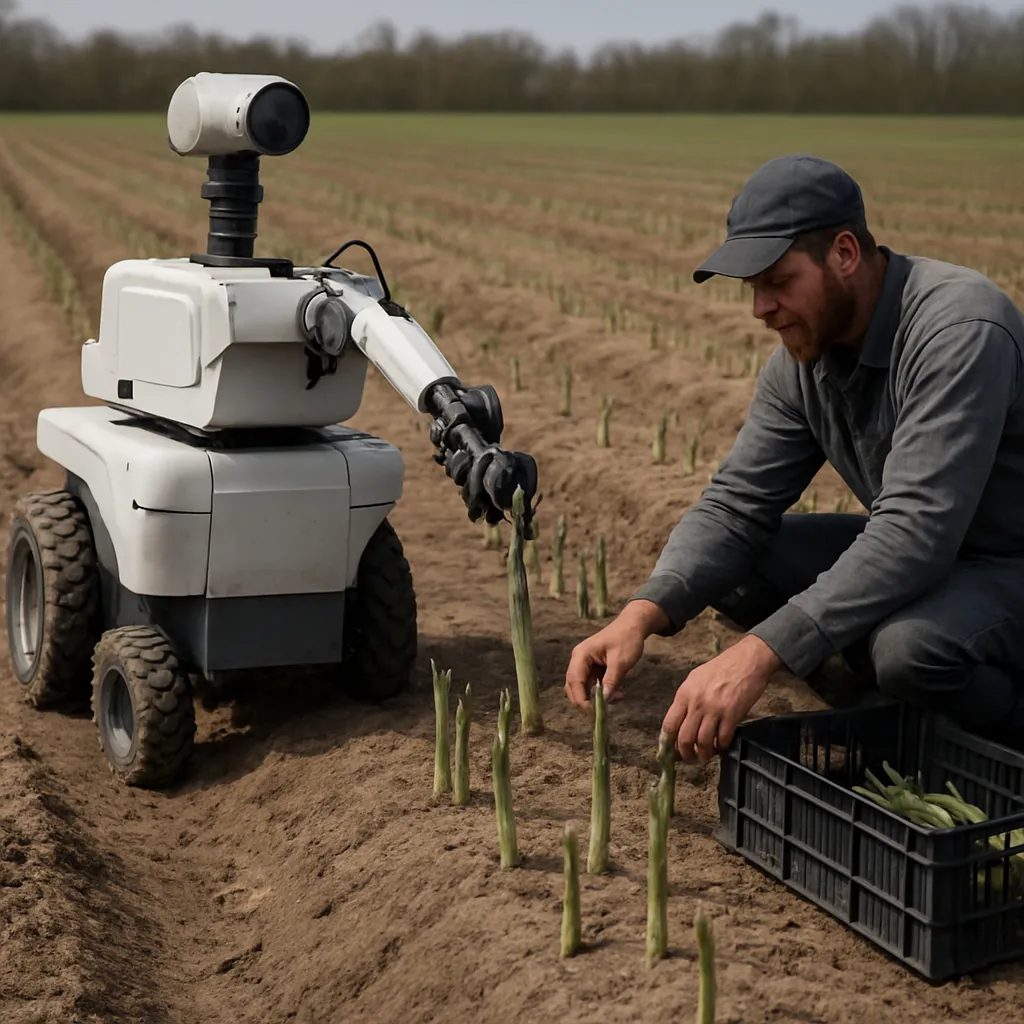
Labor dynamics matter: harvesting and trimming kohlrabi is labor-intensive unless mechanization is adopted. Investments in simple mechanized harvesters and automated packing lines can reduce labor costs and improve consistency, but such capital outlay may be a barrier for smaller farms. Policies and training programs that support mechanization adoption can accelerate productivity improvements.
Environmental, policy and sustainability considerations
Agricultural policies, environmental targets and market incentives shape how the kohlrabi sector develops. Producers must navigate nutrient management, integrated pest control and water-use efficiency to maintain long-term viability.
Sustainability practices
- Crop rotation and integrated pest management reduce pesticide reliance and preserve soil health.
- Water-efficient irrigation and precision fertilizer application lower input costs and environmental footprint.
- Certification schemes and traceability systems support claims about production practices and enable access to higher-value markets.
Adopting such practices helps producers meet regulatory requirements and consumer expectations. Financial incentives and technical assistance from government programs can accelerate uptake. Moreover, reducing food waste through better harvest timing, grading and redistribution initiatives improves overall resource efficiency and can create social benefits through donations and discounted sales channels.
Trade policy and standards also influence market access. Harmonized phytosanitary rules within the European single market simplify movements of kohlrabi across borders, but exporters to non-EU markets face additional requirements. Understanding these regulatory landscapes is essential for producers seeking to expand beyond domestic markets.
Innovation, research and future prospects
Innovation is reshaping kohlrabi production and marketing. Plant breeding focused on uniformity, shelf life and disease resistance reduces losses and labor costs. Controlled environment agriculture and greenhouse production enable off-season supply with improved quality control.
Technological trends
- Breeding for varieties with longer shelf life and consistent bulb formation, helping meet retail standards.
- Sensor-based monitoring and precision agronomy to optimize inputs and improve yield predictability.
- Processing technology that expands product offerings—fresh-cut, fermented and ready-to-eat options—broadening market reach.
Collaboration between research institutions, agricultural extension services and industry fosters practical solutions for small and large producers alike. Investments in digital platforms for demand forecasting and marketplace aggregation help align supply to consumption patterns, reducing volatility and enhancing farmer incomes. Emphasis on innovation can transform a modest crop into an adaptable and resilient component of diversified farm systems.
Challenges and strategic recommendations for stakeholders
Key challenges include seasonal price swings, labor shortages, disease and pest pressure, and competition from substitute vegetables. Addressing these requires coordinated action among growers, processors, retailers and policymakers.
Recommendations
- Strengthen cooperative models: Pooling resources improves bargaining power and enables shared investments in cooling and packing facilities.
- Invest in quality standards and traceability to access premium retail and export channels.
- Promote sustainable practices and explore organic certifications where market demand supports premiums.
- Support mechanization and training to reduce labor dependence and increase consistency for farmers.
- Develop market intelligence systems to balance consumption patterns with staggered planting and storage strategies, smoothing price fluctuations.
- Use collaborative export platforms to navigate phytosanitary rules and scale export opportunities across borders, leveraging efficient supply chains.
By focusing on quality, market segmentation and sustainable intensification, kohlrabi producers and supply chain participants can build resilient businesses and broaden the crop’s role in European agriculture. The combination of targeted research, responsive policy and market-driven innovation offers a pathway for kohlrabi to enhance farm incomes and meet changing consumer preferences across the continent.