Modern agriculture operates within a web of shifting price signals, climatic uncertainty, and changing consumer preferences. For farms of all sizes, understanding how to spread and manage risk across production, markets, and finance is essential to long-term viability. This article explores practical strategies for reducing exposure to shocks and enabling farms to capture opportunities in volatile agricultural markets. It combines market analysis, operational tactics, and financial tools to help producers build durable farm enterprises.
Understanding agricultural market dynamics
Agricultural markets are influenced by a mix of local conditions and global trends. Prices for crops and livestock respond to supply shocks, input cost changes, policy shifts, and speculative flows. Producers need to read signals from commodity markets, input markets (such as fertilizer and fuel), and consumer trends (such as demand for organic or traceable products). Building a framework for decision-making starts with assessing exposure: which parts of the farm business are most vulnerable to price swings, weather, pests, or supply chain disruption?
Key market concepts every farm manager should know include basis risk (the gap between local cash prices and futures prices), seasonality (regular intra-year price cycles), and correlation (how prices of different commodities move relative to one another). Understanding these concepts makes it easier to design a portfolio of activities that reduces overall risk rather than amplifying it.
Practical diversification strategies
True diversification combines production, market, and temporal strategies so that negative outcomes in one area are offset by stability or gains elsewhere. Below are proven approaches used by successful farms.
1. Crop and livestock diversification
- Plant multiple crops with different market drivers and growing seasons. For example, combining grains with oilseeds or integrating short-season vegetables can smooth income across the year.
- Integrate livestock where feasible. Grazing animals can utilize residues, improve soil health, and provide an alternate income stream if crop prices fall.
- Avoid concentrating acreage in a single commodity that is highly correlated with global price swings.
2. Temporal and rotational strategies
- Stagger planting and harvest dates to access different market windows and reduce price risk associated with timing.
- Use crop rotations to manage pest pressure and reduce input costs, improving both yield stability and resilience.
3. Geographic and market channel diversification
- Market through multiple channels: local cash sales, direct-to-consumer outlets, cooperatives, and national buyers. Each channel has different price dynamics and contract structures.
- If land holdings allow, diversify across microclimates or regions to reduce the impact of localized droughts or floods.
4. Value addition and product differentiation
- Processing, packaging, or certification (organic, non-GMO, Fair Trade) can capture price premiums and reduce sensitivity to commodity price cycles.
- Develop branded or specialty lines to build customer loyalty and more stable margins.
These approaches rely on operational flexibility and often require new skills or investments. However, the benefits include lower income volatility and improved long-term returns.
Financial instruments and market-based hedging
Beyond on-farm tactics, a range of financial tools exist to transfer or reduce price risk. Understanding and selectively using these instruments is a key part of modern farm management.
Futures and options
Commodity futures and options allow producers to lock in prices or protect against downside moves. Selling futures can secure a known price for expected production, while buying put options provides a floor price with upside potential. A clear marketing plan, size-matching between physical production and contracts, and timing discipline are essential to avoid unnecessary basis risk.
Forward contracts and basis contracts
Forward contracts with buyers provide certainty over price and volume but may require meeting quality standards and delivery windows. Basis contracts fix the difference between a local cash price and a futures price, letting the producer benefit from favorable futures moves while securing a known local relationship.
Insurance products
Area-yield, revenue protection, and index-based insurance products can shield farms from severe yield losses or extreme price drops. While insurance premiums reduce net returns during normal years, they limit catastrophic financial exposure and can improve credit access.
Access to finance and credit tools
Maintaining flexible lines of credit, using input financing during cash-constrained periods, and structuring seasonal loans to match income flows help manage working capital risk. Some farms use diversified income streams to qualify for broader financing options and better terms.
Organizational and cooperative approaches
Collective action often unlocks diversification benefits that are difficult for individual farms to achieve alone.
- Joining or forming cooperatives can improve market access, enable shared storage and processing facilities, and provide better bargaining power with buyers.
- Collaborative marketing pools allow producers to smooth out individual production variability and negotiate volume-based contracts.
- Shared investment in cold chains or value-added infrastructure reduces unit costs and enables entry into premium markets.
Technology, data and operational resilience
Modern farms increasingly rely on digital tools and agronomic innovations to manage risk and optimize decisions.
Precision agriculture and data analytics
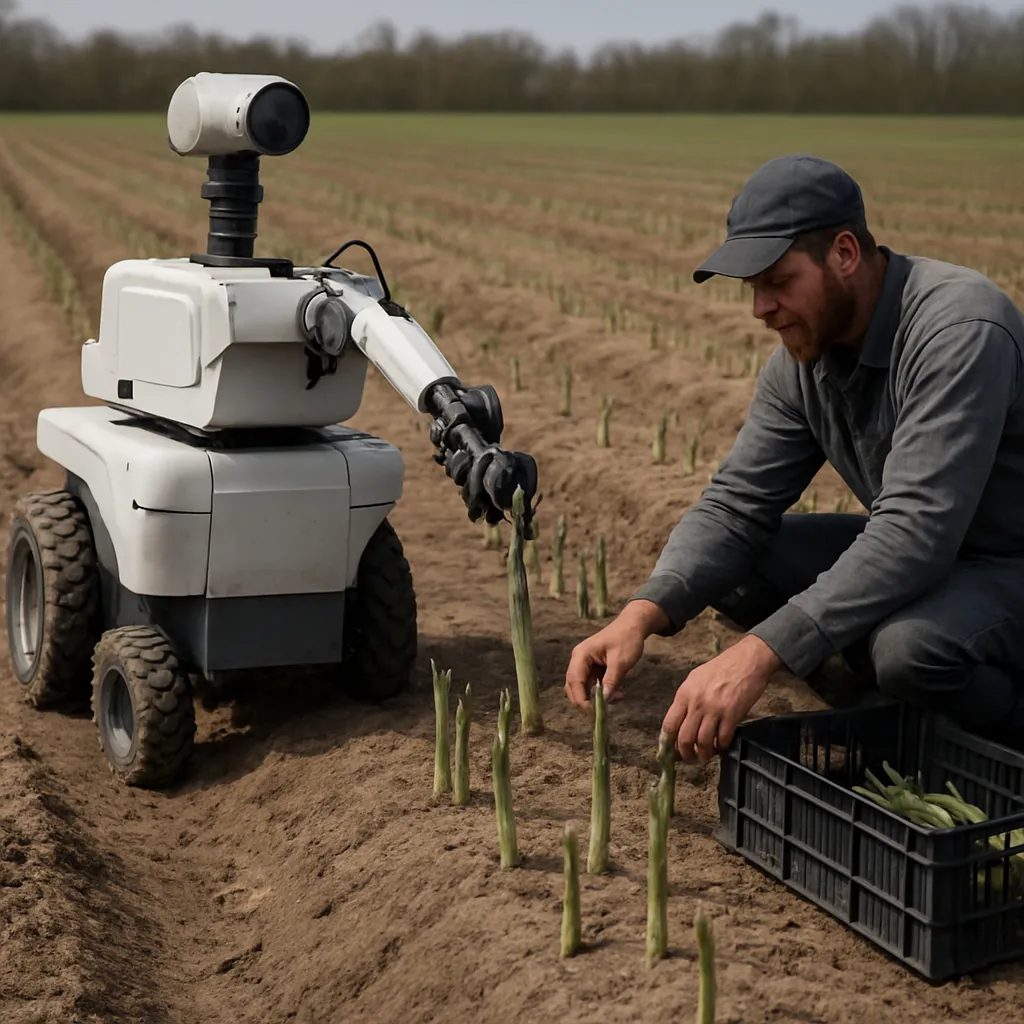
Using soil sensors, satellite imagery, and yield-mapping helps target inputs where they deliver the best return, reducing costs and environmental impact. Data-driven decision-making improves predictability and enables rapid responses to developing threats like pest outbreaks or nutrient deficiencies.
Early warning systems and climate adaptation
Access to localized weather forecasts, pest monitoring systems, and climate risk models helps farmers anticipate and mitigate losses. Diversification strategies should be designed in conjunction with adaptation plans to respond to long-term climatic shifts.
Supply chain traceability and consumer information
Digital traceability platforms can open new market segments and permit premiums for verified origin, welfare standards, or lower-carbon practices. These channels reduce reliance on volatile bulk commodity markets and increase customer loyalty.
Designing and implementing a diversification plan
Creating an effective diversification plan requires systematic assessment and staged implementation.
- Start with a risk inventory: identify the biggest threats to income, liquidity, and production.
- Quantify exposures using historical price and yield data to see which strategies offer meaningful reduction in variance.
- Prioritize low-cost, high-impact measures such as rotations, basic insurance, and modest market channel experiments before committing to large capital projects.
- Use pilot projects and phased rollouts to test new enterprises or value-added products. Learn from small-scale trials before scaling up.
- Maintain flexibility: use short-term contracts or option-based hedges when entering new markets to limit downside while testing demand.
Policy, sustainability, and market incentives
Public policy and global sustainability trends influence market returns and risk profiles. Subsidies, environmental regulations, and trade policies can create both risks and opportunities. Aligning farm strategies with emerging sustainability standards often opens new markets and reduces long-term regulatory risk.
- Implementing soil and water conservation practices improves productivity and reduces vulnerability to climate extremes.
- Adopting sustainable practices may qualify farms for green finance, climate adaptation grants, or price premiums in international markets.
Case examples and practical lessons
Across different regions, farms have applied diversification principles with measurable results:
- A mixed grain–oilseed operation that introduced a small vegetable line found that direct retail sales during the off-season increased cash flow and reduced reliance on low-margin commodity channels.
- A livestock producer who added agroforestry and timber rotations diversified income and improved microclimate control, stabilizing feed availability during droughts.
- Cooperative-based storage and pooled marketing reduced price volatility for participating farmers, enabling better loan repayment and investment planning.
These examples show that diversification is not a one-size-fits-all prescription. The best portfolio depends on local conditions, comparative advantages, and the farmer’s willingness to manage complexity.
Final considerations for farm managers
Risk management is an ongoing process that blends operational changes, market instruments, and institutional arrangements. Successful diversification increases overall farm resilience by spreading exposure across multiple dimensions: production, markets, time, and geography. It also often demands knowledge and capital—invest in learning, build relationships with buyers and financial providers, and start small when testing new enterprises.
Conscious adoption of financial tools such as hedging and insurance, combined with strategic use of contracts and participation in cooperatives, can complement on-farm diversification. Embracing technology and aligning with sustainability trends opens premium channels and reduces long-term exposure to regulatory and climate-driven risks. In the dynamic environment of agricultural markets, a diversified approach remains the most reliable route to stable livelihoods and enduring farm businesses.