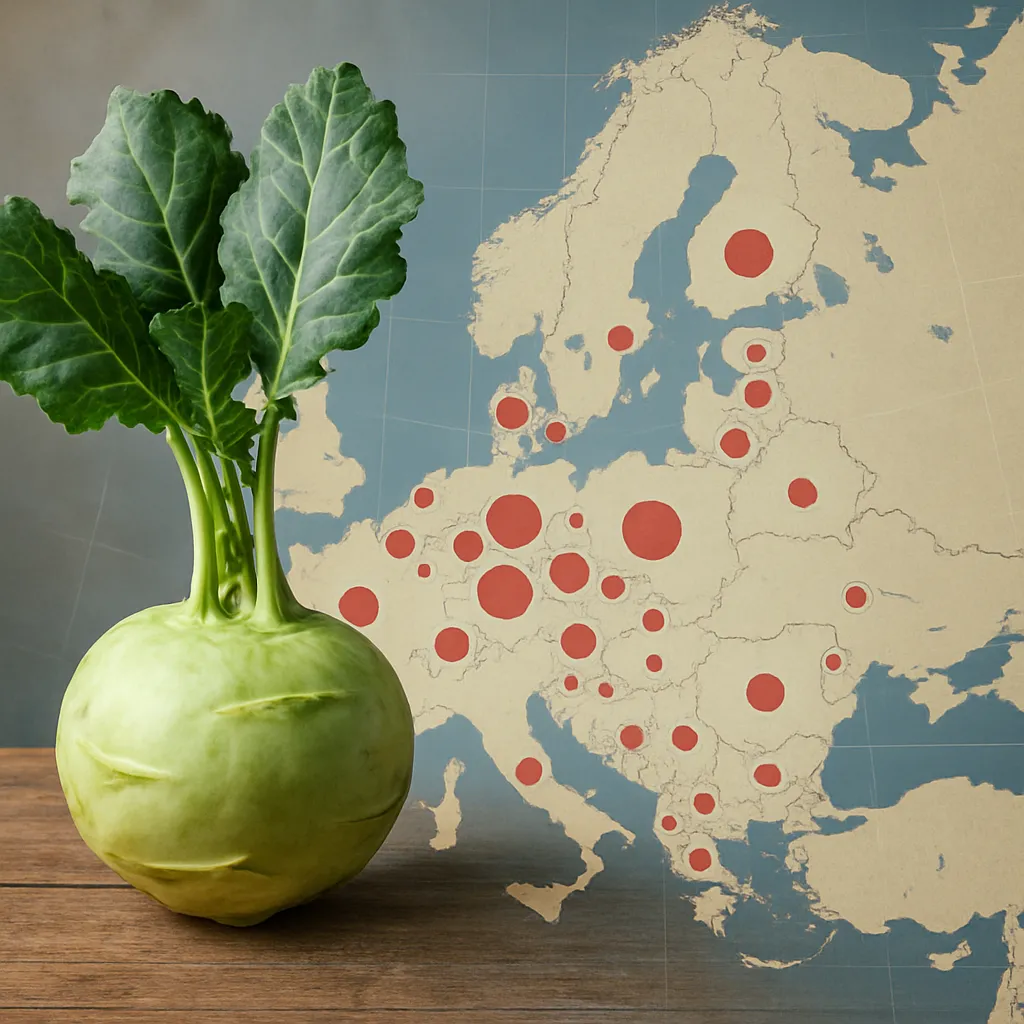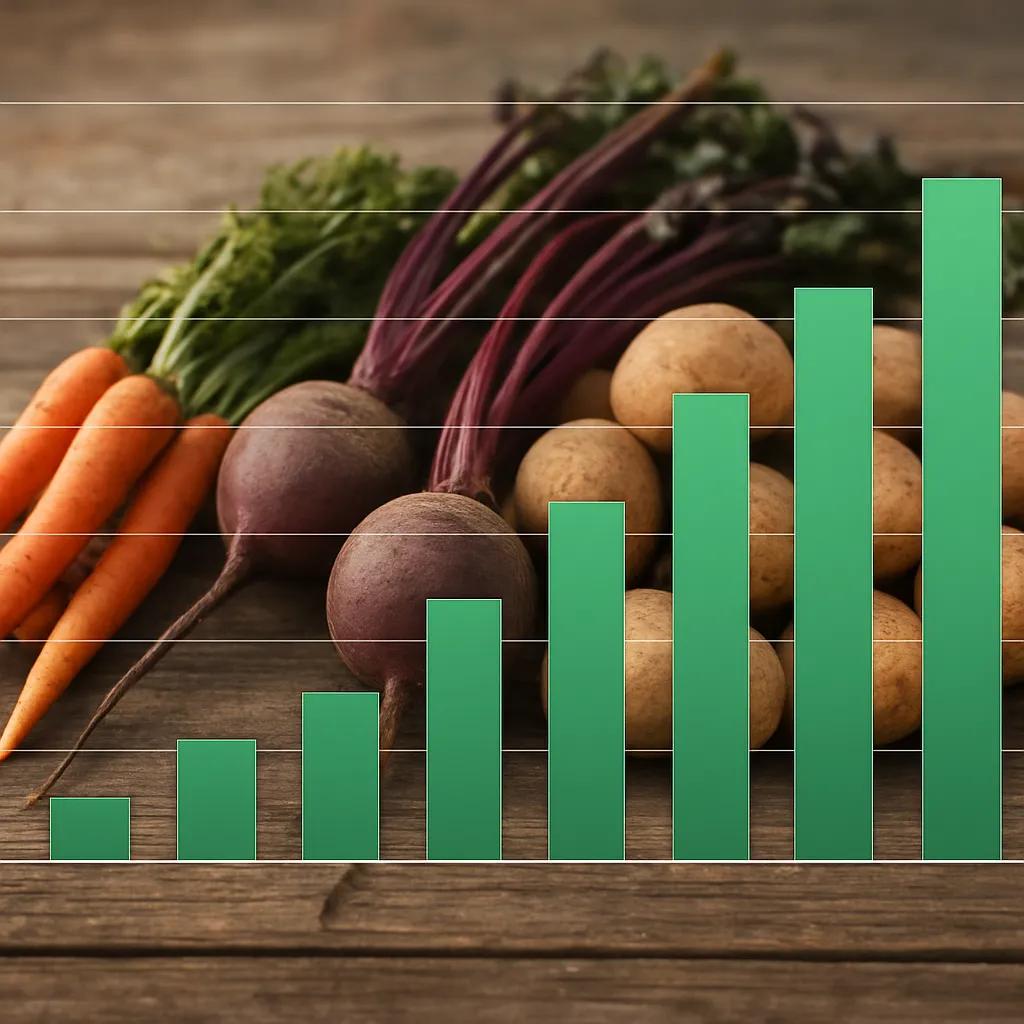
The steady expansion of export flows for root vegetables across the continent is reshaping agricultural markets and farm strategies in Europe. From the northeastern fields of Poland to the intensive horticultural regions of the Netherlands and Spain, growers and traders are adjusting to shifting demand, regulatory pressures, and technological change. This article examines the drivers behind export growth, the structure of contemporary supply chains, public policy influences, and the practical challenges and opportunities facing producers, processors and logistics providers.
Market dynamics and trade trends across Europe
Trade patterns for root crops such as carrots, beets, parsnips, and other tubers are influenced by seasonal supply, processing demand and evolving consumer preferences. Within the European single market, intra-EU movements account for a large share of volumes as countries seek complementary seasonal production to ensure year-round availability for retail and foodservice. At the same time, extra-EU exports have grown where cost-competitive production, effective quality standards and efficient port connections converge.
Shifts in destination and product mix
- Processed products — frozen, canned, pre-cut and ready-to-cook formats — are increasingly important export drivers because they reduce transport sensitivity and extend shelf life.
- Emerging markets in North Africa and the Middle East absorb fresh and processed vegetables during European off-seasons, while established EU partners often trade high-value fresh produce.
- Retail consolidation across borders has created demand for consistent volumes, standardized packaging and traceability, favouring larger producers and coordinated grower groups.
These trends are not uniform: some countries specialize in high-volume commodity exports, while others focus on niche premium products. The Netherlands excels in logistics, cold chain and year-round supply of diverse vegetables; Poland has grown its share of root vegetable production and often supplies neighboring markets; Spain combines climatic advantage with export-oriented horticulture.
Production systems, supply chains and logistics
A modern export-oriented root vegetable chain blends field-level production decisions with sophisticated post-harvest handling. Growers face pressure to optimize yield, consistency and quality while meeting sustainability benchmarks and labor constraints.
From farm gate to container
- Harvesting calendars are coordinated with packing schedules to reduce field dwell time and loss of fresh quality.
- Centralized packinghouses provide washing, sorting and grading, and apply standardized packaging suitable for long-distance logistics.
- Controlled atmosphere storage and refrigerated transport reduce spoilage and widen export windows for off-season shipments.
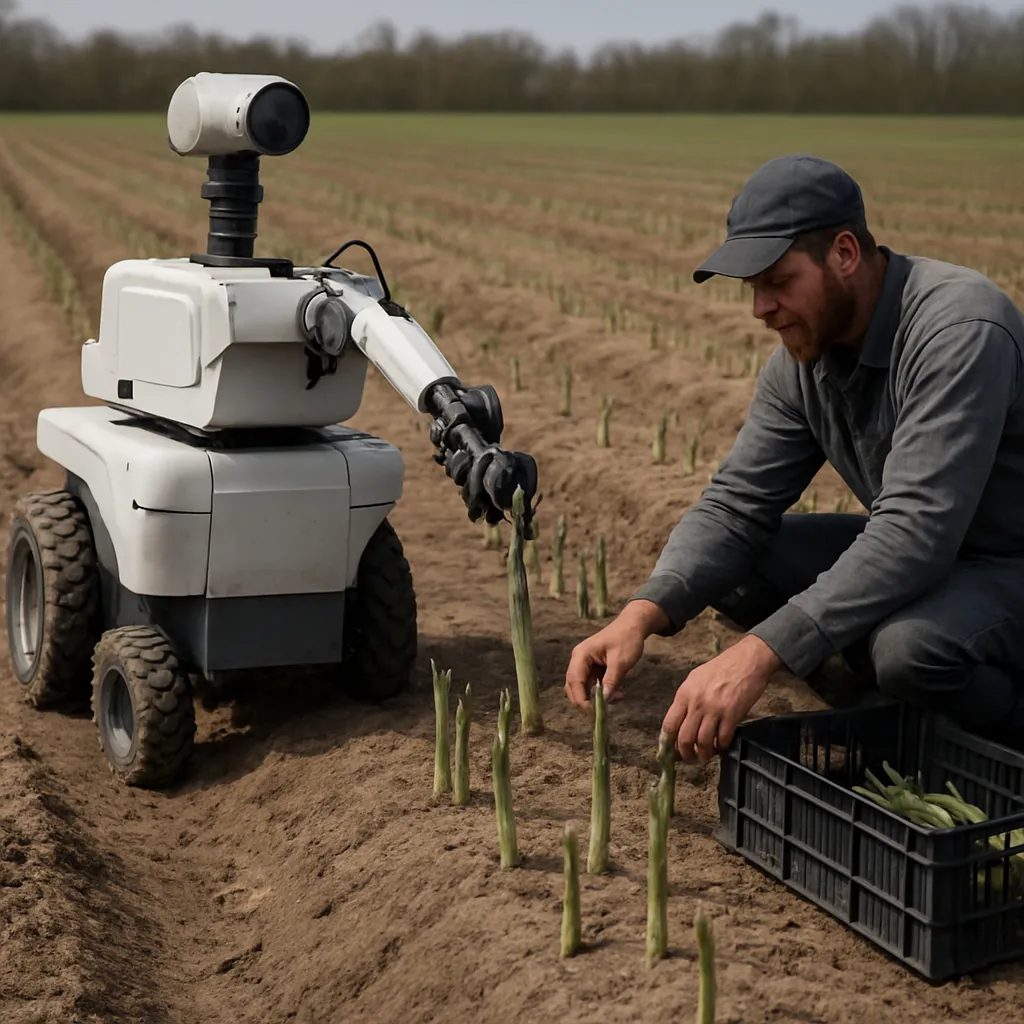
Contract farming and service agreements between processors and growers help secure volumes, but raise questions about price setting and risk-sharing. Investments in mechanized harvesting and automated grading systems reduce labor dependence and improve uniformity — attributes prized by export buyers. Meanwhile, pressure on energy costs and port capacity can affect competitiveness: efficient routing and multimodal freight strategies are crucial for exporters targeting distant markets.
Regulatory environment and sustainability pressures
Policy and regulation shape what can be exported, where, and at what cost. European producers operate under stringent phytosanitary rules, pesticide maximum residue limits (MRLs) and increasingly rigorous sustainability reporting requirements.
Key regulatory drivers
- The Common Agricultural Policy (CAP) influences farm incomes and investment incentives for modernization and environmental measures.
- Sanitary and phytosanitary (SPS) regimes restrict pests and diseases but also create administrative burdens for cross-border trade.
- Private standards — retailer codes and certification schemes — have become de facto market access conditions for many export channels.
Environmental sustainability is now a commercial issue: buyers and consumers demand transparency about carbon footprint, water use and soil health. Practices such as cover cropping, reduced tillage and optimized fertilizer application can both improve resilience and open access to sustainability-conscious markets. The need to meet these standards drives investment but may disadvantage smaller producers lacking capital or organizational capacity.
Innovation, value addition and technology adoption
Technological innovation is a core enabler of export growth in root vegetables. From precision agronomy to postharvest robotics, innovations help increase yields, reduce losses and deliver consistent quality demanded by overseas buyers.
Examples of impactful innovations
- Precision agriculture tools — soil mapping, variable-rate application and satellite imagery — optimize inputs and improve uniformity.
- Postharvest technologies — rapid cooling, modified atmosphere packaging and automated sorting — extend shelf life and lower rejection rates at destination markets.
- Supply chain digitization — blockchain-enabled traceability, electronic phytosanitary certification and real-time temperature monitoring — streamlines compliance and builds buyer trust.
Value-added processing, such as cutting, blanching and IQF (individually quick frozen) production, converts seasonal surpluses into stable export commodities. Packaging innovation, including convenience formats and smaller retail packs, opens new consumer segments. Producers who integrate forward into processing or collaborate with processors can capture greater margins and reduce exposure to raw commodity price swings.
Challenges and market risks
Despite opportunities, exporters face several persistent and emerging risks that can constrain growth.
Operational and market vulnerabilities
- Labor shortages during peak harvests increase reliance on mechanization but require capital investment and new skills.
- Volatile input costs — energy, fertilizer and transport — compress margins and complicate pricing for long-term contracts.
- Climate variability and extreme weather events disrupt yields and timing, increasing the need for insurance and diversification.
- Trade policy shifts, including non-tariff barriers and changing third-country agreements, create uncertainty for long-distance exporters.
Market concentration at the retail end can squeeze supplier margins and impose rigid contractual terms. At the same time, smaller producers lacking scale may struggle to meet export-oriented quality and traceability requirements unless they join cooperatives or engage in contract arrangements.
Opportunities and strategic responses for stakeholders
To sustain export momentum, stakeholders across the chain are adopting coordinated strategies that combine market intelligence, investment in technology and collaborative governance.
Practical actions that work
- Forming producer groups and cooperatives to achieve scale, share investment costs and negotiate better terms with buyers.
- Investing in cold chain infrastructure and multimodal transport links to reduce transit time and spoilage.
- Pursuing product differentiation — organic, local-variety, minimally processed or certified sustainable — to access premium segments.
- Enhancing traceability and certification to meet both regulatory demands and retailer policies, thereby reducing rejection risks at borders.
- Exploring new markets through targeted export promotion, leveraging regional trade agreements and off-season supply windows.
Digital market intelligence and direct-to-retailer platforms can help exporters anticipate demand fluctuations and negotiate smarter contracts. At the same time, public-private partnerships to upgrade logistics nodes and provide technical assistance to smaller farms can broaden participation in export growth.
Implications for policy and investment
Policymakers can play a catalytic role by aligning rural development funds, trade promotion and research programs to support export-led growth in root vegetables. Investments in rural infrastructure, training for mechanization and incentives for sustainable practice adoption will improve competitiveness. Equally, streamlining SPS procedures and enhancing regional harmonization of standards can lower transaction costs and reduce market access friction.
Financial instruments that share risk — crop insurance, price stabilization tools and contract facilitation — encourage investment at farm and processor levels. Research into varieties better suited to mechanized harvest, storage resilience and lower input needs will sustain productivity under changing climatic conditions. Integrating smallholders into export supply chains through aggregation mechanisms preserves rural livelihoods while meeting international market demands.
Outlook: balancing resilience and growth
Export growth in European root vegetables reflects a combination of structural change, technological adoption and evolving consumer demands. To convert potential into durable gains, the sector must balance scale and efficiency with resilience and environmental stewardship. By investing in innovation, enhancing supply chains, and aligning policies with market realities, European producers and exporters can expand their international footprint while adapting to the practical challenges of modern agriculture.