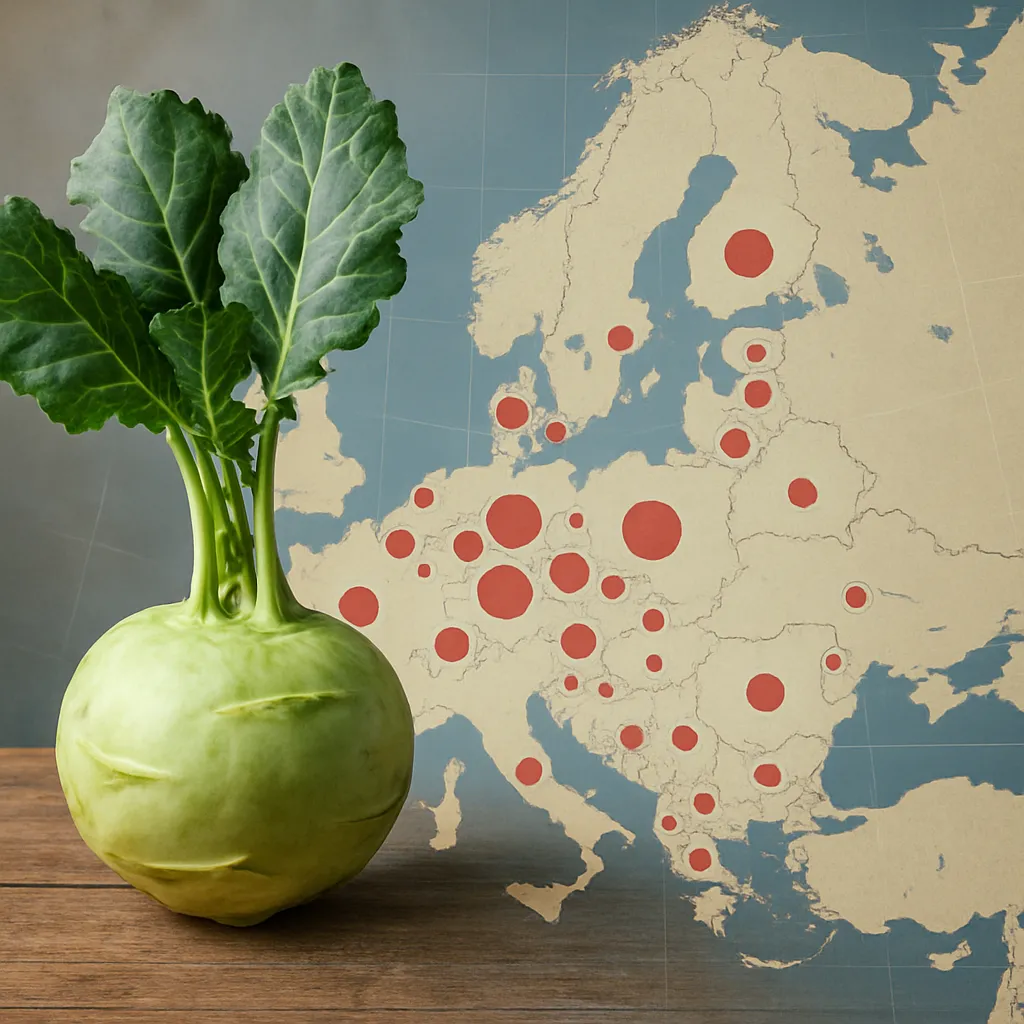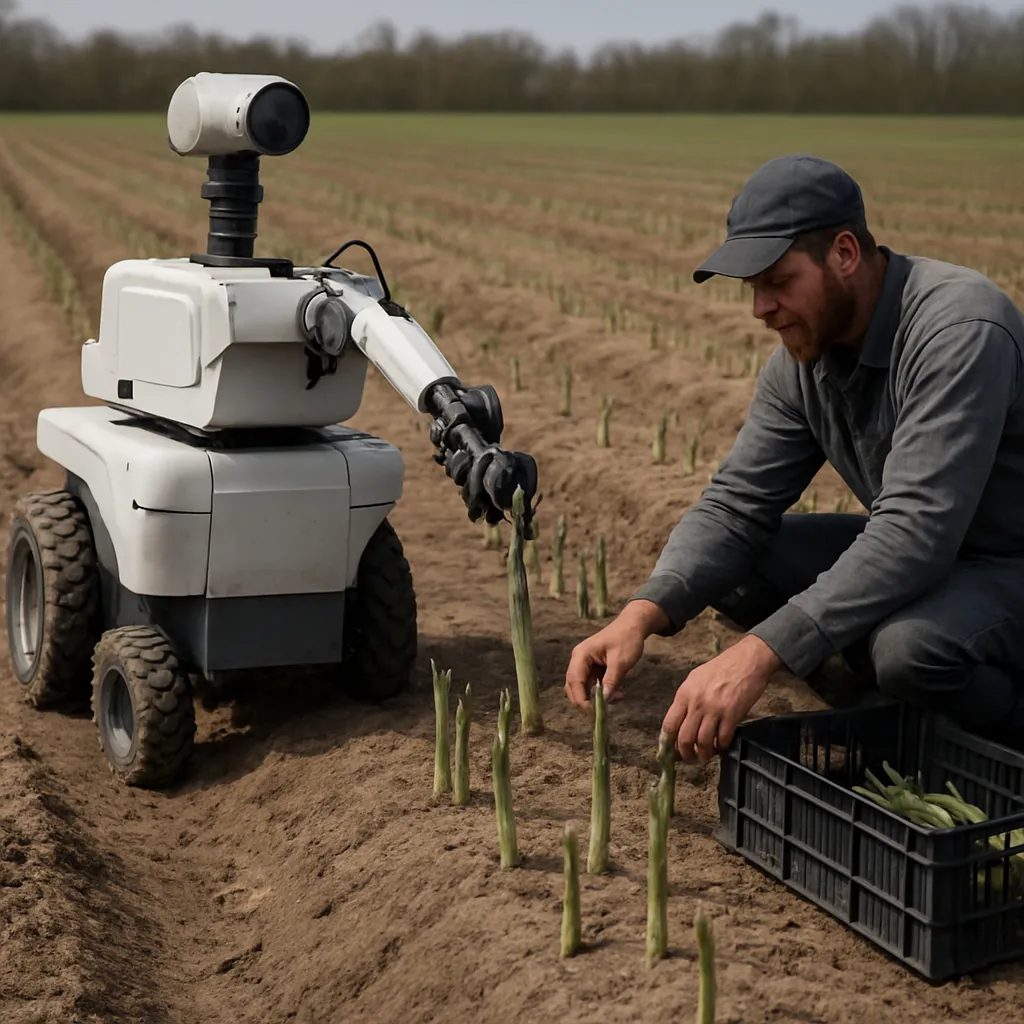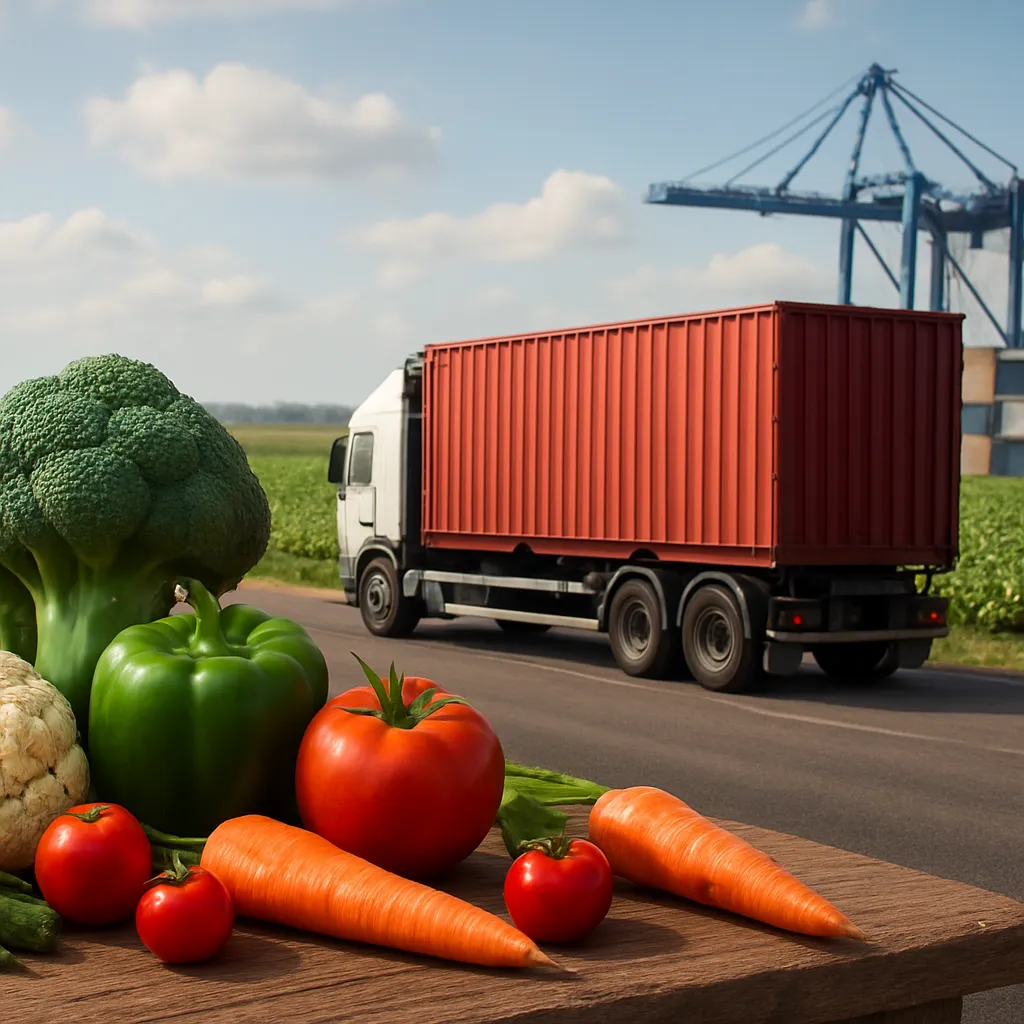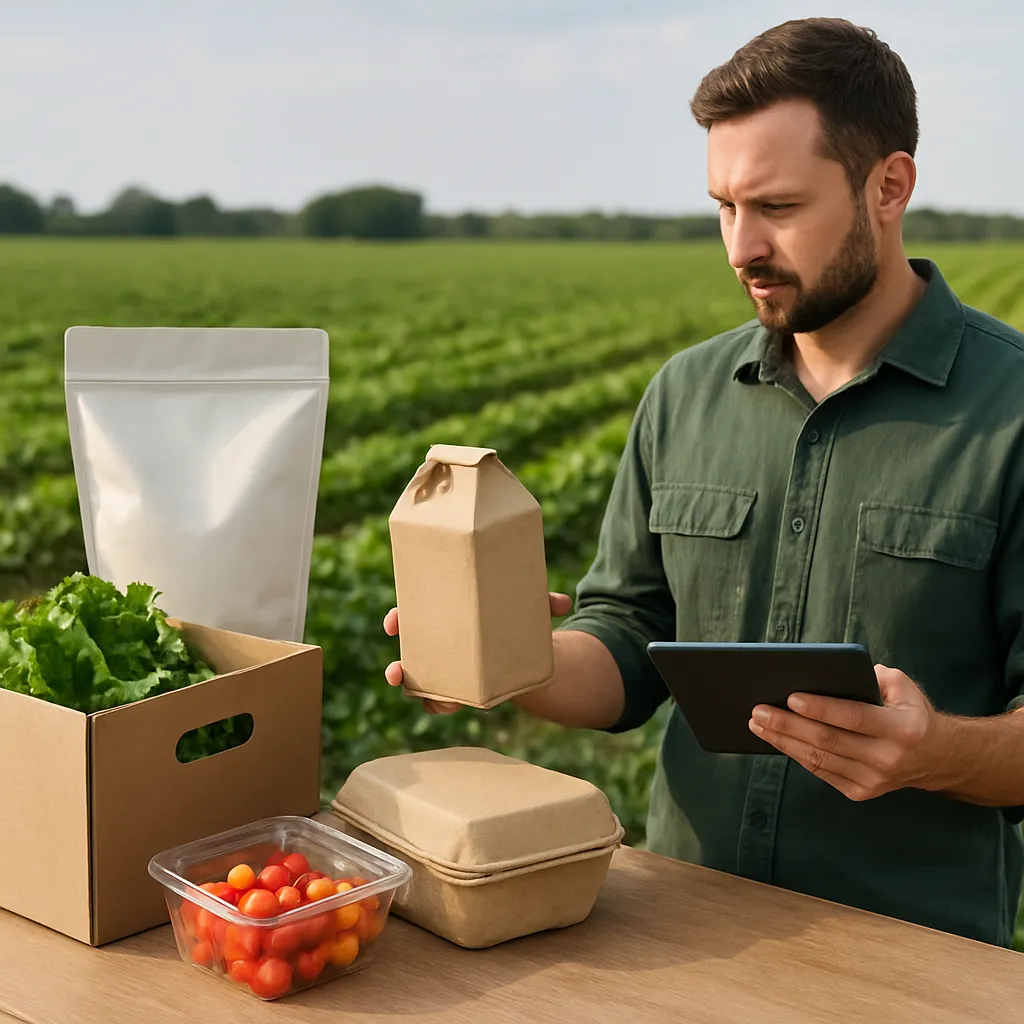
The agricultural sector stands at the intersection of traditional practice and rapid technological change. As global demand for fresh, safe, and affordable food grows, the role of packaging has transformed from mere containment to a strategic tool that preserves quality, extends shelf life, and connects producers with consumers. Advances in innovation and design now allow packaging to address complex challenges across the value chain: reducing food waste, improving traceability, lowering environmental impact through sustainability initiatives, and supporting farmer livelihoods by protecting product value. This article explores current markets, emerging technologies, logistics implications, and policy drivers shaping agricultural packaging today.
Market dynamics and agricultural drivers
Agricultural markets are shaped by shifting consumption patterns, urbanization, and the globalization of supply chains. Demand for year-round availability of perishable produce, combined with consumer interest in freshness and safety, places pressure on producers and packers to deliver consistent quality. Packaging is a key enabler in this environment. It not only protects goods during transport but also serves as a platform for information and differentiation.
Key market trends
- Rising demand for fresh and minimally processed produce that requires careful packaging to maintain quality.
- Growth in direct-to-consumer channels and e-commerce, increasing the need for robust, tamper-evident, and returnable packaging solutions.
- Regulatory pressures and consumer expectations driving adoption of recyclable and compostable materials.
- Consolidation of processing and distribution centers that favors scalable, standardized packaging formats.
Producers in emerging markets face unique constraints: limited cold chain infrastructure, variable access to capital for packaging investments, and fragmented farm sizes. Packaging innovations that are low-cost, scalable, and compatible with existing handling systems can unlock value for smallholders and help close post-harvest loss gaps.
Technologies transforming packaging for agriculture
Recent decades have seen a suite of technologies reimagine what packaging can do. From passive protection to active, intelligent systems, the function of packaging has expanded considerably.
Modified and active atmosphere systems
Modified Atmosphere Packaging (MAP) and active solutions alter the internal atmosphere of containers or use scavengers and emitters to slow respiration and spoilage. For high-respiration fruits and vegetables, MAP can significantly extend shelf life, reduce reliance on cold storage, and enable longer transport distances.
Smart packaging and digital integration
Embedded sensors, RFID, QR codes, and blockchain integration enable real-time monitoring of temperature, humidity, and handling events. These tools enhance traceability, allow rapid recalls when necessary, and build consumer confidence through transparent provenance data. Smart labels also help optimize the supply chain by informing dynamic routing decisions and reducing losses due to delayed handling.
Bio-based and biodegradable materials
Pressure to reduce plastic pollution has accelerated development of alternatives: polylactic acid (PLA), polyhydroxyalkanoates (PHA), cellulose derivatives, seaweed-based films, and biodegradables derived from agricultural residues. Innovations such as mycelium-based molded packaging or starch-based trays provide compostable protection while offering a lower carbon footprint compared with fossil-derived polymers.
Edible coatings and nano-enabled films
Edible coatings made from chitosan, alginate, or whey proteins can form semipermeable barriers on produce, reducing moisture loss and microbial invasion. Nano-enabled films improve gas barrier properties and mechanical strength, enabling thinner packaging with equivalent performance and less material use.
Sustainability, circularity, and design for reuse
Packaging strategies increasingly align with a circular economy model. Designing for recycling, composting, or multiple reuses reduces environmental externalities while often delivering cost savings over time.
Design principles
- Reduce: minimize material use through lightweighting and smarter geometry.
- Reuse: adopt returnable crates, pallets, and bulk containers for intra-regional supply chains.
- Recycle: harmonize materials to improve recyclability and use post-consumer recycled content.
- Renew: transition to circular economy feedstocks such as agricultural residues and certified bio-polymers.
Examples of circular models include farmer cooperatives using shared, reusable packaging pools and processors offering deposit-return programs for crates and bins. Such systems can strengthen producer bargaining positions and protect farmer incomes by reducing damage and contamination during handling.
Logistics, cold chain, and last-mile considerations
Packaging decisions must be made in the context of logistics realities. For perishables, the interplay between packaging and temperature management determines final quality.
Cold chain integration
Effective use of insulated, breathable packaging paired with cold chain monitoring stabilizes product quality. Innovations such as phase-change materials (PCMs) and vacuum-insulated panels allow temperature control in small consignments, improving access for remote producers to premium markets. Strengthening the cold chain reduces spoilage and expands market reach.
Last-mile resilience
Urban deliveries and e-commerce introduce handling stresses distinct from bulk shipments. Packaging must balance protection with consumer convenience: easy-open formats, portioning, and clear storage instructions. Solutions that reduce single-use waste while maintaining hygiene are particularly valuable in direct-to-consumer models.
Policy, standards, and market access
Regulations on food safety, packaging materials, and environmental claims shape what is permissible and marketable. Compliance with food contact regulations, compostability standards (such as EN 13432), and labeling laws is essential for exporters and retail partners.
Certification and claims
Third-party certifications—organic, fair trade, compostable, or carbon-neutral packaging—help differentiate products and can command price premiums. Traders and retailers increasingly require documented chain-of-custody and material provenance, reinforcing the role of packaging as both a physical and informational asset.
Financial instruments
Access to finance for packaging upgrades is a major constraint for smallholders. Blended finance, grants, and supplier credit schemes can underwrite investments in better packaging that unlock higher-value markets. Public-private partnerships also support shared infrastructure such as packhouses equipped with MAP lines and cold storage.
Practical adoption: barriers and practical pathways
Despite technological promise, adoption faces barriers: upfront capital, operational knowledge, compatibility with mechanized lines, and waste-management infrastructure for new materials.
- Cost and scale: Many advanced packaging systems are economical only at medium-to-large volumes. Aggregation of smallholders through cooperatives or third-party packers can surmount this hurdle.
- Standards and interoperability: Packaging must fit existing conveyors, sorting machinery, and retail shelving. Modular designs that adapt to local equipment reduce friction.
- End-of-life systems: The effective environmental benefit of compostable or bio-based materials depends on collection and processing infrastructure. Investment in municipal organics collection and industrial composting increases the value of such materials.
Case studies and real-world applications
Real-world examples illustrate how packaging innovations translate to market gains.
Extending shelf life for berries and soft fruit
Modified atmosphere clamshells with anti-fog coatings and vent patterns tailored to berry respiration profiles have reduced spoilage during multi-day shipments, enabling exports from secondary production regions. Coupled with traceability tags, producers gain access to discerning markets with higher price points.
Returnable crate systems for vegetables
In several regional markets, bakery-style returnable crates and pooling solutions have replaced disposable corrugated boxes for intra-regional trade. The result: lower damage rates, reduced packaging waste, and stabilized prices through better quality retention.
Seaweed-based films for single-use replacements
Pilot projects using seaweed-derived films for lightweight produce wrapping have demonstrated good barrier properties and rapid compostability, offering a pathway to reduce conventional plastic films particularly in coastal production regions.
Future directions and opportunities
Looking ahead, the most impactful packaging innovations will be those that integrate materials science with digital systems and circular business models. Combining packaging that preserves quality, embedded intelligence for traceability, and end-of-life solutions that feed back into production creates value across the chain.
- Scalable sensor platforms that provide affordable condition monitoring for small lots.
- Material advances that match biodegradability with mechanical performance at low cost.
- Policy frameworks that incentivize reuse and proper waste processing while penalizing litter and contamination.
To capture these opportunities, stakeholders—farmers, cooperatives, processors, retailers, and policymakers—must coordinate investments and standards. When packaging aligns with environmental goals, market demands, and logistical realities, it becomes more than a container: it is a lever for resilient, profitable, and sustainable agriculture driven by meaningful innovation.