The expansion of the pea protein industry is reshaping both commodity and value-added segments of global agriculture. As demand for alternative proteins grows, farmers, processors, traders and food manufacturers are re-evaluating production models, supply relationships and investment priorities. This article explores the agricultural markets and farming realities that underpin the rise of pea protein, examines the drivers of demand across regions, and outlines the logistical, technological and policy challenges that stakeholders must address to ensure long-term, resilient growth.
Drivers of Demand and Market Dynamics
The surge in interest for plant-based proteins has created new pathways for pulse crops, and pea protein has emerged as a leading ingredient for meat analogues, dairy alternatives, protein bars, and nutritional supplements. Multiple demand-side forces are converging to support this expansion:
- Sustainability expectations: Consumers and corporations increasingly prioritize lower-carbon and less resource-intensive food systems. Pea cultivation generally requires less water and can improve soil health through nitrogen fixation, making peas an attractive alternative to resource-heavy animal proteins.
- Health and functional claims: A growing proportion of consumers seek high-protein, allergen-friendly, and non-GMO ingredients. Pea protein’s profile—relatively high in essential amino acids and free of common allergens like soy or dairy—supports claims around nutrition and digestive tolerance.
- Price and supply diversification: Volatility in animal protein markets and price pressures on traditional plant proteins (e.g., soy) have driven manufacturers to diversify ingredient sources. Pea protein offers a way to manage input risks and sometimes deliver cost advantages when scaled effectively.
- Regulatory and corporate commitments: Policies promoting reduced greenhouse gas emissions, along with private-sector sustainability pledges, create demand signals that push food companies to reformulate and procure alternative proteins.
On the supply-side, the transformation from raw peas to functional isolates and concentrates requires investments in processing capacity. As processors scale, they can unlock cost reductions and improve product consistency, further stimulating market uptake. However, market dynamics are not uniform across regions: consumer preferences, retail channels, and the maturity of ingredient supply chains shape local demand trajectories.
Agricultural Considerations: Production, Rotation and Farmer Economics
At the farm level, peas are attractive for many reasons, but widespread expansion introduces trade-offs that need careful management. The agronomic and economic realities include:
- Crops and rotation benefits: Peas fix atmospheric nitrogen, reducing the need for synthetic fertilizers in subsequent cereal crops and improving soil structure. This can increase overall farm resilience and yield stability for mixed cropping systems.
- Yield variability: Pea yields are sensitive to weather extremes, disease pressure, and soil conditions. Climate change introduces additional uncertainty, requiring adaptive management and cultivar improvement to maintain consistent raw material supply.
- Price signals and contracting: Farmers respond to reliable price signals and pre-harvest contracts. Long-term offtake agreements with processors can stabilize income and incentivize quality-focused production practices, but they also require trustworthy supply chain relationships.
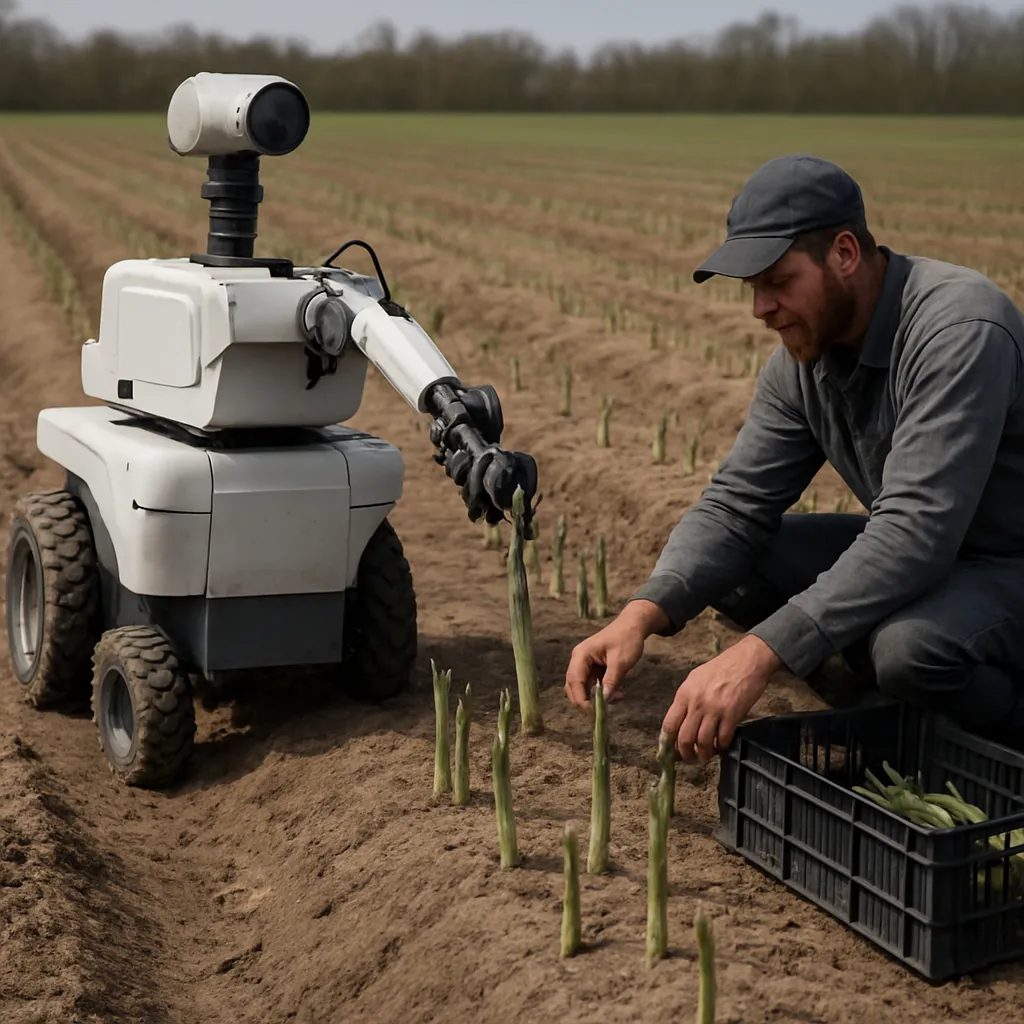
- Input and labor considerations: While peas can reduce fertilizer costs, they still demand timely planting, weed control and harvest logistics. Mechanization and access to appropriate seed varieties influence profitability, particularly for smallholder operations.
Integrating peas into large-scale rotations at commercial farms often involves negotiations about seed genetics, harvest windows and storage. Post-harvest quality—moisture content, protein concentration and absence of contaminants—is critical for food-grade processing. Thus, agronomic advisory services, quality testing and traceability systems become components of a modern supply chain for pea protein.
Processing Technologies and Value Chain Transformation
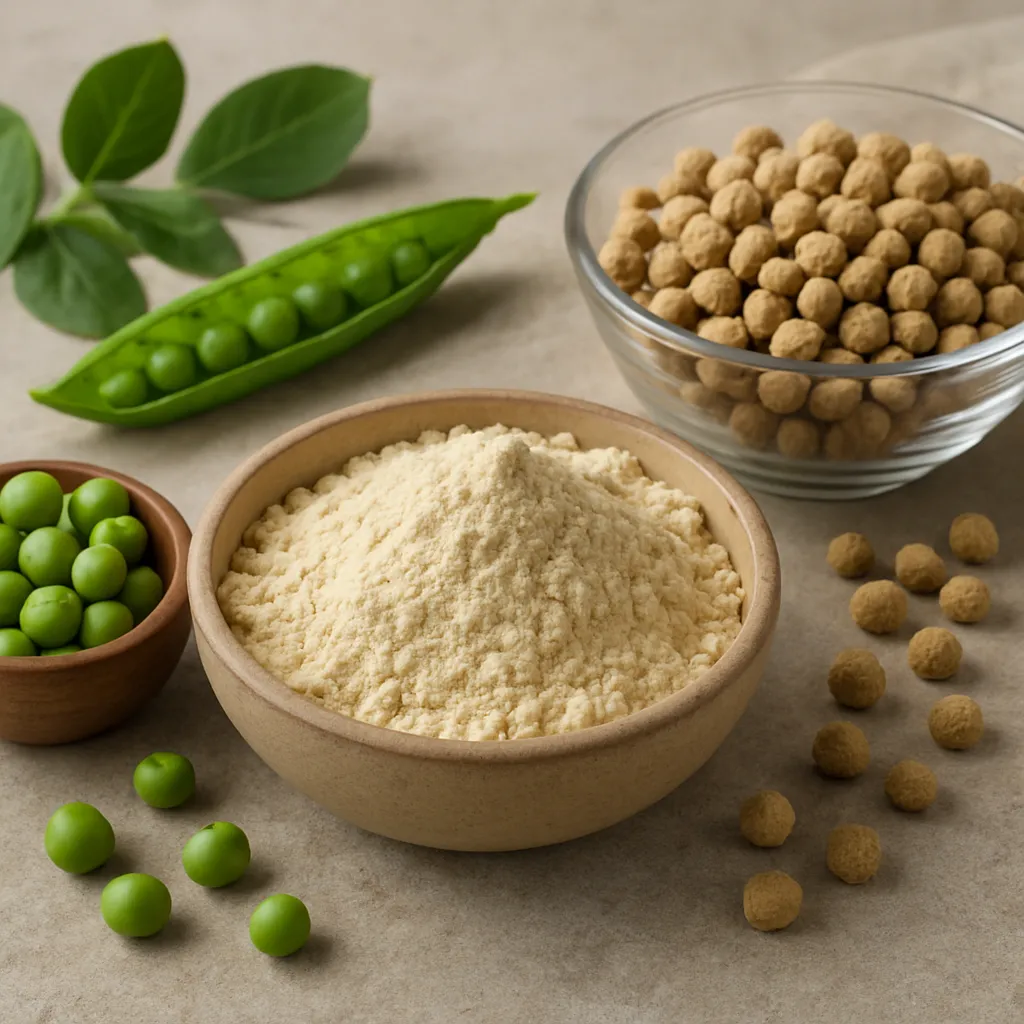
Turning raw peas into high-value protein ingredients requires specialized processing technologies. The choice of method affects functional properties, cost, and environmental footprint:
- Dry fractionation: A lower-energy method that separates protein-rich fractions via milling and air classification. It is often praised for a smaller environmental footprint and simpler water management, but can yield proteins with different textural properties than wet-extracted isolates.
- Wet extraction and isolation: Uses aqueous extraction, centrifugation and drying to produce isolates with higher protein content and specific functionality for meat analogues and beverages. This method can be more capital- and water-intensive.
- Emerging methods: Enzymatic treatments, membrane filtration and fermentation can enhance flavor, digestibility and texturization. These innovations exemplify industry innovation that aims to narrow sensory gaps between plant and animal proteins.
Scaling processing capacity is a major bottleneck. Investments in regional processing hubs reduce shipping of low-value raw peas and permit centralized quality control. Vertical integration—where agribusinesses provide contracting, processing and branded products—can streamline the flow from farm to shelf. However, capital costs and operational expertise remain barriers for smaller players, emphasizing the role of partnerships and public-private investment programs.
Regional Market Patterns and Trade Flows
Geographical variation shapes how the pea protein market evolves:
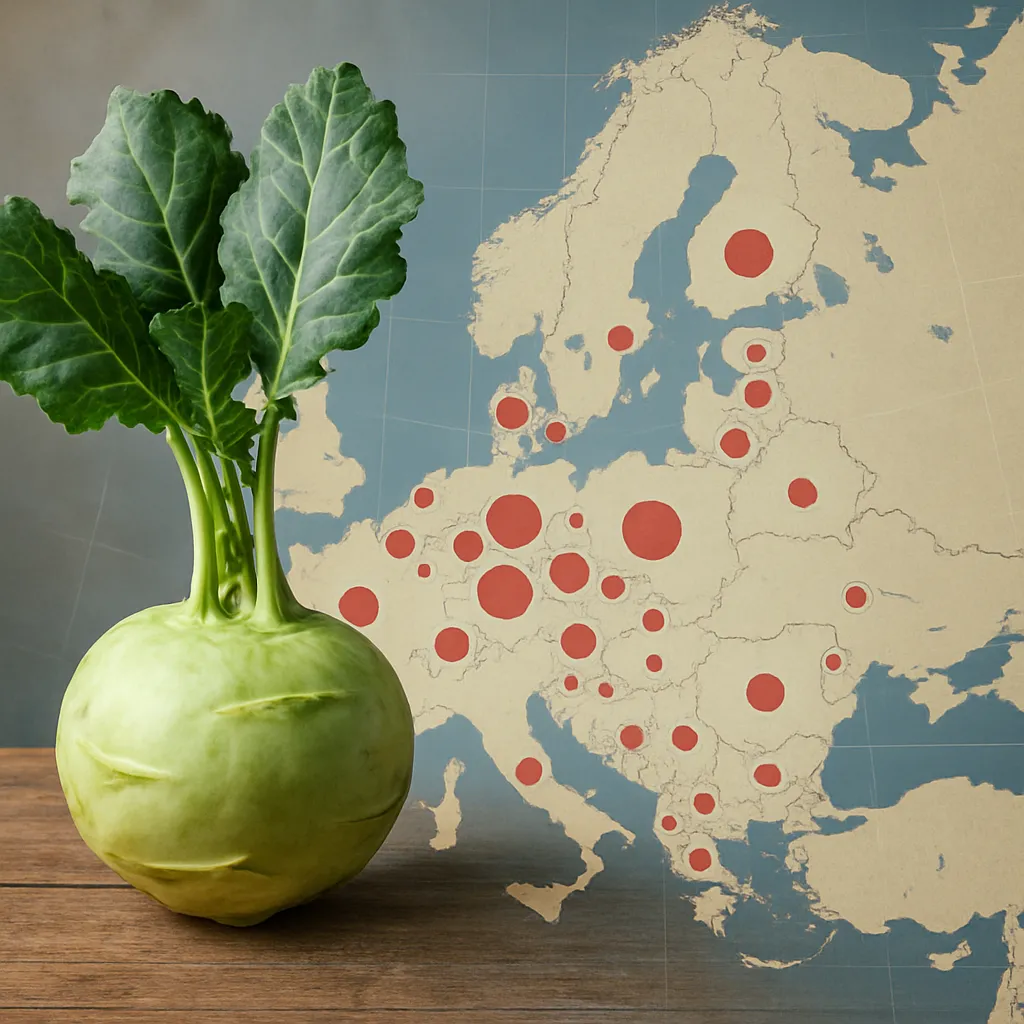
- Europe: High consumer interest in plant-based diets and strong policy momentum around sustainability have driven early adoption of pea protein. Northern and Eastern Europe supply much of the raw pulse volumes, while Western Europe hosts significant processing and product innovation centers.
- North America: Demand from the U.S. and Canada has spurred contract farming in pulse-growing regions, with processors investing in scalable technology. The U.S. market often leans toward high-growth retail categories and sports nutrition.
- Asia-Pacific: Rapid urbanization and rising health awareness create large potential markets. China’s growing middle class and interest in alternative proteins present a major demand opportunity, but local supply chain development and taste preferences will determine uptake speed.
- Latin America and Australia: These regions offer expanded arable land suitable for pulses. Export-oriented production systems may evolve as global buyers seek diversified sourcing to mitigate regional supply disruption risks.
Global trade flows of raw pulses and processed pea protein are affected by tariffs, phytosanitary rules, and transportation logistics. Seasonal production peaks and storage limitations mean that effective supply chain planning and expanded storage infrastructure are crucial to balance availability and price stability across markets.
Challenges: Quality, Perception and Policy
Despite the momentum, several obstacles could slow or redirect growth:
- Quality consistency: Food manufacturers require consistent functional properties (solubility, emulsification, foaming) and flavor profiles. Variability in raw material leads to formulation challenges and potential shelf-life issues.
- Flavor and sensory barriers: Pea-derived ingredients can carry beany notes or off-flavors without proper processing. Tailoring processing to remove or mask these flavors is essential for consumer acceptance.
- Competition with other proteins: Soy, whey, and novel proteins (e.g., microbial or cellular) continue to compete for market share. Each protein offers distinct cost structures and sensory properties that influence industry choices.
- Regulatory and labeling clarity: Claims about protein content, allergen statements and environmental impact require clear regulatory frameworks. Harmonized standards and certification schemes can help build trust among buyers and consumers.
- Farmer adoption barriers: Smallholder and resource-limited farmers may lack access to improved seed, agronomic extension or guaranteed markets, limiting their ability to participate in higher-value pea protein supply chains.
Opportunities for Stakeholders: Farmers, Processors and Policymakers
Strategic action across the value chain can unlock benefits for multiple stakeholders:
For farmers
- Negotiate long-term contracts with processors to secure price premiums and technical support for producing food-grade peas.
- Adopt improved varieties tailored for protein content and disease resistance, and implement best practices for harvest and storage to preserve quality.
- Leverage crop rotation benefits to reduce input costs and increase overall farm system resilience.
For processors and manufacturers
- Invest in modular processing capacity in key production regions to reduce logistics costs and improve traceability.
- Collaborate with breeders and agronomists to create feedback loops that align raw material characteristics with processing needs.
- Focus on product innovation—flavor masking, hybrid protein blends and texturization—to broaden application spaces and consumer appeal.
For policymakers and development actors
- Encourage public research on pulse agronomy, post-harvest handling and low-water processing technologies to lower barriers for producers and processors.
- Support infrastructure—rural roads, storage, processing clusters—that facilitates market access and reduces post-harvest losses.
- Design extension and financing programs that help smallholders participate in value chains, including training on quality standards and contract negotiation.
Emerging Trends and Strategic Outlook
Several longer-term trends will shape the path forward for the pea protein sector:
- Ingredient diversification: Expect more blended proteins that combine pea with other plant proteins or with functional isolates to achieve targeted textures and nutritional profiles.
- Decentralized processing models: Smaller, mobile or modular plants may decentralize value creation, allowing regional value capture and reduced transport emissions.
- Data-driven supply chains: Traceability and quality assurance powered by digital tools (remote sensing, blockchain-style recordkeeping) can improve trust and coordination among farmers, processors and buyers.
- Investment in innovation: Ongoing R&D in breeding, processing and formulation will be key to overcoming sensory limitations and reducing production costs.
As the sector matures, alignment between agricultural production systems and food industry needs will be crucial. Collaborative approaches that link farm-level practices, processing technology and market development create the best conditions for sustainable scale-up. The evolving landscape offers opportunities to reconfigure traditional commodity markets around higher-value, quality-driven processes that benefit producers and consumers alike.