The globalization of agricultural markets has altered the landscape for many staple crops, and garlic is no exception. Rising volumes of garlic arriving from major Asian exporters have reshaped price signals, distribution networks, and strategic choices for growers across Europe. This article examines the market dynamics behind Asian imports, the pressures they impose on local producers, the structure of contemporary supply chains, and possible policy and business responses to preserve both rural livelihoods and long-term sustainability of European agriculture.
Market dynamics: Asian garlic and global trade flows
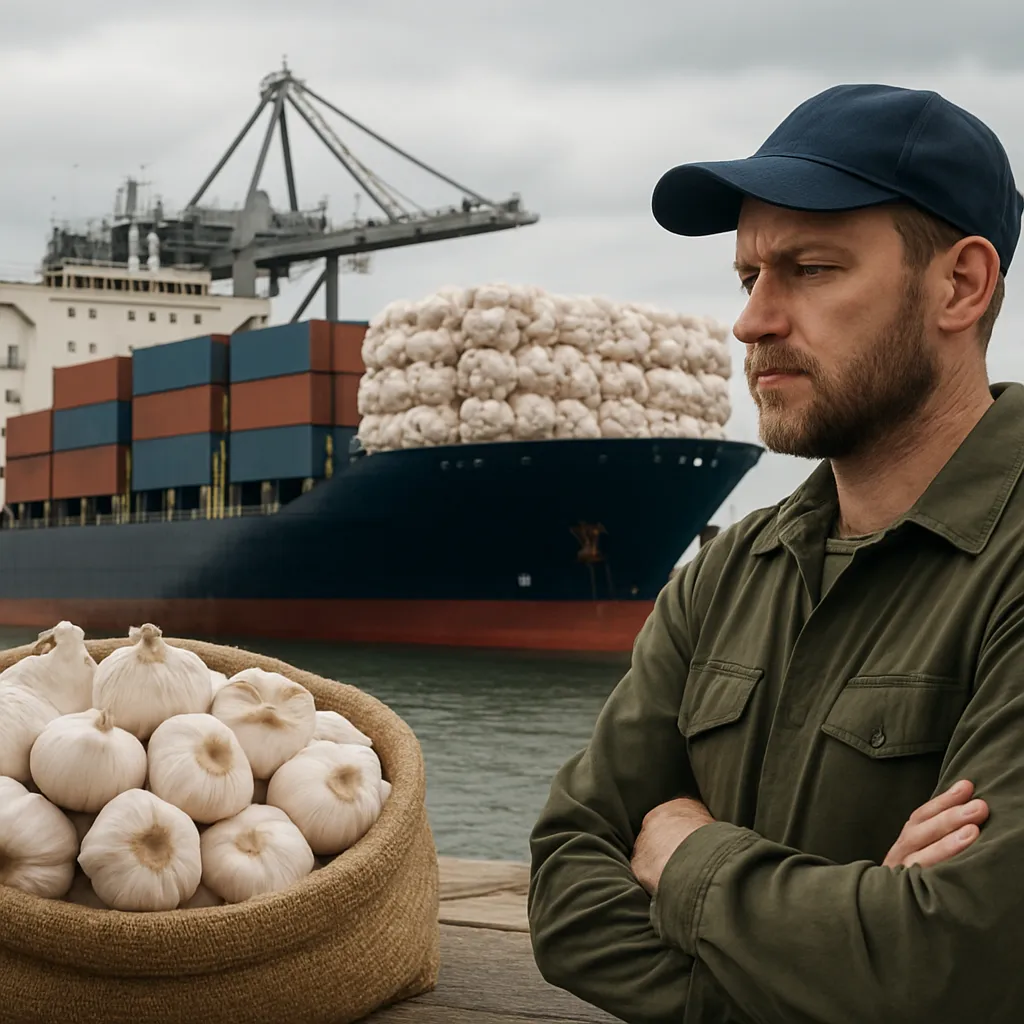
Over the last two decades, a combination of scale economies, climatic advantages, and specialized processing capacity has allowed several Asian countries to expand their presence in global garlic markets. China stands out as the dominant exporter, with other regional players contributing to fluctuating volumes and seasonal availability. Lower production costs, driven by input choices, labor conditions, and highly concentrated production zones, have translated into consistently competitive offers on international markets.
Price formation and seasonality
International imports influence price formation in European wholesale markets. When large shipments from Asia arrive during the European offseason, they often set the floor price, limiting the ability of domestic growers to negotiate higher returns. Seasonality remains critical: European production peaks in mid-summer and autumn, while imports can arrive year-round thanks to storage and cold-chain logistics. This ability to smooth supply creates downward pressure on prices precisely when local farmers would otherwise capture premium returns.
Product segmentation and value-added
Asian exporters have not only competed on bulk, raw garlic but increasingly on processed forms: peeled cloves, chopped or frozen garlic, and even ready-to-use purees packaged for foodservice and retail chains. These products often benefit from economies of scale in large processing facilities, allowing exporters to offer both low unit costs and convenience—two attributes that appeal to modern buyers. This diversification intensifies competition along multiple nodes of the value chain, not just in fresh market stalls.
Impact on European producers: economic and structural effects
The import-led price competition has several concrete consequences for local producers. Short-term effects show up in reduced margins and cash-flow stresses for smaller operations. In the medium term, structural changes occur: farmland may shift to alternative crops, investment in mechanization may slow, and generational renewal can be jeopardized if farming is seen as financially unattractive.
Smallholder vulnerability and market exit
Many European garlic growers operate on relatively small plots with higher per-unit production costs. Persistent low-price equilibria caused by cheap imports make it difficult for these farms to cover fixed costs and labor. As a result, some producers either exit the market or transition to niche, high-quality, or certified production systems that can command a premium. These transitions, however, require investment and market access that are not uniformly available.
- Income compression: Lower wholesale prices reduce net farm income, increasing the risk of indebtedness.
- Land-use change: Garlic hectares may be converted to more profitable crops or left fallow.
- Labor implications: Declining viability can lead to seasonal labor reductions and loss of specialized skills.
Quality differentiation as a defensive strategy
To counter mass-market competition, some European producers pursue differentiation. Protected designations, strict quality standards, and traceability schemes can justify higher retail prices. Products marketed as artisanal, organic, or regionally unique may escape direct comparison with bulk imports. Yet, scaling such differentiation is challenging, and not all producers have the capacity to access premium supply chains.
Supply chains, consumer preferences, and environmental considerations
Modern food systems link farms to consumers through complex logistics and retail relationships. The rise of large retailers in Europe, combined with centralized procurement and year-round assortment expectations, has favored suppliers who can provide consistent volumes at low cost. That structural buyer power amplifies the impact of low-priced Asian imports on European markets.
Logistics and storage
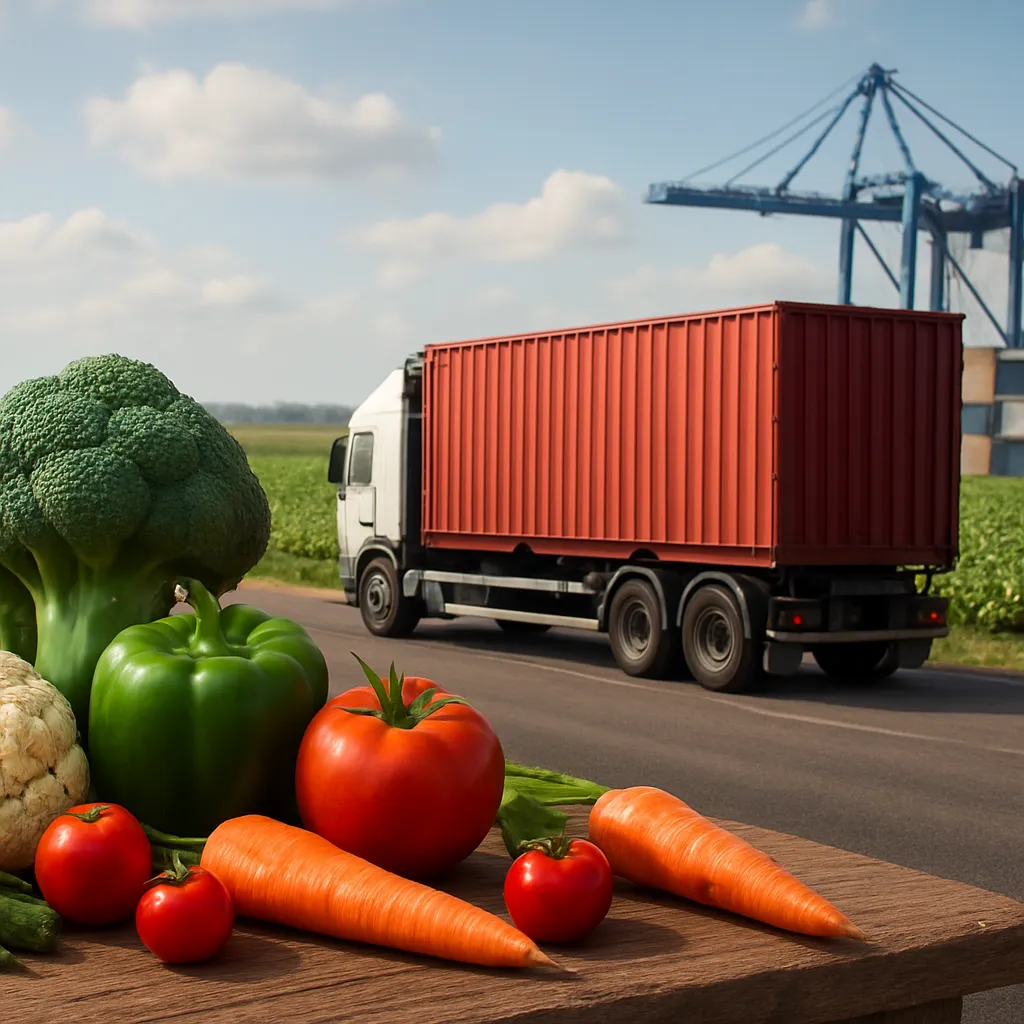
Advanced cold-chain systems and long-term storage technologies mean that garlic grown in Asia can remain competitive across seasons. This creates a persistent presence that undermines temporal price spikes that local producers might otherwise enjoy. Transportation efficiencies, containerization, and large freight networks reduce the marginal cost of shipping, reinforcing the presence of imports in European wholesale markets.
Environmental and social trade-offs
Competition based primarily on low cost raises questions about externalities. Intensive production models in exporting regions can involve high water use, mono-cropping, and inputs whose environmental and social costs may not be fully internalized in exported prices. Conversely, some European producers adopt more sustainable practices—organic cultivation, crop rotation, reduced pesticide use—that carry higher costs but offer environmental benefits. Consumers increasingly express interest in these attributes, but willingness to pay varies across segments and markets.
Policy responses, cooperative strategies and market innovations
Policymakers, grower organizations, and private actors have several levers to respond to the competitive pressures generated by Asian garlic. Responses range from trade measures to structural support for innovation and market access improvements.
Trade measures and regulation
At the international level, governments can investigate unfair trade practices and apply anti-dumping duties or safeguards when justified by evidence. Such actions are episodic and often contested, but they can provide temporary relief that allows domestic sectors to reorganize. Equally, sanitary and phytosanitary standards—when transparently applied—can raise the bar for imported products, though such standards must align with World Trade Organization rules to avoid unintended trade disputes.
Supporting producer competitiveness
Rather than rely solely on protection, many experts advocate strengthening the competitiveness of European garlic through targeted investments:
- Mechanization grants to lower per-unit harvesting and processing costs.
- R&D into improved varieties, yield stability, and pest resilience.
- Promotion of quality schemes—Protected Designation of Origin (PDO) or certified organic labels—to capture premium market segments.
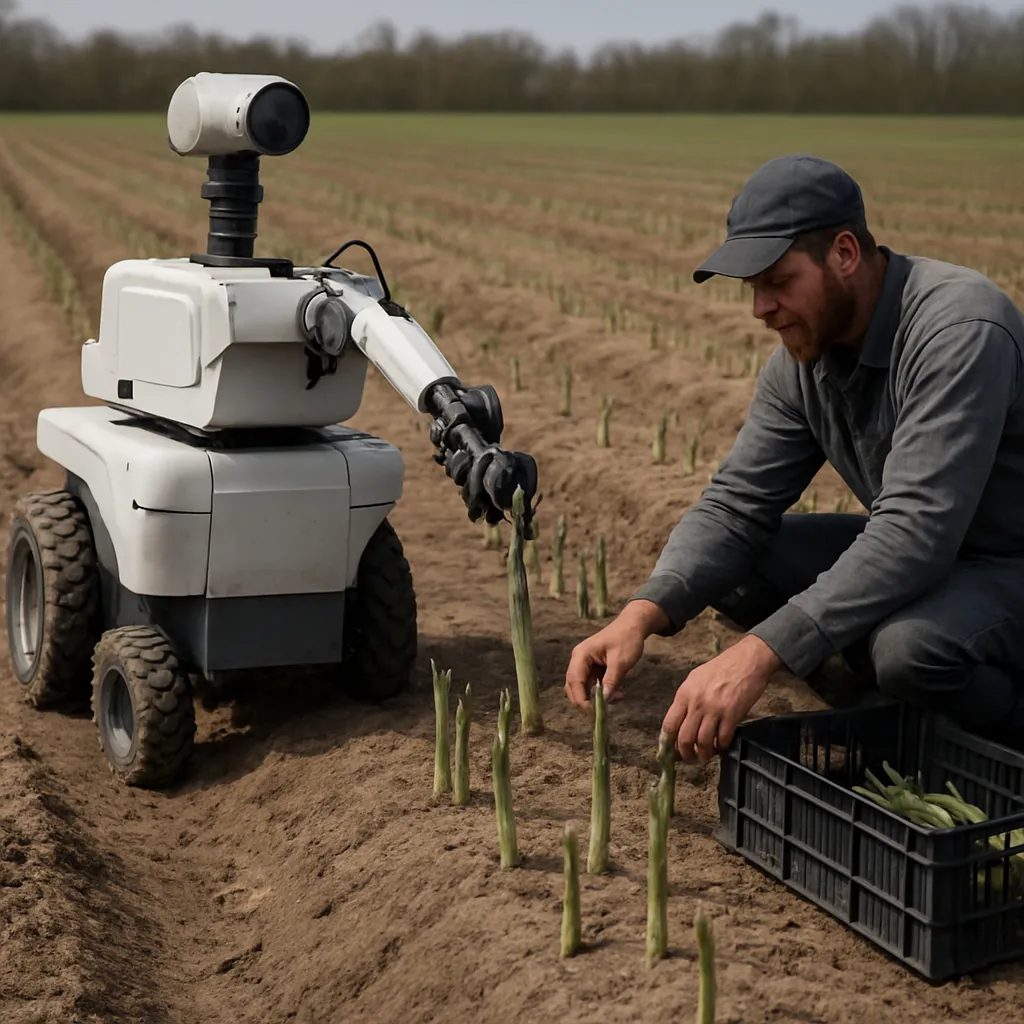
- Capacity building for marketing and direct-to-consumer sales, including e-commerce platforms that shorten the value chain.
Cooperatives and collective marketing
Forming cooperatives enables small-scale growers to pool production, stabilize supply, invest in shared processing facilities, and negotiate better terms with large buyers. Collective branding can communicate agricultural practices and regional identity that differentiate European garlic in crowded markets. Well-managed cooperatives also improve bargaining power and facilitate access to technology and finance.
Innovation in consumer engagement
Producers and retailers can jointly design campaigns that highlight the provenance, taste, and environmental credentials of locally grown garlic. Culinary tourism, farmers’ markets, and partnerships with chefs and foodservice can create stable demand for differentiated products. Digital traceability tools can provide consumers with information on origin, production practices, and carbon footprints, enabling more informed purchasing decisions.
Paths forward: balancing open markets and local resilience
The situation facing European garlic producers exemplifies broader tensions in agricultural trade policy: the benefits of open markets for consumers and processors versus the need for resilient rural economies and environmentally sound production. A balanced approach combines selective trade enforcement when warranted; investments to reduce production costs and add value; and stronger market linkages that reward sustainable, high-quality local production. For many growers, the future will depend on the ability to innovate operationally, organize collectively, and connect with consumers who value more than the lowest possible price.