The cultivation of rice in Europe occupies a distinctive niche at the intersection of agronomy, economics, and environmental stewardship. This article examines the current state of rice production across European regions, the structure and dynamics of agricultural markets, and how producers, processors, and policymakers navigate an evolving set of challenges and opportunities. Attention is given to the role of innovation, trade flows, and ecological considerations that influence competitiveness and resilience. The following sections explore market forces, production systems and environmental constraints, and policy and technological pathways that could shape the future of rice in Europe.
Agricultural markets and the place of rice
Rice remains a globally traded staple, but its role in European agriculture reflects both regional specialization and shifting consumer preferences. In southern Europe—particularly in Italy, Spain, Greece, and parts of Portugal—paddy cultivation occupies irrigated plains and deltaic areas where climatic and soil conditions allow competitive production. While the European bloc is a net market for many agricultural commodities, rice is unique: some varieties enjoy domestic protection and niche market premiums, while others face intense competition from imported supplies.
Key market drivers include supply-demand balances, international prices, trade policies, and consumer demand for differentiated products such as organic or protected designation of origin (PDO) rice. The European rice sector also contends with the volatility of input and energy prices, which affect production costs, and with currency fluctuations that influence the competitiveness of exports and imports. Traders, millers, and retailers are increasingly responsive to traceability and quality signals, creating opportunities for producers to capture premiums through verifiable standards and branding.
Market segmentation and value chains
- Commodity rice: bulk, price-driven sales that respond quickly to global supply shifts.
- Specialty rice: aromatic, risotto-quality, and heirloom varieties with higher margins and stronger ties to regional identity.
- Organic and sustainable rice: producers who meet stringent standards and certification requirements often secure loyal consumer segments and institutional buyers.
Value chain dynamics influence how profits are distributed from field to fork. Milling and processing capacity are critical nodes: modern mills improve milling recovery and grain quality, enabling producers to reach premium markets. Logistics—particularly efficient handling of moisture-sensitive grain—can make a decisive difference in meeting both domestic and export contracts.
Production systems, sustainability and climate challenges
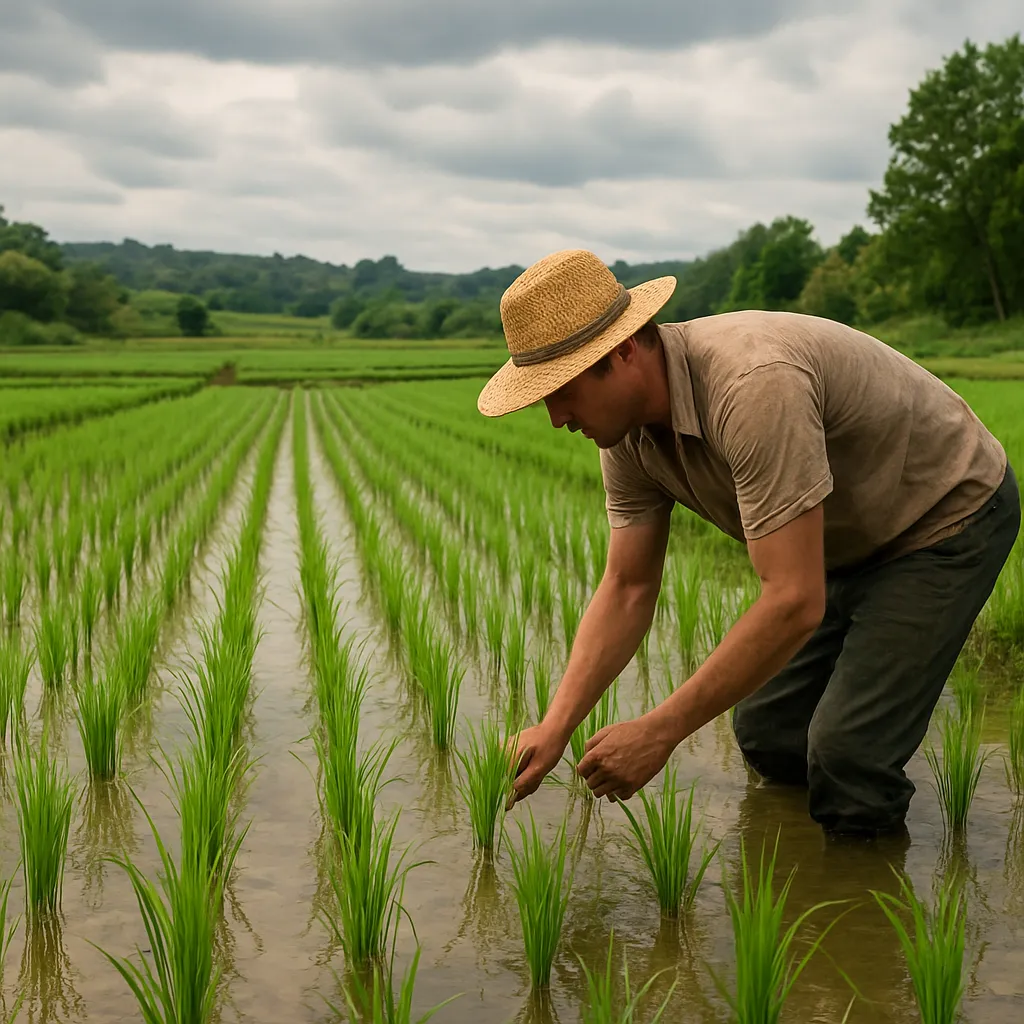
European rice cultivation relies heavily on controlled water management. The traditional flooded paddy system contributes to a distinct agroecosystem but presents both environmental concerns and adaptation challenges under changing climate regimes. Water scarcity episodes, shifts in precipitation patterns, and rising temperatures are prompting farmers and researchers to rethink cultivation practices to maintain yields and limit ecological impacts.
Water management and irrigation strategies
Because rice is typically grown in paddy fields, efficient irrigation and drainage systems are crucial. European producers are experimenting with alternative approaches such as alternate wetting and drying (AWD), direct-seeded rice, and improved scheduling to reduce water use while preserving grain quality. These methods can lower methane emissions and reduce water consumption, but they require careful management to avoid yield penalties and changes in weed and pest dynamics.
Soil health, biodiversity and agroecology
Maintaining soil fertility and fostering on-farm biodiversity are increasingly central to resilient rice systems. Crop rotations that integrate legumes or other cereals can improve nitrogen cycling and reduce disease pressure. Field margins, hedgerows, and water management structures support wetland species and beneficial insects, connecting production goals with conservation commitments. The challenge lies in balancing intensification to secure adequate yield with strategies that preserve ecosystem services.
Pest and disease pressures are shifting in response to changing climates and cropping patterns. Integrated pest management (IPM), improved varietal resistance, and targeted use of biocontrols are part of a diversified toolkit to reduce reliance on broad-spectrum pesticides while sustaining productivity.
Policy, trade and economic opportunities
Public policy frames much of the economic reality for European rice growers. Agricultural subsidies, environmental cross-compliance measures, and rural development funds influence planting decisions and investments in infrastructure. Trade agreements and tariffs shape price signals and access to export markets, while sanitary and phytosanitary standards determine the feasibility of international trade for specific cultivars.
Support mechanisms and regulatory constraints
European agricultural policy has increasingly emphasized environmental outcomes, which affects rice through water-use restrictions, incentives for conservation practices, and conditional payments for ecosystem services. At the same time, producers benefit from risk management tools, research and extension services, and co-investment in irrigation modernization. The challenge for policymakers is to design frameworks that reconcile environmental objectives with the economic viability of farms.
- Payments for eco-schemes: designed to reward practices that reduce emissions, conserve habitats, or promote water efficiency.
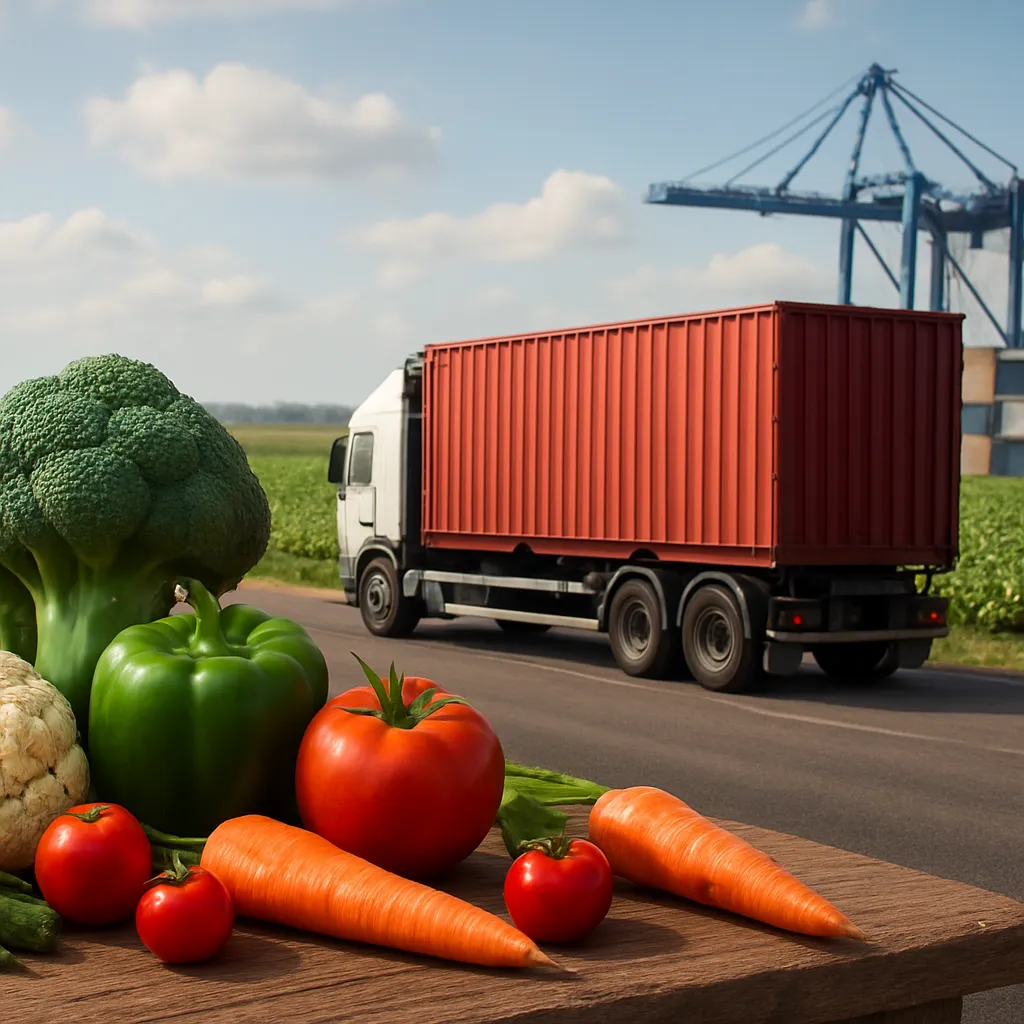
- Trade facilitation: streamlined certification and port infrastructure can reduce costs for rice exporters.
- Research funding: public investments in breeding, pest diagnostics, and climate adaptation technologies help sustain long-term competitiveness.
Strategic branding and geographical indications (GIs) present opportunities for European producers to differentiate products and capture higher value. Consumers who prioritize origin, culinary tradition, or environmental credentials are often willing to pay premiums that offset higher production costs in Europe compared with some low-cost global suppliers.
Innovation, technology and future pathways
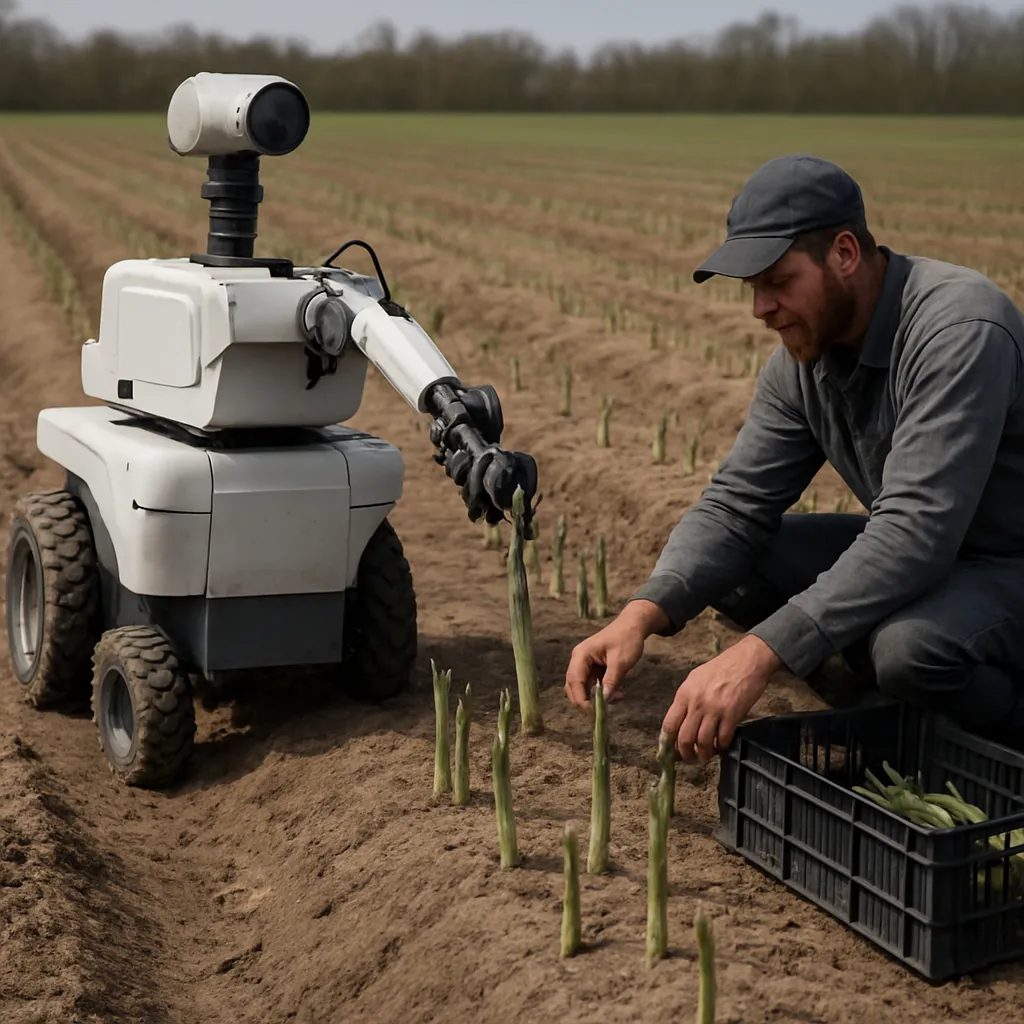
Technological innovation plays a pivotal role in shaping the future of rice cultivation in Europe. Precision agriculture, breeding for stress resilience, and digital platforms for market information help farmers optimize inputs, reduce environmental footprints, and respond rapidly to market signals. Investments in mechanization can reduce labor bottlenecks and enhance timeliness of operations—critical factors for paddy rice where planting and harvesting windows are narrow.
Breeding and genetics
Modern breeding programs aim to deliver varieties adapted to European agro-climatic conditions: shorter growing cycles, improved cold tolerance for early season planting, and resistance to region-specific pests and diseases. Genetic improvements that enhance nitrogen-use efficiency or water-use efficiency can reduce input requirements and improve sustainability metrics.
Digitalization and farm management
Farm-level decision support systems, including remote sensing for field moisture monitoring and yield forecasting, allow more responsive management. Digital marketplaces and traceability platforms connect producers directly with processors and retailers, enabling better price discovery and stronger relationships across the value chain. These tools are particularly useful for small and medium-sized producers seeking ways to participate in higher-value markets.
- Benefits of technology: improved efficiency, lower emissions intensity per ton produced, and better quality control.
- Barriers: upfront investment costs, knowledge transfer gaps, and the need for interoperable data systems.
Collective action—through cooperatives, producer associations, and contract farming—can spread risk and lower transaction costs for investments in shared infrastructure such as drying facilities, storage, and milling upgrades. These arrangements also facilitate compliance with certification schemes that open doors to niche markets.
Financing, risk management and market integration
Access to timely financing and risk management instruments is essential for farmers to adopt innovations and survive price and weather shocks. Insurance products tailored to yield and weather risks, as well as forward contracts and futures, can stabilize incomes and encourage longer-term investments. Financial institutions and development programs are increasingly designing products that reward sustainable practices and provide concessional terms for green investments.
Market integration within the European Union and with external partners continues to shape strategic decisions. Logistic improvements, harmonized standards, and predictable trade rules reduce barriers to movement of grain and processed rice products, supporting a more efficient allocation of production across regions with comparative advantage.
Key considerations for investors and stakeholders
- Assess regional comparative advantages: climate, water availability, and proximity to consumer markets.
- Prioritize investments that improve quality and traceability to capture premium segments.
- Support farmer education and extension to maximize returns from new technologies and practices.
By aligning market signals, technological progress, and environmental stewardship, the European rice sector can navigate a complex landscape of constraints and opportunities. Emphasizing resilience, collaboration, and targeted policy support will be critical to sustaining production that is economically viable and environmentally responsible.