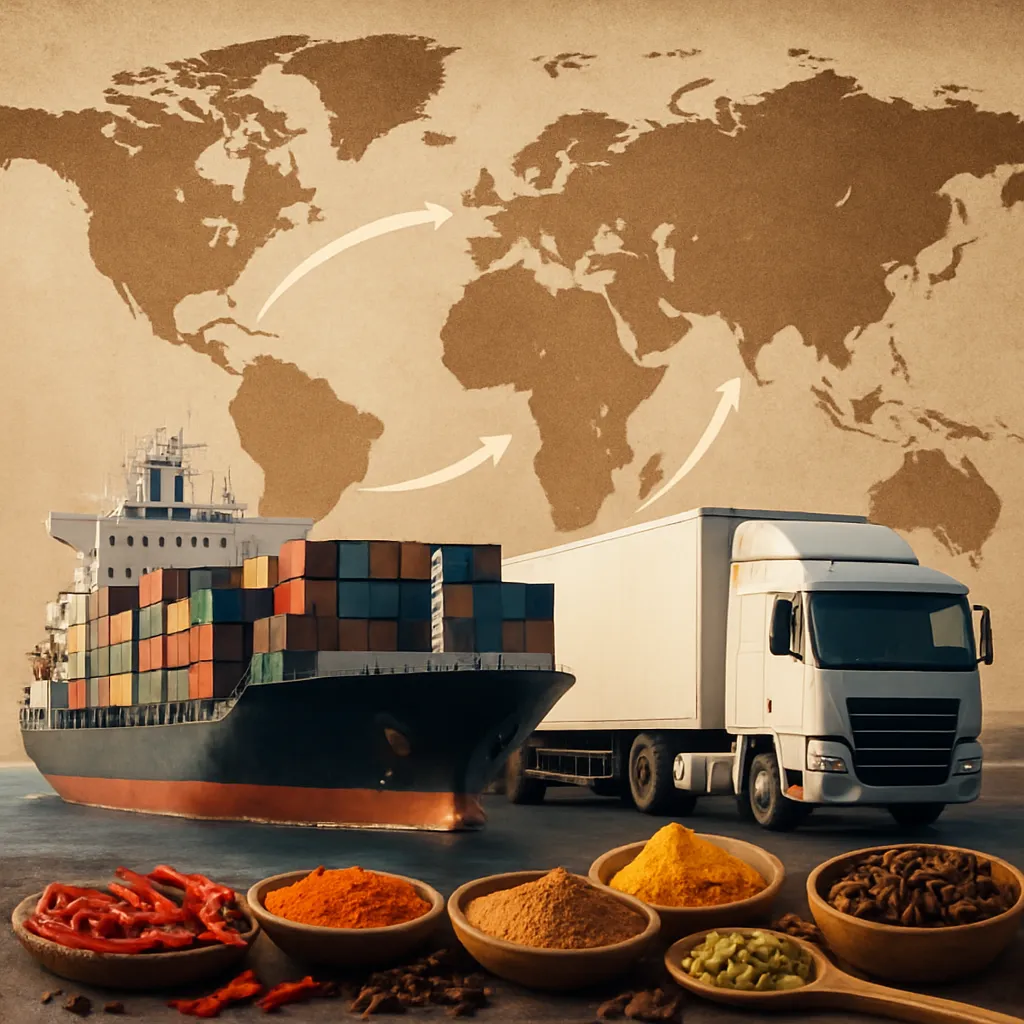
The global spice trade is undergoing a period of rapid transformation as consumer tastes evolve, sourcing patterns shift and new technologies reshape how agricultural commodities move from field to fork. This article explores the dynamics of the spice market within the broader context of agricultural markets, detailing the drivers of expansion, the structural changes to supply chains and the implications for producers, processors and buyers across regions.
Market growth and demand-side drivers
Rising disposable incomes, increased international migration and the rise of globalized cuisine have combined to push demand for culinary and medicinal spices beyond traditional markets. Consumers in North America, Europe and East Asia are exploring more diverse flavors, while domestic consumption in producing countries is also growing. The growing interest in natural ingredients and functional foods has elevated the profile of spices as sources of antioxidants and bioactive compounds.
Several interlinked forces underpin this expansion:
- Growth in global trade and retail access, enabling new products to reach consumers quickly.
- Changing consumer preferences toward authentic, specialty and organic products.
- Foodservice and convenience sectors integrating ethnic flavors into mainstream menus.
- Increased emphasis on food safety, quality and origin labeling.
These trends mean the market is not only expanding in volume but also becoming more segmented. Premium and specialty categories are commanding higher margins and attracting investment in processing and branding. At the same time, commodity-grade spices remain central to bulk trade and industrial food manufacturing.
Supply chain transformation: from farm to global shelves
Fragmentation and consolidation
Spice value chains are diverse. Many spices are produced by smallholder farmers operating on fragmented plots, while a smaller portion comes from large plantations or corporate farms. This fragmentation poses challenges for standardization and scalable quality control. Yet, downstream consolidation—through large processors, exporters and food companies—has increased bargaining power toward processors and buyers.
Traceability and quality assurance
Buyers and regulators demand greater transparency. Leveraging digital tools for traceability has become a competitive advantage. Traceable value chains reduce contamination risks (such as aflatoxins or pesticide residues), strengthen market access and enable claims like single-origin or organic certification. For many firms, investments in traceability systems are a route to accessing premium markets.
Logistics and infrastructure shifts
Global logistics networks for spices are being reshaped by both market opportunities and disruptions. Improvements in cold-chain logistics are less relevant for most dried spices, but storage facilities, packaging technologies and inland transport are critical to preserve quality. Investments in centralized processing hubs near ports or growing regions reduce lead times and lower post-harvest losses.
Logistics costs and port efficiency now influence sourcing decisions as much as crop yields. When supply chain disruptions affect availability — for example, through extreme weather events or geopolitical tensions —companies adapt by diversifying suppliers or by investing in local processing capacity to shorten the supply chain.
Producers under pressure: climate, labor and livelihoods
Small-scale producers who supply many spice crops face multiple, simultaneous pressures. Climate variability affects planting dates, yields and quality, with temperature and rainfall shifts altering the chemical profiles that determine spice aroma and potency. Exporters and brands that require consistent flavor profiles are particularly vulnerable to quality fluctuations.
Labor shortages and rising wage pressures affect harvesting-intensive spices such as saffron, cardamom or vanilla. In many producing regions, younger generations are leaving rural areas for urban centers, creating gaps in farm labor and threatening continuity of traditional cultivation knowledge. These socioeconomic shifts are part of a broader reconfiguration of agricultural labor markets.
To manage these risks, producers and their partners are pursuing strategies such as:
- Adopting resilient crop varieties and improved agronomic practices.
- Forming cooperatives or producer organizations to gain scale and bargaining power.
- Seeking certifications (organic, fair trade) that can increase income per unit and improve market access.
A sustained focus on smallholders and their capacity-building is essential for stable supply. Without investment in extension services, access to finance and market linkages, the structural vulnerabilities of the spice supply base will persist.
Technology, innovation and new business models
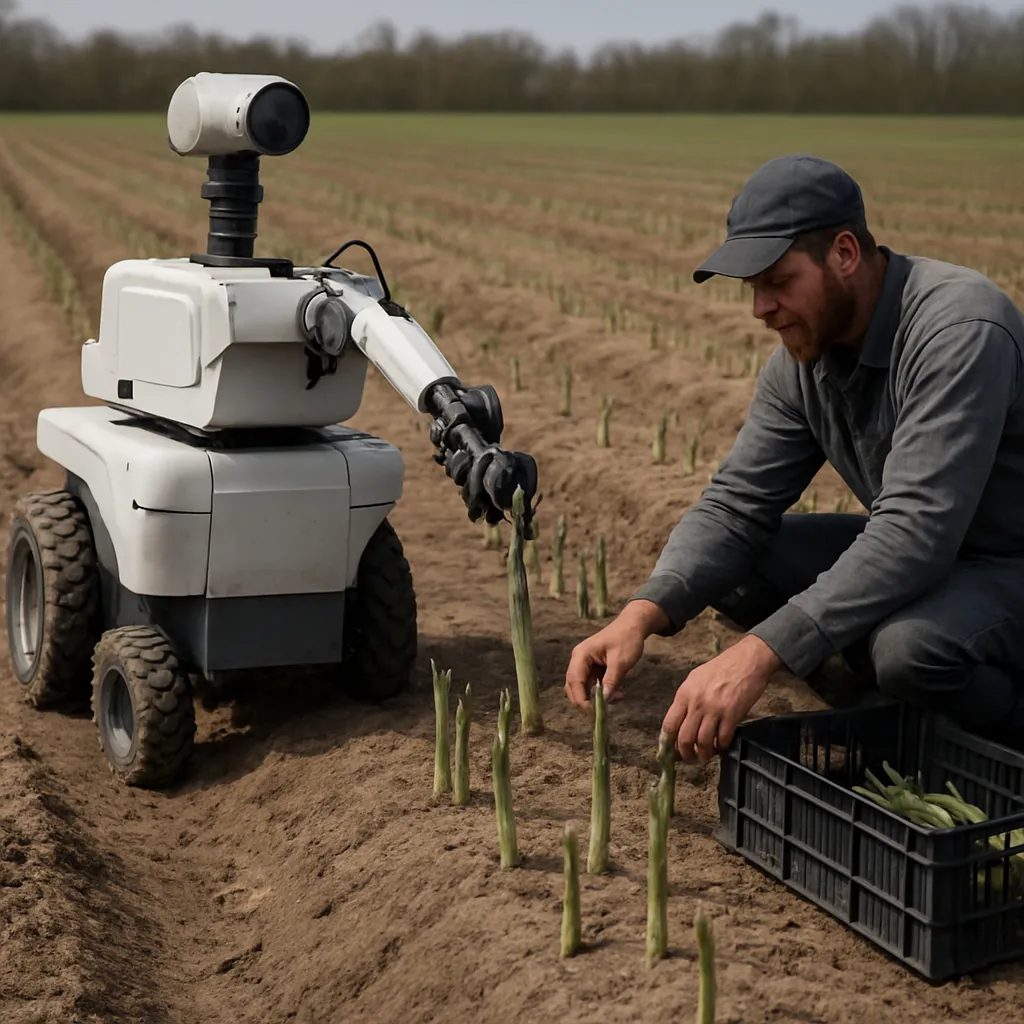
Technological innovation is altering both cultivation and commercial pathways. Precision agriculture tools, remote sensing and mobile advisory services help optimize inputs and detect pests earlier. On the commercial side, blockchain pilots and cloud-based traceability platforms provide immutable records of origin, processing steps and certification status, although scalability and cost remain concerns for small producers.
Innovations are visible across the value chain:
- Field level: drought-tolerant varieties, drip irrigation and integrated pest management improve resilience and reduce chemical use.
- Processing: advanced drying, milling and packaging retain volatile compounds and extend shelf life.
- Certification and data: decentralized ledgers and QR codes allow consumers and buyers to verify claims quickly.
Startups are also experimenting with direct-to-consumer models that connect producers and consumers, bypassing traditional intermediaries. These models can increase producer margins but require brand-building, logistics capabilities and trust mechanisms to scale.
Trade policy, geopolitics and market access
Tariffs, sanitary and phytosanitary regulations, and non-tariff barriers shape international spice flows. Sourcing strategies increasingly incorporate geopolitical risk assessments: firms diversify suppliers across countries and regions to avoid concentration risk. Trade agreements that harmonize standards or reduce tariff barriers can open export opportunities for producing nations, while protectionist measures can disrupt established flows.
Emerging trade dynamics include:
- A rising share of intra-regional trade within Asia, Africa and Latin America.
- Shifts in processing footprints as companies relocate to reduce lead times or access preferential trade regimes.
- Greater scrutiny over labor practices and environmental impacts as importing countries tighten compliance requirements.
For producing countries, aligning national standards with importing country requirements and investing in laboratory infrastructure for testing are critical steps to maintain and expand market access.
Environmental and sustainability considerations
Pressure to make spice production more sustainable touches multiple layers—from soil health and biodiversity to water use and deforestation. Buyers increasingly require evidence of sustainable sourcing, prompting value-chain actors to adopt practices that conserve resources and reduce emissions. Sustainable sourcing programs often bundle technical assistance, financial incentives and market commitments to shift practices at scale.
Key sustainability concerns include:
- Soil degradation from mono-cropping and overuse of agrochemicals.
- Water stress in regions cultivating water-intensive crops.
- Biodiversity loss when natural habitats are converted to plantations.
Addressing these concerns requires integrated approaches that combine agronomy, policy and market incentives. Programs that support regenerative practices and reward carbon sequestration could become increasingly relevant in the spice sector.
Opportunities for value addition and rural development
Processing and branding add disproportionate value to raw spice commodities. By investing in local processing facilities, packaging and quality control, producing countries can capture greater shares of the final retail price and create rural employment. Value addition strategies also include specialty product development—single-origin lines, spice blends, extracts and essential oils.
Public-private partnerships can catalyze these shifts by financing infrastructure, training workers and supporting marketing efforts that highlight origin and quality. These initiatives also create pathways for women and marginalized groups to participate in higher-value roles across the value chain.
Risk management and strategic recommendations
Given the volatility of commodity markets and the complexity of modern supply chains, a multi-pronged risk management approach is essential. Key recommendations for stakeholders include:
- For producers: diversify crops and markets, invest in quality-preserving post-harvest infrastructure and join producer organizations to increase negotiating power.
- For buyers/processors: invest in supplier development, transparent traceability systems and local processing partnerships to stabilize supply and improve margins.
- For policymakers: support testing and certification infrastructure, facilitate access to finance for smallholders and align national standards with major import market requirements.
- For donors and development organizations: prioritize capability-building, climate-smart agriculture and inclusive value-chain interventions that enable equitable benefit sharing.
Strategic attention to diversification and resilience, combined with targeted investments in technology and capacity-building, will be decisive in shaping the next decade of the spice trade. As demand continues to rise, the ability of value chains to deliver consistent quality, ensure environmental stewardship and provide fair returns to producers will determine which markets expand sustainably and which face instability.
Emerging trends to watch
Several emerging trends will likely influence future trajectories:
- Premiumization and storytelling: Consumers will pay more for traceable, story-driven products that emphasize origin and farmer livelihoods.
- Climate-linked supply shifts: New growing areas may emerge as climate zones shift, altering traditional production geographies.
- Automation in processing: Labor-saving technologies could change the economics of local processing and reduce post-harvest losses.
- Regenerative sourcing premiums: Buyers may pay premiums for verified regenerative practices that sequester carbon and restore ecosystems.
These trends create both opportunities and obligations. Companies and governments that proactively design inclusive, sustainable strategies will be better placed to harness market expansion while protecting rural livelihoods and ecosystems. The global spice market’s future hinges on how well stakeholders manage the twin imperatives of growth and responsibility.