The global agricultural landscape is continuously evolving, shaped by changing consumer demand, climate pressures, and technological innovation. This article examines the position of the feed beet within contemporary agrifood systems, explores its market dynamics, and outlines the benefits it offers to livestock producers. Practical agronomic considerations, processing and supply chain issues, and the larger economic and policy environment are discussed to provide a comprehensive view for farmers, traders, and advisors.
Market Dynamics and Trends
Demand drivers and price formation
Demand for root crops used in animal feed fluctuates with the broader cereals and oilseed markets but also follows unique seasonal and regional patterns. The market for feed beet is shaped by feed availability, competing feedstuffs (such as maize silage, soybean meal, and by-products), and input cost pressures. Price formation often reflects harvest yields, processing capacity, transportation costs, and policy supports like biofuel mandates or feed subsidies.
Global and regional patterns
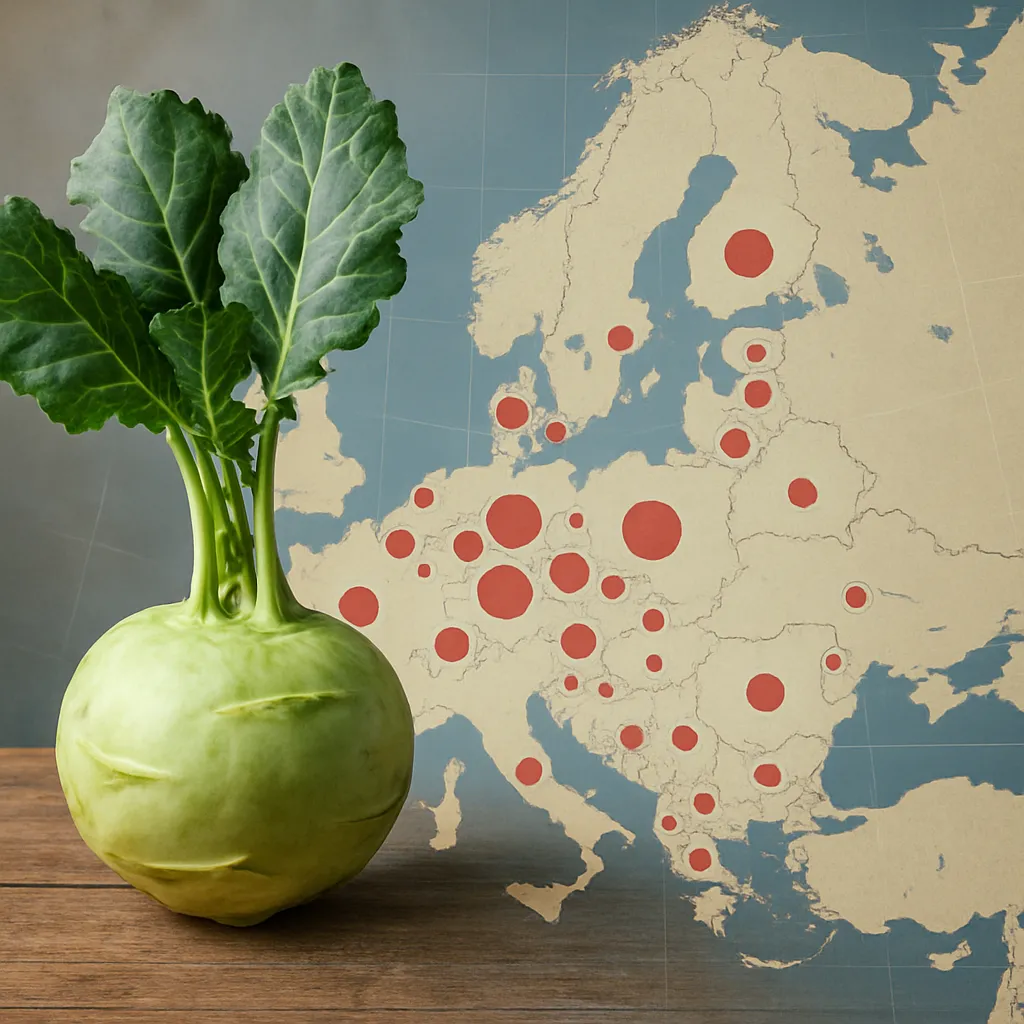
Regions with temperate climates and access to processing infrastructure tend to dominate production. Within these regions, consolidation of farms and investments in mechanization have increased scale efficiencies. Export opportunities depend on logistics and phytosanitary barriers; as a semi-perishable commodity, feed beet benefits from proximity between production zones and livestock-dense areas. Emerging markets show interest in diversified feed sources to enhance sustainability and reduce dependence on imported protein concentrates.
Market risks and resilience
Price volatility can be significant due to weather-related yield variability and shifts in input costs (fuel, fertilizer). Producers may mitigate risk via contract farming, vertical integration with processing facilities, or diversification into complementary crops. The capacity of feed beet to contribute to feed security during grain shortages enhances its role in resilient livestock systems.
Agronomy and Production Practices
Soil and climate requirements
Feed beet thrives in well-drained soils with good fertility and benefits from moderate rainfall and cool growing periods. Optimal management includes precise nutrient application and timely planting. Practices that improve soil structure and organic matter can increase yield and reduce susceptibility to pests and diseases.
Crop management strategies
- Variety selection: choosing cultivars adapted to the target environment and resistance profiles.
- Fertilization: balancing nitrogen, phosphorus and potassium to match expected uptake.
- Pest and disease control: integrated pest management reduces chemical reliance and preserves beneficial organisms.
- Irrigation and water management: targeted irrigation increases uniformity and supports late-season bulking.
- Harvest timing and techniques: coordinated harvesting maximizes sugar and dry-matter content for feed quality.
Sustainability and resource use
Improved cropping systems—rotations, cover crops, and reduced tillage—can reduce erosion and greenhouse gas emissions. When considered within a broader system, feed beet can contribute positively to nutrient cycling and land-use efficiency, supporting farm-level profitability while advancing environmental goals.
Nutritional Profile and Livestock Benefits
Composition and feeding value
Feed beet offers a mix of digestible carbohydrates, water, and varying levels of fiber and micronutrients. Its high palatability and energy density make it useful to complement forage-based rations, especially in ruminant systems. Processing and ensiling methods influence nutrient availability; correct preservation maximizes the nutritional return.
Benefits for different animal classes
- Dairy cows: improved energy intake can support higher milk yields and better body condition when balanced with rumen-available fiber.
- Beef cattle: feed beet can accelerate growth rates and improve feed conversion when included at appropriate levels.
- Sheep and goats: supplemental root crops are valuable during periods of forage scarcity or as energy boosters pre-lambing/kidding.
- Swine: when processed and included carefully, feed beet can contribute to energy supply, though formulation must account for sugar content and water.
Improving feed efficiency and animal health
Inclusion of feed beet can enhance overall feed efficiency by providing readily fermentable energy for rumen microbes and stabilizing intake patterns. Attention to ration balance is crucial: excess moisture or high sugar content can disrupt rumen fermentation if not offset with adequate fiber and protein. Proper transition strategies and monitoring help protect animal health and performance.
Processing, Supply Chain, and Value Addition
Processing technologies
Processing options include slicing and ensiling, drying into pulp products, or extracting sugar fractions for co-products. Investment in local processing facilities increases the value-capture for producers and reduces spoilage. Mechanized handling improves throughput and consistency, enabling producers to meet standards demanded by commercial feed manufacturers.
Logistics and storage
Because of high moisture content, storage and transport are cost-sensitive aspects of feed beet supply chains. Ensiling near-field or compressing pulp for transport are common strategies. Cold chains are not typically required, but rapid handling and proper preservation are essential to maintain quality and avoid losses.
Value chain integration
Vertical integration—when farmers, processors, and feed manufacturers collaborate or co-own facilities—can stabilize supply, secure markets, and share risk. Contracting mechanisms, quality-based premiums, and certification schemes can incentivize best practices and create market differentiation for sustainably produced feed ingredients.
Economic, Policy and Future Outlook
Economic considerations for growers
Profitability depends on yield, input costs, and access to markets. Diversifying crop portfolios to include feed beet can hedge against volatility in grain markets and provide steady off-take opportunities with local livestock sectors. Investment appraisal should include processing fees, transport distance, and expected price premiums for quality or sustainability attributes.
Policy influences and incentives
Public policy—subsidies, research funding, and environmental payments—shapes incentives for feed crop adoption. Programs that reward carbon sequestration, nutrient management, or reduced pesticide use can make feed beet more attractive within sustainable intensification frameworks. Trade policies and sanitary regulations also affect cross-border flows and export opportunities.
Innovation and research priorities
Breeding for disease resistance, improved sugar or dry-matter profiles, and climate resilience remains a priority. Advances in precision agriculture, remote sensing, and predictive analytics can optimize inputs and forecast yields, enabling smarter marketing decisions. Research that links crop traits to specific animal performance outcomes will strengthen value-chain integration and support evidence-based feeding recommendations.
Opportunities and challenges ahead
- Opportunities: substituting imported feed inputs, reducing feed costs for livestock producers, and adding farm revenue streams through on-farm or cooperative processing.
- Challenges: managing perishability, coordinating supply with demand peaks, and aligning agronomic practices with environmental targets.
Adoption of feed beet in modern livestock systems depends on harmonizing agronomic performance, processing infrastructure, and market mechanisms. When integrated effectively, feed beet contributes to more resilient, diversified, and potentially more sustainable livestock production models, offering tangible benefits to producers and broader food systems.