The influx of imported produce into European retail shelves has reshaped agricultural markets, created new consumer choices and intensified debates about food policy, rural livelihoods and environmental impacts. This article examines the forces driving vegetable imports into Europe, the responses from domestic producers and policymakers, and the broader implications for market structure, farm resilience and sustainability. By exploring trade data, logistics, standards and consumer trends, we aim to shed light on how European agricultural systems are adapting to a globalised supply of fresh produce.
Market dynamics and trade flows
Over the past two decades, seasonal mismatches, comparative advantage and the liberalisation of trade have increased the share of foreign-grown vegetables in European markets. Southern hemisphere producers, North African exporters and Eastern European neighbours all contribute to a year-round supply that once relied heavily on local harvests. Key drivers include calendar arbitrage — exporting when domestic production is out of season — and lower labor or input costs in origin countries that allow exporters to compete aggressively on price.
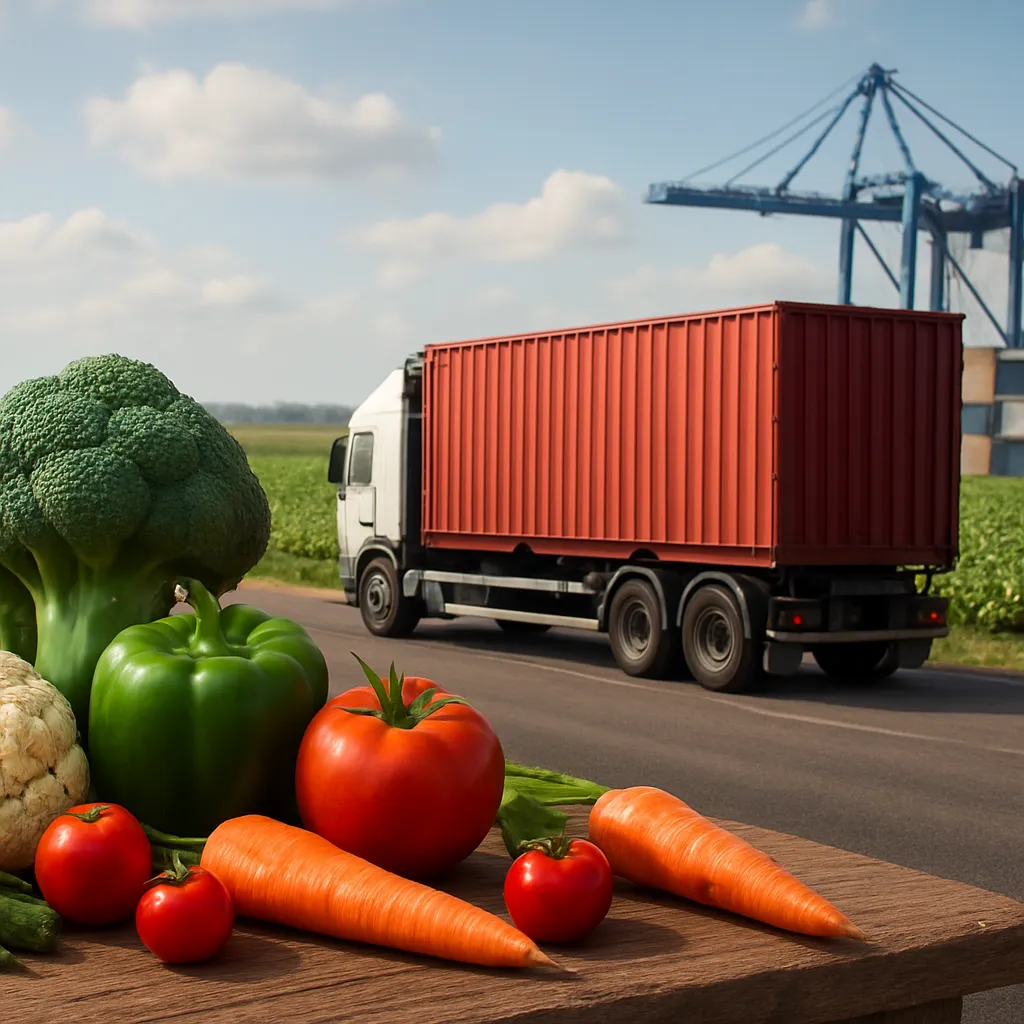
Logistics improvements and cold-chain investments have reduced post-harvest losses and allowed delicate crops to travel farther while retaining freshness. Container shipping, refrigerated trucking and air freight for high-value items make long-distance trade feasible, while consolidation by supermarket chains has created predictable, large-volume buyers able to coordinate cross-border sourcing. At the same time, trade agreements and tariff schedules influence patterns: preferential access through bilateral deals and tariff-rate quotas can make imports cheaper relative to domestically produced items.
Price competition and effects on domestic producers
Price-sensitive retail markets have rewarded lower-cost supplies, intensifying competition for European growers. Small and medium-sized farmers, in particular, face margin squeezes when imported produce undercuts local prices during peak demand. The result is a structural shift in crop choices: many growers either specialize in high-value, differentiated products such as organic or heirloom varieties, move into protected-season production like greenhouses, or exit vegetable production altogether.
Beyond direct price pressure, competition manifests in several ways:
- Seasonality overlap — when imports extend the selling season, domestic surpluses can depress prices in months that were previously stable for local growers.
- Scale economies — large exporters and integrated suppliers can offer uniform quality at scale, which is attractive to major retailers and difficult for fragmented domestic producers to match.
- Promotional dynamics — imported vegetables are often part of loss-leader promotions that drive footfall but reduce price points for comparable local products.
These pressures encourage structural consolidation within the sector and push producers to invest in productivity, explore contract growing arrangements, or seek niche markets. Cooperative marketing and direct-to-consumer channels are strategies used by some to counteract commodity competition.
Regulatory frameworks, standards and trade policy
Sanitary and phytosanitary (SPS) measures, pesticide residue limits and grading standards play a critical role in shaping which imports enter European markets. Border inspections, traceability requirements and certification schemes protect consumer health but also raise costs for exporters and importers. The European Union’s regulatory framework tends to be rigorous, which can advantage exporters who already comply with strict private standards demanded by international retailers.
Policy tools such as tariffs, safeguard duties and import quotas are sometimes considered to protect vulnerable domestic sectors. However, the effectiveness of protective measures is variable. Tariffs can shield prices temporarily, but they also raise consumer costs and can prompt retaliatory measures. Many European countries favour targeted support instead: investment in infrastructure, subsidies for greenhouse adoption, and funding for quality and marketing programs to improve competitiveness.
Trade policy increasingly intersects with non-tariff objectives. Environmental clauses in trade agreements, labour standards, and sustainability certifications are being used to align import practices with broader policy goals. These instruments can be double-edged: they raise barriers for some exporters while encouraging improvements in production practices globally.
Supply chains, retailers and certification
Modern vegetable supply chains are complex networks linking growers, packers, logistics providers and retailers. Large retailers exert major influence through private standards, preferred supplier lists and centralized procurement. This power shapes what producers must deliver: consistent size and appearance, reliable volume, extended shelf life and compliance with traceability systems.
Private and public certification schemes — from GLOBALG.A.P. to organic labels and fair-trade marks — affect market access. Certifications can help domestic producers differentiate themselves against commodity imports by signalling quality and origin. At the same time, they can raise compliance costs, which smaller farms find burdensome. Investments in cold chain logistics and quality assurance are necessary to meet retailer standards and minimise food waste, feeding back into commercial viability.
Key logistical and market factors include:
- Supply chains integration — contracting, vertical integration and co-packing arrangements that stabilise supply but concentrate market power.
- Seasonal storage and processing — using controlled-atmosphere storage, canning or freezing to smooth supply and create value-added products.
- Digital traceability — blockchain pilots and trace systems that increase transparency and provide marketing value for provenance-focused consumers.
Consumer preferences, sustainability and market opportunities
European shoppers are increasingly attentive to origin, environmental footprint and food safety. Demand for local, seasonal and certified sustainable produce supports market niches where domestic growers can maintain or improve margins. At the same time, convenience, price and year-round availability keep imports attractive to many consumers and retailers.
Environmental narratives matter: concerns about carbon footprints of long-distance transport contrast with realities that production emissions (energy use in heated greenhouses, fertiliser application) can outweigh transport emissions for some crops. This complexity means that sustainability claims must be carefully assessed. Producers investing in lower-input practices, improved soil health and reduced agrochemical use can credibly compete on environmental merit.
Emerging opportunities for domestic producers include:
- Differentiation through agroecological methods and storytelling about provenance and biodiversity.
- High-value processing — turning surplus or cosmetically imperfect vegetables into sauces, prepared foods or frozen products.
- Direct marketing and digital platforms — subscriptions, farm box schemes and farmers’ markets that bypass some retail pressures.
Retailers also have scope to curate assortments that balance cost, sustainability and local sourcing. Promotional strategies that highlight local origin or seasonality can shift purchasing patterns and create space for domestic growers.
Economic resilience and rural development
Long-term rural resilience depends on diversifying income streams, investing in technology and forming institutional arrangements that share risk. Contract farming, producer organisations and public investment in infrastructure (irrigation, processing facilities, rural broadband) help smallholders scale and meet market requirements. Public policies that target skills development, research and development in crop varieties adapted to climate change, and financial instruments to de-risk investments are essential components of a strategy to maintain a viable domestic vegetable sector.
Labour dynamics are also central. Many vegetable systems are labour-intensive during harvest peaks. Reliance on seasonal migrant labour intersects with social and regulatory questions that influence costs and public acceptability. Mechanisation, where feasible, and improved labour conditions can mitigate risks but require capital and technical capacity.
Outlook and strategic considerations
European agricultural markets will continue to balance benefits from global trade — diversity, year-round availability and competitive prices — with the need to sustain local farming systems, preserve rural communities and meet environmental targets. Policymakers, industry and civil society each have roles in shaping outcomes. Strategic approaches include enhancing competitiveness through innovation, aligning trade policy with sustainability goals, and promoting market segmentation that rewards farmers for higher environmental and social performance.
As supply chains evolve and consumer expectations shift, adaptation will be uneven across regions and commodity types. Some producers will thrive by embracing differentiation and value addition; others will consolidate into larger operations or shift away from vegetable cropping. The challenge for European markets is to design policies and commercial practices that foster resilient, equitable and environmentally sustainable food systems while preserving the benefits that come from open trade.