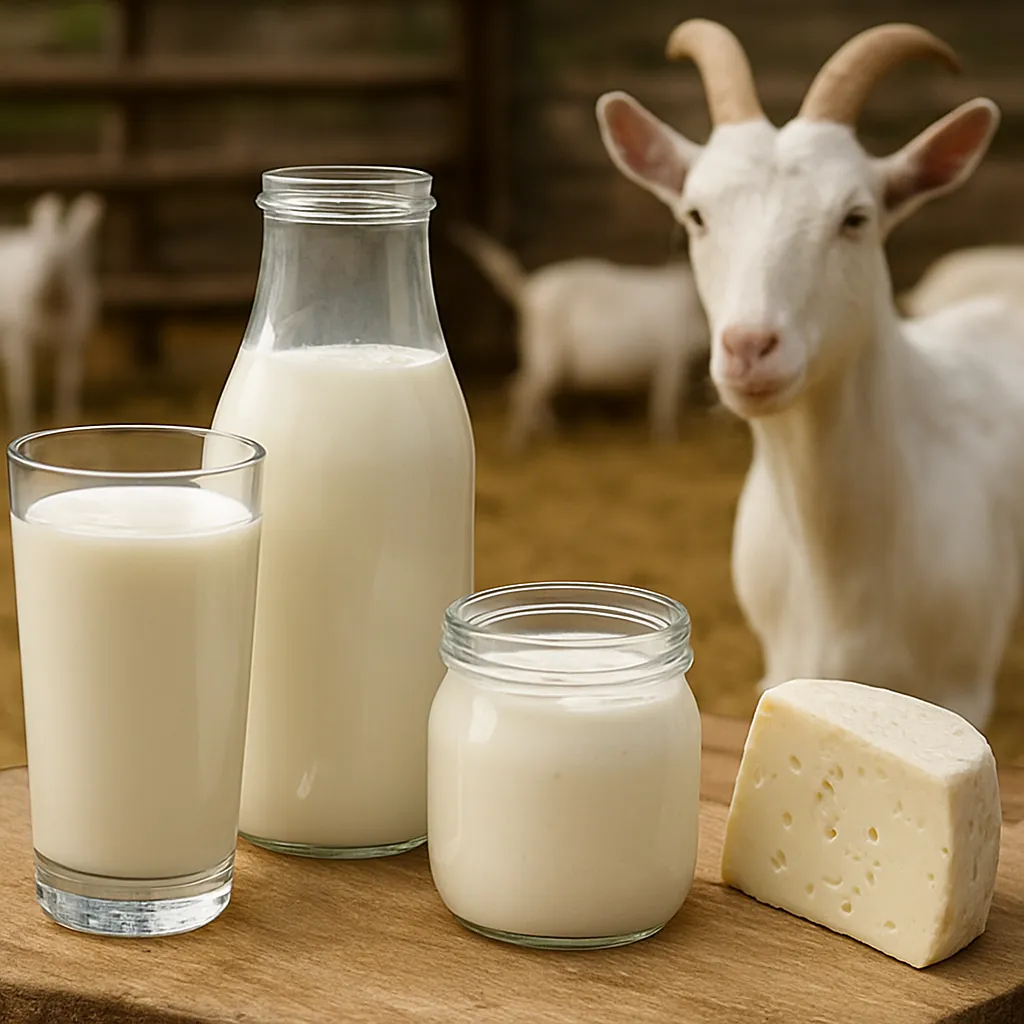
The global appetite for goat milk and its derived products is gathering momentum as consumers seek alternatives to conventional dairy offerings. This shift is reshaping agricultural markets, influencing smallholder livelihoods, and stimulating innovation across processing and distribution chains. The following sections explore market dynamics, on-farm production, processing and product development, and the broader economic and policy environment that together frame the opportunities and challenges linked to the rising demand for goat milk.
Market dynamics and consumer trends
Consumer preferences are a major driver of changing market conditions in agricultural sectors. Growing awareness of dietary sensitivities—such as lactose intolerance—and a greater interest in functional foods have positioned goat milk as an attractive alternative to cow’s milk. In many regions, consumers perceive goat milk as easier to digest and richer in certain micronutrients, which helps explain increasing retail sales of milk, cheeses, yogurts, and infant nutrition products derived from goats.
Regional growth patterns
- Europe: Specialty cheeses and artisanal products command premiums in niche markets; some countries support protected designations that increase value for producers.
- Asia: Rising middle classes and urbanization are driving demand for diverse dairy sources and novel products, including powdered goat milk for infant formula and adult nutrition.
- Africa and Latin America: Goat milk is often produced locally and consumed fresh; improving value chains and processing can open opportunities for export and domestic market expansion.
- North America: Growth stems from health-conscious consumers and gourmet food markets; increased investment in processing and branding is notable.
Consumer segments and product positioning
Producers and marketers are segmenting the market into health-focused buyers, gourmet consumers, and sustainability-minded shoppers. Positioning strategies emphasize nutrition, humane animal care, and environmental credentials. Price sensitivity varies: while commodity milk competes on price, value-added goat cheeses, organic yogurts, and specialty infant formulas can capture higher margins.
Production systems and on-farm practices
Production of goat milk ranges from extensive smallholder systems to intensive commercial farms. Understanding these systems is key to scaling supply while preserving quality and animal welfare.
Herd management and genetics
Genetic improvement programs are increasing per-animal milk yields without compromising health. Selective breeding targets traits such as udder conformation, milk composition, and disease resistance. On many farms, improved record-keeping and herd health protocols have reduced mortality and increased productivity.
Feeding, seasonality and yield
Feed is a major cost component. Strategies to stabilize milk flow include managed breeding cycles, forage conservation (silage and hay), and supplementary concentrated feeds during low forage availability. Seasonal lactation patterns can create supply fluctuations that challenge processors, so producers often coordinate breeding or use technologies like controlled photoperiod and nutrition to flatten production curves.
Animal health and welfare
Prevention and management of mastitis, parasite burdens, and nutritional disorders are essential to maintain milk quality and safety. Extension services and veterinarian access are critical, especially for smallholders who may lack routine services. Investments in shelter, hygiene, and humane handling not only improve welfare but also support premium pricing through certifications.
Processing, innovation and value chains
Scaling the goat milk industry depends on robust processing, cold chains, and product innovation. Processing adds shelf life and creates differentiated products, enabling higher incomes for producers and new market segments.
Processing technologies and quality control
- Pasteurization and microfiltration: Critical for safety and extended shelf life while preserving sensory qualities.
- Drying and powder production: Enables long-term storage and use in infant formulas and baking ingredients; requires capital investment and strict quality standards.
- Cheese and cultured products: Artisanal and industrial cheese-making both benefit from controlled cultures, ripening protocols, and packaging innovations.
- Traceability systems: Batch tracking, certification, and labeling improve consumer trust and facilitate export compliance.
Product diversification and innovation
Innovation fuels expansion beyond fluid milk. Examples include craft cheeses with geographical branding, probiotic goat yogurts, lactose-reduced formulations, goat milk-based cosmetics and skincare, and functional beverages enriched with vitamins or botanicals. Collaboration between dairy scientists, nutritionists, and marketers creates products that meet specific consumer needs, from infant nutrition to elderly care.
Distribution channels and marketing
Effective channels range from direct-to-consumer farm sales and farmers’ markets to supermarket lines and online subscriptions. Branding that highlights local provenance, artisan techniques, and sustainability can justify price premiums. Cooperatives and producer groups often play a vital role in aggregating supply, negotiating with processors, and investing in shared refrigeration and transport infrastructure.
Economics, policy and sustainability considerations
Economic viability and supportive policy frameworks determine whether goat milk production can be a sustainable livelihood strategy at scale.
Market access and trade
Export opportunities exist where producers meet international quality and safety standards. Harmonization of sanitary and phytosanitary (SPS) measures, investment in cold chain logistics, and trade facilitation can open high-value markets. However, price volatility in commodity dairy markets and trade barriers can create risk for producers.
Financing, cooperatives and value distribution
Access to affordable finance for cold storage, milking equipment, and processing plants is a common constraint. Cooperative models can pool resources, enhance bargaining power, and ensure a fairer share of value for smallholders. Public-private partnerships and impact investors are increasingly interested in financing projects that combine economic returns with social and environmental benefits.
Sustainability and environmental footprint
Compared to large-scale cattle operations, properly managed goat production can offer advantages in marginal landscapes, contributing to land management and providing livelihoods where other livestock are less viable. Nevertheless, sustainability depends on stocking rates, grazing management, and feed sourcing. Practices that reduce greenhouse gas emissions, improve soil health through rotational grazing, and protect native vegetation are gaining traction. Certification schemes for sustainability and animal welfare help align producer incentives with market demand.
Regulation, standards and consumer protection
Food safety regulations, labeling rules, and quality standards shape how goat milk products are produced and sold. Compliance with pasteurization requirements, microbial limits, and labeling claims (e.g., organic, grass-fed) is essential for market access and consumer confidence. Governments and industry bodies often provide guidance and training to align producers with evolving standards.
Opportunities and risks for farmers and investors
The rising interest in goat milk creates multiple pathways for economic development, but stakeholders must navigate risks related to supply chain constraints, price competition, and climate variability.
Opportunities
- Premium pricing for specialty products and certifications.
- Income diversification for smallholders through on-farm processing and direct sales.
- Export potential for branded, high-quality cheeses and powdered milk.
- Innovation-driven niches such as nutraceuticals, cosmetics, and medical nutrition.
Risks
- Supply seasonality and inconsistent quality can deter processors.
- Market concentration and retail power may compress producer margins without strong collective action.
- Health outbreaks or lapses in food safety can damage reputation and market access.
- Climate impacts on forage production and water availability can threaten herd productivity.
Strategies to capture value
Successful actors combine technical improvements on the farm with strategic marketing and partnerships. Investment in farmers training, cooperative governance, and traceable supply chains enhances bargaining power. Emphasizing both the market story (taste, provenance, quality) and the science (nutritional benefits, safety) helps broaden consumer appeal beyond niche buyers.
Research, extension and future directions
Ongoing research is unlocking new potential for goat milk in agriculture and food systems. Nutritional studies aim to quantify benefits for specific populations, while breeding programs improve yield and resilience. Extension services that translate research into practical farm-level changes remain crucial.
Areas for investment
- R&D into preservation and processing technologies that reduce losses and add value.
- Extension programs to disseminate best practices in herd health and sustainable grazing.
- Market intelligence systems to help producers respond to consumer trends and price signals.
- Infrastructure development: cold chains, transport, and shared processing units.
The trajectory of goat milk markets will depend on coordinated action across farmers, processors, researchers, and policymakers. With thoughtful investments in quality, sustainability, and branding, goat milk products can contribute meaningfully to diversified agricultural markets and resilient rural economies while meeting evolving consumer needs for nutritious and distinctive dairy alternatives.