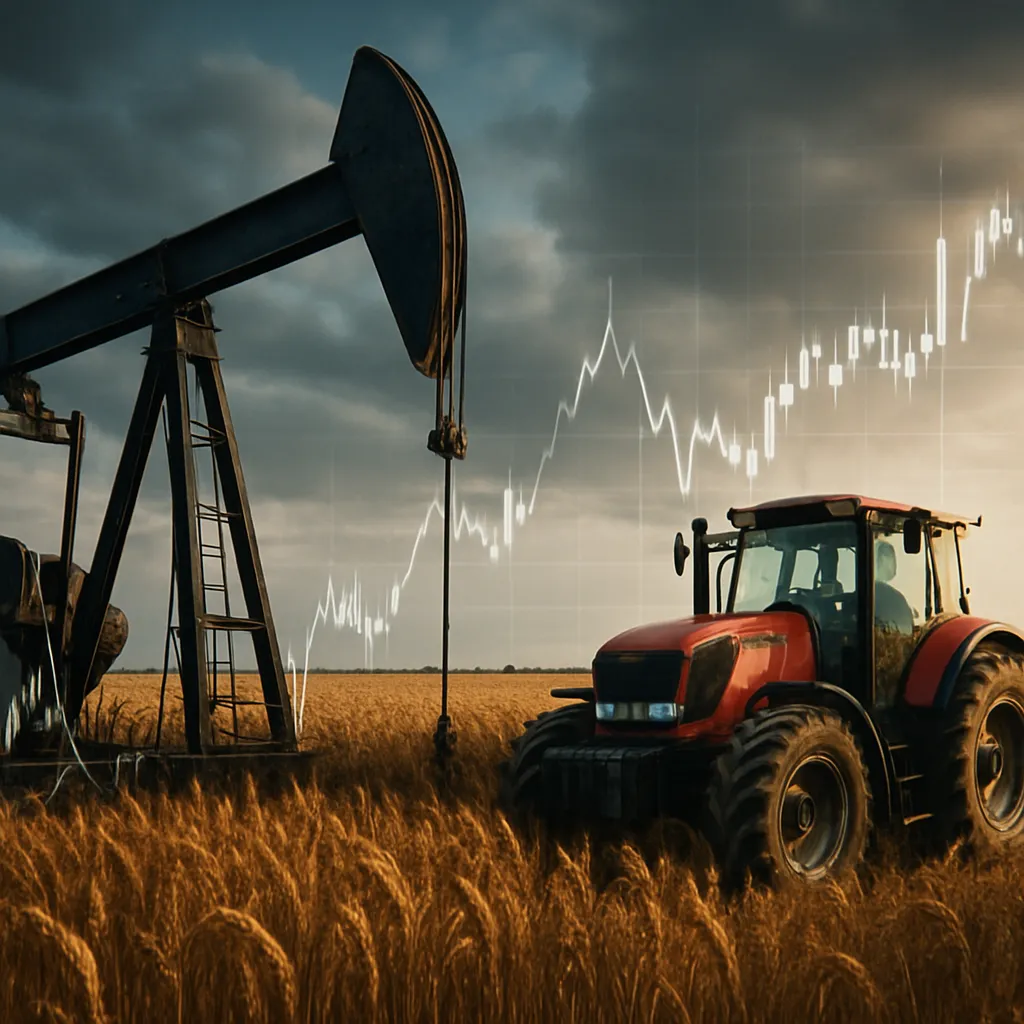
The relationship between energy markets and food systems is complex and evolving. Fluctuations in global oil prices ripple through rural landscapes, factory floors and commodity markets to shape the cost structure of modern farming. This article examines how oil price volatility feeds into agricultural production, identifies key transmission channels, and discusses strategies that farmers, agribusinesses and policymakers can use to manage rising and unpredictable costs. The analysis focuses on both short-term operational impacts and longer-term structural changes in agriculture driven by energy market dynamics.
Drivers of oil price volatility and relevance to agriculture
Understanding why oil prices move is the first step to assessing their agricultural consequences. Prices respond to a mix of fundamental and speculative forces: shifts in global demand, geopolitical tensions, production decisions by major exporters, macroeconomic trends, currency movements, and financial market behavior. Periods of high volatility are often triggered by sudden supply shocks (natural disasters, conflicts), abrupt changes in demand (economic recessions or booms), or policy shifts (sanctions, strategic reserves releases).
Structural features that link oil to farming
- Direct energy consumption: Farm machinery, irrigation pumps, grain dryers and processing plants rely on diesel, gasoline or electricity derived from fossil fuels, making energy prices a direct input cost.
- Fertilizer and agrochemical production: Synthesis of nitrogen fertilizers, in particular ammonia via the Haber-Bosch process, is energy-intensive and closely tied to natural gas and, indirectly, to oil markets.
- Transport and logistics: Moving seeds, inputs and harvested crops through national and international supply chains is sensitive to fuel costs and freight rates.
- Biofuels competition: Mandates and market demand for biofuels can link agricultural commodity prices and cropping decisions to oil price trends.
These structural ties mean that volatility in the energy sector can translate into volatility in agricultural budgets, investment decisions and ultimately food prices.
Transmission mechanisms: how oil prices affect production costs
The passage from oil market movements to farm-level economics operates via multiple channels. Some are immediate and measurable; others are gradual and cumulative. Recognizing these mechanisms helps in designing risk management and policy responses.
Direct fuel and power costs
The most obvious channel is the change in on-farm fuel expenditure. A spike in diesel prices raises the per-hectare cost of tillage, planting, harvesting and transport. Electricity costs for irrigation and drying also rise when generation is dependent on fossil fuels or when fossil-fueled generation sets the wholesale price. For highly mechanized operations, fuel can represent a substantial share of variable costs, making farms particularly vulnerable to short-term price swings.
Input price pass-through: fertilizers, pesticides and seeds
Industrial inputs are often the single largest non-labor expense for many cropping systems. The production and distribution of fertilizers require significant energy for synthesis and shipping. When oil and natural gas prices climb, input manufacturers face higher production costs and freight charges, which are typically passed on to farmers. Additionally, petrochemical feedstocks are used in many pesticides and certain seed treatments, linking their costs to petroleum markets as well.
Transportation, processing and market access
Higher fuel prices increase the cost of moving inputs to farms and outputs to markets. For exporters, energy-driven increases in maritime freight or trucking costs reduce international competitiveness. In remote or landlocked regions where distances to processing or export facilities are long, transport cost increases can be especially burdensome and lead to localized price spikes or reduced farmgate returns.
Crop choice and acreage allocation via biofuel economics
When oil prices rise, the relative attractiveness of producing biofuel feedstocks (like maize, sugarcane, or oilseeds) increases. This can redirect land from food to energy crops, tightening supplies for food markets and indirectly pushing up prices. Conversely, when oil prices fall, biofuel demand weakens and acreage may revert to other crops, illustrating the two-way coupling between energy and agricultural markets.
Investment, credit and input markets
Volatile energy markets can raise uncertainty about returns, making lenders more cautious. Higher input costs can erode farm margins, increasing default risk and reducing access to credit. This constrains investment in yield-enhancing technologies, irrigation and mechanization, potentially lowering productivity growth over time.
Farm-level and market impacts of oil-driven cost changes
The consequences of oil price swings manifest differently across regions, farm types and commodity systems. Smallholder farms with low mechanization may face relatively smaller direct fuel cost increases but can still be affected by higher input prices and reduced availability of transported goods. Commercial, mechanized farms experience larger direct fuel exposure but often have better access to hedging tools and procurement contracts.
- Operational margins: Rapid increases in fuel and fertilizer prices compress margins, sometimes forcing farmers to reduce input use, delay purchases or cut back on labor.
- Yield and quality effects: Input reductions or delayed operations (e.g., late planting or inadequate fertilization) can lower yields and crop quality, with knock-on effects for food supply.
- Commodity price volatility: Energy shocks that alter production or incentivize biofuel conversion can amplify price swings in agricultural markets, affecting consumers and traders.
- Supply chain resilience: High freight costs or fuel shortages can disrupt seasonal flows, storage operations and processing, leading to increased post-harvest losses.
Case studies from past oil shocks show diverse outcomes. In some countries, higher energy costs led to rapid policy changes promoting domestic biofuel production or subsidizing fertilizers. In others, persistent energy-driven input cost increases contributed to reduced cropping intensity and slower agricultural growth.
Adaptation and policy responses
Stakeholders have a range of tools to mitigate the negative effects of oil price volatility on agriculture. Effective strategies combine short-term coping measures with long-term structural adjustments to reduce energy exposure and increase resilience.
Farm-level risk management
- Hedging and contracts: Larger producers may use futures, options or forward contracts to lock in fuel and commodity prices.
- Operational adjustments: Precision agriculture, reduced tillage, optimized fertilizer application and improved irrigation efficiency lower energy intensity per unit of output.
- Alternative energy adoption: On-farm biofuels production, solar-powered pumps and electrification of machinery can reduce dependence on petroleum fuels.
- Input sourcing and timing: Bulk purchasing, collective procurement and timing purchases to exploit lower price windows help smooth costs.
Policy and market instruments
- Targeted subsidies and safety nets: Temporary support for fuel or fertilizer can prevent widespread production shocks, though poorly designed subsidies can distort markets.
- Strategic reserves and buffer stocks: Maintaining fertilizer or grain reserves helps stabilize supply and prices during external shocks.
- Investment in rural energy infrastructure: Expanding reliable and affordable electricity, including renewables, reduces reliance on imported oil.
- Regulatory frameworks for biofuels: Balancing energy security goals with food security concerns requires careful policy design to avoid unintended land use shifts.
Long-term transitions
Structural changes that reduce the energy intensity of agriculture will lessen sensitivity to oil markets. These include breeding for higher nutrient-use efficiency, wider adoption of low-energy conservation tillage systems, smarter logistics enabled by digital platforms, and diversification of rural economies to reduce exposure to single commodity risk. Policymakers can accelerate these transitions through research funding, extension services, and incentives for sustainable practices.
Conclusion: navigating an energy-linked agricultural future
Oil price volatility is not a peripheral issue for farming; it permeates the economic and operational fabric of agricultural systems. The impact on costs is transmitted through fuel, fertilizers, transport and market incentives such as biofuels. Responses must be multifaceted: short-term risk management to protect incomes and food supplies, and long-term investments that reduce energy dependence and build resilience. For producers, agribusinesses and policymakers, success will depend on combining technological adoption, prudent market instruments and governance that aligns energy, agricultural and environmental objectives. As energy markets continue to evolve, so too must strategies for sustaining productive, profitable and resilient agriculture.