The rising interest in superfoods is reshaping agricultural production systems, influencing trade flows, and redirecting investments across rural economies. Consumers pursue foods perceived as nutrient-dense, sustainably produced, and ethically sourced, and this demand is creating new opportunities and pressures along global and local supply chains. Farmers, processors, traders, policy makers and researchers must navigate shifting price signals, certification demands, and environmental constraints while seizing chances for higher returns and rural development.
Emerging crops and shifting market dynamics
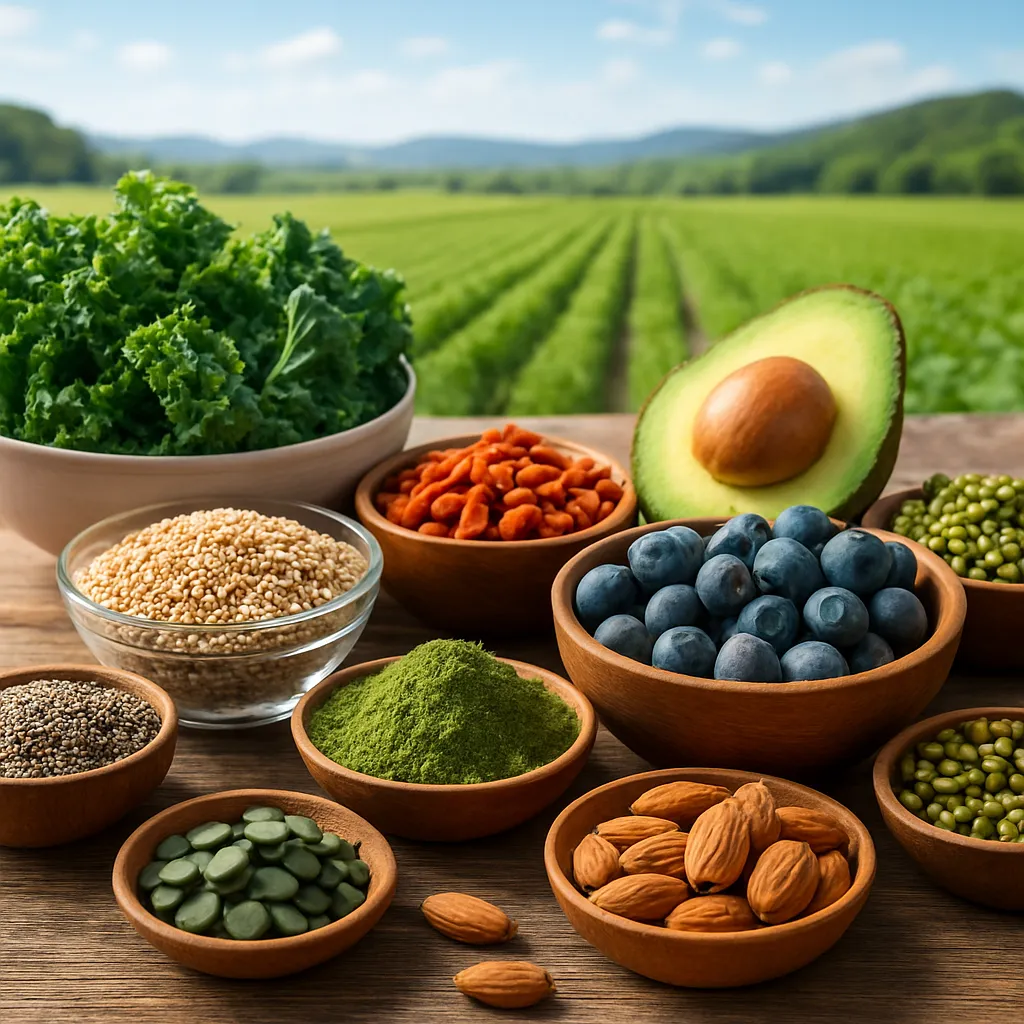
Global demand for specialty crops such as ancient grains, oilseeds for omega-rich oils, certain seaweeds, and nutrient-dense leaves and seeds has grown rapidly. Traditional staples remain essential for food security, but niche crops—quinoa, chia, hemp (for seed and fiber), moringa, and various algal products—have entered mainstream retail and foodservice. These commodities typically attract price premiums, encouraging farmers to allocate land and resources toward them.
Exporters and local producers
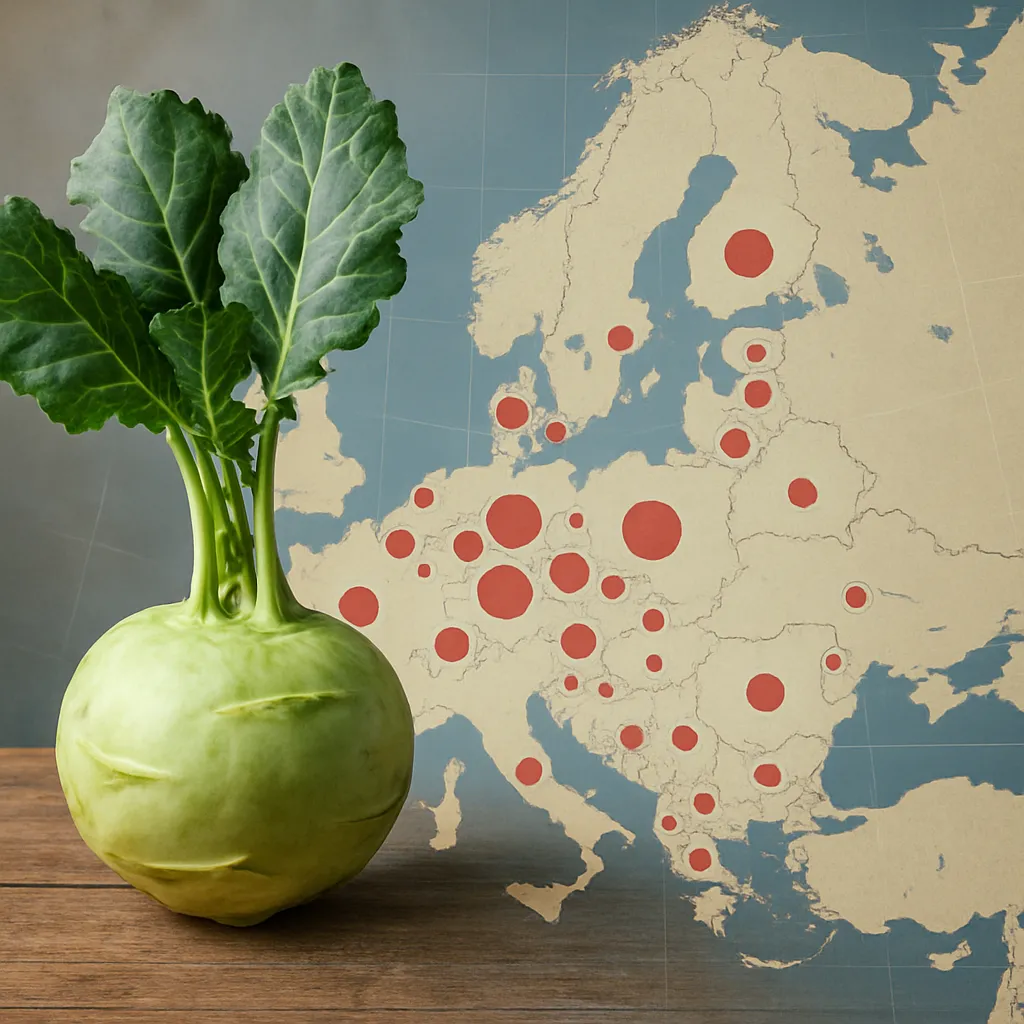
Production geography matters. Countries that historically cultivated certain crops now balance export-led production with rising domestic consumption. Andes producers turned quinoa into a global export success, while Southeast Asian farmers scaled seaweed production for both food and industrial uses. Regions that can combine favorable agroecological conditions with processing capacity have an advantage in serving international markets.
Price volatility and consumer trends
Niche demand can lead to sharp price swings because supply responsiveness is constrained by seasonal cycles, limited seed availability, and narrow production regions. Consumer preferences—driven by health narratives, social media influence, and certification labels—can shift rapidly. For producers, the premium margin is attractive, but volatility and fickle trends increase financial risk and necessitate informed marketing strategies.
Value chains, processing, and farmer opportunities
Benefits from the superfood boom are not automatic. Capturing value requires integrating smallholders into efficient, transparent, and fair value-chains. Upgrading processing facilities, improving post-harvest management, and meeting traceability and certification standards are essential steps.
Mechanisms to capture value
- Contract farming with clear quality specifications and price mechanisms can stabilize incomes and secure supply for processors.
- Local aggregation points and small-scale processing reduce losses and enable producers to access higher-value markets.
- Certification (organic, fair trade, regenerative) often commands a premium but adds compliance costs; the net benefit depends on market access and scale.
- Cooperative models and producer associations improve bargaining power, reduce transaction costs, and facilitate investments in shared infrastructure.
Nutrition-driven product development
Processing transforms raw crops into consumer-ready ingredients and finished goods—powders, oils, snacks, and fortified products—allowing capture of greater margins and meeting modern consumption patterns. Companies that invest in R&D can create value-added items emphasizing nutrition, clean labeling, and functional properties, which often appeal to health-conscious segments.
Sustainability, climate risk and agroecological responses
Growth in superfood cultivation raises important environmental and social questions. Scaling up production without safeguards can harm ecosystems, erode soils, or reduce genetic diversity. Conversely, when designed thoughtfully, specialty crop systems can enhance farm incomes while improving environmental outcomes.
Environmental trade-offs
High-value crops sometimes encourage monoculture expansion, increasing vulnerability to pests and requiring more intensive chemical inputs. Irrigation demands for new crops can strain water resources in fragile basins. To mitigate these risks, producers and extension services must prioritize practices that boost sustainability and maintain biodiversity.
Building resilience
Agroecological approaches—crop diversification, intercropping, conservation agriculture, and integrated pest management—help farms adapt to a changing climate and reduce dependency on external inputs. These practices can increase system resilience, lower production costs over time, and make producers less exposed to market shocks. Insurance schemes, index-based weather products, and climate-smart advisories complement on-farm measures by cushioning income volatility associated with extreme events.
Technology, research and policy levers
Adopting appropriate technologies—ranging from improved seed varieties to digital traceability tools—can accelerate sustainable scaling. Public and private investments in research and extension are critical to tailor cropping systems to local conditions and to translate consumer demand into durable rural development.
Innovation and scaling
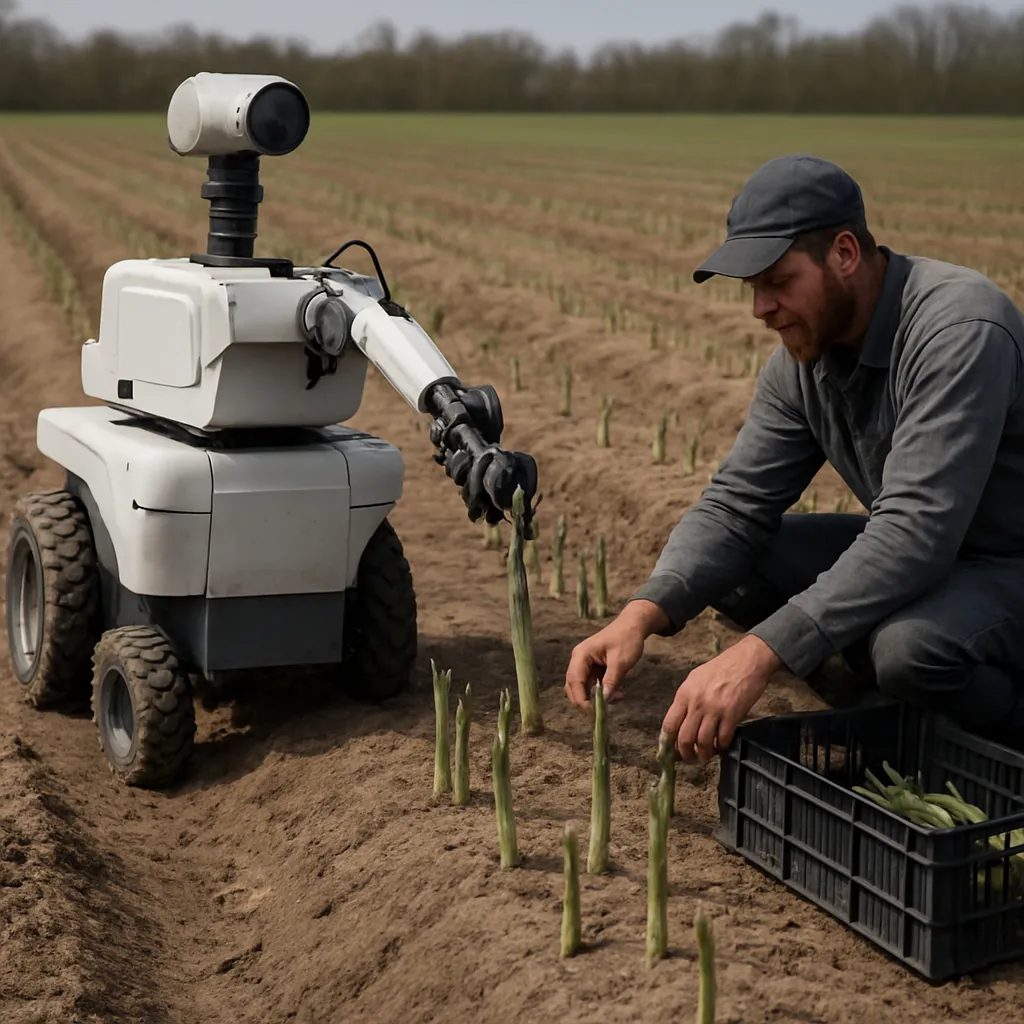
Advances in breeding, seed systems, and agronomy increase productivity and adaptability of specialty crops. Precision irrigation, low-cost drying, and mobile-based market information reduce losses and improve timing of sales. Digital marketplaces and blockchain-enabled traceability solutions help connect producers to premium buyers while assuring consumers about provenance and ethical attributes. These forms of innovation matter for smallholder competitiveness.
Policy actions and institutional support
- Invest in public research focused on agronomic practices, pest resistance, and post-harvest technologies for emerging crops.
- Support infrastructure—roads, cold chains, processing hubs—that enable local value addition and reduce logistical barriers to entry.
- Design sensible regulatory environments for novel products (e.g., hemp-derived ingredients, seaweed-based additives) that balance safety with market access.
- Facilitate access to finance and risk management tailored to the seasonal and price risks of specialty crops.
Productivity without expansion
The goal for policy and practice should not be simple area expansion but smarter production that lifts yield while protecting resources. Productivity gains can meet demand without converting natural habitats, especially when paired with demand-side measures—reducing food waste and encouraging diversified diets.
Practical recommendations for stakeholders
Farmers and agribusinesses should conduct careful market assessments before committing large portions of land to new crops. Buyer agreements, phased scaling, and diversification reduce exposure. Development actors and governments can support training, collective action, and access to certification markets. Investors need to balance short-term returns with long-term resilience by prioritizing projects that strengthen local processing capacity and environmental stewardship.
Actionable steps
- Promote pilot projects that combine technical assistance with guaranteed off-take to test viability of new crops at scale.
- Encourage mixed cropping systems that integrate superfood species with staples to spread risk and enhance soil health.
- Invest in transparent certification and traceability systems that reward farmers for sustainable practices.
- Design inclusive business models that ensure smallholders share in value creation rather than being squeezed out by consolidation.
As consumer tastes evolve and scientific understanding of food systems deepens, the interplay between niche demand and mainstream agriculture will continue to intensify. Stakeholders who prioritize equitable value distribution, environmental stewardship, and adaptive management will be best positioned to translate the superfood trend into sustainable rural development rather than transient speculation.