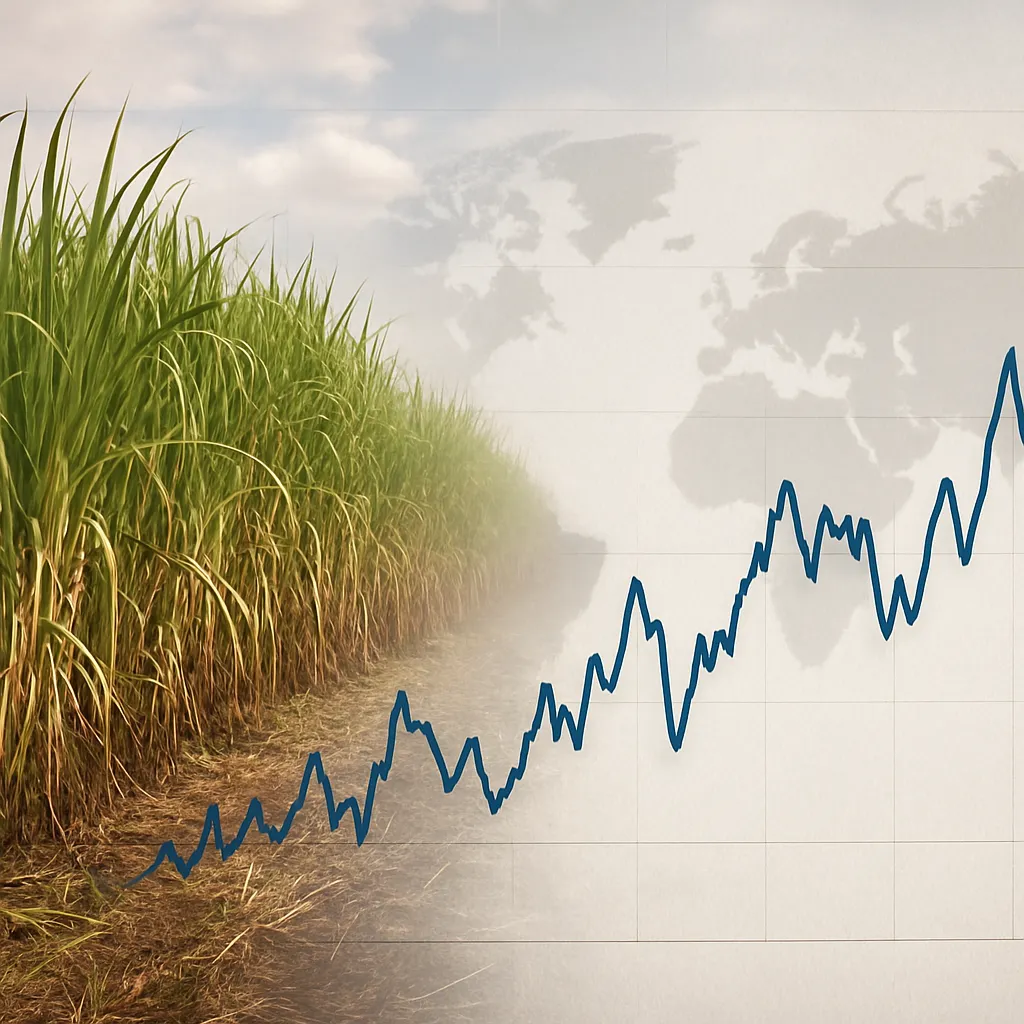
The global agricultural landscape is intertwined with commodity cycles, policy choices and environmental pressures. This article examines how fluctuations in sugarcane prices affect worldwide supply, and situates those dynamics within broader agricultural markets. By exploring production patterns, key drivers of change, trade and logistics, and strategies for risk management and sustainability, the piece offers a comprehensive view of how one perennial crop influences food, energy and rural livelihoods across continents.
Global production patterns and market structure
Sugarcane is a tropical and subtropical crop with a production base concentrated in a few large countries and numerous smallholder systems. The industry is shaped by agronomic cycles, capital-intensive milling infrastructure and by-product markets such as ethanol and electricity from bagasse. Major producers include Brazil, India, Thailand, Australia and Indonesia, while countries across Africa and Latin America host significant smaller-scale production. Brazil dominates global exports and the industrial integration of sugar and fuel markets, while India primarily supports a large domestic sugar market with periodic government interventions.
Production is organized into upstream farming (planting, ratoon cycles, harvesting), midstream processing (mills and refineries) and downstream distribution (local markets, export logistics, and industrial buyers). Because mills require high throughput to be profitable, there is a tendency toward consolidation and seasonal concentration of processing capacity. This structure creates pronounced cyclical supply responses: a poor harvest in a major producing region can quickly push spot price levels higher, while bumper crops can depress prices and pressure margins throughout the supply chain.
Primary drivers of price fluctuations
Price volatility in sugarcane markets is driven by a mix of natural, economic and policy factors. Understanding these drivers is essential for farmers, processors, traders and policymakers:
- Weather and climate change: Droughts, floods and hurricanes can reduce yield and acreage. Long-term shifts in rainfall patterns and temperature regimes affect planting windows and pest prevalence, altering both productivity and production risk.
- Input costs: Fertilizer, fuel and labor account for a large share of production costs. Global spikes in fertilizer prices or energy can erode margins and prompt changes in harvested area or production practices.
- Biofuel demand: Mandates and market demand for ethanol as a transportation fuel create a crucial link between energy markets and sugar prices. When oil prices rise or biofuel blending mandates tighten, processors may divert more cane to fuel production, reducing sugar availability and lifting prices.
- Policy interventions: Tariffs, export restrictions, minimum prices and subsidies can disconnect domestic prices from world markets. Major sugar-consuming countries may impose tariffs to protect producers, while exporters may subsidize processing or restrict shipments to stabilize domestic markets.
- Currency movements: Exchange rate volatility affects competitiveness in export markets. A depreciating currency can boost export volumes by making shipments cheaper for foreign buyers, while an appreciating currency can reduce export attractiveness.
- Pests and diseases: Outbreaks such as ratoon stunting or smut can materially reduce yields. Biosecurity lapses or inadequate extension services compound these risks, especially for resource-poor producers.
- Logistics and capacity constraints: Port congestion, insufficient storage and limited trucking capacity can create bottlenecks that temporarily restrict supply reaching markets, amplifying price swings.
Commodity markets and financial instruments
International sugar is traded on futures exchanges, notably ICE (Intercontinental Exchange) for sugar #11, and these futures help establish reference prices while offering hedging tools for producers and buyers. Nevertheless, the relationship between futures levels and physical market prices can be disrupted by local supply shocks, policy changes and quality differentials. Hedging can limit downside risk for processors and traders, but smallholder farmers often lack access to these financial mechanisms, leaving them exposed to the full force of market swings.
Trade flows, supply chains and logistical challenges
Trade in sugar and ethanol links producing nations with consuming regions. Brazil’s role as both a major sugar and ethanol supplier means its domestic decisions—such as the allocation of cane between sugar and fuel—have global repercussions. Thailand and Australia act as large sugar exporters to Asia and the Pacific, while India oscillates between export and import depending on domestic production and policy settings.
Supply chains begin at the field and extend through collection centers, mills, refineries and ports. Each node has vulnerability to disruption:
- Field: Adverse weather or labor shortages reduce harvested volumes.
- Transport: Narrow harvest windows and poor rural roads limit timely cane delivery to mills; delayed processing can reduce recoverable sugar content.
- Milling: Outages, insufficient maintenance or lack of spare parts can curtail crushing capacity.
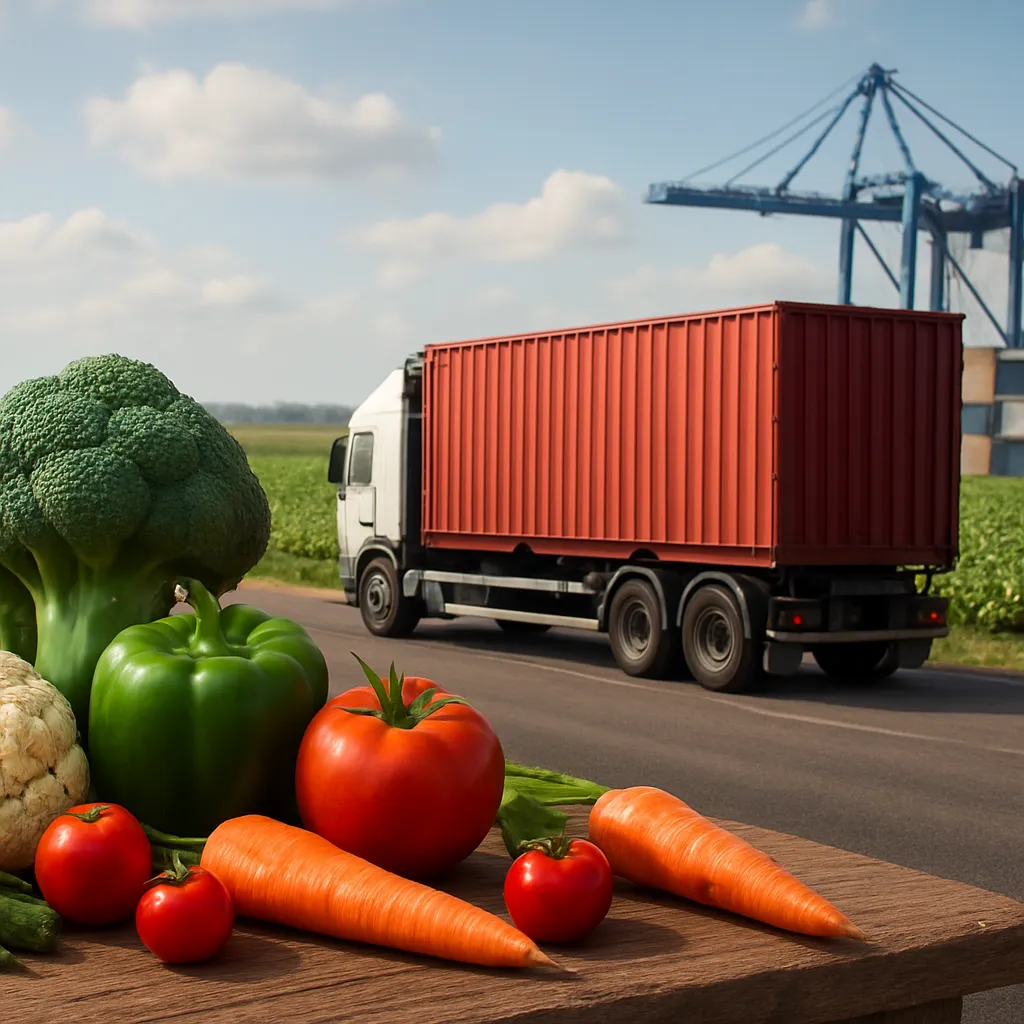
- Port and shipping: Global shipping rates, container shortages and port delays alter export timing and costs. Seasonal peaks can exacerbate bottlenecks.
These operational constraints mean that even when global production is adequate in aggregate, localized delays or mismatches can create short-term tightness and price spikes. Furthermore, the perishability of cane and the high costs of storing raw cane push the industry to rely on efficient, time-sensitive logistics.
Impacts on stakeholders across the value chain
The consequences of price fluctuations are uneven. Smallholder farmers often lack contract security and capital buffers, making them vulnerable to low price periods. In contrast, large mills with vertical integration can shift processing between sugar and ethanol to preserve margins when price signals favor one product. Consumers face volatility in retail sugar prices, which has implications for food security and inflation in low-income countries where sugar contributes a notable share of caloric intake or household expenditure.
Industrial users—confectioners, beverage manufacturers and chemical processors—are exposed to raw material cost swings. Hedging and long-term supply contracts can reduce uncertainty for such buyers, but these tools can be costly and complex for small and medium enterprises.
Risk management and policy responses
Governments and private actors use several tools to manage volatility and safeguard supply:
- Buffer stocks and strategic reserves: Governments can purchase and hold sugar to smooth domestic market prices, releasing stocks during shortfalls.
- Tariff-rate quotas and trade agreements: Calibrated tariffs protect domestic producers while allowing imports when supplies are tight.
- Price support and direct payments: Payments to farmers or minimum support prices can stabilize incomes, though they may distort production signals.
- Insurance and index-based products: Weather-index insurance and crop guarantees reduce farmer risk exposure to climate shocks, though uptake remains limited by cost and information barriers.
- Financial hedging: Mills and large traders use futures and options to lock in prices and manage exposure to international market swings.
Policy choices inevitably create trade-offs. Subsidies and price supports can sustain rural incomes but may encourage overproduction, depress world prices and burden public finances. Conversely, hands-off market policies can expose vulnerable populations to volatile food prices.
Sustainability, technology and the future of sugarcane
Long-term resilience of global sugarcane supply depends on adapting to environmental constraints and improving productivity. Key avenues include:
- Improved varieties and agronomy: Breeding for drought tolerance, higher sucrose content and disease resistance helps stabilize yields. Precision agriculture and better nutrient management reduce input waste and cost.
- Mechanization: Reduces labor dependency and can increase timeliness of harvests, but requires capital and can have social impacts in labor-surplus regions.
- Integrated biorefineries: Converting cane into multiple high-value products—sugar, ethanol, electricity and bioplastics—diversifies revenue streams and improves economic resilience.
- Sustainability certifications and better management practices: Improving water use efficiency, reducing emissions from burning residues, and protecting biodiversity attract premium markets and meet corporate procurement standards.
- Climate adaptation: Shifting planting dates, adopting irrigation where feasible, and investing in climate-smart extension services will be necessary to withstand increased weather variability.
Carbon markets and payments for ecosystem services may offer new income for farmers who reduce emissions or sequester carbon. However, the inclusion of smallholders in such schemes requires careful design to ensure equitable access and real environmental benefits.
Outlook and strategic recommendations
Given the interplay of energy markets, trade policy and climate, sugarcane markets will likely remain cyclically volatile. Key recommendations for stakeholders:
- For producers: Invest in resilient agronomy, diversify income through intercrops or by-product valorization and seek cooperative marketing arrangements to gain bargaining power and access to hedging instruments.
- For processors: Maintain flexible processing capabilities to switch between sugar and ethanol based on market signals, and invest in logistics and storage to smooth seasonal bottlenecks.
- For policymakers: Balance short-term price stability measures with incentives for productivity and sustainability; expand access to index-based insurance and extension services for vulnerable farmers.
- For traders and investors: Monitor climate indicators and policy developments closely, and use diversified hedging strategies to manage exposure to episodic shocks.
- For buyers and civil society: Encourage supply chain transparency and support initiatives that link premiums to verified sustainability improvements, thereby aligning commercial incentives with long-term environmental goals.
The dynamics of the supply chains for sugarcane bind local livelihoods to global markets. Greater coordination across actors, combined with targeted investments in technology and adaptation, can reduce volatility and ensure that the crop continues to supply food, energy and employment in a changing world. Attentive policy and marketplace innovation will determine whether sugarcane systems become more resilient or remain exposed to repeated cycles of boom and bust driven by weather, commodity cycles and geopolitical shifts in policy.