The European market for gourmet and functional mushrooms is undergoing a period of dynamic change, and the expansion of shiitake production is a prominent feature of that evolution. Once considered an exotic ingredient imported from East Asia, shiitake is increasingly cultivated across Europe thanks to shifting dietary habits, growing interest in health-promoting foodstuffs, and advances in controlled-environment cultivation. This article explores the market forces, production techniques, supply chains, policy context, and commercial opportunities shaping the rise of shiitake in European agricultural systems.
Market dynamics and demand drivers
The European demand for specialty mushrooms has expanded beyond traditional varieties such as button and chestnut mushrooms. Consumers and foodservice businesses now seek aromatic, umami-rich options that offer distinctive textures and perceived health benefits. Three primary drivers underpin this trend:
- Consumer preferences: Increasing awareness of plant-based diets, interest in functional foods, and curiosity about international cuisines have pushed shiitake into mainstream retail and restaurant menus.
- Foodservice and gastronomy: Chefs and artisanal producers prize shiitake for its complex flavor profile, encouraging greater incorporation into menus and raising consumer recognition.
- Value-added innovation: Processing into dried forms, extracts, and supplements amplifies the commercial value of shiitake, appealing to both food and nutraceutical markets.
Price dynamics in the market reflect shiitake’s premium positioning. Per-kilogram retail and wholesale prices are generally higher than those of commodity mushrooms. That premium is justified by longer growth cycles, greater post-harvest handling care, and the opportunity to create value-added products. The growing interest in culinary and functional uses has also spurred retail distribution expansion—from specialist grocers to major supermarket chains and online platforms—improving year-round availability and consumer familiarity across EU member states.
Production systems, techniques and innovation
Successful shiitake production in Europe combines traditional methods with modern controlled-environment agriculture. While log cultivation (oak or beech logs inoculated with spawn) remains a valued, low-input method that produces highly sought-after flavors, the most scalable commercial approaches rely on manufactured substrates and indoor facilities.
Substrate and spawn management
Substrate formulations typically use sawdust, supplemented with cereal grains or bran to balance nutrients. The choice and preparation of the substrate are crucial for yields and contamination control; pasteurization or sterilization and strict hygiene during inoculation are standard practices. Spawn quality and strain selection determine growth rate, fruiting characteristics, and consistency—factors directly linked to marketability.
Controlled environments and technological advances
Indoor cultivation enables year-round production, consistent sizing, and predictable supply. Innovations transforming the sector include:
- vertical farming and stacked shelving systems tailored for fungi, improving space efficiency;
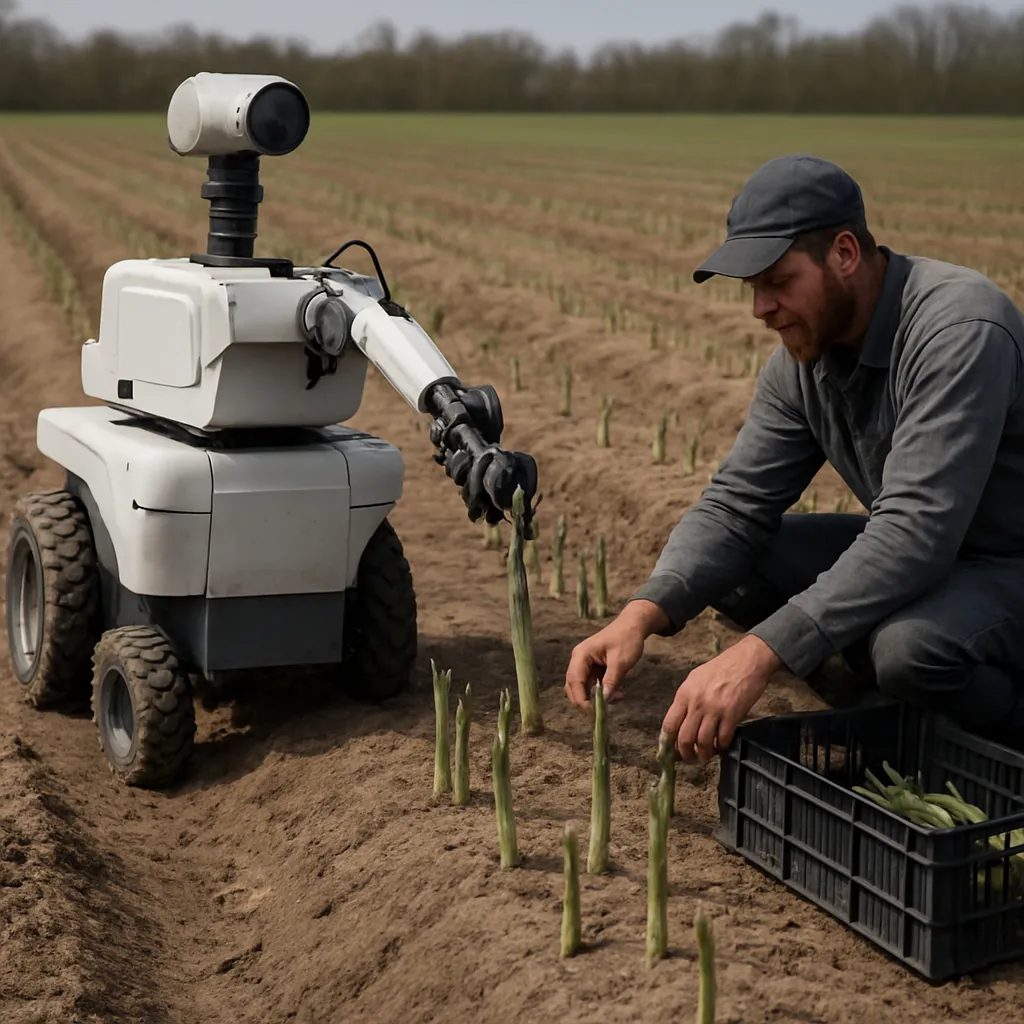
- automation for substrate handling, inoculation, and environmental control (humidity, temperature, CO2);
- use of sensor networks and data analytics to reduce contamination risks and optimize fruiting cycles;
- energy-efficient climate systems and integrated water recycling to reduce operational costs.
Energy is a notable cost in indoor systems, but improvements in insulation, process scheduling, and economies of scale help producers maintain competitiveness with imports. Some enterprises pursue hybrid models—combining log-grown batches for premium channels with block or bag systems for volume sales.
Supply chain structure and commercialization paths
Shiitake supply chains in Europe vary from artisanal, short supply chains to complex international distribution. Typical actors include producers, co-packers, distributors, wholesalers, supermarkets, foodservice buyers, and processors producing dried mushrooms, powders, or extracts. Key supply chain considerations include cold chain requirements, shelf-life extension, and certification standards.
Channels and product formats
- Fresh shiitake: Sold in loose packs, clamshells, or mixed mushroom assortments; appeals to retail and foodservice.
- Dried and dehydrated: Long shelf life and reduced transport costs; favored for exports and processing.
- Extracts and supplements: Lentinan and other bioactive compounds are processed for nutraceutical applications.
- Ready-to-cook meal inclusions and ready meals: Tie into convenience trends and food industry partnerships.
Countries with established horticultural logistics—such as the Netherlands—act as trade hubs, facilitating export and intra-EU distribution. Local production, however, reduces import dependency and can appeal to consumers prioritizing traceability and reduced food miles.
Regulatory environment, certification and sustainability
European producers must navigate food safety regulations, organic certification schemes, and variable national rules on novel foods or health claims for extracts. Traceability and compliance with EU and national standards are essential for market access, particularly when targeting grocery chains or exporting beyond the EU.
Sustainability and circular practices
Sustainability is integral to market positioning for many European growers. Strategies include:
- using agricultural by-products (e.g., wood industry sawdust, spent brewer’s grains) as substrate components to close material loops;
- recovering spent substrate for compost or bioenergy feedstock;
- energy recovery and optimizing climate control systems to reduce carbon footprints;
- certifications such as organic labels, which can command price premiums.
Emphasizing sustainability resonates with European consumers and institutional buyers seeking to lower the environmental impact of food procurement. Producers that can demonstrate circular use of materials and transparent lifecycle assessments often find easier market entry with premium buyers.
Economic challenges, risks and market barriers
Despite growing demand, European shiitake producers face several constraints that shape market viability:
- Competition from lower-cost imports, particularly from Asia, which can depress wholesale prices.
- High initial capital requirements for indoor farms and the need for skilled labor to manage fungal cultivation and contamination control.
- Volatility in substrate input costs, including wood-based materials and agricultural supplements.
- Disease and contamination risks (e.g., Trichoderma spp.) that require rigorous hygiene and contingency planning.
- Regulatory complexity related to health claims on extracts and functional foods, which can limit product positioning or require costly substantiation studies.
Producers mitigate these risks through specialization—targeting chefs, organic niches, or value-added processing—and by adopting cooperative models to share infrastructure, marketing, and distribution costs. Insurance products and contract farming arrangements can also spread risk across supply chain participants.
Innovation opportunities and strategic directions
The coming years are likely to see innovation-driven growth across several fronts. Promising areas include:
- Development of high-yield, disease-resistant strains adapted to European climates and substrate sources.
- Integration of mushroom production with other agricultural systems—such as agroforestry or greenhouse vegetable farms—to leverage waste heat and shared logistics.
- Expansion of value-added products: ready-to-eat, freeze-dried, fermented mushroom ingredients, and standardized extracts for functional food formulations.
- Certification and branding focused on terroir and local provenance to differentiate European-grown shiitake from imports.
- Adoption of vertical farming best practices and modular systems that reduce entry barriers for small and medium enterprises.
Public-private partnerships and research funding can accelerate these advances. Universities and applied research centers across Europe are contributing strain development, substrate optimization, and post-harvest handling improvements—supporting a pipeline of commercially relevant innovations.
Regional patterns and comparative advantages
Within Europe, production concentrations reflect historical expertise, available wood resources, climatic conditions supportive of log cultivation, and access to processing and distribution infrastructure. Regions with robust horticultural sectors and logistics hubs—Benelux, parts of France, Italy, Spain, and increasingly Eastern Europe—offer comparative advantages for scaling operations. Smaller producers in Scandinavia or the UK often target high-value artisan markets or integrate shiitake cultivation into diversified farm enterprises.
Policies that support rural development, agri-tech adoption, and sustainable materials recovery can further shift comparative advantages toward domestic production by lowering capital and operational costs and improving market access for geographically diverse producers.
Consumer trends and marketing approaches
Effective marketing for shiitake producers emphasizes taste, origin, and health attributes while educating consumers about culinary uses. Tactics that have proven successful include:
- Storytelling around cultivation methods (e.g., log-grown vs. sawdust), regional origin, and producer profiles;
- Partnerships with chefs and influencers to showcase recipes and applications;
- Point-of-sale sampling and cross-promotion with plant-based proteins and specialty produce;
- Clear labeling of sustainability credentials and supply chain transparency.
As consumers become more familiar with shiitake, demand shifts from novelty toward regular-use status, creating opportunities for subscription models, mixed mushroom packs, and convenience-oriented product lines that cater to modern shopping habits.