The ornamental plant market offers farmers and smallholders a practical and often **lucrative** pathway to diversify farm income. Beyond staple crops and livestock, a well-planned ornamental enterprise can provide steady cash flow, seasonally balanced sales, and opportunities for value addition. This article examines market dynamics, production techniques, marketing strategies, and risk management practices that can help growers turn ornamentals into a reliable additional income stream while promoting ecological and economic resilience.
Market Dynamics and Opportunities
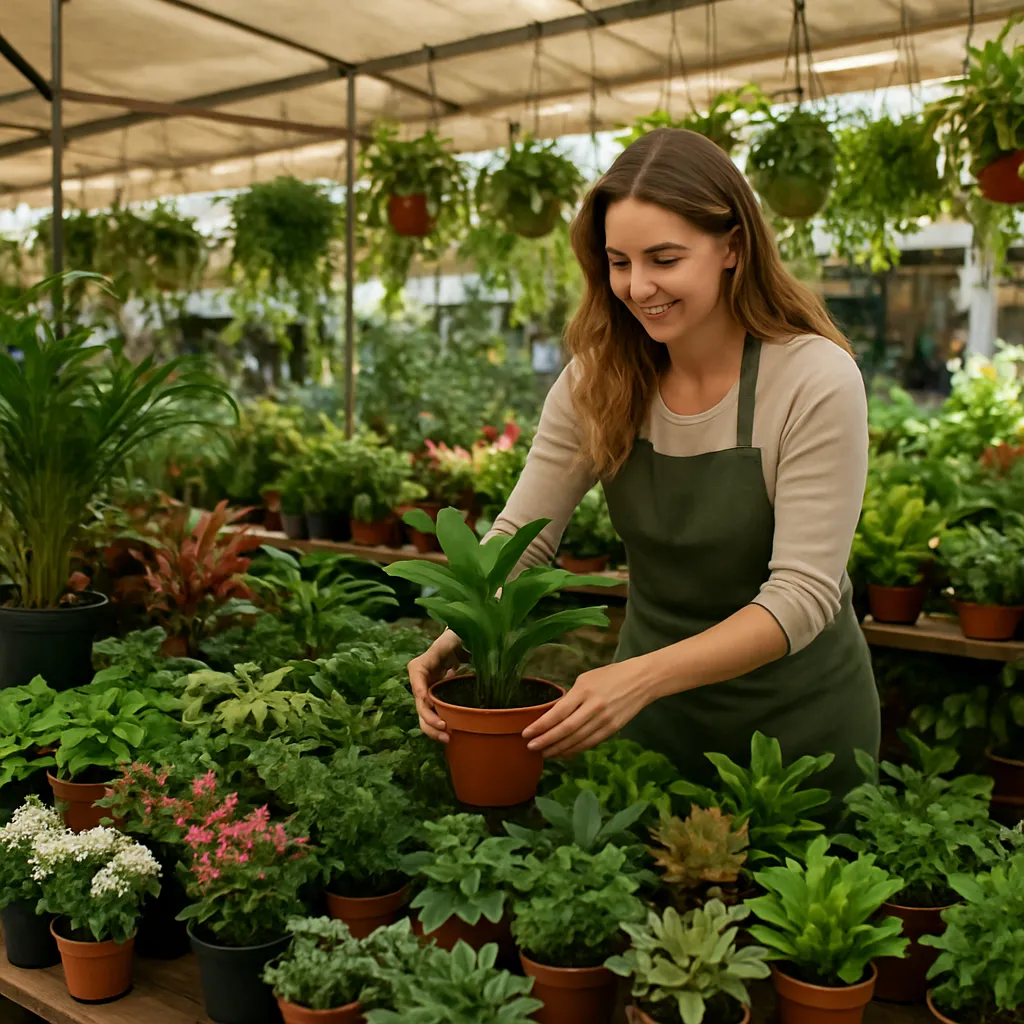
The demand for ornamental plants spans local garden centers, urban households, corporate landscaping projects, and global e-commerce platforms. Urbanization, increased interest in green living, and the popularity of indoor plants have expanded markets for potted plants, succulents, cut flowers, and decorative foliage. Understanding demand segments is critical: retail consumers often seek aesthetics and convenience, while landscapers and retailers prioritize consistency and availability.
Opportunities exist at multiple points along the value chain:
- Retail pot sales aimed at hobby gardeners and urban consumers.
- Wholesale production for garden centers, florists, and landscapers.
- Value-added products such as terrariums, pre-planted containers, and plant-based gift items.
- Online direct-to-consumer sales leveraging social media and marketplaces.
A shift toward environmentally responsible products also creates niches for organic, native, and pollinator-friendly ornamentals. Producers who can guarantee sustainability and traceability may capture premium prices.
Production, Propagation and Sustainable Practices
Successful ornamental production depends on sound propagation techniques, efficient greenhouse or nursery management, and careful attention to post-harvest handling. Propagation methods—seed, cuttings, layering, and tissue culture—determine scale, genetic uniformity, and time to market. Many growers find that learning and mastering a few high-demand species yields better returns than attempting an overly diverse catalog too quickly.
Propagation and Crop Selection
When choosing species, consider local climate, market preferences, and labor requirements. Fast-growing, resilient species often offer quicker turnover and faster return on investment. For higher margins, focus on specialty plants such as rare succulents, heirloom ornamentals, or regionally adapted native species. Control of propagation can also reduce input costs and protect intellectual property for unique cultivars.
Sustainable Practices and Resource Efficiency
Water-efficient irrigation, integrated pest management (IPM), and the use of renewable energy in greenhouses reduce operating costs and appeal to environmentally conscious buyers. Employing biodegradable potting media, recycling irrigation runoff, and using cover crops or mulches helps maintain soil health. These practices support long-term productivity and align with consumer demand for ethical and low-impact products.
- Propagation: master a few techniques suited to target crops.
- Soil and media: maintain quality to ensure vigorous growth.
- Pest management: emphasize biological controls and monitoring.
- Water use: implement drip irrigation and rainwater capture.
Marketing, Distribution and Value Chains
Marketing ornamental plants successfully requires clear positioning and reliable channels. Differentiation can be achieved through branding, packaging, and by offering services such as plant care guides or subscription delivery. Distribution options include farmers’ markets, consignment at garden centers, direct sales from the nursery, and online platforms.
Channels and Sales Strategies
Farmers’ markets and local pop-ups help build a brand and gather customer feedback, while wholesale contracts provide volume and stability. Online sales open access to broader markets but demand careful handling and robust logistics. Consider hybrid models: use local direct sales for bulky items and online channels for compact or high-value species.
- Local markets: fast feedback, lower logistics costs.
- Wholesale: steady orders, volume discounts, but lower margins.
- E-commerce: broad reach, higher margins for specialized items.
- Export: requires compliance with phytosanitary regulations and strong logistics.
Logistics and packaging directly affect plant survival and customer satisfaction. Invest in sturdy, lightweight packaging, temperature control for sensitive shipments, and clear labeling with care instructions to reduce returns and negative reviews. Partnerships with reliable couriers and use of local pickup points can cut costs for perishable or fragile items.
Business Planning, Finance and Risk Management
Turning ornamentals into a profitable enterprise requires solid financial planning. Start with a realistic budget that captures fixed costs (greenhouses, benches, irrigation) and variable costs (substrate, fertilizers, pots, labor). Track cost per pot or unit, and forecast cash flow across seasons to manage peak production periods and slower sales months.
Pricing and Cost Control
Price based on production cost plus margin but stay informed about competitor pricing and perceived value. Value-added services—custom arrangements, workshops, or plant care subscription plans—can boost revenue and customer loyalty. Adopt simple cost-control measures such as optimizing labor through task batching and mechanizing repetitive tasks where feasible.
Risk Management
Risks include pest outbreaks, extreme weather, market price fluctuation, and supply chain interruptions. Mitigate these with diversified product lines, off-season offerings (e.g., winter greenhouse crops), and contingency funds. Insurance for crop loss and business interruption can protect against catastrophic events. Keep a portion of production flexible—plants that can be delayed or fast-tracked—to respond to market changes.
Compliance, Certification and Support Networks
Regulatory and certification frameworks affect market access. Phytosanitary certificates, organic labels, and plant health inspections are often necessary for wholesale and export. Certifications can also enhance consumer trust, especially among buyers willing to pay premiums for certified products. Engage with local agricultural extension services, industry associations, and cooperative networks to access training, bulk input purchasing, and marketing support.
- Certification: evaluate cost vs. market benefit before pursuing labels.
- Regulation: maintain accurate records for traceability and compliance.
- Networks: leverage cooperatives to reduce costs and increase bargaining power.
Technical assistance and farmer field schools can accelerate adoption of best practices. Collaboration with landscape professionals can steady demand and create long-term contracts for plant supply. Use social media and community engagement to educate customers about plant care and the benefits of locally grown ornamentals.
Practical Steps to Start Small and Scale
For newcomers, a gradual approach reduces risk. Begin with a limited set of high-demand species, validate sales channels locally, and reinvest profits into infrastructure and expanded production. Track performance metrics—turnover rate, mortality, customer repeat rate—and refine operations based on data. When scaling, standardize production protocols, invest in staff training, and document propagation and care procedures to maintain quality.
- Run pilot batches to test varieties and packaging.
- Build a simple accounting system to monitor profitability by crop.
- Create partnerships with local retailers to secure shelf space.
- Gradually introduce value-added items to increase average sale value.
By balancing horticultural skills with business acumen, ornamental plant production can become a dependable source of supplemental income. Focus on quality, consistency, and customer education to build a brand that stands out. With prudent planning and adaptive practices, growers can tap into the expanding demand for plants while enhancing farm resilience and creating meaningful economic opportunities.