The European and global agricultural landscape is undergoing rapid transformation as producers, processors and consumers reshape the way food is grown, marketed and consumed. Among livestock sectors, rabbit meat occupies a unique niche: traditionally important in some regions, underutilized in others, and increasingly the subject of discussion around sustainability, animal welfare and culinary innovation. This article explores the evolution of rabbit meat markets, consumer attitudes shaping demand, and broader agricultural market forces that interact with this segment, offering an integrated view of supply chains, policy and future opportunities.
Market dynamics and production systems
Rabbit meat production has evolved from small-scale, often household-based systems to more commercial and sometimes industrial models in parts of Europe, Asia and the Americas. Production intensity varies widely: family farms continue to dominate in Mediterranean countries, while specialized farms with controlled environments and genetic selection have emerged where demand supports scale.
Key drivers of market dynamics include input costs, feed availability, disease management and regulatory frameworks. As with other livestock, the cost of feed can be a major determinant of profitability. Modern producers invest in improved genetics, better housing and biosecurity to reduce mortality and improve conversion rates. At the same time, issues such as zoonotic disease risk, antibiotic use and environmental regulations push some producers toward alternative management strategies.
- Production models: backyard and artisanal to commercial and integrated operations.
- Value chain integration: local slaughterhouses, regional processors and cross-border trade.
- Technological adoption: automation in feeding, climate control and waste management.
Across markets, rabbit meat faces both opportunities and constraints. On the opportunity side, it presents a low-fat, high-protein option with relatively rapid production cycles, making it attractive for producers seeking more frequent cash flows. Constraints include consumer unfamiliarity in some countries, limited retail presence, and competition from poultry and pork which achieve greater economies of scale.
Consumer attitudes, preferences and barriers
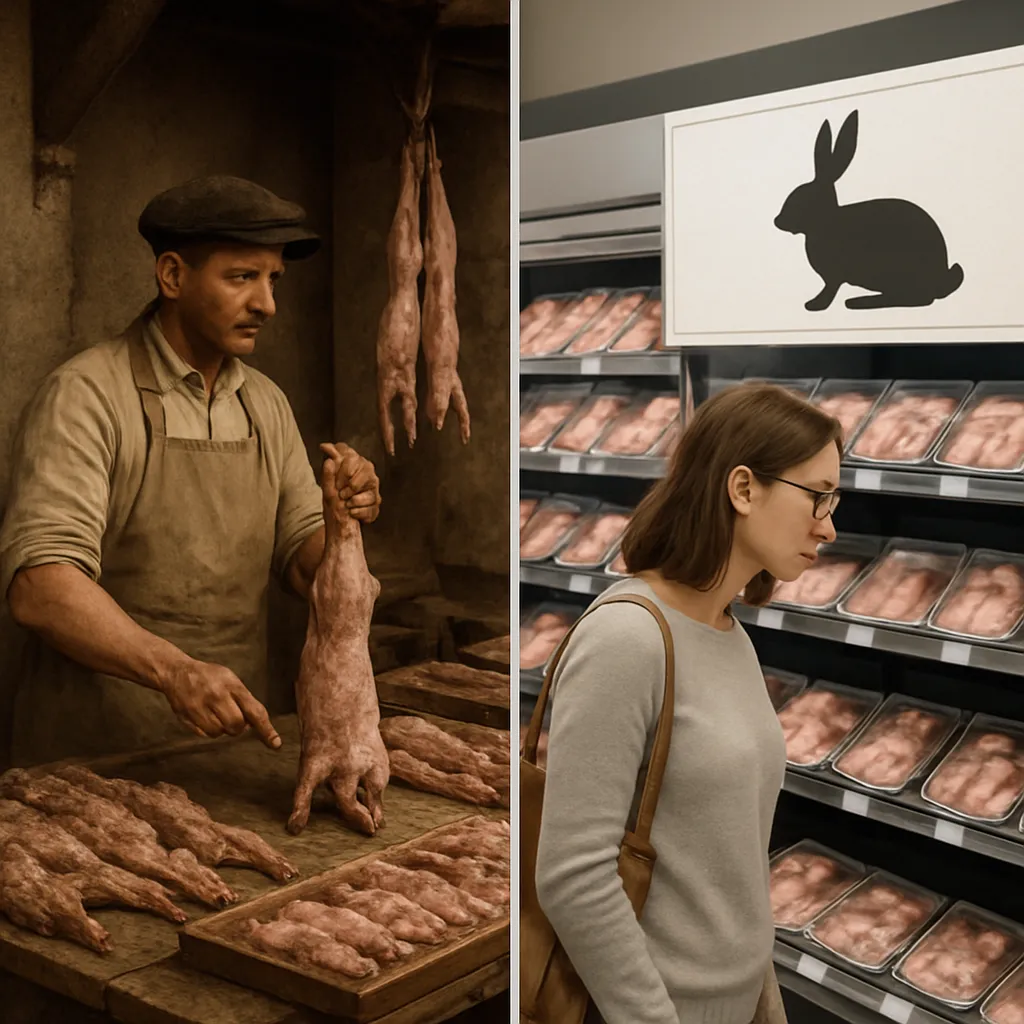
Consumer perceptions of rabbit meat are heterogeneous and shaped by culture, history, culinary tradition and media. In regions where rabbit has been a staple, consumers often appreciate its nutrition profile — lean meat with favorable protein-to-fat ratios — and its versatility in recipes. In contrast, in markets where rabbit is less common, psychological and ethical concerns can form significant barriers to consumption.
Several factors influence consumer choices:
- Health and nutrition claims: Many consumers respond positively to messaging about low fat and high protein, but require clear, trustworthy information.
- Animal welfare concerns: For some consumers, the image of rabbits as companion animals creates reluctance to purchase rabbit meat unless they are reassured by welfare standards and transparency in production.
- Price and affordability: Rabbit must compete with more established meats; competitive pricing and perceived value determine its market segment — whether premium, niche or mainstream.
- Culinary familiarity: Consumers are more likely to try rabbit if they access recipes, cooking demonstrations and ready-to-cook products that reduce preparation barriers.
Market research indicates that younger, urban consumers can be open to trying alternative proteins if products are well-branded and positioned around innovation and sustainability. Ethnic communities with traditional recipes may maintain stable demand, while foodservice channels (restaurants, bistros) can drive perception changes through menu inclusion and chef endorsements.
Marketing, labeling and positioning strategies
Successful expansion of rabbit meat markets depends on strategic marketing and careful product positioning. Producers and processors should consider segmentation: positioning rabbit as a niche gourmet option in high-income segments versus an affordable, healthy protein for broader markets. Labeling plays a key role; claims about traceability, antibiotic-free production and welfare certification can reassure skeptical consumers.
Recommended marketing levers
- Storytelling: Emphasize local provenance, small-farm heritage or culinary traditions to build emotional connection.
- Certification and traceability: Third-party welfare and safety certifications build trust and allow premium pricing.
- Product innovation: Value-added formats (marinated, ready-to-cook, processed items) lower the barrier to trial.
- Partnerships with chefs and food influencers: Culinary endorsement can reframe rabbit from unfamiliar to desirable.
Retailers and exporters should invest in educational campaigns that highlight cooking methods and nutrition facts. Digital channels offer cost-effective ways to reach curious consumers and to collect feedback that refines product offerings.
Environmental and sustainability considerations
Compared with larger livestock, rabbits can have a relatively low environmental footprint per kilogram of edible meat owing to efficient feed conversion and smaller spatial requirements. However, a comprehensive assessment depends on feed source, manure management and energy use in production facilities. Promoting rabbit meat as a sustainable alternative requires life-cycle analyses that transparently quantify greenhouse gas emissions, land use and water consumption.
Key sustainability measures include:
- Optimizing feed sources to reduce reliance on high-impact ingredients.
- Implementing manure management systems that minimize nutrient runoff and methane emissions.
- Designing housing for energy efficiency and animal welfare.
Producers who can demonstrate measurable sustainability improvements gain access to environmentally conscious consumers and to value chains prioritizing transparent sourcing.
Policy, regulation and market access
Regulatory environments shape the development of rabbit markets. Sanitary standards, labeling requirements and animal welfare regulations vary by country and can either facilitate or hinder trade. Harmonizing standards regionally can expand market access for producers, while clear export protocols are essential for targeting international markets where demand exists.
Government and industry interventions that support market growth might include:
- Extension services to improve farm-level biosecurity and production efficiency.
- Grants or low-interest loans for smallholders to adopt improved housing and processing equipment.
- Marketing campaigns financed through industry groups to build consumer awareness.
- Support for research into breeds, feed efficiency and disease resistance.
Public policy that aligns food safety, trade facilitation and rural development objectives will likely determine whether rabbit remains a localized specialty or becomes a broader component of protein portfolios.
Supply chain resilience and innovation
Building resilient supply chains for rabbit meat requires attention to cold chain logistics, slaughter and processing capacity, and distribution networks. Because rabbit carcasses are relatively small and perishable, efficient collection and rapid processing are critical. Innovations that strengthen resilience include cooperative models that aggregate small-scale producers, mobile slaughter units that reduce transport stress, and digital platforms that match supply with demand.
- Cooperatives can provide bargaining power, shared services and access to markets.
- Traceability technologies, including simple QR codes linked to farm data, improve consumer confidence.
- Diversification into processed products reduces spoilage risk and extends shelf life.
New business models such as farm-to-table subscriptions and partnerships with online grocers can open alternative channels, particularly in urban markets seeking diversified protein sources.
Challenges, opportunities and future outlook
Challenges for the rabbit meat sector include overcoming cultural reluctance in some markets, scaling production without compromising welfare, and competing on price with established meats. Yet there are significant opportunities: growing interest in alternative proteins, the search for low-impact meats, and niche culinary trends that value novelty and quality.
To capture these opportunities, stakeholders across the chain must collaborate on several fronts:
- Research and development to improve genetics, feed formulations and disease control.
- Marketing investments to shift consumer perceptions and demonstrate culinary value.
- Policy engagement to reduce non-tariff barriers and to standardize welfare and safety norms.
- Value-chain innovations that deliver convenience and traceability to end consumers.
When producers and marketers align on a value proposition — combining affordability, ethical production and culinary appeal — rabbit meat can occupy a stable place in diversified agricultural markets, offering both producers and consumers an alternative that meets evolving expectations for food systems.