The global agricultural landscape is becoming increasingly sensitive to climatic shifts, and this sensitivity is especially visible in high-value, perishable commodities. Avocados have emerged from a niche crop to a staple of modern diets in many countries, and with that transition has come heightened attention to how environmental changes affect the chain from grove to table. This article explores how climate change influences avocado production, how those effects transmit into market dynamics for the fruit, and what producers, traders, and policymakers can do to reduce risk and increase resilience.
How environmental stressors alter production
Avocado trees are biologically and environmentally demanding. They require specific temperature ranges, reliable water supplies, and stable seasonal patterns for flowering and fruit set. Rising temperatures and erratic precipitation patterns driven by climate change interfere with these biological processes and translate into variability in both quantity and quality of fruit. For clarity, consider a few major mechanisms at work:
- Water stress and irrigation demands: Periods of drought reduce soil moisture and concentrate competition for limited water resources. Avocado orchards often rely on supplemental irrigation; when water becomes scarce or expensive, growers cut back, reducing fruit size and total yield. Water allocation policies in drought-prone regions may also restrict irrigation, further amplifying production risk.
- Temperature extremes and pollination: Avocados have a complex flowering biology that depends on synchronized male and female phases. Heatwaves or unseasonably warm winters can disrupt flowering schedules and interfere with effective pollination, decreasing fruit set. Frost events, meanwhile, can kill young shoots and blossoms, creating sudden drops in production.
- Pest and disease dynamics: Warmer, wetter conditions can favor pests and pathogens that previously were constrained by climate. New pests or amplified outbreaks increase input costs for farmers and can necessitate chemical controls, shifting production toward higher costs and greater environmental burden.
- Soil and erosion impacts: Intense rainfall episodes can erode topsoil and damage root systems, while changing microclimates can alter nutrient availability. These cumulative effects lower long-term orchard productivity and resilience.
Regional and temporal disparities
Not all producing regions experience the same trends. Some areas may see longer growing seasons, while others suffer from more frequent droughts or storms. Major suppliers in Central and South America, as well as parts of Africa and southern Europe, face divergent pressures. The variability in where and when avocados can be produced leads directly to variability in global flows and market expectations, making forecasting more complex and increasing short-term volatility in prices.
Market transmission: from fields to price tags
The price of avocados on supermarket shelves reflects a convolution of biological cycles, storage and transport economics, and financial market dynamics. When climate-driven supply shocks occur, they transmit through several channels:
- Immediate supply shortages: Reduced production or harvest delays create scarcity in destination markets, pushing spot prices up sharply. Because avocados are perishable, there is limited capacity to smooth these shocks with long-term storage.
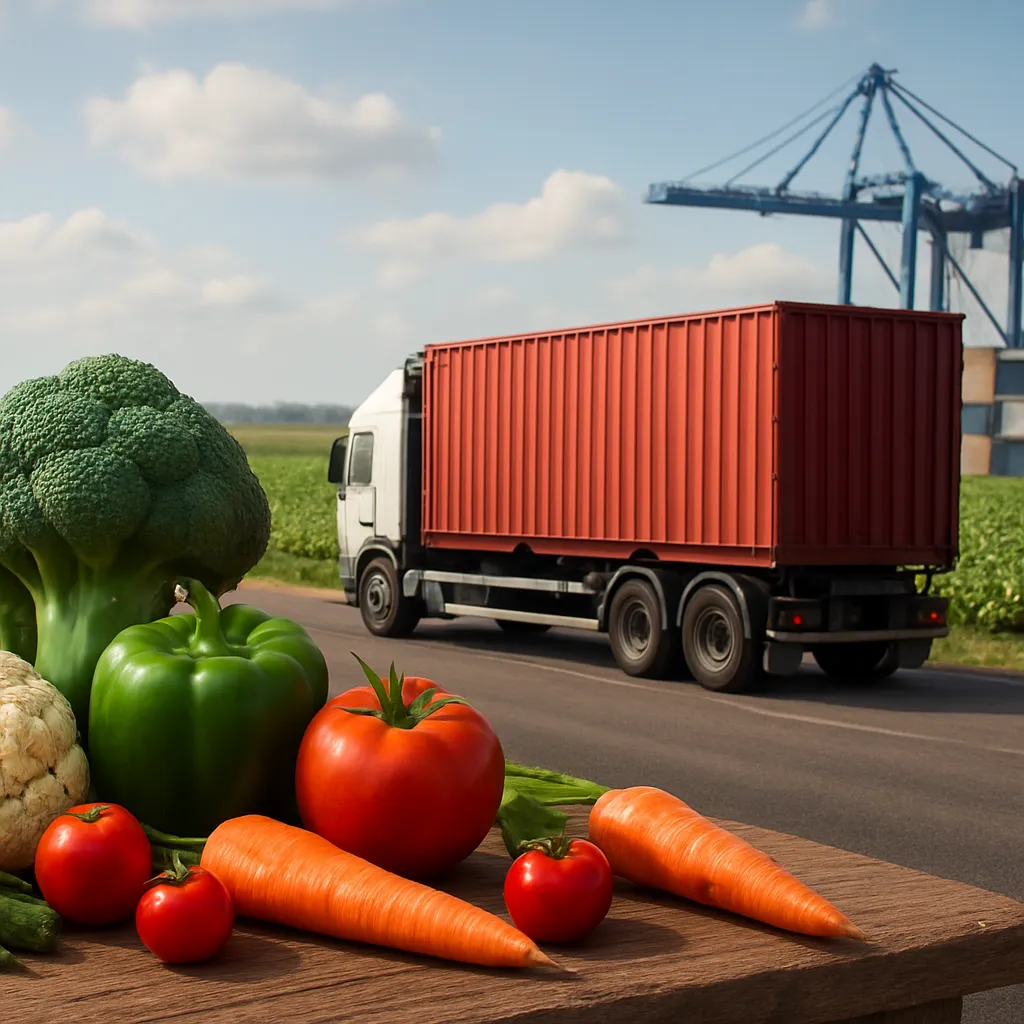
- Supply chain bottlenecks: Storm damage to ports, closed roads, or logistics disruptions increase transit times and spoilage risk. Even when production is adequate, distribution interruptions raise effective scarcity and raise consumer prices.
- Speculation and futures transmission: Traders in commodity markets incorporate climate risk into forward pricing. Anticipatory buying ahead of expected shortages can magnify price swings in physical markets.
- Cross-commodity effects: Avocado price movements can be linked to other soft commodity markets. For example, when drought reduces both avocado and other orchard crop yields, shared transport and labor constraints can amplify price responses across the board.
Two structural features of the avocado market make it particularly prone to large price movements. First, consumer demand is relatively inelastic in the short run: taste trends and dietary shifts have sustained strong baseline consumption, and consumers often pay higher prices rather than substitute away immediately. Second, supply responds slowly: trees take years to reach full production, meaning that corrective planting in response to high prices is a multi-year process. Together these features produce persistent price effects after a climate shock.
Seasonality and market smoothing
Global trade partly smooths seasonal scarcity by moving fruit from one hemisphere or region to another. However, as climate impacts become more synchronized across regions (for example, a widespread drought tied to El Niño conditions), the ability of global trade to stabilize supply weakens. Storage technologies and ripening centers add flexibility, but cannot fully substitute for lost production.
Trade, geopolitics, and the role of major producers
Global avocado trade has expanded rapidly over the past decades. A handful of countries dominate supply for particular markets: for example, Mexico is a leading supplier to the United States; Peru, Chile, and South Africa contribute strongly to European markets. This concentration creates geopolitical and logistic vulnerabilities when environmental stress affects a major supplier.
- Export dependency: Countries that rely heavily on avocado exports are vulnerable to income shocks when production declines. This can lead to rapid shifts in trade policy, from export restrictions to subsidy programs, each of which feeds back into global price dynamics.
- Tariffs and trade agreements: Trade rules influence how quickly alternative supplies can be mobilized. Non-tariff barriers, phytosanitary requirements, and transportation costs all affect market response times to climate-driven supply changes.
- Investment and market entry: High prices incentivize new investment in plantations, often in marginal landscapes. Without proper regulation and sustainable practices, this can cause deforestation, biodiversity loss, and increased vulnerability to future climate variability.
Market signals and long-term shifts
Persistent climate trends can shift comparative advantages among producing regions. Areas with resilient water systems, cooler microclimates, or better infrastructure become more attractive for investment. Conversely, regions facing repeated extreme events may see exit from avocado cultivation or require significant capital to adapt. These structural shifts alter the geography of supply and can have lasting effects on global trade patterns and prices.
Adaptation strategies and risk management
Producers, supply-chain actors, and governments can deploy a mix of technical, financial, and institutional measures to reduce exposure to climate-driven price swings.
- On-farm adaptation: Improved irrigation efficiency (drip systems, soil moisture monitoring), diversified cropping, shade management, and selection of more resilient cultivars can mitigate yield losses. Agroecological practices such as intercropping and soil carbon enhancement increase resilience to extreme weather.
- Financial instruments: Crop insurance, weather-indexed insurance, and contract farming arrangements distribute risk between growers and buyers. Hedging via futures and options can reduce revenue uncertainty for larger producers and traders.
- Supply-chain innovations: Cold-chain investments, better forecasting, and flexible logistics improve the capacity to route supplies from alternative origins quickly. Vertical integration, where retailers source directly from producers, can stabilize procurement in facing volatile conditions.
- Public policy and governance: Public investment in water infrastructure, research on resilient cultivars, and supportive extension services help smallholders adapt. Transparent trade rules and emergency protocols can prevent counterproductive export bans that exacerbate global price spikes.
These strategies are more effective when coordinated. For example, pairing improved irrigation with access to affordable credit enables smallholders to adopt efficient systems. Similarly, reliable climate monitoring and early warning help traders and retailers adjust sourcing strategies before price shocks intensify.
Consumer choices and private-sector responsibility
Private actors — retailers, food-service companies, and consumers — can also influence market resilience. Demand-side measures include promotion of seasonally diversified menus, marketing alternatives during supply shocks, and support for sustainable sourcing programs that reward climate-smart practices with price premiums. Certification schemes and traceability can encourage best practices but require robust verification to avoid greenwashing.
Modeling, data, and early warning
Accurate modeling and timely data are critical to anticipating and mitigating price impacts. Integrating meteorological forecasts, remote sensing of vegetation health, and on-the-ground harvest reports can provide early indicators of production shortfalls. Econometric models that combine supply forecasts with demand elasticity estimates help stakeholders understand the likely price trajectories and design appropriate responses.
- Remote sensing and satellite monitoring: These tools track orchard health and water stress over large areas, providing near-real-time inputs to supply forecasts.
- Market analytics: Combining trade flow data with forecasted production figures allows traders and policymakers to identify likely bottlenecks and pre-position mitigation measures.
- Scenario planning: Stress-testing supply chains against extreme-weather scenarios helps private and public actors plan investments and contingency measures.
Improved data transparency and international cooperation in information sharing reduce panic-driven behaviors that can amplify price swings. In short, better data reduces uncertainty and allows more considered responses.
Concluding reflections on resilience and risk
As consumer demand for avocados continues to grow, so will attention to the environmental and market vulnerabilities underlying production. Climate-driven shocks are converting what were once gradual seasonal cycles into more frequent and unpredictable disruptions, increasing both the amplitude and frequency of price swings. Addressing these challenges requires a combination of on-farm adaptation, smarter trade and finance instruments, improved data systems, and policies that align incentives toward sustainable and resilient production. Only by treating environmental risk as integral to market analysis can stakeholders reduce disruptive price variability and build a more stable future for both producers and consumers.