The interaction between arable production and animal husbandry shapes rural economies and global food systems. This article examines the markets for forage crops, with particular emphasis on forage corn, the main feed grain for many ruminant and mixed livestock systems. It explores the structural elements of agricultural markets, the principal price drivers behind volatility, and the resulting consequences for the livestock sector. Farmers, traders, policy makers and supply chain managers can use these insights to make better operational and strategic decisions.
Market fundamentals of forage corn
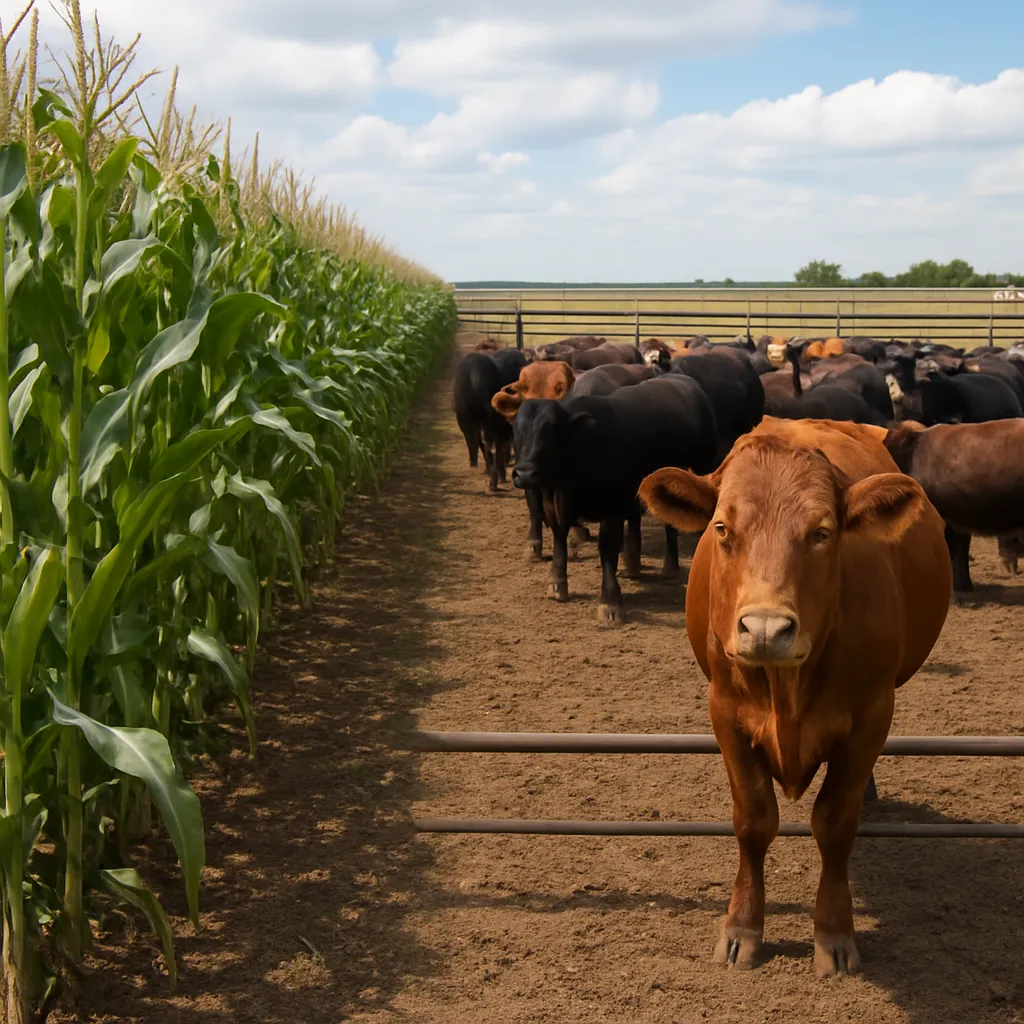
Forage corn occupies a unique place in agricultural markets because it serves dual roles: a primary source of digestible energy in silage-based systems and an adaptable commodity that can shift between feed and industrial uses. The market for forage corn is influenced by local production systems as well as international commodity flows, though forage-quality corn is often traded more locally than commodity dent corn.
Supply-side factors
- Crop acreage and rotation decisions: farmers balance corn with other crops like soybeans and winter cereals when making planting choices.
- Yield variability: dependent on weather, soil health, and agronomic practices.
- Input costs: seed, fertilizer, pesticides and machinery influence breakeven price thresholds for planting corn versus alternative crops.
- Harvest and storage infrastructure: silage capacity, drying facilities and transportation access affect the ability to market forage at optimal times.
Demand-side factors
- Animal inventories: herd sizes in dairy, beef and intensive livestock systems determine baseline feed demand.
- Feed conversion efficiency: genetic improvements and feed additives can change the quantity of corn required per unit of animal product.
- Substitution with other feeds: availability of conserved forages, distillers grains, or imported cereals shapes demand elasticity.
- Industrial diversion: in some regions, corn competes with biofuel and starch industries, creating cross-market linkages.
Understanding these fundamentals clarifies why local forage markets sometimes diverge from national grain price indices. Transport costs, quality attributes (e.g., starch content, fiber), and timing of feed use create price differentials not captured in broad commodity quotes.
Key price drivers for forage corn
Forage corn price dynamics reflect a complex mix of seasonal patterns, structural trends and exogenous shocks. Below are the most influential drivers that stakeholders should monitor.
Weather and climate variability
Weather remains the most immediate and unpredictable factor affecting both supply and quality. Droughts reduce yields and increase irrigation costs, while excessive rainfall can delay planting or lead to lodging and mycotoxin issues that lower the value of forage harvests. Longer-term climate trends—warmer springs, changed precipitation regimes, and increased frequency of extreme events—shift risk profiles and require adaptation in crop choices and management.
Input prices and production costs
Energy and fertilizer prices exert strong influence on planting decisions. High fertilizer costs can constrict planted area or prompt reduced application rates, resulting in lower yields. Labor and machinery costs, plus credit availability, also determine whether a producer expands or contracts forage production.
Macro-economic and policy forces
Exchange rates, trade policies, and subsidies can indirectly alter forage corn prices. For instance, export-led demand for grain can lift local prices even if forage-quality demand is unchanged. Biofuel mandates and tariff changes shift incentives for feed versus fuel uses of grain. Agricultural policy instruments such as price supports, disaster relief and crop insurance reshape risk-taking and market responses.
Livestock sector conditions
Livestock herd sizes and productivity trends directly influence feed demand. A growing dairy herd or intensification in feedlot operations will tighten feed markets, while herd liquidation or disease outbreaks reduce demand. Innovations in feed efficiency, or changes in animal diets driven by consumer or regulatory pressures, can also reduce reliance on corn and temper price spikes.
Market structure and logistics
Local elevator capacity, rail and road access, and concentration of buyers influence the degree to which price shocks are transmitted. Thin markets with few buyers can see larger price swings, while integrated supply chains with contractual arrangements can smooth price signals.
Impacts on the livestock sector
The implications of forage corn price movements differ by livestock enterprise, region and management system. Understanding these differentiated impacts helps producers and advisors tailor adaptive responses.
Dairy systems
Dairy operations are particularly sensitive to silage and grain costs because feed typically represents the largest single expense. Rising forage corn prices compress margins and may trigger several responses:
- feed ration reformulation to include less expensive ingredients or higher-quality forages;
- reduction in herd size or delayed expansion plans;
- investment in storage and processing to preserve quality and lower per-unit feed costs.
Beef and feedlot operations
Feedlot profitability hinges on predictable feed cost inputs and stable weight gain performance. Higher corn prices incentivize alternative finishing strategies (e.g., extended pasture finishing, increased use of byproducts) and can shift supply toward lighter finished weights or different market windows.
Smallholder and mixed farms
For systems where livestock provide multiple functions—draft power, manure, household nutrition—volatile corn prices can have wider welfare implications. High feed prices may force households to sell animals prematurely or reduce herd maintenance, undermining long-term resilience.
Supply chain interactions
Processor margins, feed mill operations and retail meat/dairy prices respond to upstream forage cost changes. While retail prices may not move in lockstep due to processing costs and market segmentation, persistent feed-driven cost increases eventually transmit through the chain, affecting consumer prices and demand patterns.
Risk management, adaptation and policy responses
Stakeholders have multiple tools to manage risk from forage corn price volatility. Decisions combine on-farm practices with market instruments and policy measures.
On-farm strategies
- diversified crop rotations and intercropping to spread yield risk;
- improved storage (silage clamps, bunkers) to preserve surplus in good years;
- precision nutrient management and drought-tolerant hybrids to stabilize yields;
- contracting and forward pricing to lock in feed costs.
Market and financial instruments
Futures and options markets, where available, allow producers and feed users to hedge against price swings. Insurance products—revenue protection, multi-peril crop insurance—provide another layer of stability. Cooperative buying and vertical integration can also reduce exposure to spot market shocks.
Policy levers
Governments can mitigate extreme impacts through targeted relief programs, strategic reserves, and infrastructure investments that lower transaction costs. Policies that support research into resilient varieties, extension services, and alternative feed sources strengthen systemic resilience. It is important that interventions avoid creating perverse incentives that encourage overproduction or environmentally harmful intensification.
Emerging considerations
Two trends merit attention. First, the growing emphasis on sustainability and carbon accounting may change production decisions and create premiums or penalties that affect forage economics. Second, digitalization—satellite yield forecasting, precision irrigation, and blockchain-enabled traceability—can improve market transparency but may also reallocate rents within supply chains. Stakeholders who adopt technologies that reduce production uncertainty will be better placed to navigate volatile price environments.
Operational recommendations for producers
- monitor a basket of indicators: local yield data, fertilizer prices, herd inventories and macroeconomic signals;
- maintain flexible feed strategies that allow substitution between conserved forages, byproducts and cereals;
- use contractual arrangements where feasible to stabilize cash flow and plan investments;
- invest in soil health and conservation practices to enhance long-term yield stability under shifting climatic conditions.
The interdependence of supply and demand in forage corn markets underscores the need for integrated analysis: agronomic choices influence market outcomes and vice versa. By aligning production practices, financial hedges and policy supports, the agricultural sector can better absorb shocks and maintain productive, resilient livestock systems even as global pressures evolve.