The intersection of renewable energy development and agriculture is reshaping rural landscapes, farmer livelihoods, and global markets. Investments in clean energy — from utility-scale solar and wind to community biogas and biomass projects — present both opportunities and risks for food production, land management, and long-term sustainability. This article explores how capital flows into renewables influence land use, commodity prices, farm incomes, supply chains, and the social fabric of rural areas, while outlining policy and financial pathways that can help align green energy expansion with agricultural resilience and food security.
Land use, farm operations and technology interactions
As investors deploy capital in solar parks, wind farms, and bioenergy facilities, the spatial footprint of renewable infrastructure becomes a central concern for agriculture. These developments can change how land is allocated, how farms operate, and what technologies are adopted at the field level. Understanding these dynamics requires examining the trade-offs between energy and food production as well as the potential for synergies.
Solar and wind integration on farmland
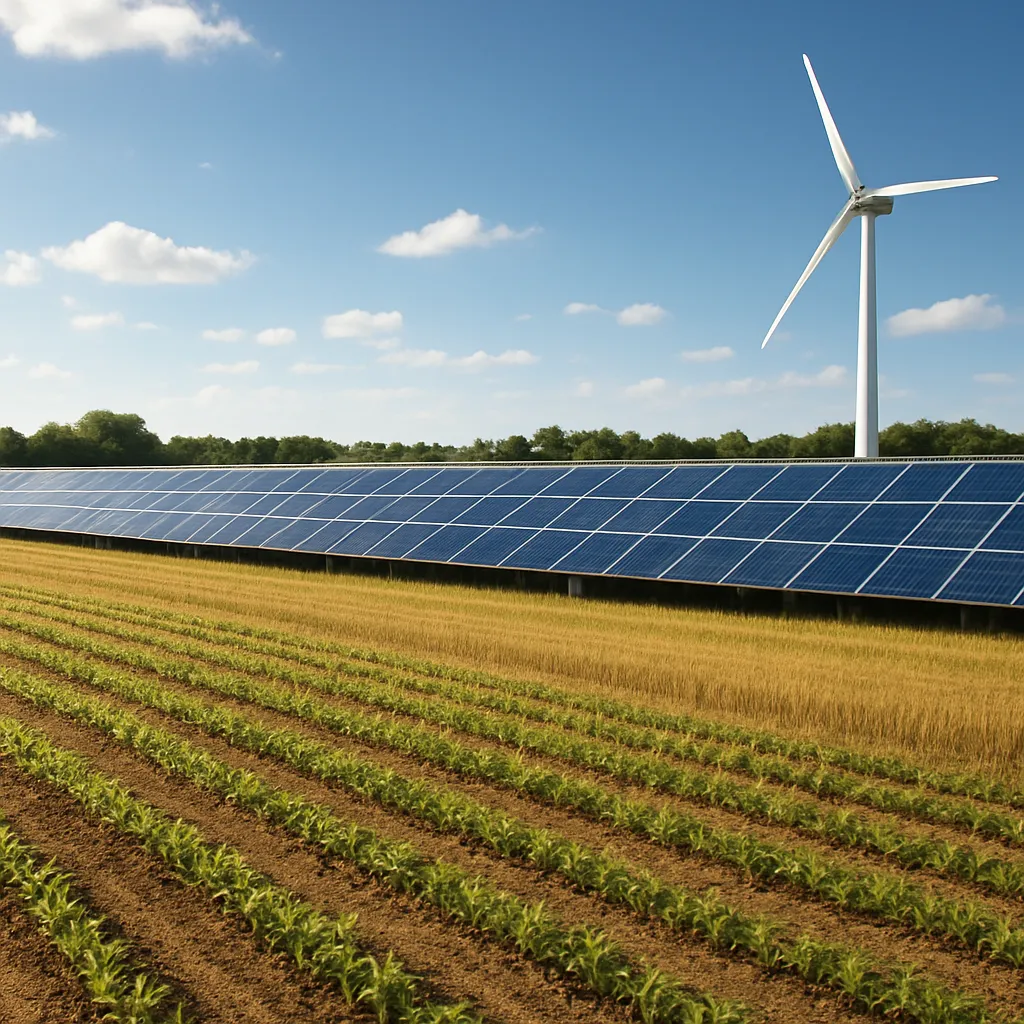
Large-scale investment in ground-mounted solar arrays and wind turbines often targets flat, open agricultural land because of favorable construction and maintenance conditions. While this can reduce the acreage available for conventional cropping, there are emerging practices that can mitigate negative impacts. Agrivoltaics, for example, combines photovoltaic panels with crop or livestock production on the same area, enabling dual land use. Managed appropriately, agrivoltaic systems can boost water-use efficiency, reduce heat stress on crops, and generate an additional income stream for farmers.
Wind installations typically have a smaller physical footprint relative to their nameplate capacity, allowing continued cultivation or grazing between turbine bases. However, access roads and transmission corridors can fragment fields and necessitate new management plans. Spatial planning and contractual arrangements can help ensure that farmers benefit economically while maintaining productive operations.
Bioenergy and feedstock dynamics
Bioenergy projects — whether for heat, power, or liquid fuels — create demand for biomass feedstocks such as energy crops, crop residues, and organic waste. This demand can provide new revenue opportunities but also influence cropping choices and input use. For instance, dedicated energy crops like miscanthus or short-rotation coppice can be profitable on marginal lands but may compete with food crops on more productive soils. The sustainability of bioenergy hinges on careful land-use assessment and lifecycle emissions accounting to avoid indirect land-use change that could harm carbon budgets or food security.
Market effects: prices, supply chains and trade
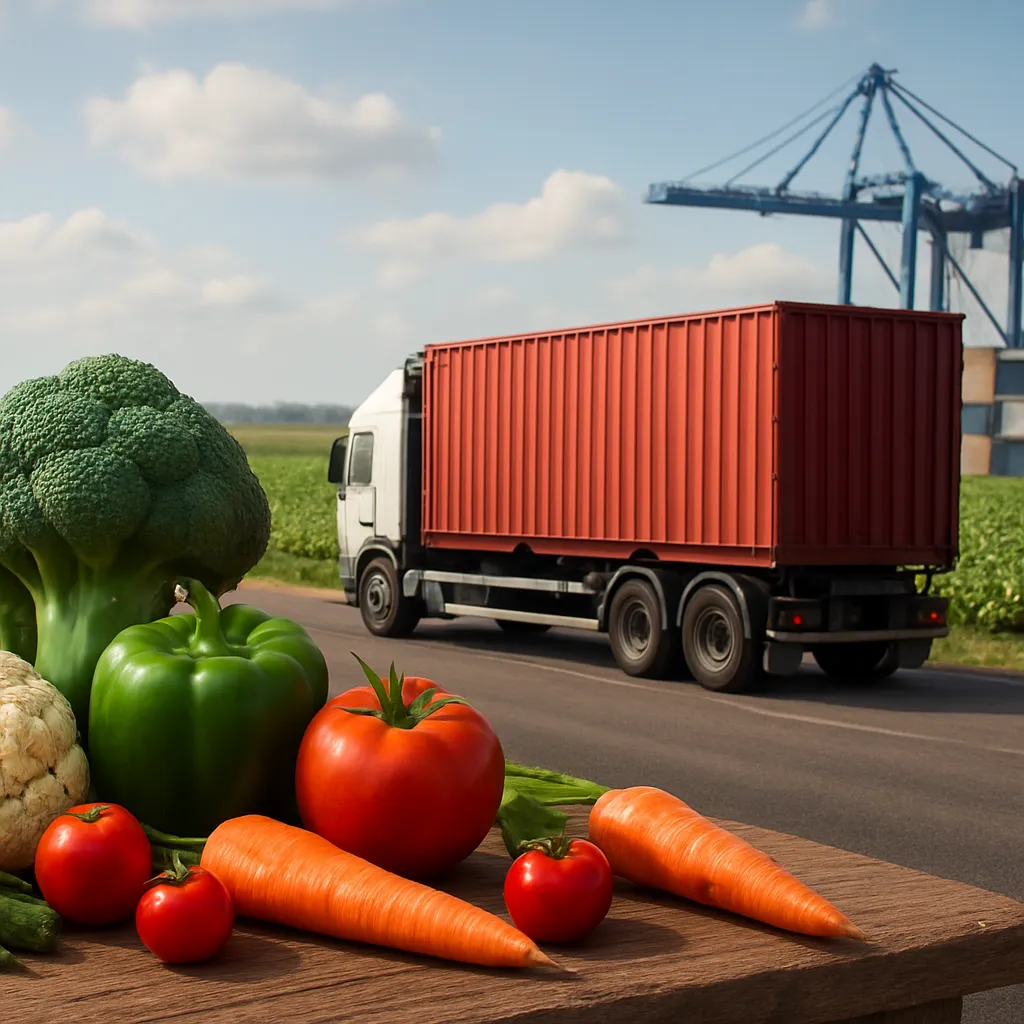
Renewable energy investments alter agricultural markets through several channels: changes in land allocation affect supply; new demand for bio-based feedstocks shifts commodity balances; and energy prices and inputs (notably fuel and fertilizer) respond to transformations in the energy sector. These interactions can reverberate through supply chains and international trade.
Commodity supply and price signals
- Reduced arable area due to energy infrastructure can tighten local supplies of certain crops, potentially raising prices for nearby markets.
- Conversely, increased farm incomes from land leases or on-site energy production may enable investments in productivity, increasing yields and stabilizing supply.
- Bioenergy demand can lift prices for specific feedstocks, benefiting producers but also creating cost pressures for livestock sectors that rely on the same crops.
Price effects depend heavily on the scale and spatial distribution of renewable investments. Localized wind and solar projects typically have modest impacts on global commodity markets, whereas widespread conversion of cropland to energy crops or massive feedstock procurement by biofuel facilities can influence regional and international price dynamics.
Energy, input costs and farm competitiveness
The shift towards renewable sources can lower long-term energy costs for rural economies, especially when farms gain access to inexpensive on-site generation. Reduced reliance on volatile fossil fuel markets can stabilize operational budgets and improve resilience. However, the transition period may bring higher electricity or biofuel prices if infrastructure costs are passed to consumers, affecting costs of irrigation, machinery operation, and fertilizer production — the latter being particularly energy-intensive.
Fertilizer prices are closely tied to natural gas costs and the broader energy system. As the energy transition evolves, policy design matters: subsidies or tariffs in energy markets can indirectly raise fertilizer costs, altering input decisions and potentially reducing crop yields if farmers cut back on usage.
Economic and social impacts on rural communities
Beyond markets, renewable investments transform the socio-economic landscape of rural areas. Lease payments, job creation, and increased municipal revenue can enhance local welfare, yet distributional outcomes vary and can generate conflict without inclusive planning.
Income diversification and employment
Farmers and landowners may receive steady lease payments for hosting renewable installations, creating a buffer against crop price volatility. New local employment arises during construction, and to a lesser extent during long-term operation and maintenance. However, many operational roles are specialized and thus may recruit outside the community if local training is insufficient. Ensuring skill development and prioritizing local hiring can maximize community benefits.
Equity, land tenure and community cohesion
Land tenure systems strongly influence who gains from renewable projects. Where tenure is insecure or smallholder populations lack access to formal contracts, the benefits of investment can bypass the most vulnerable. Large-scale land acquisitions for bioenergy or solar can also expose communities to displacement or reduced access to common resources. Transparent negotiation, fair compensation, and community engagement are essential to prevent social tensions and ensure that transitions are sustainable and equitable.
Environmental and agronomic consequences
Renewable energy projects have mixed environmental outcomes for agricultural systems. Some interventions can improve ecosystem services, while others pose risks to biodiversity, soil health, and water resources.
Positive synergies
- Agrivoltaic systems can reduce evapotranspiration and ameliorate heat stress on crops, improving yields under certain conditions.
- On-farm anaerobic digesters turn manure and crop residues into biogas and nutrient-rich digestate, reducing greenhouse gas emissions and returning organic matter to soils.
- Reduced fossil fuel consumption lowers emissions associated with agricultural inputs and on-farm operations.
Potential risks
- Conversion of high-quality cropland to energy monocultures can decrease biodiversity and carbon sequestration capacity.
- Impermeable surfaces and altered drainage from infrastructure can exacerbate runoff and soil degradation.
- Large-scale biomass harvesting may deplete soil organic matter if residues are removed unsustainably.
Designing projects with environmental safeguards, spatial planning that avoids high-value conservation and production areas, and circular practices that recycle nutrients can minimize harms while enhancing co-benefits between energy and agriculture.
Policy, finance and governance pathways
Well-crafted policy and financing mechanisms determine whether renewable investments strengthen or undermine agricultural systems. Coherent strategies can foster win-win outcomes where energy expansion supports resilient and productive agriculture.
Incentives and regulatory frameworks
Policies that integrate agricultural objectives into energy planning — for example, incentivizing agrivoltaics, mandating bioenergy sustainability criteria, or protecting prime farmland from conversion — help align outcomes. Land-use zoning, environmental impact assessments, and community benefit agreements can safeguard local interests. Fiscal tools like feed-in tariffs, tax incentives, or green bonds directed at agro-energy projects can mobilize capital while shaping project design towards multi-functional land use.
Financial instruments and risk management
Investors and financiers play a crucial role by incorporating social and environmental risk assessments into lending criteria. Blended finance, where public funds de-risk projects for private investors, can support smaller-scale, community-led renewable initiatives that integrate agricultural objectives. Crop insurance, price stabilization mechanisms, and income-smoothing instruments can protect farm households from transitional shocks as energy markets evolve.
Stakeholder engagement and capacity building
Inclusive decision-making strengthens legitimacy and outcomes. Participatory planning processes, transparent contract standards, and legal assistance for landowners enhance fairness. Capacity building for farmers in new management practices, agrivoltaic design, or biomass supply logistics enables local actors to capture value. Collaborative research between agronomists, energy engineers, and economists can generate context-specific models for co-locating energy and agricultural activities.
Practical measures for aligning renewable investments with agricultural resilience
Implementing effective practices requires actionable steps across sectors. The following measures can guide policymakers, investors, and communities:
- Prioritize siting of large installations on degraded, marginal, or otherwise low-yielding lands before converting prime agricultural soils.
- Support pilot projects for agrivoltaics and integrated bioenergy systems to generate evidence on co-benefits and best practices.
- Integrate sustainability criteria into procurement and financing processes for bio-based feedstocks, including soil carbon safeguards and biodiversity metrics.
- Design revenue-sharing mechanisms that allocate a meaningful portion of project returns to local communities and smallholder farmers.
- Invest in workforce training programs to ensure local participation in construction, maintenance, and supply-chain roles.
- Promote data transparency on land leases, environmental impacts, and economic benefits to foster trust and accountability.
As the pace of renewable investment accelerates, the choices made by governments, investors, and rural stakeholders will determine whether energy transitions complement agricultural productivity and livelihoods or create new tensions. By embedding agricultural considerations in energy planning and directing finance toward integrated solutions, it is possible to harness the opportunity to decarbonize energy systems while supporting resilient food systems and thriving rural economies.