The functioning of global agricultural markets shapes the availability and affordability of food for billions. In a complex web of production, trade, finance and policy, prices for commodities from cereals to marine fish reflect shifting patterns of demand, supply, and a growing influence of technology and environmental change. This article examines how agricultural markets operate, the specific dynamics affecting marine and aquaculture products, and the tools that stakeholders use to manage risk and capture value across value chains.
Market dynamics and price formation
Prices in agricultural markets are the outcome of continuous interactions between producers, traders, processors and consumers. Several structural and cyclical factors determine price levels and their variability.
Key drivers of agricultural prices
- Supply shocks: Weather extremes such as droughts, floods and heat waves directly reduce yields and raise market prices. Pest and disease outbreaks can have similar effects.
- Demand shifts: Rising incomes, population growth, and dietary changes increase demand for animal protein, oils and processed foods, lifting commodity prices.
- Input costs: Fertilizer, fuel, seed and labor costs influence producers’ break-even prices. Volatility in energy and fertilizer markets often transmits quickly to farmgate prices.
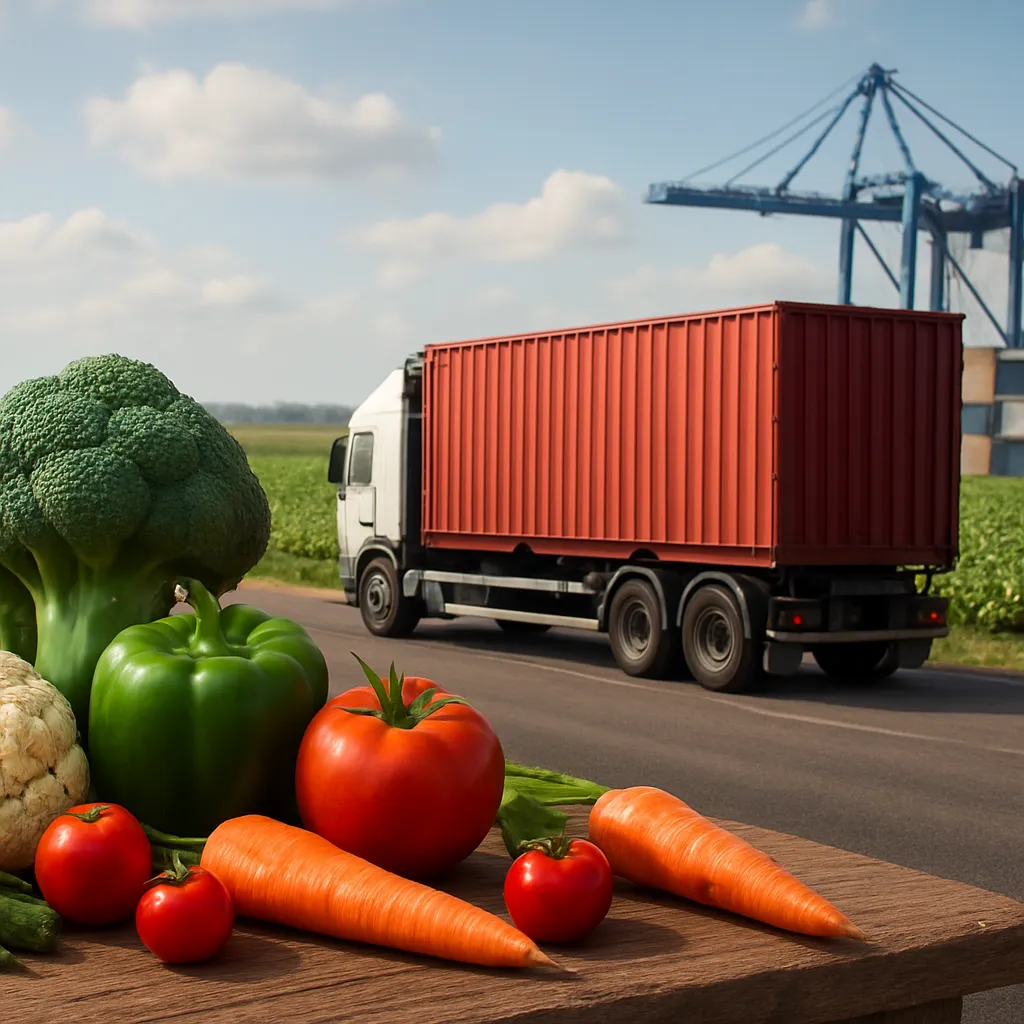
- Trade and logistics: Shipping costs, port congestion, and trade policy (tariffs, quotas) alter effective market access and price differentials between regions.
- Financial factors: Currency movements, interest rates and speculative positions in commodity markets contribute to price swings and sometimes amplify trends.
- Storage and seasonality: The perishability of many agricultural goods and storage capacity determine the ability to smooth supply throughout the year.
Market behavior varies by commodity. Staple grains can be stored and traded in large volumes, allowing futures markets and warehouses to play a stabilizing role. Fresh horticulture and dairy are more perishable, which increases short-term volatility and dependence on local logistics. For many producers, particularly smallholders, limited access to storage and credit means they often sell at harvest when prices are lowest.
Global trade, governance and policy instruments
International trade is central to balancing surpluses and deficits across regions, but it also transmits shocks globally. Policy levers shape how markets react and who captures the benefits of trade.
Trade measures and market access
- Tariffs and non-tariff barriers can protect domestic producers but often raise consumer prices and reduce trade efficiency.
- Export restrictions during supply crises are a common short-term policy response that can exacerbate global shortages and price spikes.
- Trade agreements and sanitary standards facilitate access for exporters but require compliance investments that can be burdensome for small-scale producers.
Governments and international institutions use several tools to stabilize markets and support producers:
- Price support mechanisms and minimum purchase programs.
- Targeted subsidies for inputs or insurance to buffer farm incomes.
- Strategic grain reserves and coordinated release mechanisms to dampen extreme price swings.
While these instruments can reduce volatility, poorly designed interventions may distort market signals and discourage needed investments in productivity.
Aquaculture and marine fish: a growing part of agricultural markets
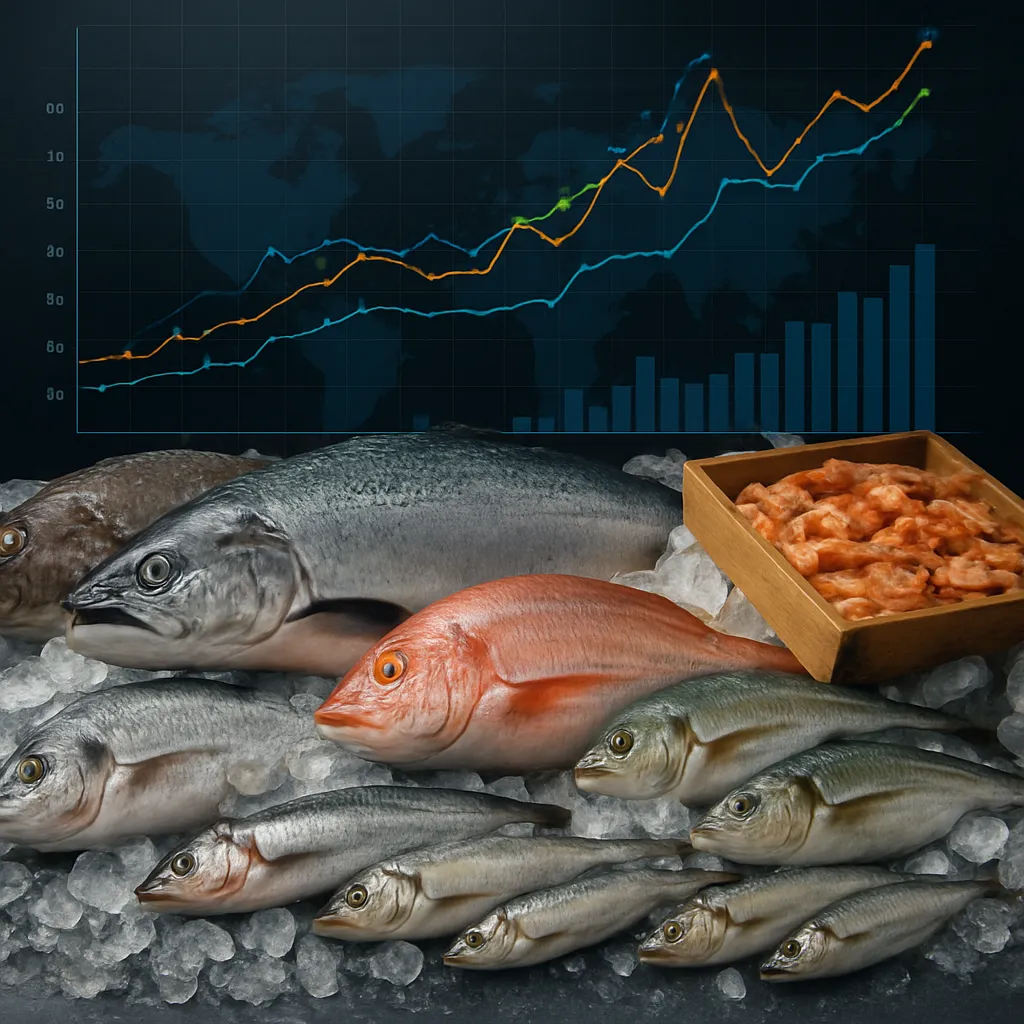
The rise of aquaculture has transformed the supply landscape for marine fish and seafood. Aquatic production now contributes a substantial share of the fish consumed globally, affecting prices and market structure.
Factors influencing marine fish prices
- Wild-capture variability: Environmental conditions and fishery management determine wild-catch volumes and seasonal supply.
- Expansion of aquaculture: Farmed fish provide steadier supplies but require inputs such as feed (often fishmeal or soy) whose costs link fish prices to terrestrial commodity markets.
- Certification and sustainability premiums: Consumers and retailers increasingly seek sustainably sourced seafood, which can command higher prices but raises production costs for certification and traceability.
- Logistics and cold chain: Perishability makes efficient cold chains and rapid transport essential; failures increase waste and reduce effective supply.
- Climate impacts: Ocean warming, acidification and shifting species distributions alter both wild and farmed productivity over time.
Marine fish prices therefore reflect not only the classical supply-demand balance but also the costs of achieving sustainability and meeting regulatory requirements. For example, a disease outbreak in shrimp farms or a ban on certain trawling practices can tighten supply and raise prices regionally or globally.
Value chain considerations for seafood
Value chains in seafood are often longer and more fragmented than in terrestrial agriculture. Processing, freezing, and international transport are critical nodes where value is added — and where margins can be captured or squeezed. Small-scale fishers often face weak bargaining power, limited access to cold storage, and exposure to intermediaries who set prices at landing sites.
Innovation, finance and market instruments
Advances in technology and financial products are reshaping how agricultural markets function, offering tools to manage risk and improve returns for producers and buyers alike.
- Futures and options markets help large producers and processors hedge against price risk, though they are less accessible to smallholders.
- Index insurance and weather-based products can provide payouts after defined events, reducing vulnerability to climatic shocks.
- Digital platforms and e-commerce enable price discovery, direct marketing, and traceability, narrowing margins captured by intermediaries.
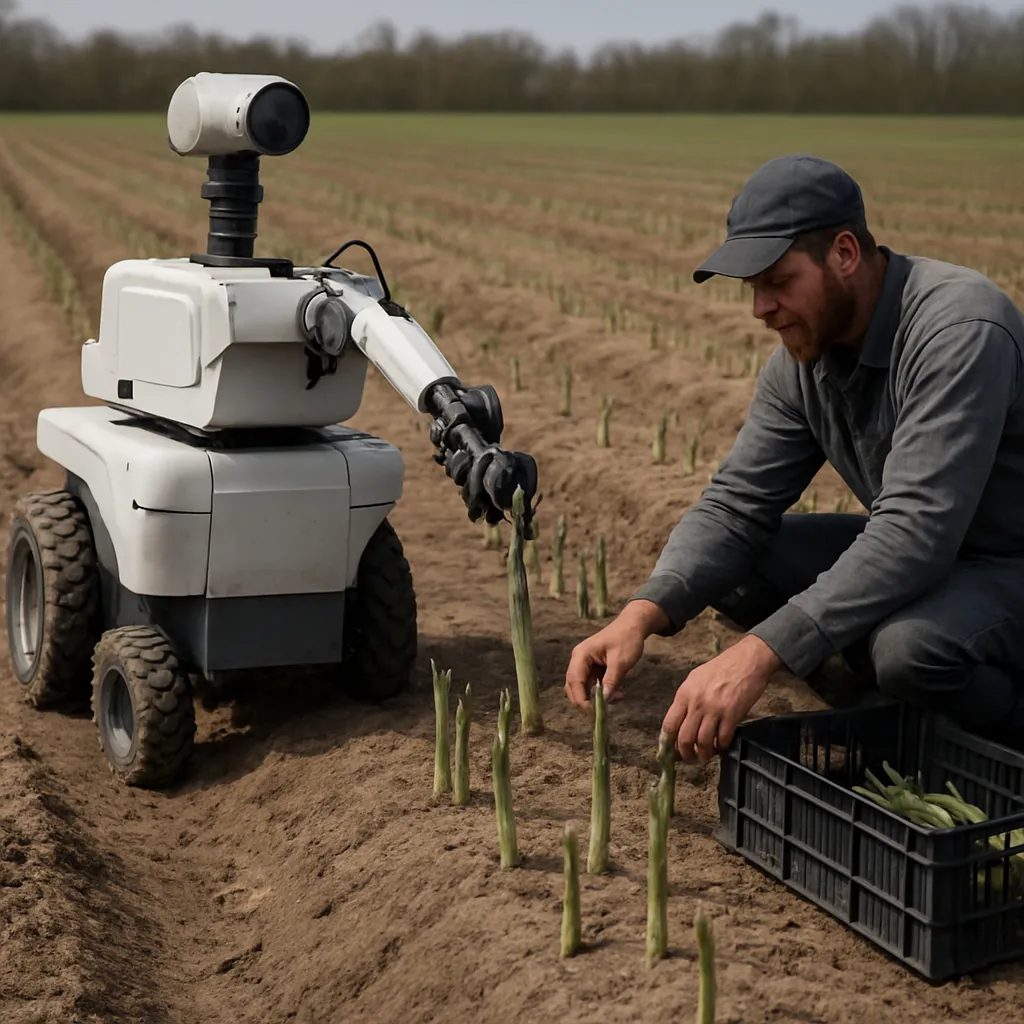
- Precision agriculture and smart aquaculture optimize input use, increase yields, and reduce environmental footprint.
- Blockchain and sensor-based traceability support certification and open up higher-value markets by proving origin and sustainability claims.
Capital flows into agriculture are also diversifying. Impact investors, green bonds and blended finance instruments target projects that improve climate resilience and sustainability, often encouraging investments in improved seed varieties, irrigation, feed efficiency and wastewater treatment for aquaculture.
Challenges and opportunities for producers and markets
Farmers, fishers and processors operate at the intersection of market forces and public policy. Key challenges include limited access to finance, climate-related risk, market concentration among buyers, and the need to meet increasingly stringent quality and sustainability standards.
Strategies to strengthen resilience and market participation
- Capacity building: Training in post-harvest handling, quality standards and business skills helps producers capture better prices.
- Collective action: Cooperatives and producer organizations improve bargaining power, enable pooled storage and facilitate investment in value-addition facilities.
- Diversification: Mixed farming systems, integrated aquaculture-agriculture, and diversified market outlets reduce risk exposure to single commodity price shocks.
- Insurance and financial inclusion: Access to credit and tailored insurance products supports investment and buffers against catastrophic events.
- Market information systems: Timely price and demand data empower producers to plan sales and reduce opportunistic behavior by intermediaries.
Emphasizing sustainability across production systems addresses environmental limits and opens premium markets. Sustainable practices can reduce long-term costs and improve resilience, but adoption often requires upfront investments that need supportive policies and financing mechanisms.
Emerging trends and implications for food systems
Several trends will shape agricultural markets in coming decades. Urbanization and changing diets will sustain demand for higher-value products. Climate change will increase frequency and severity of supply shocks. Digitalization will improve transparency, but also create new competitive pressures as global supply chains tighten. Policy choices — around trade, subsidies and environmental regulation — will determine how benefits and costs are distributed across stakeholders.
To navigate this landscape, market participants and policymakers must balance efficiency with equity and environmental stewardship. Strengthening the capacity of producers, improving infrastructure, expanding access to financial and digital services, and promoting evidence-based policies are essential steps to ensure that agricultural markets deliver stable, affordable and nutritious food while supporting sustainable livelihoods.