The global apple sector is undergoing a period of rapid transformation as growers, retailers and consumers respond to new genetics, shifting tastes and evolving market channels. This article examines how the dessert apple market—those varieties grown primarily for fresh eating rather than processing—is reshaping production practices, supply chains and commercial strategies. We explore demand drivers, the role of newly released cultivars, postharvest technology and the policy and labor contexts that influence who benefits from the changing landscape.
Market dynamics and shifting consumer demand
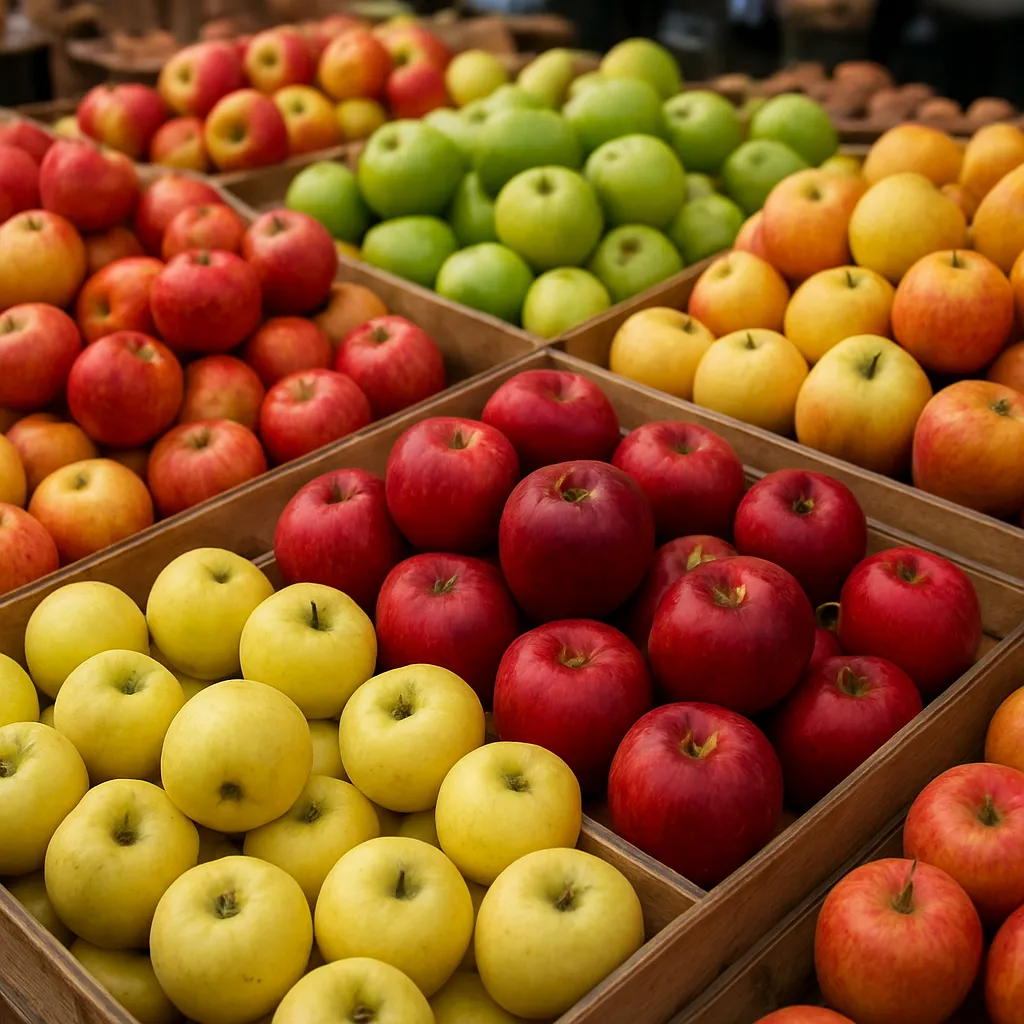
Consumer preferences are one of the strongest levers shaping the dessert apple market. Shoppers increasingly seek consistent eating quality: crunch, sweetness, aroma and a pleasant skin texture. At the same time, convenience and year‑round availability have pushed retailers and importers to value apples that store well and deliver predictable quality across seasons. Urbanization and rising incomes in many regions have expanded demand for premium apples, while health and sustainability narratives influence purchasing decisions.
- consumer preferences now prioritize eating quality metrics such as firmness and sugar/acid balance.
- Retailers favor apples with long shelf life and uniform appearance to lower shrink and increase shelf rotation.
- Foodservice and fresh‑cut sectors demand varieties that resist browning and hold texture after slicing.
- Emerging middle classes in Asia and Africa create new growth corridors for fresh fruit imports.
- Online grocery and subscription models introduce a direct feedback loop between shoppers and growers, accelerating trend adoption.
Price sensitivity remains important in many markets, but premiumization is a durable trend in developed markets. Consumers are willing to pay more for distinctive sensory experiences, branded varieties and claims such as organic or low‑pesticide production. These value cues let producers capture higher margins through differentiation and certification.
New varieties, breeding goals and technological innovation
Breeding programs and commercial nurseries have been the primary engines behind the recent wave of successful dessert apples. New cultivars combine desirable sensory traits with orchard advantages like disease resistance and compatibility with modern, high‑density training systems. Variety launches are often accompanied by strong marketing programs and supply agreements that shape planting decisions across regions.
What breeders and nurseries aim to deliver
- Superior flavor and texture on harvest day and after storage.
- Improved resistance to common diseases such as apple scab and fire blight to reduce input costs.
- Compatibility with mechanized harvesting and high‑density systems to alleviate labor constraints.
- Genetic traits for extended storage life to support year‑round supply chains.
- Distinctive appearance (coloration, striping) to enable premium shelf positioning.
Success stories such as Honeycrisp, Jazz, and Cosmic Crisp illustrate how varietal novelty combined with well‑funded marketing can rapidly shift market shares. These cultivars found acceptance because they delivered consistent, memorable eating experiences and because supply chain actors coordinated on timing, storage and branding. The arrival of gene editing and marker‑assisted selection accelerates breeding cycles, allowing breeders to stack desirable traits more quickly. The result is a pipeline of varieties designed explicitly for modern supply chains and consumer expectations.
Beyond conventional breeding, technology also informs orchard management. Precision irrigation, tree sensors and advanced rootstock research support higher productivity and enable growers to manage risk more effectively. These innovations do not guarantee market success, but they reduce production variability, which is crucial when launching a branded variety.
Supply chain, postharvest technology and marketplaces
A profitable dessert apple business requires alignment across the value chain. Postharvest handling—cooling, sorting, packing, controlled atmosphere (CA) storage and transport—determines how much eating quality is retained between orchard and consumer. Investments in modern packing infrastructure and logistics are often necessary when shifting toward premium, long‑keeping cultivars.
- postharvest control is a keystone capability: CA storage, ethylene management and temperature uniformity preserve texture and flavor.
- Sorting and grading technologies (optical sorters, firmness testers) help deliver consistent lots to buyers.
- Traceability systems and certification platforms build trust and support claims like organic, fair trade or low‑residue.
- Digital marketplaces and direct‑to‑consumer channels allow small and mid‑size orchards to reach premium buyers without traditional intermediaries.
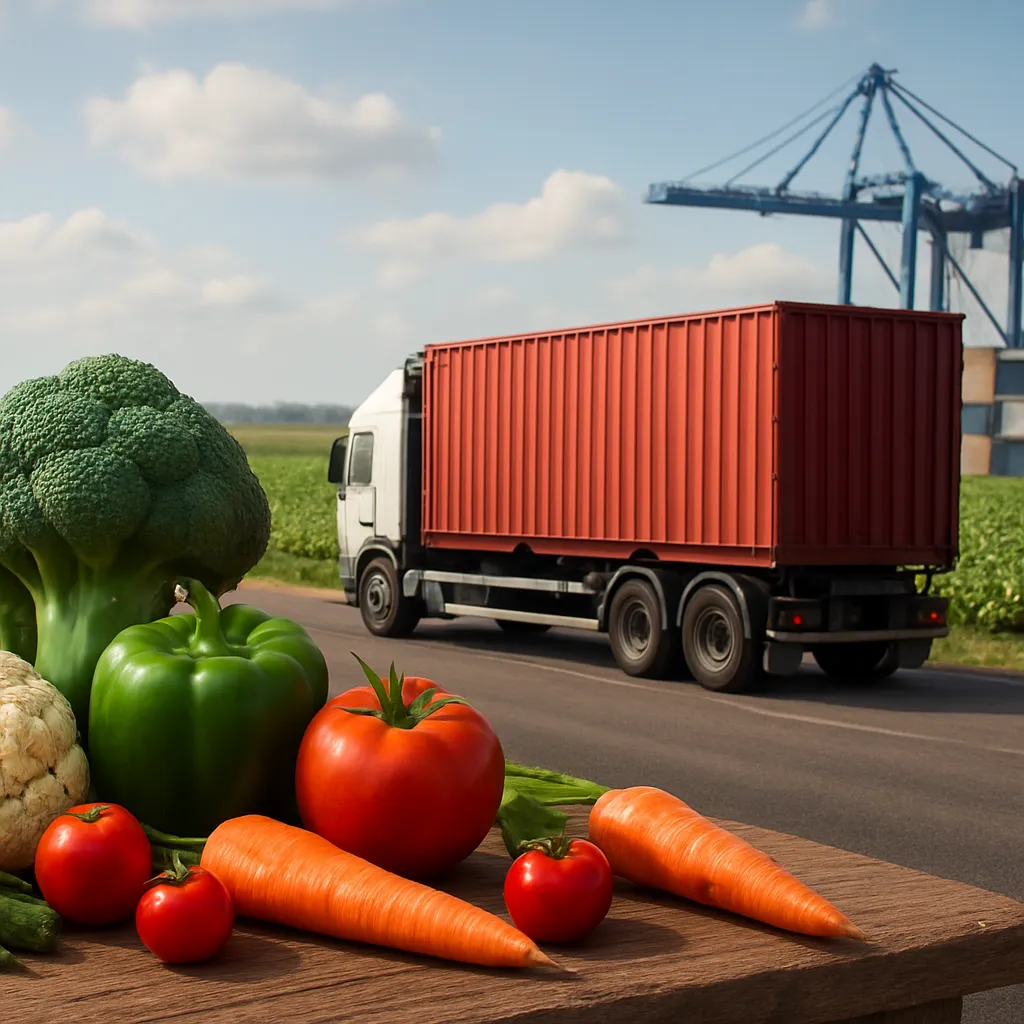
Global trade patterns also shape where and when new varieties succeed. Northern Hemisphere growers supply most fresh apples for eight to ten months of the year, while Southern Hemisphere exporters extend availability by counter‑season shipping. Tariff regimes, phytosanitary regulations and seasonal freight constraints are practical considerations for exporters aiming to position a new variety in foreign markets.
Economic, environmental and labor considerations
Growers balance multiple trade‑offs when deciding to adopt new varieties. Establishing an orchard is a long‑term investment: trees take multiple years to reach full production and varietal shifts often require new pruning regimes, trellising and harvesting protocols. Those fixed costs mean that market intelligence and contractual arrangements (e.g., club varieties or licensing agreements) can materially alter risk profiles.
- breeding investments pay off when there is coordinated adoption across supply chain partners to build and defend a premium.
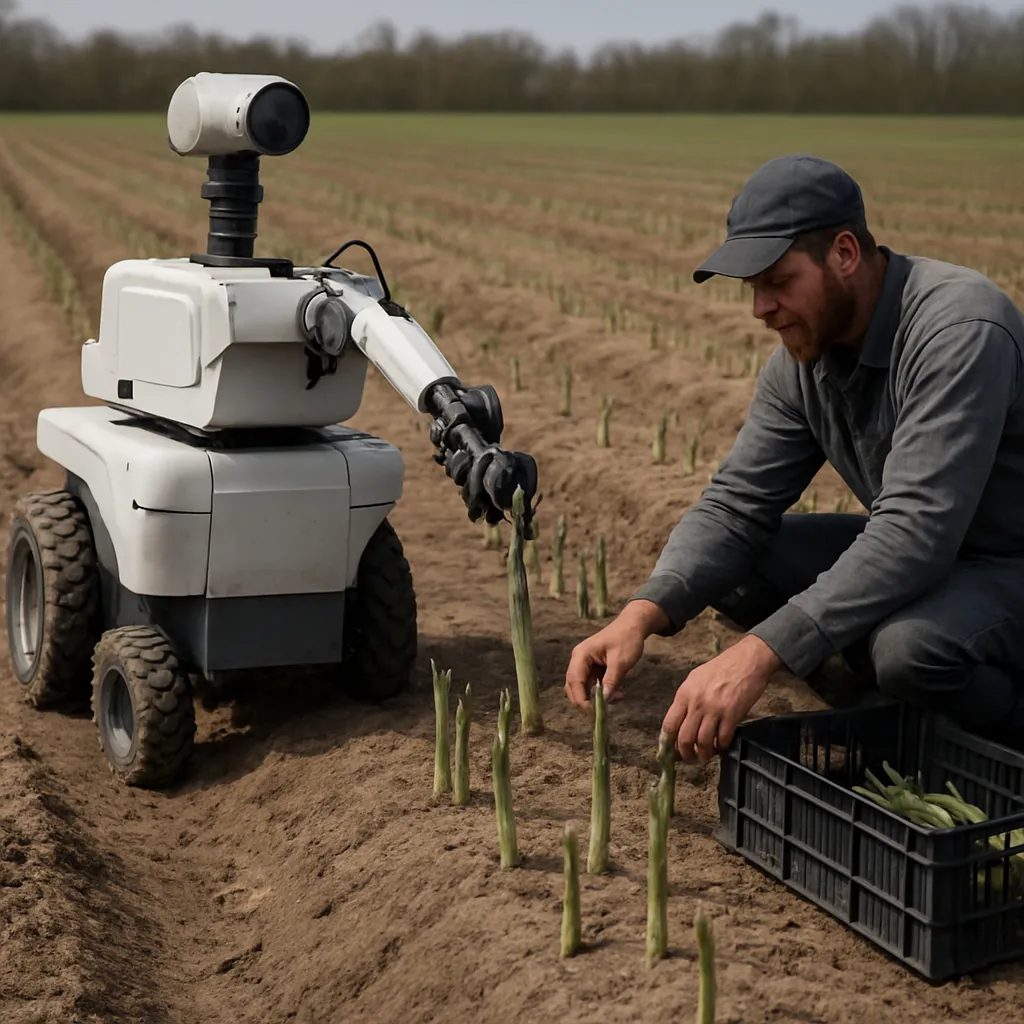
- Labor shortages in harvesting and packing favor varieties that are amenable to mechanization and simplified orchard architecture.
- Climate variability is reshaping suitable growing areas; warmer winters and shifting chill hours change cultivar performance and flowering windows.
- sustainability expectations from retailers and consumers push growers to adopt integrated pest management, water‑saving irrigation and lower carbon footprints in packaging and transport.
Policies that support agricultural research, nursery certification and export facilitation can accelerate adoption of improved varieties while minimizing phytosanitary risk. Conversely, restrictive intellectual property rules or onerous licensing fees can stifle smaller growers’ access to commercially attractive genetics.
Strategies for growers, packers and retailers
To succeed in a changing dessert apple market, actors must align varietal decisions with commercial pathways and consumer communication. Below are practical strategic approaches:
- Planting mix and portfolio management: combine a base of reliable, high‑yielding varieties with a smaller allocation to premium or experimental cultivars to spread risk and capture upside.
- Branding and storytelling: leverage distinctive sensory profiles, origin stories and sustainability claims to justify price premiums at retail.
- Channel segmentation: match varieties to channels—supermarkets, fresh‑cut, foodservice or e‑commerce—based on storage and handling requirements.
- Vertical coordination: enter into contracts or licensing arrangements with marketers and retailers to secure launch windows and coordinated promotion for new cultivars.
- Operational investments: invest in sorting, packing and CA storage where necessary to maintain quality claims and reduce postharvest losses.
- Risk management: use crop insurance, forward contracts and diversified export markets to hedge against weather, pest outbreaks and price volatility.
Marketing and consumer education
Because many consumers base repeat purchases on their first eating experience, retailers and marketers should prioritize sampling and clear sensory descriptions. Retail promotions that highlight texture (crisp), flavor profile (balanced sweet‑tart), and best uses (snacking, salads) reduce trial friction. Programs that share producer stories and transparent production practices can strengthen loyalty and command a premium.
Emerging risks and opportunities
Several cross‑cutting forces will determine which players prosper in the coming decade. Climate change introduces both risks (phenological shifts, more extreme weather) and opportunities (new regions becoming suitable for particular cultivars). Digital technologies—from gene editing to blockchain traceability—offer tools to manage quality and assure provenance, but they require investment and regulatory clarity.
- innovation across genetics, mechanization and cold chain logistics will continue to reduce the unit cost of high‑quality fruit.
- Market consolidation among retailers can increase bargaining power against growers, pushing producers to seek vertical integration or niche differentiation.
- Direct consumer channels and premium club varieties can offer higher margins but demand rigorous quality controls and supply stability.
- supply chain resilience—diversified shipping routes, multi‑location storage and flexible contracts—reduces exposure to shocks.
For researchers and policymakers, facilitating access to improved germplasm, supporting demonstration orchards and easing export hurdles will help national industries capture value from new varieties. For growers and packers, investing in cold chain capacity, adopting technologies that reduce labor dependence and partnering with brand‑savvy retailers are practical steps to benefit from shifting demand.
Practical checklist for a grower considering new dessert apple varieties
- Assess consumer demand in your target markets and identify the sensory attributes that sell.
- Model the economics: expected yields, establishment costs, packing and storage investments, and possible price premiums.
- Explore licensing and club options for new varieties—understand royalty structures and marketing commitments.
- Plan for postharvest handling: CA storage access, sorting capacity and transport logistics.
- Test a pilot block before large‑scale replanting to validate orchard management practices and market reception.
- Build marketing partnerships early with packers and retailers to secure launch windows and promotional support.