The global movement of fresh produce is a complex intersection of agriculture, commerce and logistics. This article explores the specific flows surrounding beefsteak (oxheart) tomatoes within broader agricultural markets. It examines how producers, exporters and importers respond to seasonal cycles, price signals and regulatory frameworks, while also assessing the roles of post-harvest handling, shelf-life management and modern logistics solutions. Attention is paid to quality attributes, certification requirements and sustainability pressures shaping future trade patterns.
Global market dynamics and demand drivers
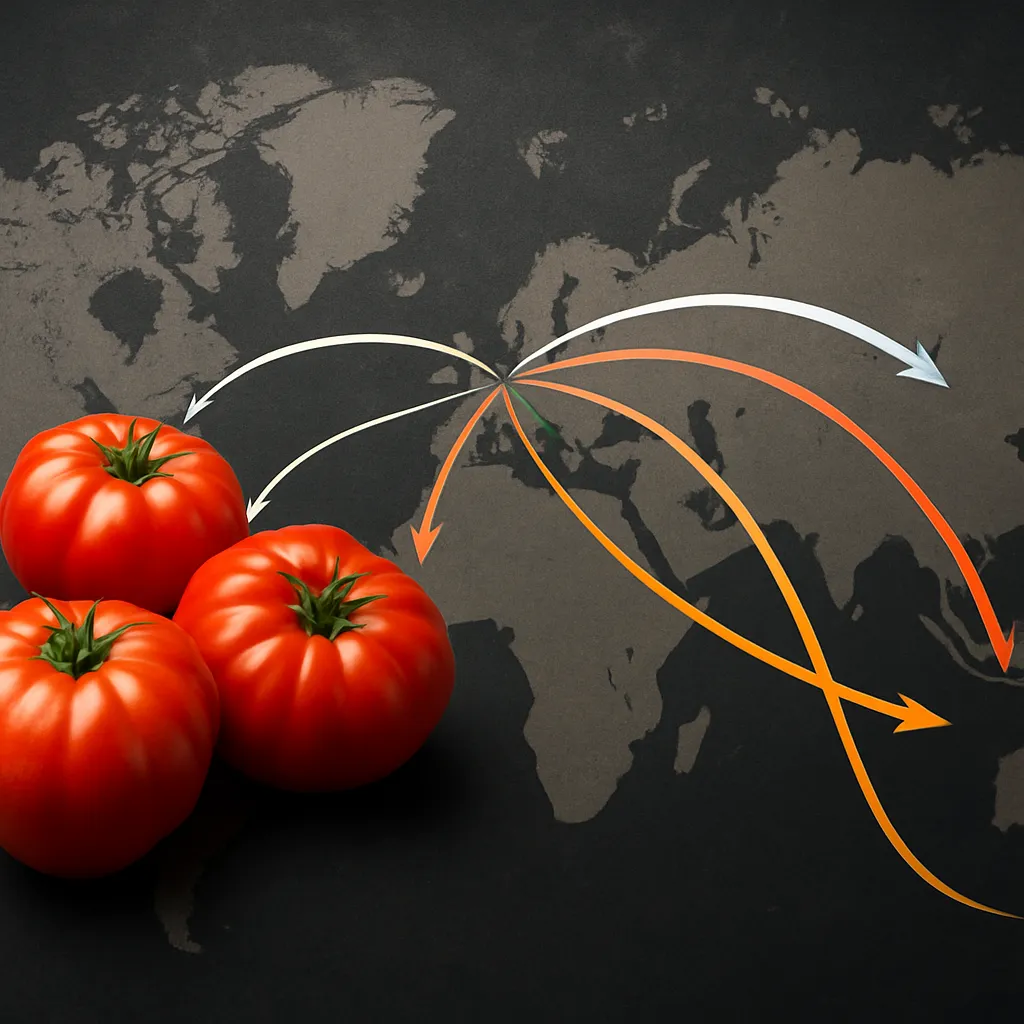
The international trade in fresh tomatoes is shaped by comparative advantage, seasonality and consumer preferences. While many countries produce table tomatoes, the niche for large-fruited beefsteak varieties often depends on high-income urban demand, specialty foodservice purchases and heritage varietal markets. Major producing regions that influence global flows include southern Europe, North Africa, Central and South America, and selected parts of Asia. Dynamic trade corridors link producers in the southern hemisphere to markets in the northern hemisphere during off-season windows.
Key market drivers include price volatility, exchange rates, and shifting consumer tastes toward freshness, flavor and provenance. Retail consolidation and the growth of supermarket private labels change the bargaining power along supply chains, with large retailers often specifying strict quality, packaging and traceability criteria. Seasonal surpluses in producing countries can suppress local prices and spur exports, while off-season deficits in destination markets can create opportunities for higher-margin shipments. These patterns are further influenced by bilateral trade agreements, tariff schedules and non-tariff measures that affect the economics of cross-border shipments.
Production systems, varietal choices and quality traits
Production systems for beefsteak tomatoes range from open-field culture to high-tech greenhouse operations. Growers aiming at export markets frequently invest in greenhouse infrastructure, hydroponic systems and integrated pest management to achieve consistent sizing, color and firmness. Varietal selection is critical: characteristics such as internal texture, fruit shape, and resistance to cracking determine suitability for long-distance trade and for the fresh-cut sector.
Producers must manage a suite of agronomic factors to meet market expectations: irrigation scheduling, nutrient balance, pruning and harvest timing all influence post-harvest longevity. Post-harvest handling protocols—from field cooling to appropriate humidity control—are essential to preserve the delicate flesh and to reduce weight loss and microbial risk. Because many buyers prioritize fruit integrity over other attributes, growers targeting export channels often accept slightly lower yields in exchange for superior appearance and fewer defects.
Quality standards and grading
- Size and uniformity specifications set by retailers and wholesalers determine packing decisions and price class.
- Color and firmness thresholds affect perceived ripeness and shelf performance, with some markets preferring vine-ripened flavor while others prioritize transport robustness.
- Resistance to physiological disorders—such as blossom end rot and cracking—commands a premium in supply contracts.
Supply chains, packaging and cold chain management
Moving fresh tomatoes across borders requires tightly coordinated supply chains. The choice between air freight and refrigerated sea or truck transport is a central commercial decision: air transport reduces transit time and can preserve flavor and firmness, but its cost limits use to high-value consignments. Refrigerated trucking and reefer containers are the backbone of most bulk shipments, demanding precise temperature and humidity control to avoid chilling injury or accelerated ripening.
Effective traceability systems are increasingly required by both buyers and regulators. From farm identifiers and harvest dates to lot-level packing records, traceability enhances recall capability and supports claims of origin. Digital traceability solutions—using barcodes, QR codes and cloud databases—enable faster responses to quality incidents and facilitate certification audits. Packaging innovations also play a role: modified-atmosphere trays, ventilated crates and absorbent liners help extend marketable life while reducing physical damage.
Logistical planning must account for cold-room staging, consolidation points, customs clearance and last-mile delivery to retail distribution centers. Each transfer point represents a risk for temperature excursion or mechanical injury. Investments in refrigerated infrastructure, real-time temperature monitoring and contingency routing reduce losses and maintain value for both suppliers and buyers.
Regulation, phytosanitary measures and market access
Non-tariff measures are often the decisive factor in market access. Stringent phytosanitary requirements aim to prevent the transboundary movement of pests and diseases, and importers typically demand phytosanitary certificates, pest-free area declarations or pre-export inspections. Compliance with maximum residue limits (MRLs) for pesticides is critical: failure to meet MRLs can result in rejections, detention and reputational damage for exporters.
Certification schemes—organic, GlobalG.A.P., Fair Trade and others—affect market positioning and can open specific retail channels. However, compliance imposes costs on producers in terms of record-keeping, input substitution and independent audits. Harmonization efforts under regional trade agreements can simplify paperwork, but differences in acceptable varieties and tolerances remain a source of friction. For many producers, navigating export documentation, cold chain certification and sanitary requirements is as demanding as the agronomic challenge of growing large-fruited varieties suitable for long-distance transport.
Price formation, risk management and contracting
Unlike commodity crops traded on centralized exchanges, fresh produce prices are often set through bilateral contracts, spot markets and auction platforms. Price formation for beefsteak tomatoes reflects local supply conditions, international freight costs, and quality premiums. Contract farming arrangements—where processors or exporters provide inputs, technical assistance and guaranteed offtake—help stabilize incomes for growers and assure supply for buyers, but they also shift negotiation power to better-capitalized buyers.
- Forward contracts and seasonal scheduling reduce uncertainty but require accurate yield forecasting and careful management of production risks.
- Insurance products—against extreme weather, crop failures or transit losses—are available but can be costly or have restrictive payout conditions.
- Spot market participation allows growers to exploit price spikes but exposes them to the downside risk of gluts and rapid price collapses.
Sustainability, resilience and emerging trends
Environmental pressures and consumer preferences are accelerating transitions in how tomatoes are grown and traded. Many supply chain actors emphasize sustainability metrics: water use efficiency, reduced agrochemical loads, lower carbon footprints from transport, and social labor standards. Policymakers and retailers are increasingly asking for life-cycle assessments and climate risk disclosures, pushing producers toward more resource-efficient production systems.
Climate variability influences planting windows, pest pressure and irrigation demand. Producers adapt through crop diversification, protective cultivation and investment in climate-smart practices. Technology adoption—precision irrigation, sensor-based monitoring and automated climate control in greenhouses—helps reduce input use and improve predictability, supporting consistent supply into export chains.
Urbanization and digital disruption are also reshaping markets. Digital marketplaces enable smaller producers to reach distant buyers directly, reducing friction and improving price discovery. Traceability platforms integrated with payment and logistics services lower transaction costs and make cross-border commerce more accessible. Meanwhile, the rise of controlled-environment agriculture, including greenhouse and vertical farming, offers pathways to produce high-quality, locally proximate tomatoes year-round—potentially shortening supply chains and reducing post-harvest losses.
Implications for stakeholders
For producers: investing in quality, compliance and forward planning yields access to higher-value channels but requires capital, technical know-how and risk management. For traders and distributors: optimizing logistics and maintaining rigorous traceability are core competencies that differentiate reliable partners from occasional shippers. For policymakers and certification bodies: balancing market access with plant health safeguards means designing proportionate, science-based measures that minimize unnecessary trade disruption while protecting domestic agriculture.
In sum, trade flows in large-fruited tomato varieties are determined not only by agronomic performance but by the capacity of supply chains to preserve quality, comply with regulation and respond to consumer and environmental demands. Those participants who integrate production excellence with robust cold chain practices and transparent documentation are better positioned to sustain profitable participation in global markets.