The global agricultural landscape is constantly evolving, and one crop that has attracted renewed attention is chicory. Traditionally appreciated as a leafy vegetable and coffee substitute, chicory is gaining visibility because of its rich supply of inulin, versatility in food systems, and potential to contribute to sustainable farming. This article examines the market dynamics, consumption patterns, production methods, technological innovation, and trade considerations affecting chicory and its derived products. It also highlights implications for growers, processors, retailers, and consumers in a rapidly changing agri-food sector.
Market overview and consumption patterns
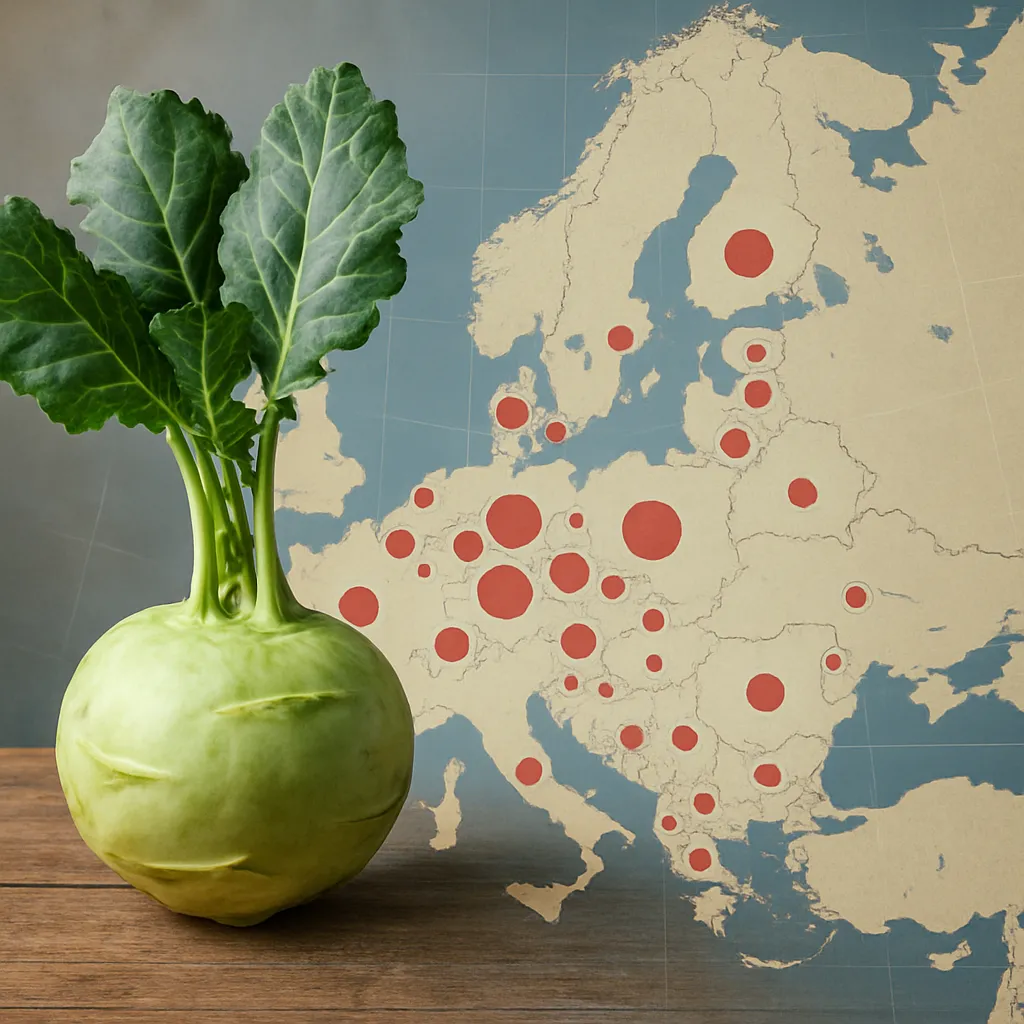
The chicory market has multiple segments: fresh leaves (endive and radicchio varieties), root chicory processed for coffee alternatives and extracts, and industrial extraction for inulin used as a prebiotic and texturizer in food manufacturing. European countries—especially Belgium, the Netherlands, France, and Italy—remain prominent producers and consumers of leafy chicory, whereas root chicory for processing has a broader geographic footprint, including parts of North America, Eastern Europe, and Asia.
Consumption trends show three converging drivers. First, health-conscious consumers are increasing demand for functional ingredients. Products containing inulin are marketed for gut health and sugar reduction, boosting industrial demand. Second, culinary interest in diverse flavors and textures supports niche markets for radicchio and endive in restaurants and upscale retail. Third, the continued appeal of caffeine-free beverages keeps chicory root coffee and blends relevant, particularly in regions with cultural traditions of roasted-root beverages.
Demographic and retail shifts shape distribution. Urbanized consumers often access chicory through supermarkets, specialty stores, and online grocers, while local markets and cooperatives remain important in rural areas. Value-added products —ready-to-eat salads, pre-cut radicchio, functional dairy alternatives fortified with inulin— are pushing chicory further into mainstream retail channels.
Production systems and sustainable farming
Agronomic practices for chicory vary by end-use. For leafy types, growers focus on short-cycle production, high-density plantings, and post-harvest cooling to maintain crispness. Root chicory intended for extraction requires a longer growing season and deeper soils to maximize storage-root development. Across systems, several themes are emerging:
- Soil health and rotation: Chicory benefits from rotational schemes that break pest and disease cycles. Farmers increasingly integrate chicory into rotations with cereals and legumes to manage soil-borne pathogens and improve nutrient balance.
- Water and nutrient management: Precise irrigation, fertigation, and soil testing reduce input waste and improve root quality for processing. These measures support sustainability goals and often enhance yield consistency.
- Pest and disease resilience: Integrated pest management (IPM) strategies—biological controls, resistant varieties, and targeted chemical use—minimize crop losses while meeting stricter pesticide residue requirements in export markets.
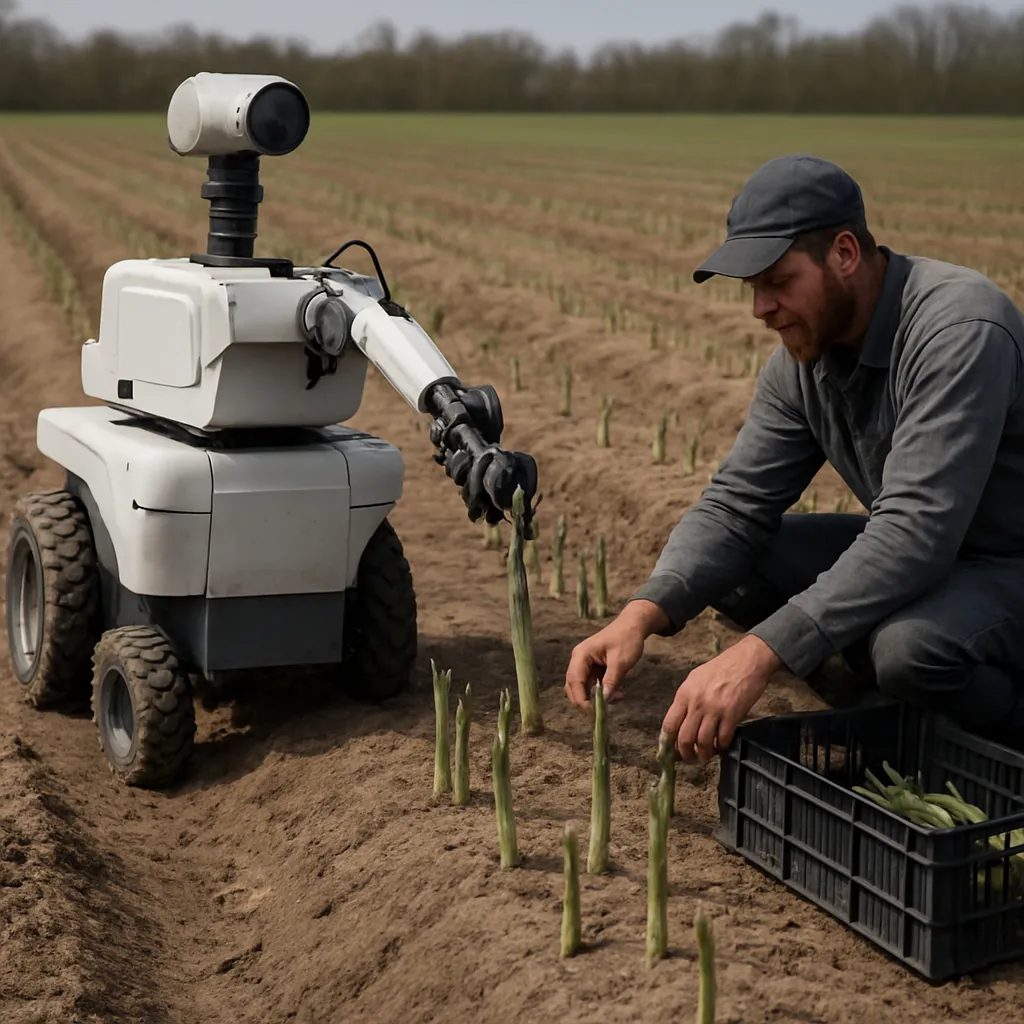
- Mechanization and labor: Harvesting leafy chicory remains labor intensive because of delicate handling; however, innovations in harvesting equipment and conveyor systems are reducing labor costs and post-harvest damage.
Grower organizations and cooperatives play a key role in aggregating supply and providing technical assistance. By coordinating planting schedules and quality standards, farmer groups help stabilize market supply and facilitate contracts with processors and retailers, which is crucial in markets sensitive to seasonal fluctuations.
Processing, value addition and technological innovations
Processing transforms chicory into several value-added streams: roasted-root beverages, inulin powders and syrups, dietary supplements, and packaged salad mixes. Innovations along the value chain are expanding product applications and improving efficiency:
Extraction and refining improvements
Advances in extraction technologies increase yield and purity of inulin, enabling producers to tailor chain lengths for specific functional properties (e.g., mouthfeel, stability, sweetness). Membrane filtration, chromatography, and enzymatic treatments help produce higher-value fractions for nutraceutical and pharmaceutical uses.
Product innovation
Food manufacturers incorporate chicory-derived ingredients to reduce sugar, replace fat, and improve fiber content. New product formats include gluten-free bakery goods, dairy-free yogurts with prebiotic claims, and beverage blends highlighting natural fiber content. The fusion of culinary and health trends drives experimentation at the intersection of taste and function.
Digital and precision technologies
On the farm, precision agriculture tools—satellite imagery, soil sensors, and variable-rate application systems—help growers optimize inputs and detect stress early, improving both yield and traceability. In processing, digital monitoring of roasting, drying, and extraction stages ensures consistent product quality and regulatory compliance.
Supply chains, trade and policy landscape
Chicory supply chains vary from localized circuits supplying fresh markets to complex international chains for processed ingredients. Key considerations impacting trade and market access include:
- Regulatory standards: Food safety rules, pesticide residue limits, and labeling requirements dictate market entry, particularly for exports to the EU, US, and Japan. Compliance with novel food regulations can affect the commercialization of new chicory-derived ingredients.
- Certification and claims: Organic certification, non-GMO verification, and health claim substantiation (e.g., prebiotic effects for inulin) influence pricing and consumer trust. Traceability systems that document origin and handling are increasingly demanded by retailers and consumers.
- Price volatility and contract models: Because chicory competes with other root crops for land and inputs, prices can fluctuate. Forward contracts and integrated partnerships between growers and processors help stabilize incomes and ensure supply continuity.
- Policy incentives: Agricultural subsidies, research funding, and rural development programs shape production decisions. Public investment in breeding and processing infrastructure can catalyze regional industry growth.
Challenges, risks and opportunities
Several challenges confront the chicory sector, but corresponding opportunities exist for stakeholders who adapt strategically.
Challenges
- Climate variability: Shifting precipitation patterns and temperature extremes can affect both leaf quality and root formation. Adaptive agronomy and resilient varieties are needed.
- Labor constraints: Harvesting and quality sorting require skilled labor, which is increasingly scarce in many producing regions, driving up costs.
- Market fragmentation: Diverse end-uses mean that supply-demand mismatches can occur. Producers targeting industrial inulin extraction face different quality specifications than those supplying fresh-market retailers.
- Regulatory complexity: Securing health claims for functional ingredients requires robust clinical evidence, which is costly and time-consuming.
Opportunities
- Product diversification: Developing new food products, supplements, and cosmetic applications for chicory extracts can create higher-margin markets. Emphasizing natural and functional benefits taps into consumer trends.
- Value chain integration: Vertical integration—combining farming, processing, and marketing—can capture more value for producers and improve traceability and quality control throughout the chain.
- Breeding and genetics: Investment in breeding programs can produce varieties with improved root yield, disease resistance, and leaf quality, supporting both fresh-market and industrial needs.
- Export expansion: Emerging markets in Asia and Latin America show rising demand for functional ingredients and specialty vegetables; targeted trade strategies and compliance with import regulations can open growth pathways.
Implications for stakeholders
For farmers, aligning production with market specifications and adopting efficient cultivation techniques will be central to competitiveness. Cooperatives and contract farming models can reduce market risk and provide access to capital for equipment and quality control systems.
Processors and manufacturers must balance investment in extraction and refining technologies with market development for chicory-derived products. Building scientific evidence for health claims and executing clear marketing strategies will support premium positioning.
Retailers and foodservice operators can leverage chicory’s culinary uniqueness and functional benefits to differentiate offerings. Clear labeling, storytelling about origin, and partnerships with producers help communicate value to consumers who increasingly demand transparency and sustainability.
Innovation across breeding, agronomy, processing, and marketing is the thread that ties prospects for chicory together. By prioritizing quality, embracing technology, and responding to consumer preferences for healthful, traceable, and sustainably produced foods, the chicory sector can expand beyond traditional niches into broader agri-food markets.