The global agricultural landscape is experiencing dynamic shifts as consumer preferences, climatic pressures, and international policy frameworks reshape how crops are produced, traded, and consumed. This article examines the specific case of the chili value chain — an emblematic commodity that illustrates broader trends in agricultural **markets**, export dynamics and farm-level innovations. We look at production patterns, logistics, regulatory drivers and the technological and sustainability responses that are helping stakeholders adapt to a rapidly changing environment.
Global Market Dynamics and Consumption Trends
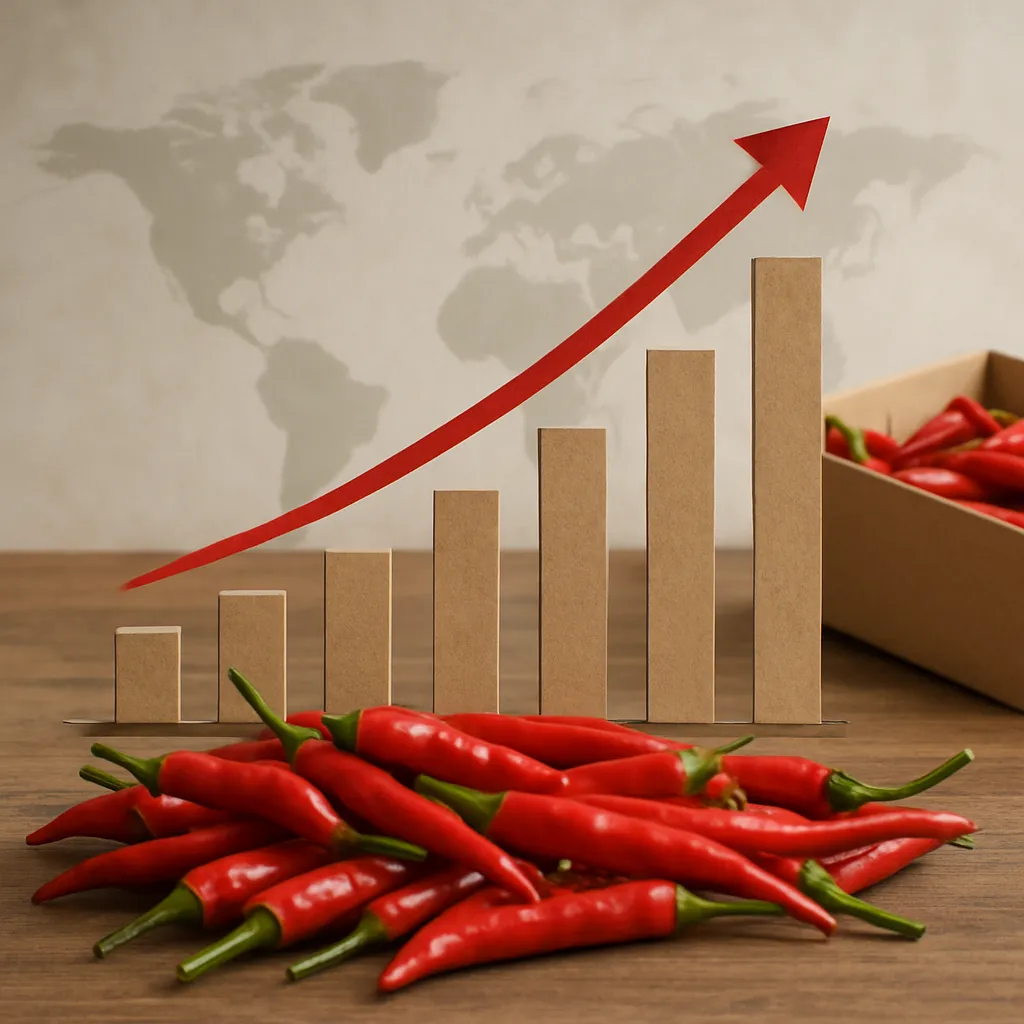
Demand for chili and associated products has expanded well beyond traditional culinary centers. Rising incomes, migration, and the globalization of cuisines have lifted consumption across many regions. The increasing popularity of processed products — sauces, powders, pastes — has diversified revenue streams for producers and exporters. These shifts have also affected price formation and seasonality.
Demand drivers
- Urbanization and changing diets that favor spicy flavors and convenience foods.
- Growth in ethnic and specialty restaurants, broadening consumer exposure.
- Rising interest in functional foods and ingredients perceived to have health benefits.
From a trade perspective, the relative importance of different chili categories — fresh, dried, frozen, and processed — varies by destination market. This matters for logistics and compliance. For instance, horticultural exporters targeting high-income markets often prioritize traceability and cold-chain integrity, while processors focus on steady raw material supplies to stabilize production of sauces and powdered products.
Production, Agronomy and Farm-Level Economics
At the field level, chili cultivation remains a mix of smallholder plots and larger commercial farms. Varietal selection, agronomic practices, and pest management determine both the quality and the **yield** that can be achieved. Intensification of production in many regions has improved output but also increased vulnerability to pests, diseases, and water scarcity.
Varietal and agronomic advances
- Breeding for higher pungency, disease resistance, and uniform ripening supports mechanization and processing.
- Integrated pest management (IPM) reduces dependence on chemical inputs and helps meet standards required in export markets.
- Precision irrigation and soil health management improve water use efficiency and long-term productivity.
Economic viability for growers depends on input costs, access to finance, and reliable off-takers. Contract farming arrangements and producer groups can stabilize incomes by providing pre-arranged purchase prices and extension services. However, smallholders often face challenges in meeting quality and quantity requirements demanded by international buyers.
Supply Chains, Processing and Export Trends
Chili has become a strategic horticultural export for many countries. Processing adds value and creates exportable products with longer shelf life, while fresh-chile exports demand sophisticated cold-chain logistics. The configuration of the **supply chain** — from seed suppliers and input dealers to processors and distribution networks — influences competitiveness and resilience.
Export pathways and product segmentation
- Fresh chillies: favored for short-distance trade and high-value markets with rigorous traceability requirements.
- Dried chillies and flakes: traditional export items with established trade routes to both developed and developing markets.
- Value-added products (sauces, purees, powders): require consistent raw material supply and food-safety compliance, but capture higher margins.
Key exporting regions include Latin America (notably Mexico), South and Southeast Asia (India, China, Thailand, Vietnam), and parts of Europe such as Spain and the Netherlands as processing and re-export hubs. Major importers are the United States, the EU, Japan, and increasingly Middle Eastern and African markets where processed chili products are part of growing packaged-food consumption.
International Trade Policy, Compliance and Market Access
Market access is shaped by sanitary and phytosanitary (SPS) measures, tariffs and trade agreements. Exporters must align with buyer-specific standards and public regulations, from MRLs (maximum residue limits) to traceability and certification requirements. These compliance costs can be significant for small-scale producers.
Policy influences and trade flows
- Preferential trade agreements reduce tariff barriers but may impose rules of origin and compliance burdens.
- Non-tariff measures — such as stricter pesticide residue testing and labeling rules — can act as de facto trade barriers without capacity building.
- Regional cooperation on pest surveillance and seed certification lowers transactional risk for cross-border trade.
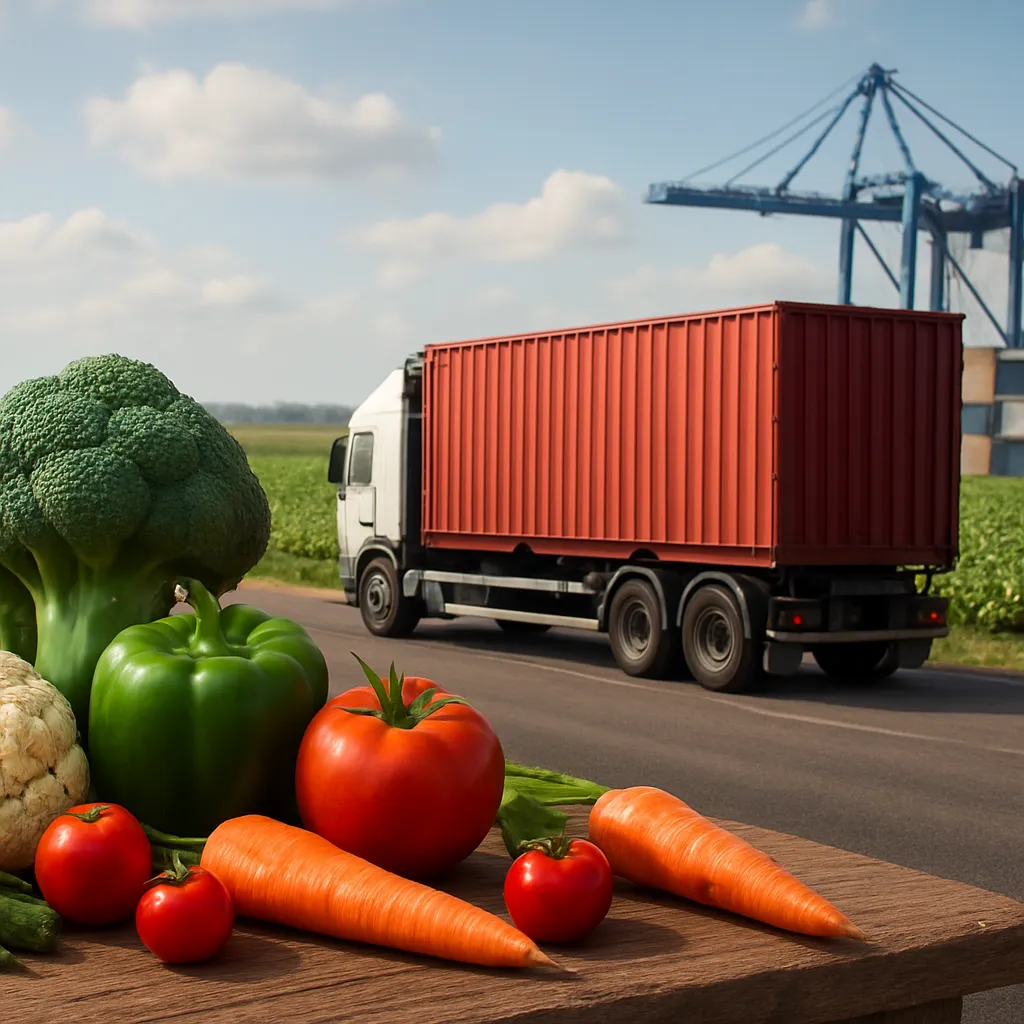
Recent years have seen volatility in logistics costs and shipping times, which has disproportionately affected perishable exports. Exporters have responded by diversifying destination markets and by investing in processing capacity to convert seasonal surpluses into storable goods.
Climate Risks, Environmental Pressures and Adaptation
Climate variability and extreme weather events are reshaping agricultural productivity. Changes in rainfall, temperature regimes, and the range of pests and diseases are central concerns for chili producers. Adaptation measures are becoming critical to maintain supply stability.
Adaptation and mitigation measures
- Shifting planting calendars and using climate-resilient varieties to reduce exposure to heat stress and unseasonal rains.
- Agroecological practices and crop diversification to build resilience and maintain soil health.
- Investment in water management — rainwater harvesting, drip irrigation — to cope with drought risk and improve resource efficiency.
Public and private actors are increasingly supporting climate-smart agriculture initiatives, including weather-indexed insurance and early-warning systems. These programs help mitigate producer risk and make investment in higher-value production more attractive.
Innovation, Digitalization and Value-Chain Efficiency
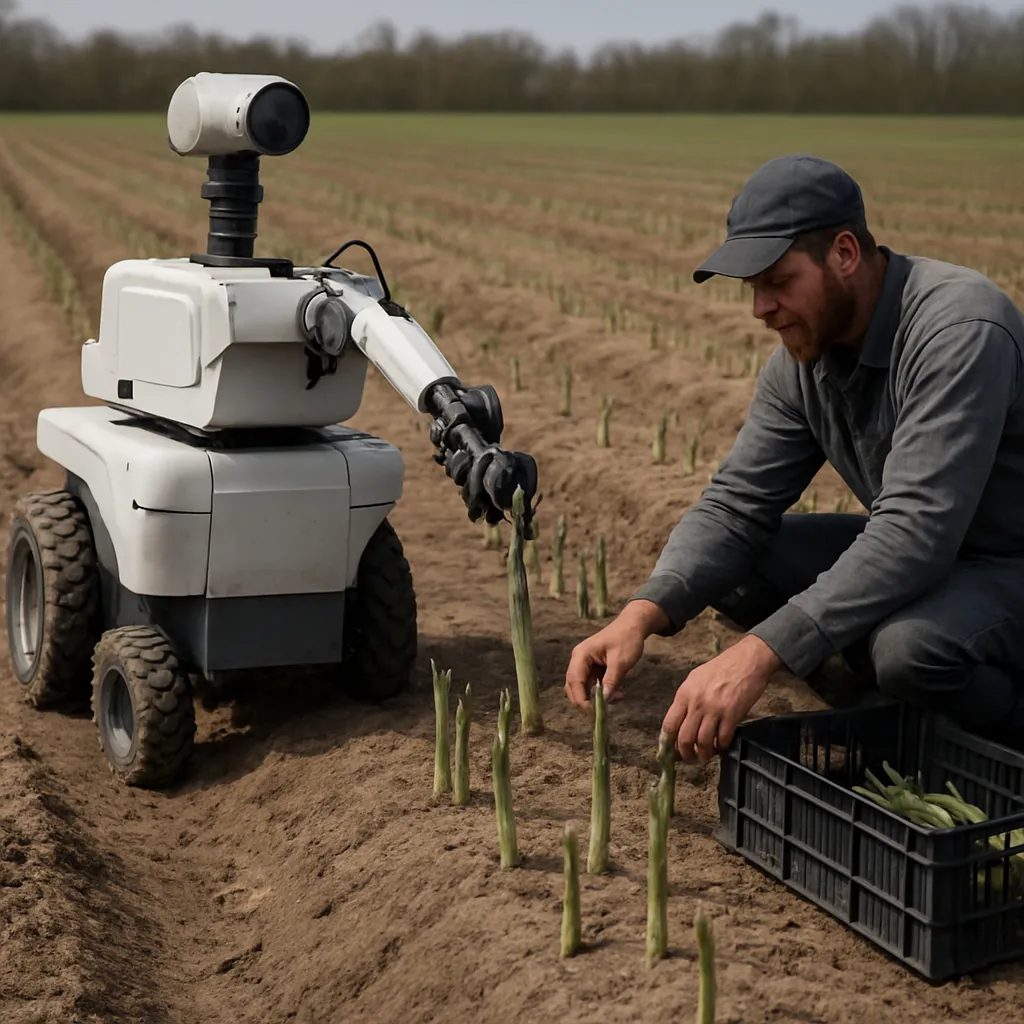
Technological progress is altering how chili is produced, processed and marketed. From breeding newer cultivars to deploying cold-chain monitoring and digital marketplaces, **innovation** reduces transaction costs and improves traceability. Digital extension services and mobile-based market information help farmers negotiate better prices and access timely agronomic advice.
Examples of impactful technologies
- Mobile platforms for price discovery and forward contracting between farmers and processors.
- Remote sensing and satellite data for yield forecasting and monitoring crop health.
- Post-harvest technologies — dryers, mechanical sorters — that improve quality and reduce post-harvest loss.
Adoption of these tools is uneven: larger farms and integrated agribusinesses tend to benefit earlier, while smallholders often need support from cooperatives, NGOs, or buyer-led initiatives to access the same gains.
Business Models, Finance and Risk Management
Commercial viability in the chili sector depends on effective business models that link production to stable market outlets. Contract farming, cooperatives, and vertical integration have emerged as common arrangements to manage supply variability and quality expectations. Access to affordable finance enables investments in irrigation, storage and processing capacity, which in turn buffer against price fluctuations.
- Warehouse receipt systems and structured finance can unlock working capital against stored produce.
- Crop insurance and price-hedging mechanisms, though still limited, are gaining traction to protect farmers and traders from downside risk.
- Impact investments and blended finance are increasingly targeted at agribusinesses that can demonstrate inclusive and environmentally conscious practices.
Challenges and Opportunities for Export Growth
Persistent challenges include fragmented production systems, volatile input costs, pest outbreaks, and the complexity of meeting varied regulatory standards. Yet opportunities abound: adding value through processing, occupying niche segments such as organic or heirloom varieties, and leveraging e-commerce for direct-to-consumer exports.
Strategic levers for growth
- Standardizing grading and quality specifications to facilitate smoother trade and price discovery.
- Investing in cold chains and packaging innovations to expand fresh-chile markets.
- Developing branding strategies that emphasize origin, quality and sustainability credentials to capture premium segments.
Exporters that build reliable sourcing networks and can assure consistent quality will capture the fastest growth. Those that integrate sustainability practices stand to gain long-term market access and consumer trust, particularly in jurisdictions where environmental and social compliance is evolving into a non-negotiable requirement.
Regional Case Studies and Comparative Advantages
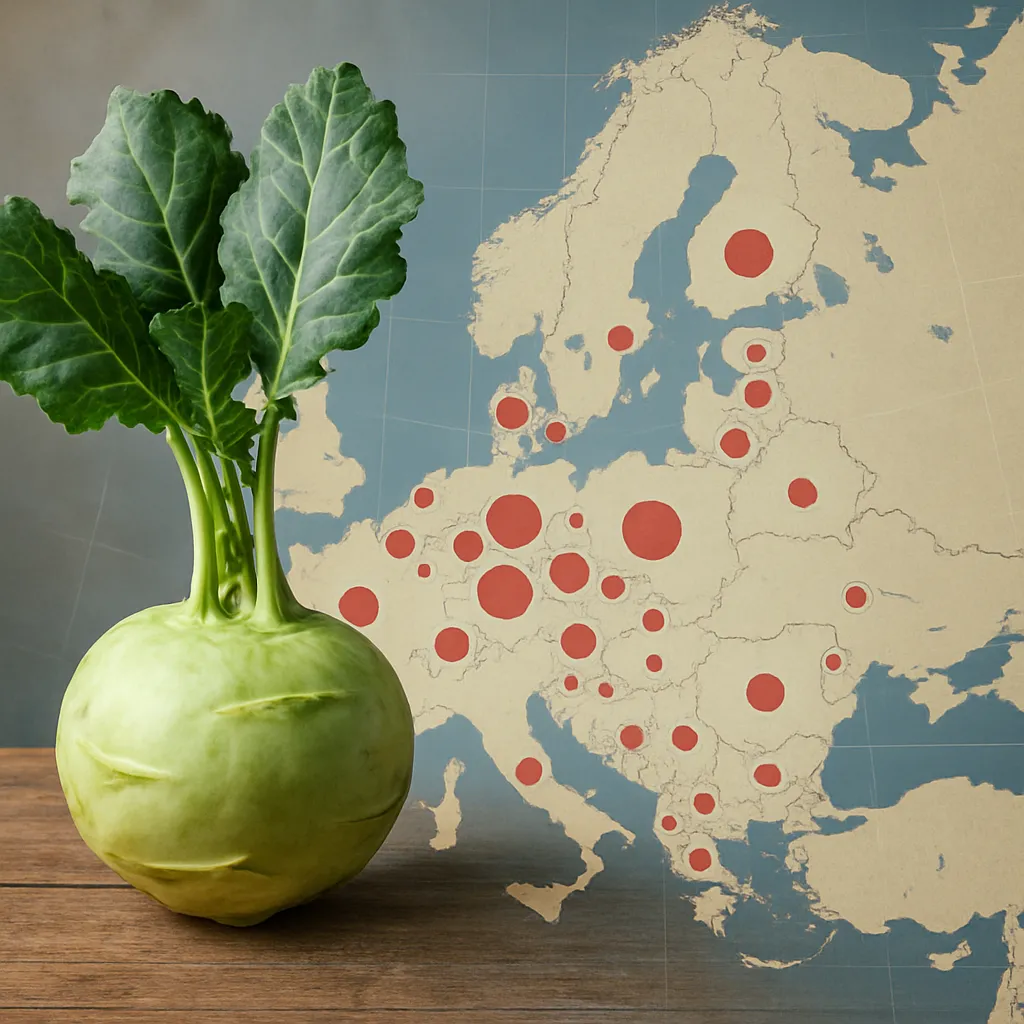
Different producing regions show distinct comparative advantages. For example, some Latin American countries rely on favorable agro-climatic conditions and established logistics links to North America, while South Asian producers leverage low-cost labor and large domestic markets to produce both fresh and processed chillies. European hubs often focus on high-value processing and re-export due to strong food processing industries and logistical networks.
- Mexico: well-positioned for fresh exports to North America and for specialty varieties with strong cultural linkages to cuisine.
- India: major producer and exporter of dried chillies and powders, with opportunities to increase value-addition and compliance for high-end markets.
- Spain and the Netherlands: serve as processing and distribution centers for the EU, emphasizing quality and certification.
Future Directions and Investment Priorities
Looking ahead, the chili sector’s growth will be shaped by the interplay of consumer preferences, climate adaptation, logistical efficiencies and trade policies. Investments that improve resilience, reduce post-harvest loss and enable smallholders to meet export standards will deliver the greatest social and economic returns. Cultivating public-private partnerships and fostering institutional innovations — such as cooperative-based processing facilities and digital traceability platforms — can help align incentives across the value chain.
To capitalize on global demand, stakeholders must navigate regulatory complexity and evolving consumer expectations while enhancing on-farm productivity and sustainability. Strategic investments in capacity building, infrastructure and **sustainable** agronomic practices will determine which producers and exporting countries reap the benefits of a growing international market for this versatile crop. Attention to supply reliability and product differentiation — whether through origin branding, organic certification or unique varietal characteristics — will enable players across the value chain to capture higher margins and reduce exposure to pure commodity price swings.
Key Risk Factors and Mitigation Strategies
Trade and production risk are concentrated in several areas: climatic shocks, pest and disease outbreaks, logistical disruptions, and policy shifts that change market access or impose new compliance costs. Addressing these risks requires a combination of on-farm adaptation, institutional capacity building and market diversification strategies.
- Diversify export destinations and product forms (fresh vs processed) to reduce exposure to single-market shocks.
- Strengthen phytosanitary systems and investment in testing infrastructure to meet importing-country requirements.
- Promote farmer cooperatives and contract farming to consolidate supply and support quality improvements.
Encouragingly, the sector is also seeing greater involvement from fintech and agritech firms offering tailored credit, digital advisory services, and market linkages. These developments help small and medium enterprises scale and integrate more fully into international **trade** networks, making the overall system more robust.
Concluding Perspective on Growth Opportunities
Overall, chili represents a microcosm of broader agricultural trends: the move toward higher-value, quality-sensitive supply chains; the need for climate-smart production systems; and the growing importance of regulatory and consumer-driven standards. Countries and firms that prioritize connectivity, traceability, and resilience will be best placed to capture the evolving opportunities in global chili **exports**. At the same time, collaborative efforts to transfer technology and build capacity at the farm level will be essential to ensure that the economic gains from export growth are inclusive and durable.
The continued evolution of the sector will be influenced by multiple forces, including demographic shifts, **climate change**, and the pace of technological **innovation** — all interacting to redefine what it means to compete successfully in global agricultural markets. Stakeholders who can anticipate these shifts and invest accordingly will not only secure commercial returns but also contribute to broader rural development goals, improved livelihoods and more resilient food systems.