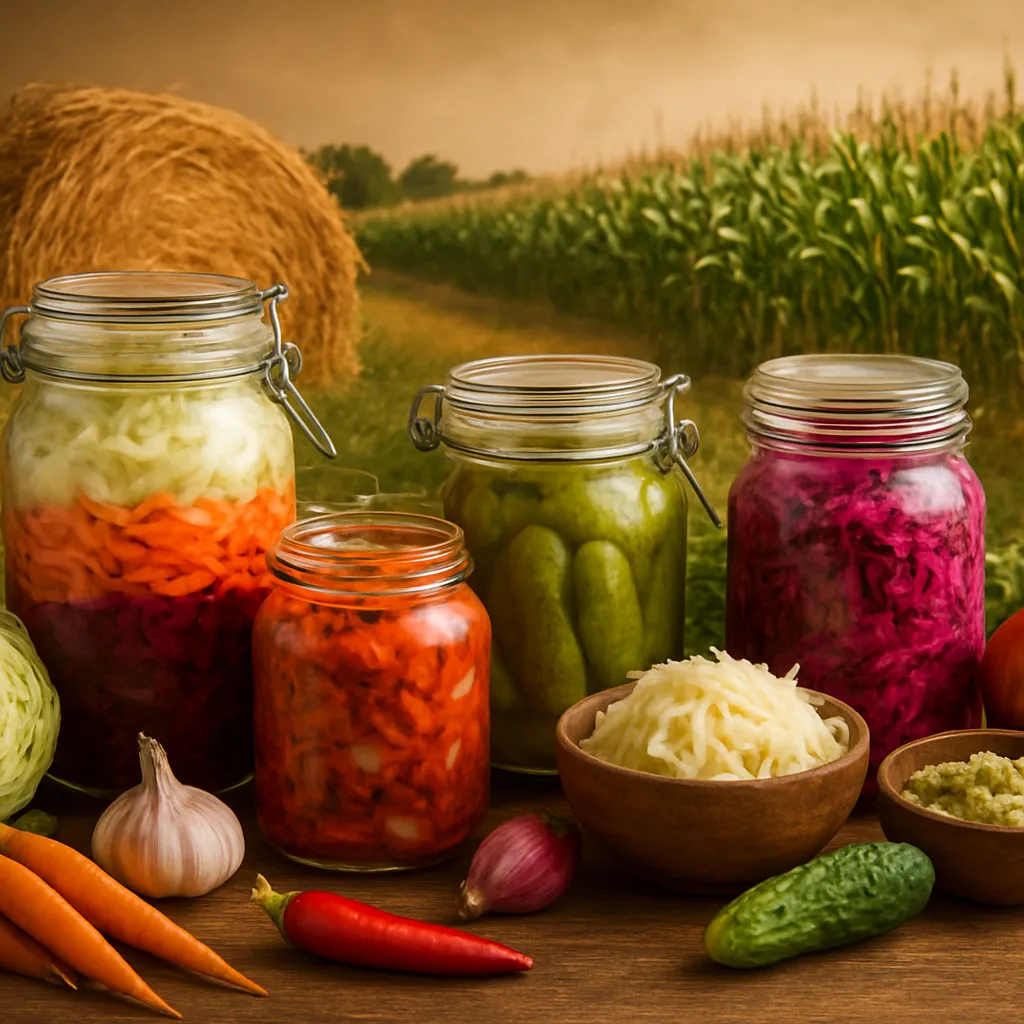
The global appetite for fermented foods has surged in recent years, reshaping diets, culinary trends and the agricultural systems that support them. Fermented products — from kimchi and sauerkraut to yogurt, kombucha and miso — bridge tradition and innovation, offering unique flavors, extended shelf life and potential health benefits. This article examines the market dynamics driving the fermented foods boom and explores the practical implications for farmers, supply chains and agricultural policy. By connecting consumer demand to on-farm decisions, we can better understand how fermentation influences cropping patterns, value chains and rural livelihoods.
Why fermented foods are booming: consumer, health and cultural drivers
Several intersecting forces explain the rapid growth of fermented foods in global markets. First, changing **consumer** preferences toward minimally processed, artisanal and authentic products have elevated demand for traditional ferments as markers of quality and provenance. Second, scientific and marketing claims around **probiotics** and gut health have placed fermented foods at the center of wellness narratives, encouraging selective consumption across age groups. Third, urbanization and multicultural food exposure have expanded culinary curiosity, bringing regional ferments to mainstream supermarket shelves and specialty stores.
Technology and packaging innovations have also played a role. Improved temperature control, standardized starter cultures and novel packaging solutions extend shelf life and reduce food safety concerns. Food companies and start-ups are investing in scalable fermentation processes that convert locally available raw materials into value-added products, enabling year-round availability that detaches some ferments from strict seasonal cycles.
Market implications for agricultural producers
Rising demand translates into shifting requirements for raw materials. Fermentation often relies on staple crops and perishable produce — vegetables, milk, grains, pulses, herbs and fruit — creating new market outlets for these inputs. For farmers and processors, this trend offers opportunities to capture **value-added** margins that were previously unavailable when selling raw commodities.
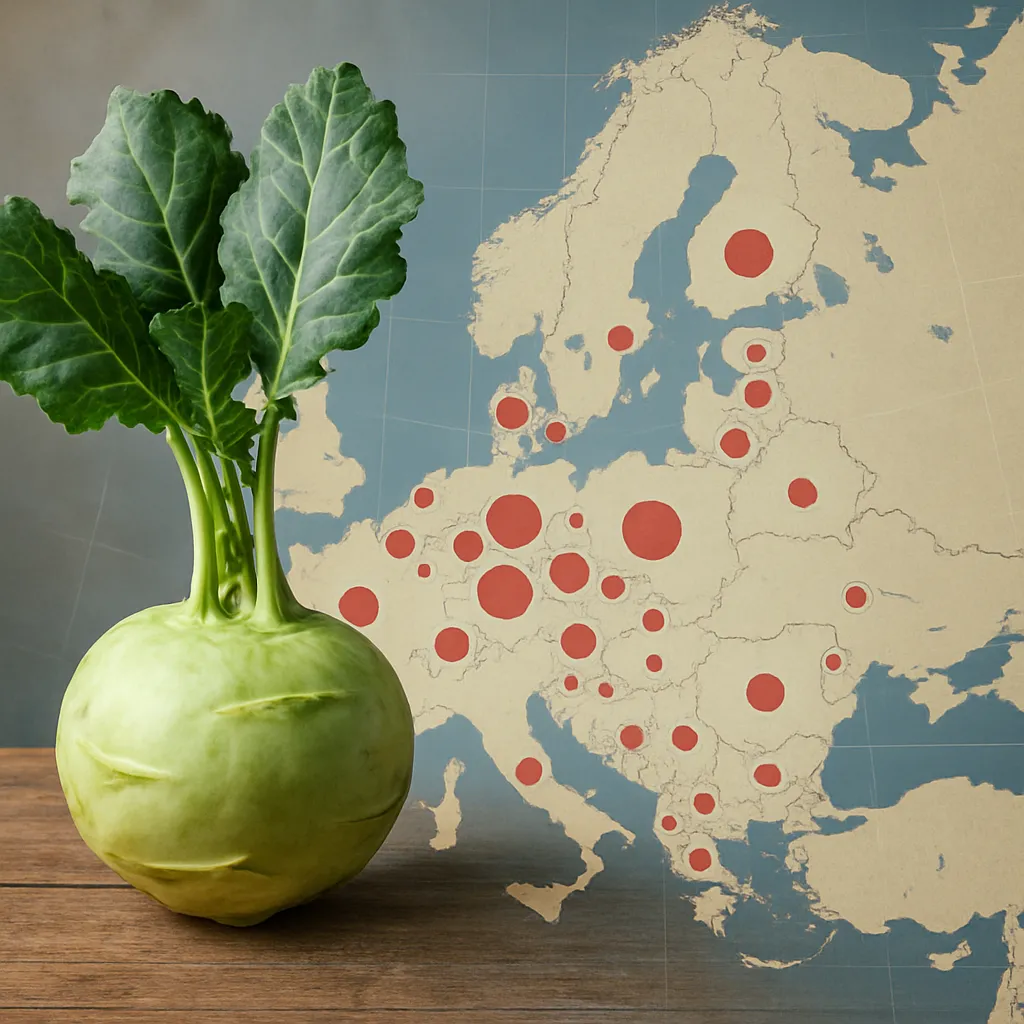
- Crop diversification: Farmers can diversify into crops tailored for fermentation industries, such as cabbage varieties for kimchi or specific barley and hops profiles for sour-beer and kombucha adjuncts. Diversification can spread risk and improve seasonal income flows.
- Quality premiums: Fermentation often requires raw materials with distinct sensory or compositional traits. Producers who meet these quality specifications may access premiums, leading to certified or niche production systems (e.g., organic, heirloom, low-pesticide).
- Contract farming: To ensure consistent supply and quality, processors may offer contract arrangements. While contracts provide income stability, they can also shift bargaining power and require compliance with strict agronomic standards.
However, there are trade-offs. Demand for specific varieties may narrow the genetic base on farms, posing risks to **biodiversity** and long-term resilience. Farmers chasing short-term premiums might reduce crop rotation or adopt intensive practices, with implications for soil health and ecosystem services.
Supply chain adjustments and processing capacity
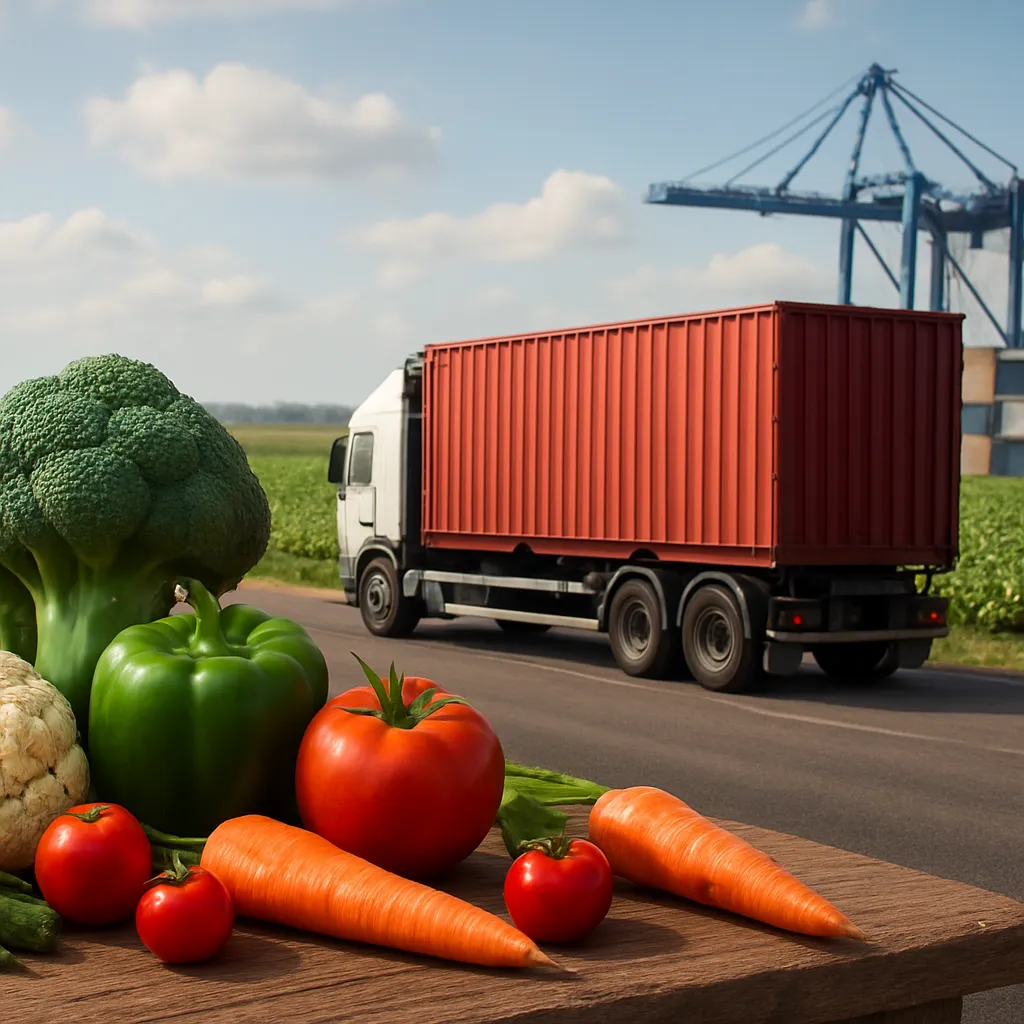
Scaling fermentation from artisanal kitchens to commercial production requires changes across the supply chain. Key areas of adjustment include cold chain management, processing infrastructure and logistics for semi-processed intermediates. Small and medium-sized processors play a crucial role, often acting as aggregators of raw materials from local farmers and innovators of new fermented products.
- Aggregation and logistics: Efficient aggregation points reduce post-harvest loss for perishable vegetables destined for fermentation. Co-packers and cooperatives can optimize throughput and enable smallholders to participate in higher-value markets.
- Processing technology: Investments in hygienic facilities, starter-culture management and traceability systems reduce risk and meet regulatory standards, particularly for export markets.
- Market differentiation: Producers who emphasize terroir, indigenous strains of microbes or traditional methods can differentiate their products against mass-market alternatives, carving niche markets domestically and internationally.
Role of smallholders and rural livelihoods
Fermentation-based value chains can empower rural producers by enabling on-farm processing and direct sales. For example, dairy farmers who establish small-scale yogurt or cheese operations can retain a greater share of final product value. Similarly, vegetable growers can collaborate with local fermenters to convert imperfect or excess produce into shelf-stable goods.
Yet realization of these benefits depends on access to credit, technical training and market linkages. Capacity building around food safety, packaging and branding is essential for smallholders to compete. Public and private investments in rural processing hubs and incubation programs can catalyze inclusive growth.
Environmental and resource implications
The environmental footprint of fermented foods is complex and context-dependent. On the one hand, fermentation can reduce food waste by upcycling surplus produce into stable products, lowering losses down the chain. On the other hand, intensified production of specific ingredients could increase inputs such as fertilizers, water and energy. Assessments of sustainability must therefore consider the entire lifecycle of raw material production, processing and distribution.
- Food waste reduction: Fermentation transforms perishable goods into longer-lasting items, offering a climate-smart approach to food security when integrated into local systems.
- Resource efficiency: Some ferments, especially those based on plant substrates, can be produced with relatively low water and land footprints compared with animal-based foods. However, commercial-scale processing and packaging can add energy and material demands.
- Emissions and inputs: If the boom drives monocultures or increased use of agrochemicals, greenhouse gas emissions and biodiversity loss could rise. Sustainable agricultural practices and regenerative approaches must be incentivized.
Policy, standards and food safety considerations
Regulatory frameworks influence the speed and shape of fermented foods markets. Clear standards on labeling, health claims and safety are crucial to protect consumers and foster industry credibility. Many countries lack specific guidance on traditional fermentation methods, creating grey areas for small processors.
Policymakers can support sector development through several measures:
- Creating proportionate food-safety standards that recognize traditional practices while ensuring public health.
- Providing technical assistance and testing facilities for micro- and small enterprises to meet export standards.
- Supporting research on microbial strains, starter cultures and preservation techniques that balance safety and cultural authenticity.
Trade policy also matters. Tariff and non-tariff barriers affect producers seeking to export fermented specialties. Harmonizing standards and promoting geographic indication schemes can help protect producers and expand market access.
Innovation, research and future directions
Scientific research is unlocking new possibilities for fermentation in agriculture and food systems. Innovations include engineered starter cultures for consistent quality, novel fermentation substrates sourced from agricultural byproducts, and precision fermentation technologies that produce high-value ingredients without traditional crops.
Key research priorities that would benefit both producers and consumers include:
- Documenting the agronomic traits preferred by fermenters so breeders can develop suitable varieties.
- Developing low-cost, scalable processing technologies accessible to rural entrepreneurs.
- Evaluating the nutritional and microbiome impacts of diverse fermented foods to substantiate health claims responsibly.
Emerging models such as circular agro-processing — where fermentation converts crop residues into animal feed, bioplastics or soil amendments — offer integrated approaches to enhance **sustainability** and farm profitability.
Implications for market actors and recommendations for adaptation
For farmers and cooperatives, the fermented foods boom suggests a need to balance short-term market opportunities with long-term resilience. Practical steps include investing in varietal selection for fermentation qualities, building relationships with local processors, and exploring collective approaches to processing and marketing. For processors and retailers, sourcing strategies should prioritize traceability, fair contracting and support for supplier capacity-building.
- Farmers: experiment with crop varieties and small-scale processing to capture more value; adopt practices that protect soil health and **biodiversity**.
- Processors: invest in quality control and transparent supply chains to maintain consumer trust and support small-scale suppliers.
- Policymakers: promote training, infrastructure and standards that allow traditional and small producers to scale safely and sustainably.
- Researchers: collaborate with industry to tailor agricultural research toward fermentation-driven value chains and to quantify environmental and health impacts.
As fermented foods continue to move from niche to mainstream, aligning agricultural practices, supply chains and policy frameworks will be essential to ensure that the boom benefits rural communities, protects natural resources and delivers safe, nutritious products to consumers. The interplay between tradition and innovation in fermentation presents a rare opportunity to create more diverse, resilient and value-rich food systems.