The expansion of global landscapes dedicated to lawns, sports fields, restoration projects and pasture systems has driven a noticeable shift in agricultural inputs. The rising interest in improved turf, resilient pastures and ecological restoration has stimulated demand for high-quality grass and influenced the broader dynamics of the seed and agricultural market. This article explores the economic, environmental and technological factors shaping the grass seed sector, the implications for rural producers and supply chains, and the strategies stakeholders are deploying to respond to increased global appetite.
Drivers of Rising Demand
Several interconnected forces are pushing demand for grass seed upward. Urbanization and expanding recreational infrastructure such as parks, golf courses and athletic fields require significant quantities of turf seed formulated for aesthetics and durability. Meanwhile, agricultural policies and livestock producers seeking better feed quality are adopting improved pasture species and mixtures to raise productivity per hectare. Environmental restoration initiatives and erosion control projects also favor native and specialised grasses, adding another channel to overall needs.
Climate variability and the increasing incidence of droughts and extreme weather events have accelerated interest in grass varieties bred for stress tolerance. This trend is compounded by consumer preference for low-input landscaping options and native plantings that enhance local biodiversity. As urban planners and homeowners alike prioritize drought-resistant and low-maintenance green spaces, seed firms respond by developing cultivars that balance appearance, function and environmental resilience.
Production, Varieties and Quality Considerations
Grass seed production combines classical plant breeding with modern agronomy. Seed producers evaluate performance across traits such as drought tolerance, disease resistance, wear tolerance and recovery rate after damage. The commercial portfolio includes cool-season and warm-season species, perennial ryegrass, fescues, bluegrasses, bermudagrass and native prairie mixes. Each category addresses different climatic zones, use cases and management regimes.
Seed purity and certification
Maintaining seed quality is central to market trust. Certified seed programs monitor genetic purity, germination rates and freedom from contaminants. Seed certification and clear labeling help landscapers, municipalities and farmers make informed choices, reducing the risk of introducing invasive species or poor-performing material. The logistics of cleaning, grading and storing seed also affect shelf life and final viability, reinforcing the need for robust quality controls across the supply chain.
Genetic improvement and breeding
Breeders are leveraging both conventional selection and molecular tools to accelerate development of improved cultivars. Marker-assisted selection and genomic prediction shorten breeding cycles and improve accuracy when targeting complex traits like root depth and heat tolerance. While regulatory and consumer attitudes toward genetic modification vary globally, most investments in grass seed emphasize non-transgenic approaches that can deliver incremental and widely acceptable gains in performance.
Supply Chain Dynamics and Farmer Impacts
The grass seed supply chain extends from specialized seed growers to processors, distributors and end-users. Seed production itself often occurs in regions with suitable climates for seedhead formation and maturation; this creates geographic specialization and seasonal dependencies. Disruptions to logistics—whether from freight bottlenecks, extreme weather or trade restrictions—can quickly reverberate through markets, affecting availability and prices.
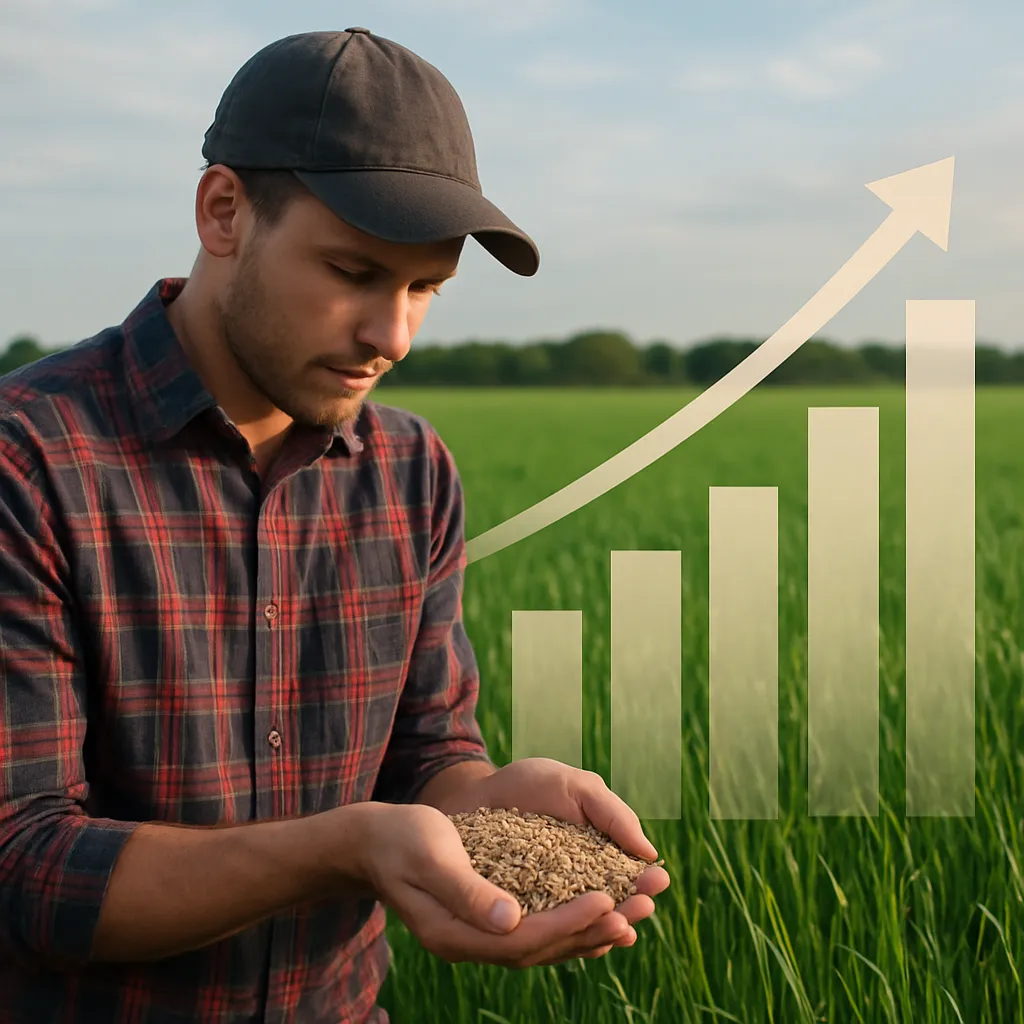
For growers, grass seed represents an opportunity to diversify farm revenue streams. Many farmers allocate portions of their land to seed production when agronomic and market conditions are favorable. However, seed production requires precise crop management, including timely harvest and careful handling to preserve germination. Contract arrangements between processors and growers are common, providing price certainty but also binding producers to specified quality standards.
- Benefits to growers: potential premium pricing, stable demand, crop rotation advantages.
- Risks for growers: sensitivity to weather during seed set, market price volatility, strict quality requirements.
- Role of cooperatives and processors: aggregation of small volumes, investment in cleaning facilities and marketing.
Technology, Innovation and Sustainable Practices
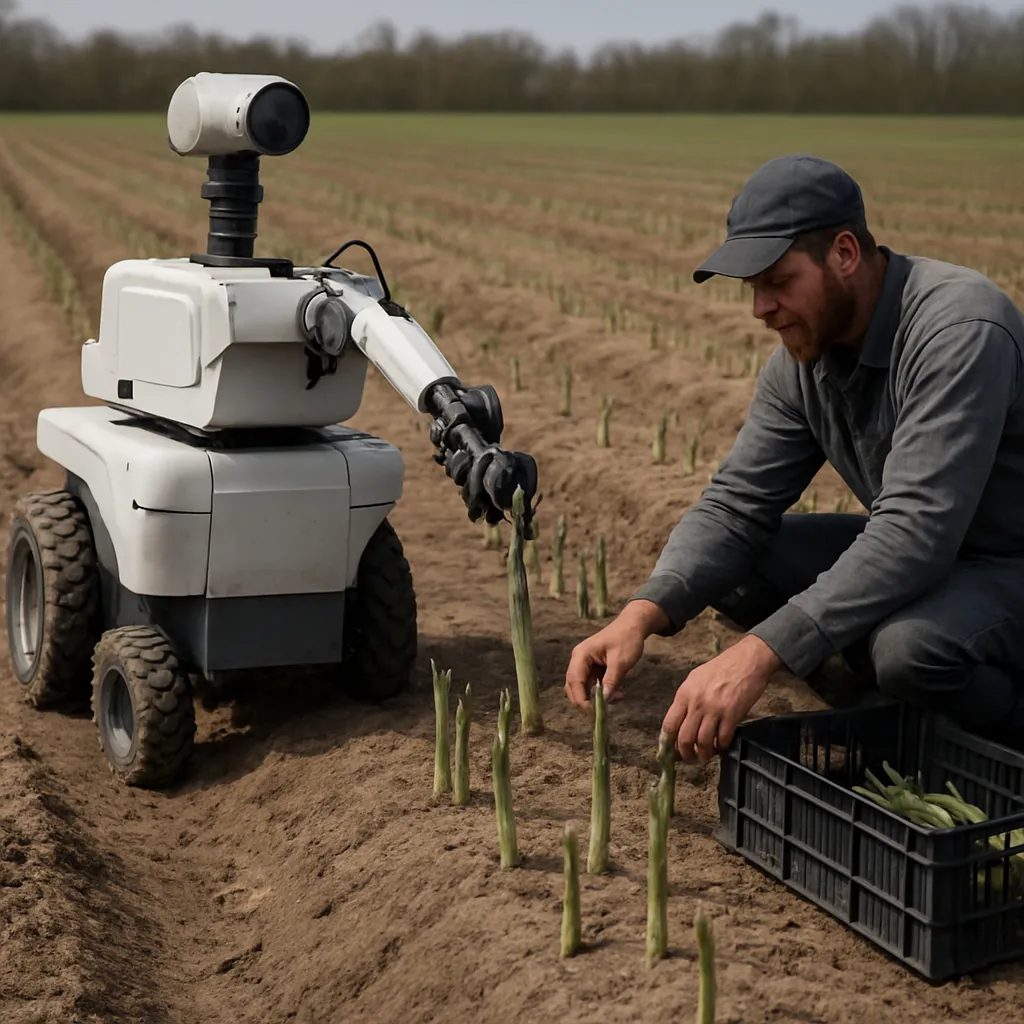
Innovation in the grass seed sector is not limited to breeding. Advances in precision agriculture enable more efficient production with lower inputs. Soil testing, variable-rate fertilization and remote sensing optimize nutrient use and help producers achieve uniform stands suitable for seed harvest. Digital platforms also facilitate traceability, linking seed lots to origin data, test results and certification, which is increasingly valued by buyers who demand transparency.
The sustainability angle is gaining prominence as landscape managers and agricultural buyers seek products with a lower environmental footprint. Seed companies emphasize cultivars that reduce the need for irrigation and chemical inputs, aligning with broader sustainability goals tied to water conservation and reduced pesticide use. Integration of technology such as drought forecasting tools and seed coatings that enhance germination under stress further contributes to improved resource efficiency.
Ecological restoration and multifunctional landscapes
Restoration practitioners prioritize seed mixes that deliver ecological outcomes—pollinator support, habitat connectivity and soil stabilization. This demand creates niches for producers specializing in native grass species and regional provenance mixes. When sourced responsibly, these seeds support conservation objectives; when mismanaged, they risk genetic pollution or failure to establish. Hence, best practices in collection, storage and deployment are critical.
Policy, Trade and Market Access
Trade policies, phytosanitary regulations and tariff regimes substantially shape cross-border flows of grass seed. Exporters must navigate varying rules on allowed species, quarantine pests and documentation. In some regions, biosecurity measures restrict certain seed shipments, compelling firms to develop local production capacity or certified treatment protocols.
Government programs that incentivize soil conservation, agro-environmental schemes or urban greening can boost demand indirectly by subsidizing seed purchases or supporting demonstration projects. Conversely, reduced public spending on landscaping and restoration can depress markets. Policy stability and clarity therefore matter for long-term investment decisions by breeders and seed companies.
Market Trends, Pricing and Consumer Preferences
Price formation in the grass seed sector reflects a blend of production costs, cultivar value, supply constraints and downstream demand from landscaping and agriculture. Premium cultivars command higher prices due to superior performance metrics and brand recognition. End-users increasingly weigh lifecycle costs—water use, mowing frequency, repair needs—rather than raw seed price alone, which can favor higher-quality seed with better longevity.
Consumer preferences are shifting toward low-maintenance turfs and native plantings, influenced by environmental awareness and municipal ordinances that restrict high-water landscaping. The recreational sports market demands resilient surfaces that can withstand heavy use and quick recovery; seed mixes with enhanced wear tolerance are in demand for such applications. Homeowner trends, while fragmented, are important because residential landscaping accounts for a sizable share of overall turf seed consumption.
Challenges, Risks and Opportunities
The sector faces several headwinds: climate-related production variability, invasive species threats, and supply chain fragilities. On the other hand, the increasing emphasis on sustainable landscapes, carbon sequestration in grass-dominated systems and the need for erosion control creates opportunities for seed producers who can align offerings with these priorities.
Investment in breeding for resilience, expansion of certified native seed production and improved logistical coordination can mitigate many risks. Partnerships between public research institutions and private breeders accelerate the translation of research into usable cultivars. Meanwhile, outreach and extension services support growers in adopting best practices for seed production and conservation-minded land management.
Strategic Considerations for Stakeholders
For seed companies: diversify production geographies to hedge climate risk, invest in certification and traceability to capture value, and expand product lines to include native and low-input mixes. For farmers: evaluate contract options, adopt precision agronomy to enhance seed quality and explore value-added niches such as organic or regionally adapted seed. For policymakers: harmonize phytosanitary rules, support restoration seed banks and provide incentives that align private incentives with public environmental goals.
As the global appetite for resilient, functional and sustainable green spaces grows, the grass seed industry stands at the intersection of agriculture, ecology and commerce. Adapting to shifting climatic conditions, evolving consumer preferences and complex regulatory landscapes will determine which firms and producers thrive. Stakeholders who prioritize innovation, quality assurance and ecological outcomes are best positioned to meet rising demand while supporting rural livelihoods and environmental objectives.