The global trade in green beans sits at the intersection of agronomy, logistics and consumer behaviour, shaped by predictable cycles and sudden shocks. Understanding the interplay of weather windows, regional production calendars and consumption patterns is essential for stakeholders ranging from smallholder farmers to multinational retailers. This article explores the agricultural fundamentals that drive the green bean sector, the economic mechanics of its seasonal flows, and practical approaches to reduce risk and capture value across the value chain. Key themes include seasonality, crop management, cold-chain logistics and evolving consumer preferences.
Growing calendar and climatic drivers
Green beans (snap beans) are a short-duration vegetable crop with multiple planting and harvesting windows in many agro-ecological zones. The crop’s biology—rapid vegetative growth, high sensitivity to temperature and moisture, and quick decline in quality after harvest—means production timing is decisive for both yields and market returns.
Planting, maturity and harvest patterns
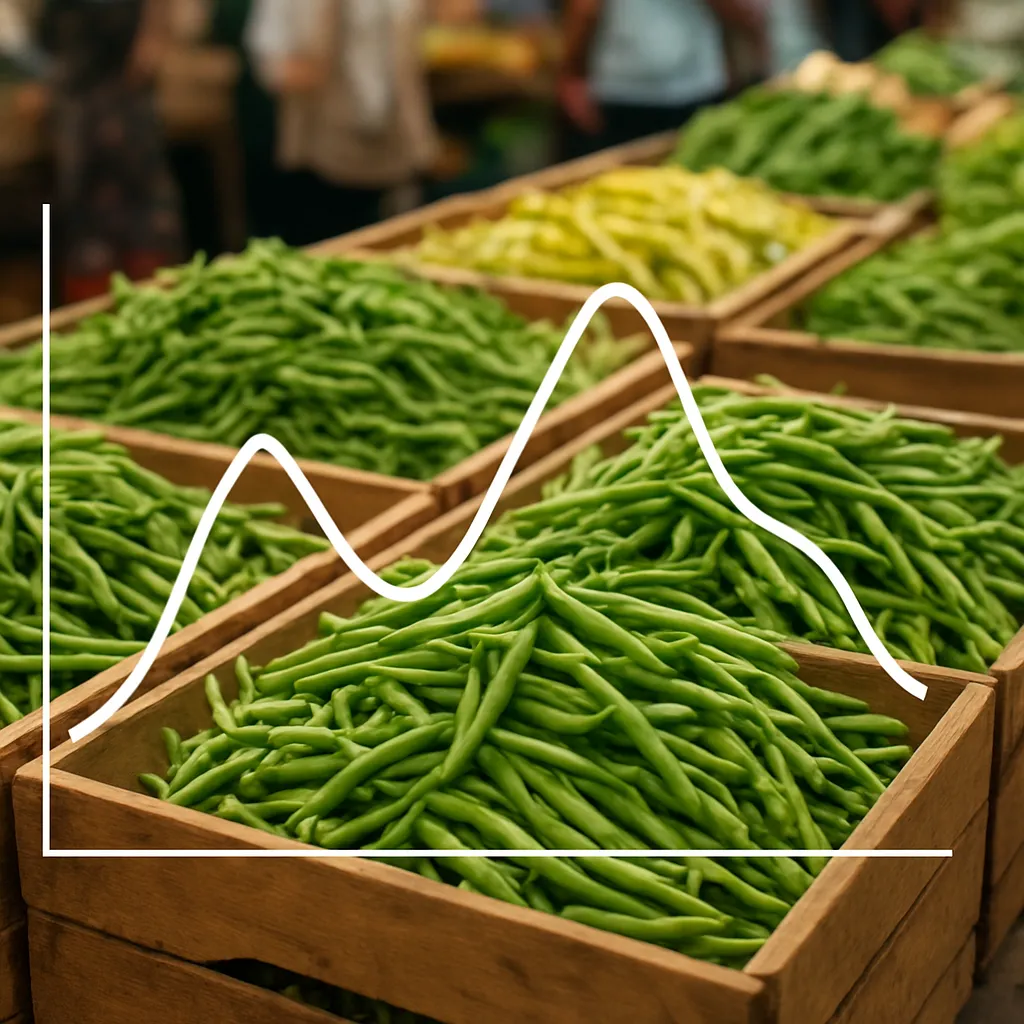
- In temperate zones, spring and late-summer plantings create two main harvest seasons: a primary summer flush and a secondary autumn window.
- Tropical and subtropical producers can achieve overlapping plantings year-round but still see peaks tied to dry-season irrigation and reduced pest pressure.
- Harvest quality is highest when plants are neither heat-stressed nor waterlogged, and optimal harvest intervals can be as short as every two to three days for commercial operations to maintain pod size and tenderness.
Because supply is concentrated into relatively short windows, local markets often face sharp swings in availability. The agricultural calendar also affects input timing—fertiliser regimes, pest control, and labour hiring—creating linked cost cycles that feed into final prices.
Market dynamics and pricing mechanisms
Green bean prices reflect the interaction of short-run demand and supply conditions. Freshness and appearance dominate consumer choice, so quality deterioration quickly lowers price even when volume remains steady. Several structural features shape how prices evolve across a season:
Supply concentration and perishability
- Large harvest volumes over short periods create downward pressure on prices unless buyers or processors can absorb the surplus.
- Perishability increases the value of timely logistics; inadequate refrigeration or transport bottlenecks translate directly into lost revenue.
Demand cycles and price elasticity
Consumption patterns are not constant. Household purchases, food service demand and institutional contracts (schools, hospitals) exhibit different sensitivities to price and quality. Holidays and seasonal menus can magnify demand in short bursts, leading to temporary price spikes if supplies are constrained. Conversely, during peak harvests, prices can fall rapidly, encouraging surplus processing or discounting.
Risk and volatility
Green bean markets display significant short-term volatility driven by weather events, pest outbreaks, and logistic disruptions. Since there is limited formal futures or forward contract markets for fresh green beans, participants rely on short-term contracts, spot pricing and informal arrangements to manage risk. This creates opportunities for intermediaries with storage and cooling capacity to capture value by smoothing supply into the off-season.
Trade, logistics and policy impacts
Seasonality in local production creates demand for cross-border flows. Regional trade balances depend on comparative planting calendars, cost structures and logistical connectivity. For many importing countries, off-season sourcing is critical to maintain year-round shelf availability.
Patterns of international trade
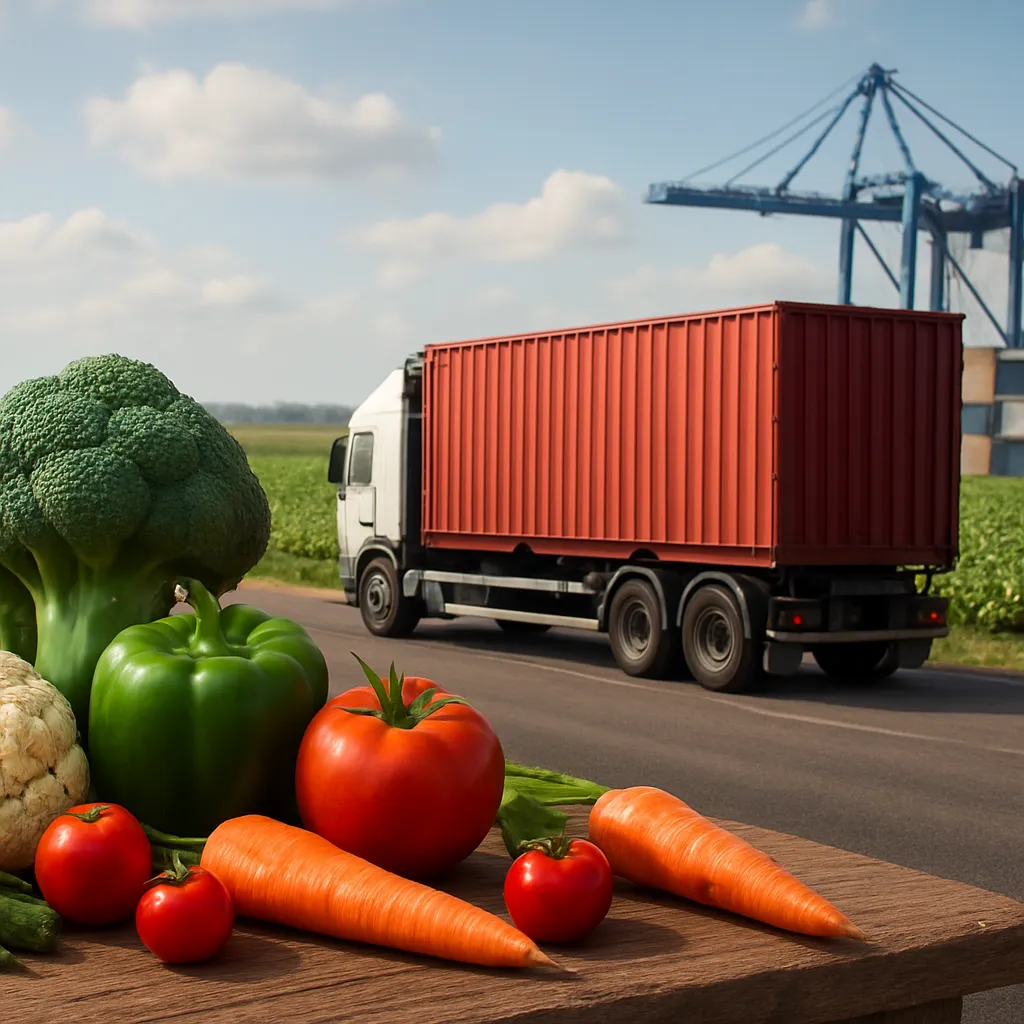
- Major exporting countries schedule shipments to fill gaps in importers’ calendars; for example, southern hemisphere producers often supply northern markets during their winter.
- Trader networks and consolidated cold-chain operators coordinate cross-border flows to protect freshness and reduce spoilage.
Beyond simple trade, policy measures like phytosanitary requirements, seasonal tariffs, and SPS (sanitary and phytosanitary) inspections influence the cost and timing of shipments. Sudden regulatory changes can block shipments at ports, turning a well-timed harvest into a loss.
Logistics and cold-chain considerations
Maintaining quality from field to fork requires investment in cooling, modified atmosphere packaging and rapid transport. Smallholders often lack access to these services, which fragments supply and forces reliance on intermediaries who buy at lower farmgate prices and take on quality risk. Investment in primary cooling at collection centres, refrigerated consolidation and reliable refrigerated trucking reduces post-harvest loss and narrows seasonal price swings.
Demand drivers: consumers, food service and processing
Demand for green beans arises from several distinct channels: retail fresh produce, food service (restaurants, hotels, catering), institutional buyers and processors producing canned or frozen products. Each channel has different tolerances for size, appearance and delivery timing.
Retail and consumer trends
- Consumers increasingly demand convenience (pre-washed, trimmed packs), organic options and supply chain transparency, which shifts value to packing and post-harvest handling.
- Price sensitivity varies by market segment: value shoppers prefer low-cost bulk options, while premium buyers will pay for freshness and certification.
Food service and institutional demand
Restaurants and institutional kitchens require predictable deliveries and consistent quality. They are often willing to enter medium-term supply arrangements to avoid the unpredictability of spot markets. This stability helps producers who can meet volume and timing commitments but may exclude small-scale growers without aggregation services.
Strategies for managing seasonality and capturing value
Producers, buyers and policymakers can adopt multiple strategies to reduce the economic cost of seasonality and better match supply with demand.
Production and agronomic strategies
- Staggered plantings: scheduling multiple plantings at short intervals spreads harvest volumes, smoothing market supply and reducing price collapses.
- Variety selection: cultivars with differing maturity windows or longer shelf life can extend marketable periods.
- Improved agronomy and integrated pest management to stabilise yields and reduce the probability of catastrophic losses.
Post-harvest and market strategies
- Investing in pre-cooling and cold storage to extend shelf life and enable sales into higher-value windows.
- Forming cooperatives or contracting with packers to access better market prices and logistics services.
- Targeting processing markets during peak supply to convert fresh oversupply into frozen or canned products, reducing waste and creating price floors.
Trade and policy levers
Governments can support more efficient seasonal balancing through improved market information systems, investment in rural cold chains, and facilitating trade agreements that reduce barriers for seasonal shipments. Policies that streamline phytosanitary certification and support export compliance raise the reliability of cross-border flows.
Sustainability, climate change and future outlook
Long-term trends will continue to reshape the green bean sector. Agricultural systems are adjusting to shifting agro-climatic zones, and producers must adapt to maintain productivity while meeting rising environmental standards. Consumers and buyers increasingly prioritise low-impact production, driving premiums for certified and traceable supply.
Climate risk and adaptive responses
- Altered rainfall patterns and temperature extremes can compress or shift harvest windows, increasing mismatch between supply and demand.
- Diversifying production regions and investing in irrigation efficiency are practical ways to hedge climate risk.
Opportunities for resilience
Improved forecasting—combining weather models, remote sensing and market intelligence—enables better timing of planting and logistics. Digital platforms that connect smallholders with buyers, provide price transparency and coordinate deliveries can reduce power imbalances in the chain. Finally, investments in imports and exports infrastructure, alongside public-private partnerships, help stabilise year-round availability while rewarding higher quality and lower-impact practices.
Practical considerations for participants
Whether you are a grower, trader or buyer, understanding the seasonal rhythm of green beans enables smarter decisions:
- Producers should evaluate the cost-benefit of staggered planting and cooling investments against expected price gains.
- Buyers can reduce exposure to seasonal shortages by contracting with suppliers across multiple regions and by supporting shared-cold-chain facilities.
- Policymakers should prioritise infrastructure and information that lower barriers to entry for small producers and increase market resilience.
Seasonality is a structural feature of fresh vegetable markets but not an insurmountable obstacle. With targeted agronomic practices, smarter logistics and improved market arrangements, stakeholders can transform predictable cycles into opportunities for higher returns, more stable livelihoods and more reliable supply for consumers. The future of the green bean market will hinge on the sector’s ability to manage short-term fluctuations while investing in long-term harvest security and environmental sustainability, and by aligning incentives across the value chain to reward quality, continuity and resilience.