The steady push to expand tropical crops beyond their historical growing zones is reshaping agricultural landscapes, trade flows, and farm-level decisions. One notable example is the movement of mango cultivation into marginal and temperate zones. This transition raises important questions about agronomy, market viability, technology adoption, and the resilience of rural economies. The following discussion explores the drivers, techniques, economic opportunities and risks associated with growing a traditionally tropical fruit in cooler climates, with attention to how markets and supply chains must adapt.
Agronomic and climatic considerations for temperate mango production
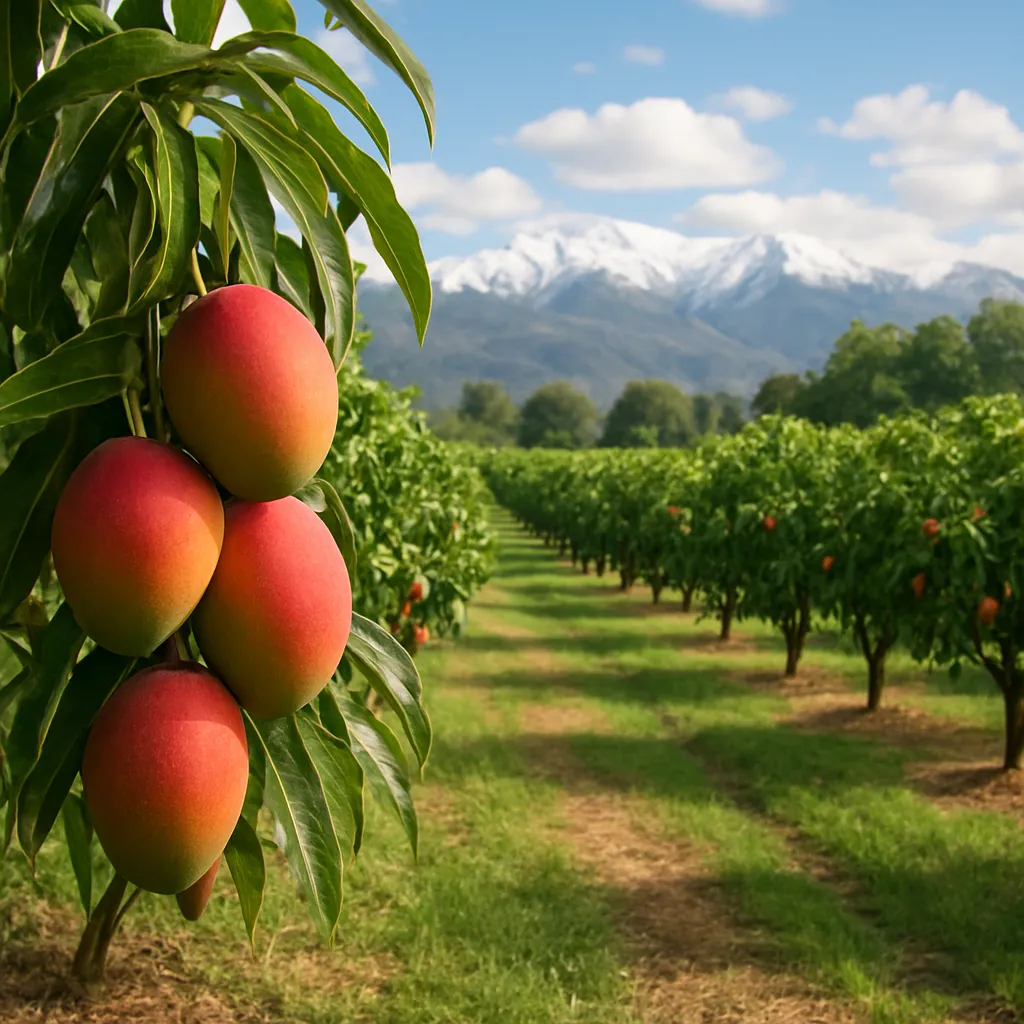
Successfully cultivating mango in regions with cooler winters and shorter growing seasons requires rethinking traditional practices. Mango trees are inherently adapted to warm, frost-free environments and depend on a specific pattern of temperature and sunlight to flower and set fruit. Breeding, microclimate modification and controlled-environment agriculture have become central strategies to overcome these biological constraints.
Variety selection and breeding
Choosing appropriate varieties is the first technical hurdle. Recent breeding programs and selection efforts focus on cold-tolerant genotypes that can withstand lower night temperatures and resist spring frosts. Grafted trees from vigorous rootstocks may show improved establishment and cold resistance. Genetic improvement aims not only at temperature tolerance but at maintaining desirable traits—texture, sugar-acid balance and aroma—that underpin market acceptance.
Microclimate management and protective systems
Growers in temperate zones use multiple strategies to create favorable microclimates. Techniques include:
- Site selection on south-facing slopes or locations with thermal mass to reduce frost risk.
- Use of windbreaks, mulches and reflective ground covers to retain heat.
- Protective structures such as high tunnels, polytunnels or low-cost plastic covers to moderate temperature extremes.
- Supplemental heating or frost-protection systems for critical periods, though these increase operational costs.
Integrated approaches that combine variety choice with microclimate interventions can extend the viable range for mango cultivation significantly, but the capital and operational investments required must be justified by expected returns.
Pest, disease and phenology management
Introduction of mango into new agroecologies alters pest and disease dynamics. Some tropical pests may not survive colder winters, reducing pressure; conversely, novel temperate pests and pathogens can emerge as problems. Growers need robust monitoring and integrated pest management (IPM) plans. Adjusting pruning, irrigation timing and nutrient regimes to support tree health in cooler conditions is also critical to synchronize flowering and avoid fruit losses due to untimely frosts or cold spells.
Economic and market dynamics shaping expansion
The decision to grow mango in temperate areas is as much economic as it is agronomic. Market access, consumer demand, supply chain design and price signals determine whether investments in new orchards will pay off.
Demand trends and value propositions
Global demand for tropical fruits continues to grow, driven by consumer interest in flavor diversity, health benefits and year-round availability. Locally produced temperate-zone mangoes can offer several advantages:
- Fresher supply with lower transit times to nearby urban markets.
- Potential for premium pricing if marketed as local, sustainably grown or greenhouse-produced.
- Year-round or seasonally complementary supply that smooths market availability.
However, consumer acceptance hinges on fruit quality. If temperate-grown mangoes differ significantly in taste, texture or appearance, they may face resistance unless branded and positioned appropriately.
Supply chain and logistics implications
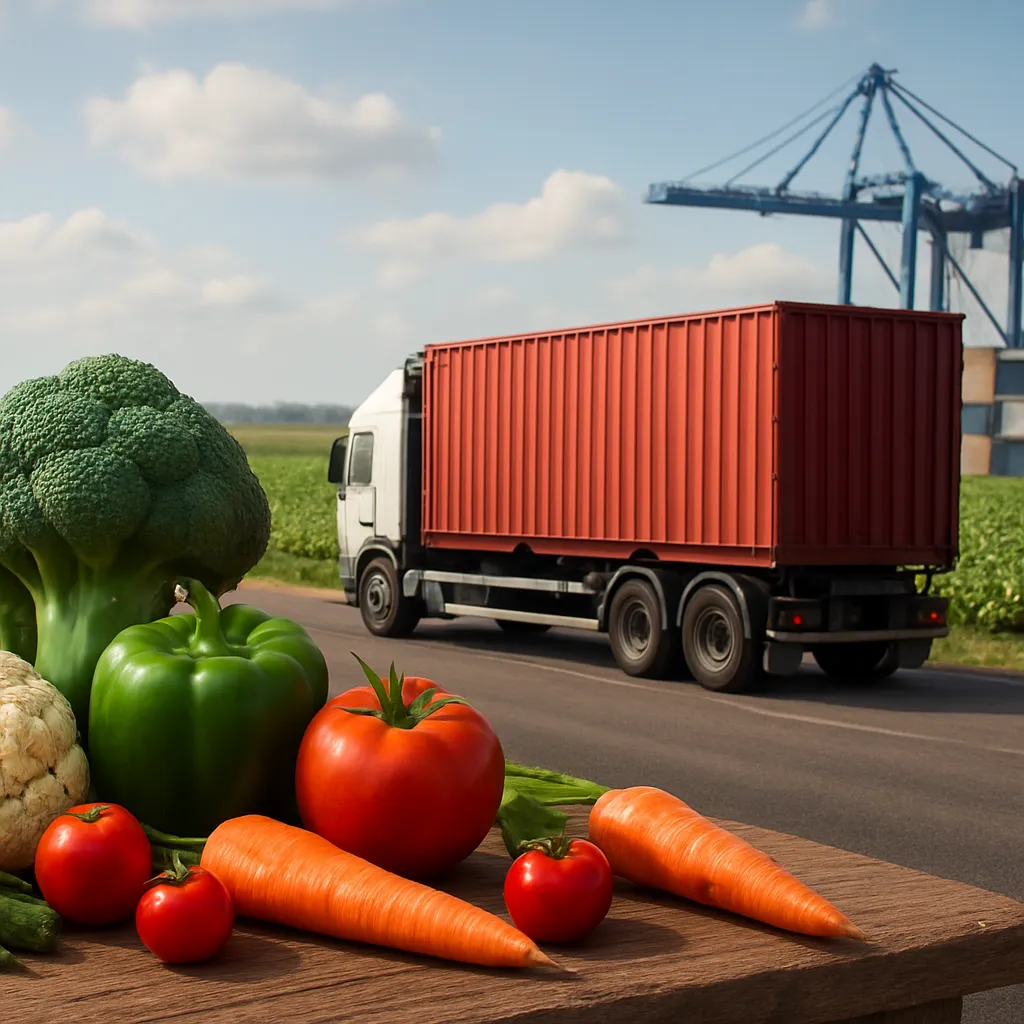
Scaling up cultivation in non-traditional regions requires building or adapting supply chains. Cold chain logistics, postharvest handling and packaging must account for the unique physiology of mango: sensitivity to chilling injury, ethylene management and bruising. Shorter supply chains can reduce waste and carbon footprint, while value-added processing (drying, purees, juices) can absorb off-grade fruit and diversify revenue streams. Investment in shared packing facilities, cooperative marketing and digital traceability can improve market access and consumer trust.
Price signals, risk and financing
Establishing mango orchards implies multi-year capital commitments and exposure to climatic and market volatility. Financial feasibility is influenced by:
- Upfront costs for protected cultivation systems, irrigation and frost mitigation.
- Time to first commercial harvest, which can be longer in cooler environments.
- Price volatility for fresh fruit and competitive dynamics with established tropical suppliers.
Insurance, contract farming and public support (grants for innovation or climate adaptation) play crucial roles in lowering entry barriers for farmers willing to experiment with mango in temperate zones.
Technologies, innovations and sustainable practices
Technological innovation is enabling the geographic shift of many crops. For mangoes, a combination of low-tech and high-tech solutions supports viability in less traditional areas.
Controlled-environment and precision systems
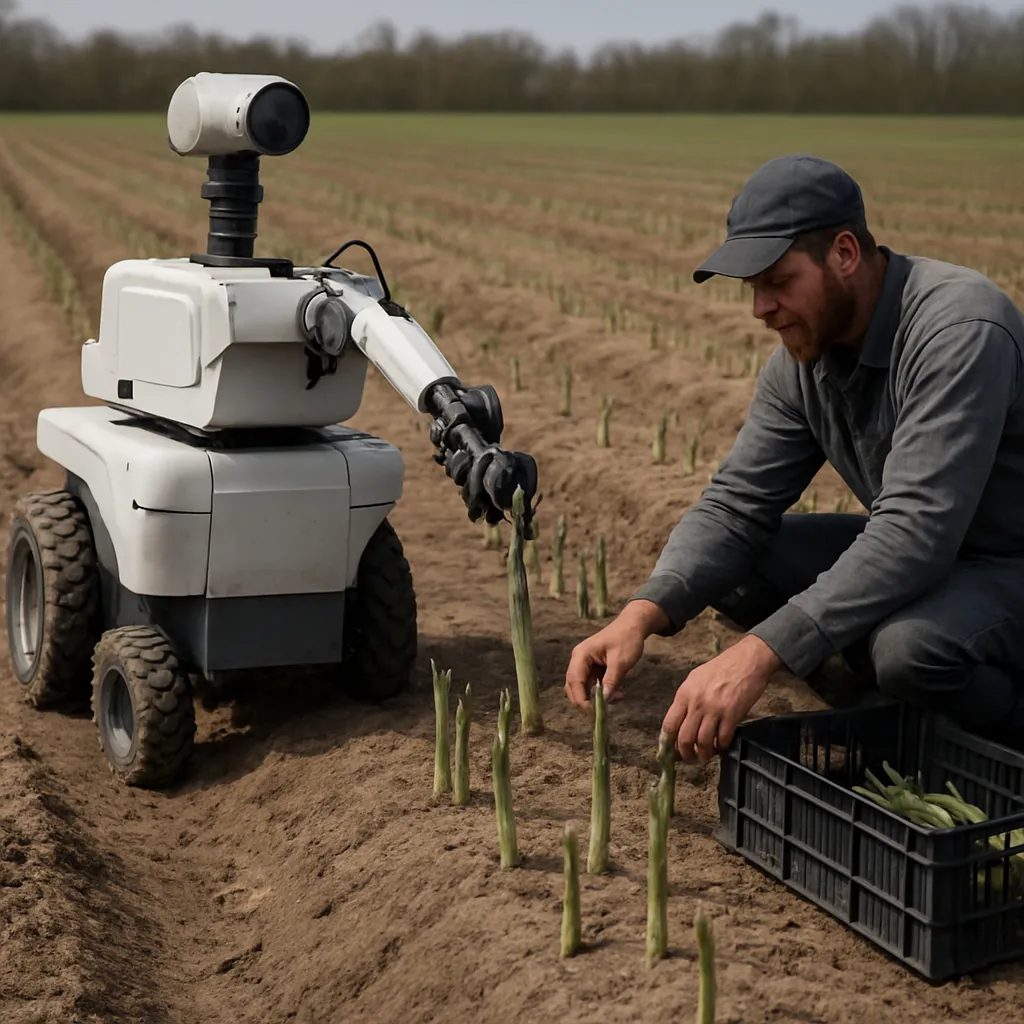
Greenhouses, high tunnels and greenhouse-integrated systems allow growers to manage temperature, humidity and light more precisely, reducing the risk of frost damage and enabling more consistent production. Precision irrigation, soil sensors and microclimate monitoring optimize water use and nutrient delivery. Combining these technologies with data analytics supports decision-making on pruning, flowering induction and harvest timing.
Postharvest technology and value addition
To preserve quality and extend the market window, postharvest innovations are critical. Modified atmosphere packaging, ethylene filters and gentle handling systems reduce losses. Value-added processing—such as premium dried fruit, artisanal preserves or cold-pressed beverages—creates diversified revenue and can capture consumers who value locally made products. Such products often command higher margins and can justify the higher production costs associated with temperate cultivation.
Sustainability and ecosystem services
Expanding mango into new landscapes raises ecological questions. Responsible projects prioritize:
- Soil health and biodiversity through agroforestry and intercropping.
- Water-efficient irrigation and rainwater harvesting to avoid stressing local water supplies.
- Reduced chemical inputs via IPM and organic amendments.
Integration with other farm enterprises—beekeeping, poultry, or specialty crops—can improve economic resilience and provide ecosystem benefits such as pollination and pest suppression.
Policy, market development and risk management
Public policy and private-sector initiatives will determine how widely and sustainably mango cultivation spreads into temperate regions. Coherent strategies can accelerate adoption while mitigating negative outcomes.
Regulatory and trade considerations
Phytosanitary standards and import/export regulations influence market opportunities. Domestic producers may benefit from tariffs or marketing campaigns that promote local fruit. Conversely, trade liberalization and lower-cost imports from tropical producers can undermine nascent temperate industries if local growers cannot achieve cost parity or product differentiation.
Institutional support and knowledge transfer
Extension services, demonstration plots and industry consortia are essential to share best practices and reduce learning costs for farmers. Public-private partnerships can fund breeding programs and pilot projects. Universities and research institutes play a pivotal role in evaluating cultivar performance, pest pressures and economic viability under local conditions.
Risk management and resilience planning
Risk mitigation tools include crop insurance tailored to novel cropping systems, futures and contract arrangements that provide price stability, and diversification strategies at the farm and regional level. Climate change complicates both the opportunity and risk calculus: warming trends may open new areas for mango cultivation, while increased weather variability and extreme events create new vulnerabilities.
Market building and consumer education
Successfully introducing temperate-grown mango to consumers requires deliberate market-building. Storytelling that emphasizes innovation, local provenance, sustainability and unique flavor profiles can create a compelling value proposition. Certifications (organic, local, protected cultivation) and transparent supply-chain claims increase consumer confidence and willingness to pay premiums that can offset higher production costs.
Concluding perspectives on future trajectories
Expanding mango cultivation into temperate zones is not a simple relocation of practices; it is a multifaceted transition that touches plant science, engineering, supply chains, markets and policy. The economic viability of such ventures hinges on coordinated investments in technology, smart breeding for cold tolerance, adaptive supply chains and convincing marketing. Where these elements align, temperate mango production can become a valuable diversification strategy for farmers, a source of regional economic development and an example of how agricultural systems adapt to changing climatic and market conditions. Careful attention to sustainability, risk management and consumer preferences will determine whether temperate mango ventures flourish in the long term.