The global cultivation of blackcurrant occupies a strategic niche in horticultural production, bridging fresh-fruit markets, industrial processing, and the nutraceutical sector. This article examines the current state of the market, production practices, value-chain dynamics and practical outlooks for producers. It will explore factors shaping prices, yield optimization, and the role of innovation and policy in enabling more resilient and profitable enterprises.
Market dynamics and trade patterns
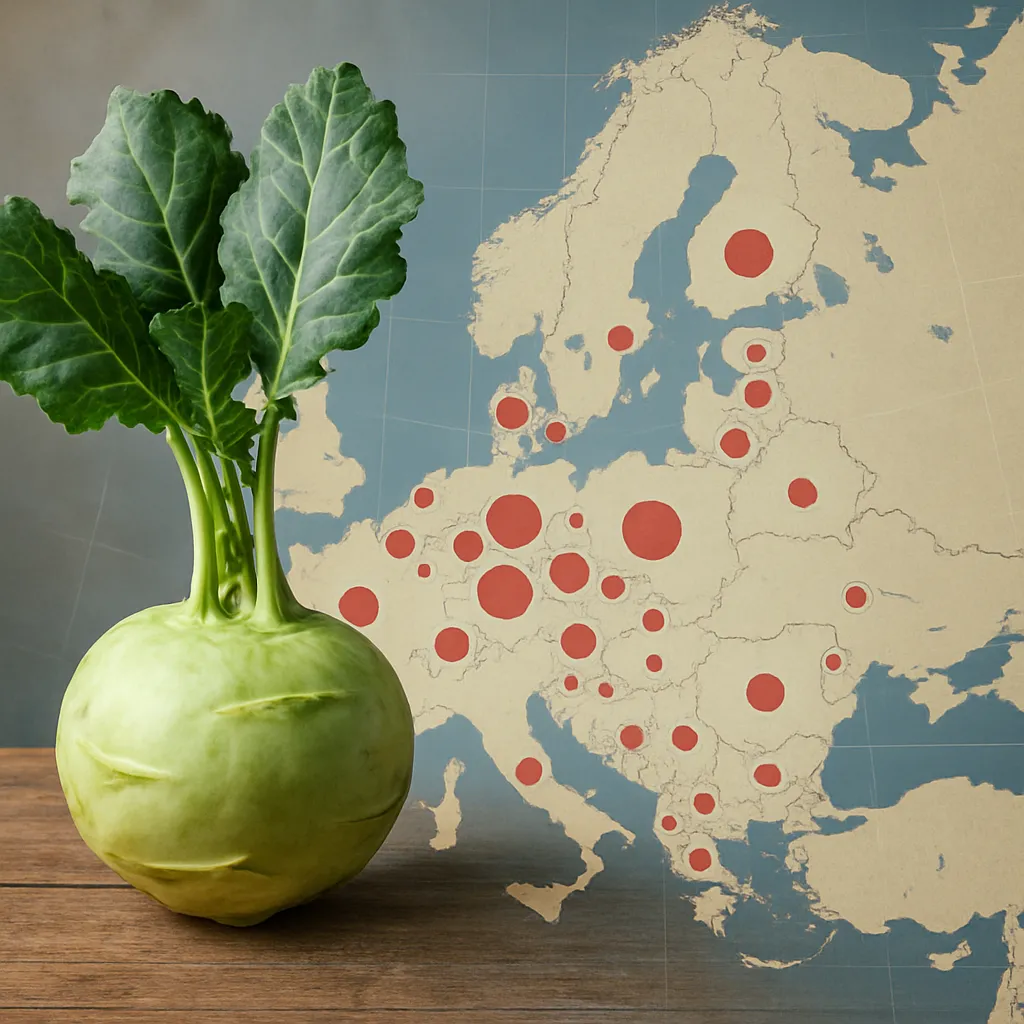
Demand for blackcurrant-derived products has evolved beyond simple fresh consumption. Increasing interest in high-antioxidant ingredients has boosted demand for blackcurrant concentrates, extracts and specialty ingredients used by the beverage, cosmetic and supplement industries. Key drivers include changing consumer preferences, functional food trends and shifting trade flows. Markets in Europe remain the largest consumers, with substantial processing capacity in Poland, Germany, the United Kingdom and Scandinavia. Newer demand centers in East Asia and North America show growing interest, particularly for processed ingredients rather than fresh berries.
Global trade is characterized by a mix of bulk commodity flows and high-value niche products. Typical export products include frozen fruit, juice concentrates, and standardized extracts. Price formation in these segments depends on several interacting elements:
- Seasonal yield variability caused by weather and pest pressure.
- Processing capacity and bottlenecks during harvest season which affect raw-material bids.
- Contractual arrangements between producers and processors that can stabilize prices or, conversely, expose farmers to spot-market volatility.
- Regulatory constraints and phytosanitary standards in importing countries.
Producers targeting export markets must meet strict quality and traceability requirements. Certifications for organic production or Good Agricultural Practices (GAP) often open premium channels but increase compliance costs. For many farms, the decision to pursue certification is a trade-off between immediate additional revenue and longer-term market access and brand positioning.
Production systems, varieties and agronomy
Blackcurrant production has benefited from both traditional varietal improvements and modern horticultural practices. Choice of varieties influences disease resistance, flavor profile, harvest window and suitability for mechanical harvesting. Recent breeding has focused on increased resilience to climate stresses, improved fruit composition for processing, and reduced biennial bearing.
Key agronomic considerations for improving profitability include:
- Site selection and soil preparation: blackcurrants favor fertile, well-drained soils with neutral to slightly acidic pH. Adequate organic matter and drainage reduce root diseases and support consistent yield.
- Irrigation and water management: as climate variability increases, controlled irrigation can prevent berry size reduction and maintain quality during heat waves.
- Pest and disease management: integrated pest management (IPM) reduces reliance on chemical inputs, supporting both sustainability and market access for sensitive buyers.
- Pruning and trellising: modern mechanical pruning systems can reduce labor costs and create more uniform canopies suitable for mechanical harvesters.
- Timing and method of harvest: frozen or fresh market orientation determines harvest timing. Mechanical harvesters are common for processing-grade fruit, while hand-harvest still dominates high-value fresh markets.
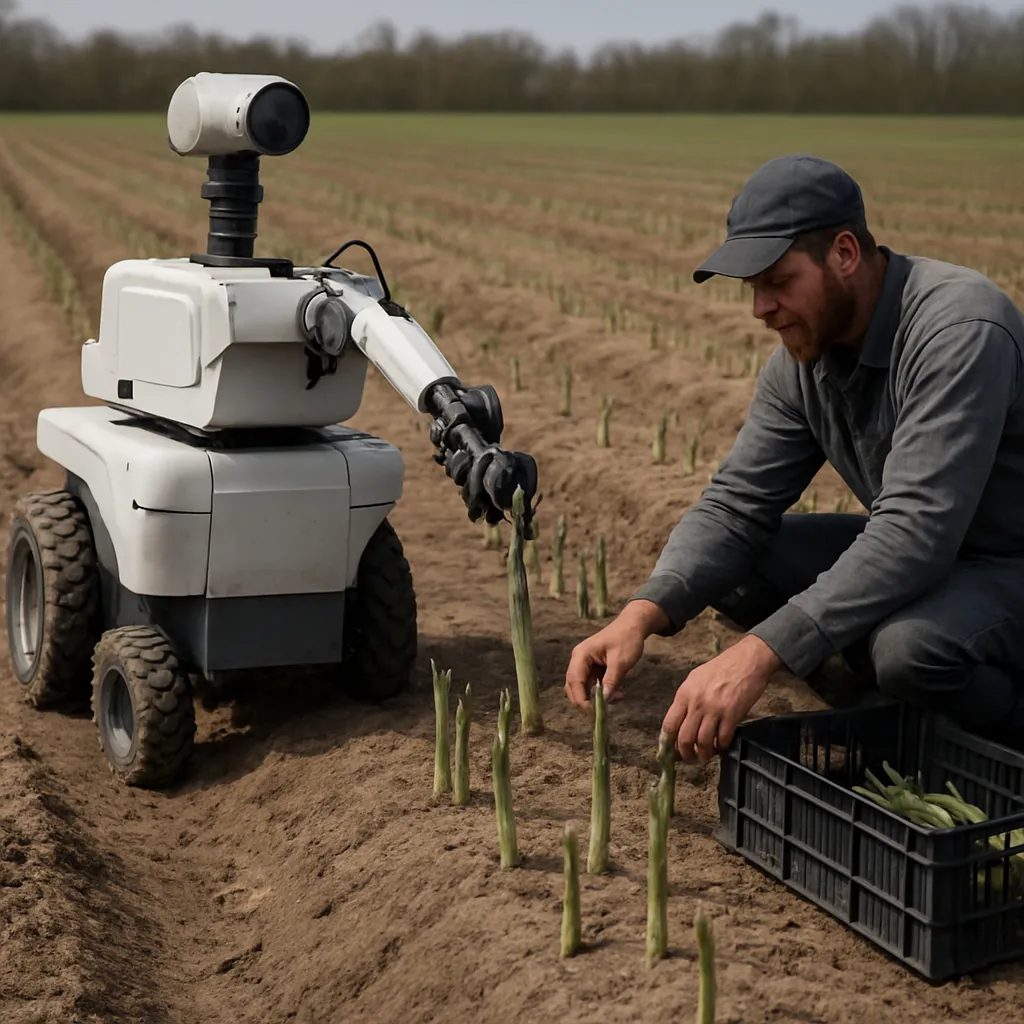
Labor availability and mechanization are central constraints. Large-scale growers can justify investment in harvesters and post-harvest cooling systems, while smallholders may rely on cooperative arrangements to access machinery. Investment in processing infrastructure near production zones reduces post-harvest losses and allows producers to capture more value through partial processing such as primary freezing or bulk-juice extraction.
Value chain, processing and product differentiation
Value addition for blackcurrant producers ranges from basic freezing and cold storage to full extraction, concentration and development of branded ingredients. Distinct value-chain strategies include:
- Raw-material supply to large processors under contract: offers predictable demand but often lower margins for growers.
- Cooperative-led processing facilities: enable producers to share capital costs and retain a larger share of added value.
- Direct-to-consumer and niche branding: small-scale producers can exploit artisanal, organic or region-specific claims to capture higher unit prices.
The economic attractiveness of processing depends on scale, access to capital and technical expertise. Investments in cold chain and primary processing reduce seasonal gluts and price pressure at harvest time. For many regions, exporting frozen or concentrated blackcurrant enables price stabilization across seasons. At the same time, developing specialized products—such as concentrated anthocyanin extracts or high-value flavorings—requires R&D and compliance with food-safety and health-claims regulation.
Product differentiation is an effective tool for producers seeking premiums. Emphasizing attributes like sustainability, organic production, provenance, and consistent sensory profiles helps move supply away from bulk commodity competition. Traceability systems and transparent supply contracts also build buyer confidence and can justify long-term price agreements.
Economic pressures and producer outlook
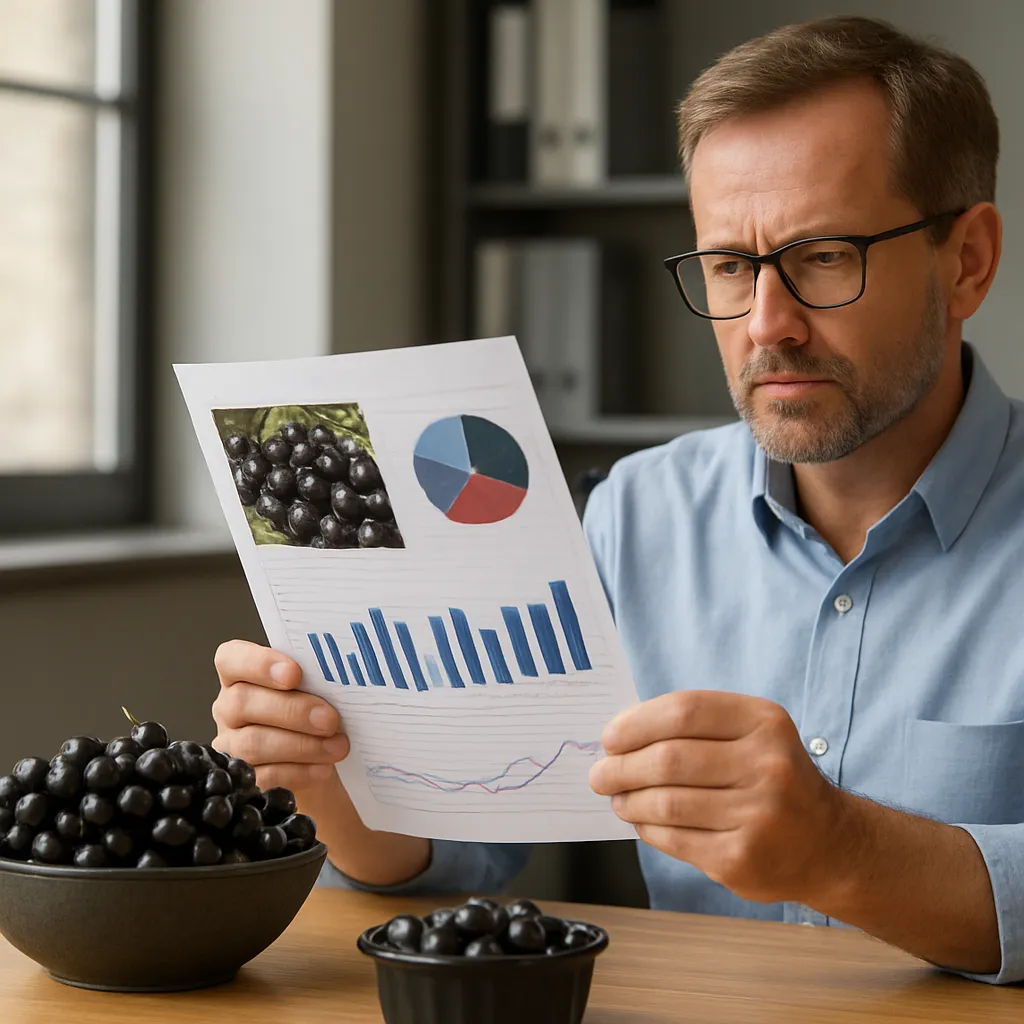
Profitability for blackcurrant farms is impacted by input costs, yield volatility and market access. Rising costs for labor, energy and fertilizer compress margins unless offset by productivity gains or price premiums. Key strategies producers can adopt include:
- Diversification of product lines to include both fresh and processed fruit, reducing dependence on a single price stream.
- Engagement in producer organizations or cooperatives to increase bargaining power and share processing investment risks.
- Adoption of precision agriculture tools to optimize input use and improve fruit quality metrics that attract higher prices.
- Forward contracting and participation in value-chain agreements to mitigate price volatility.
Financial planning should account for cyclical price movements. For some producers, partial vertical integration—investing in on-farm freezing or small-scale extraction—can capture more value but must be evaluated against working capital needs and market reach. Public and private investment in research—targeting improved cultivars, post-harvest technologies and disease management—also influences long-term profitability.
Risks, climate impacts and policy considerations
Climate change introduces both risks and opportunities. Shifts in temperature and precipitation patterns alter phenology, potentially moving production zones northward in some regions while increasing heat and drought stress in others. Extreme weather events during flowering or harvest can devastate seasonal supply, creating both local shortages and price spikes. Robust risk-management strategies are increasingly essential and may include crop insurance, climate-resilient varietal selection and diversified farm portfolios.
Policy frameworks shape competitiveness. Subsidies, trade policies and phytosanitary regulations influence market access and investment decisions. Support for agricultural research, rural infrastructure and extension services makes a tangible difference for small and medium-sized growers. Policymakers can encourage sustainable practices through targeted incentives, facilitating transitions toward lower-input systems while preserving incomes.
Practical recommendations for producers
For producers seeking to strengthen their position in the evolving market, consider the following actionable steps:
- Evaluate high-performing varieties that balance quality traits with disease resistance and adaptation to local climate.
- Invest in cold-chain and minimal processing capabilities or collaborate with nearby processors to reduce post-harvest losses.
- Explore certification routes (organic, Fair Trade, or GAP) if target buyers reward these attributes with premium prices.
- Form or join cooperatives to share capital costs for machinery and processing and to improve negotiating leverage with buyers.
- Implement digital record-keeping for traceability and use agronomic data to refine fertilizer, irrigation and pest management regimes—thereby improving margins per hectare and enhancing product credibility to buyers.
- Consider value-chain contracts that link production volumes and quality specifications to guaranteed offtake and price terms, reducing exposure to short-term price swings.
Investment and innovation pathways
Long-term opportunities for value growth lie at the intersection of breeding, processing innovation and market development. Investments that producers and stakeholders should prioritize include:
- Breeding programs that deliver cultivars with stable yields, improved flavor chemistry for the nutraceutical market and resistance to emerging pests.
- Small-scale processing technologies that allow decentralized value addition—cold pressing, on-farm pasteurization and small-batch extraction for specialty markets.
- Digital platforms connecting producers, processors and retailers, enabling more transparent contracts and better demand forecasting.
- Sustainability certifications and lifecycle assessments that quantify environmental footprints and enable producers to access green finance or sustainability-linked premiums.
Producers that align investments with concrete market signals—such as rising demand for natural antioxidants or regional branding opportunities—stand to capture higher margins. Strategic investment in knowledge, equipment and cooperative structures often produces better returns than isolated expansions of acreage.
Conclusion: positioning for resilience and value
As global food systems shift toward greater emphasis on health-linked ingredients and sustainable sourcing, blackcurrant growers who combine sound agronomy with targeted value addition will be better positioned. Managing risks from climate variability and market volatility requires a balanced approach: improving productivity and quality, engaging collaboratively in value chains, and investing selectively in processing and certification. In doing so, producers can secure more stable incomes while contributing to dynamic and diversified agricultural markets where blackcurrant remains a valuable crop.