The agricultural landscape is undergoing a profound transformation as new tools and approaches change how crops are grown, livestock managed and supply chains organized. This article explores the interplay between evolving farm-level practices and broader markets, highlighting how adoption of advanced methods can affect productivity, environmental outcomes and rural economies. The focus is on the growing role of precision agriculture and related innovations that are already reshaping decision-making across farms of different scales.
Understanding precision agriculture and its drivers
At its core, precision agriculture is an approach that seeks to match management practices closely to spatial and temporal variability within fields and herds. Rather than applying a one-size-fits-all practice across an entire farm, producers use detailed information to vary inputs—like fertilizer, water and pesticides—exactly where and when they are needed. This shift is propelled by a confluence of forces: rising input costs, demand for sustainability and traceability from consumers, regulatory pressures, and the availability of more granular data and connectivity.
Key concepts
- Site-specific management: adjusting inputs and operations at field- or plant-level resolution.
- Variable rate application: deploying fertilizers, seeds or chemicals at variable intensities based on mapped needs.
- Prescriptive analytics: using models to recommend actions rather than simply reporting conditions.
These practices are enabled by sensors, platforms and decision-support tools that transform raw signals into actionable recommendations for farmers. The result is not only potential improvements in yield and input efficiency but a better capacity to respond to market signals and environmental constraints.
Technologies reshaping field-level management
Modern agriculture benefits from an expanding toolkit of technologies. Some have matured rapidly and are widely adopted, while others are still emerging from pilot projects and research trials. The most impactful include:
- Sensors and Internet of Things (IoT): Soil moisture probes, crop canopy sensors, weather stations and in-field cameras collect continuous information about plant health and microclimates.
- Satellite and drone imagery: Remote sensing offers high-resolution views of crop conditions, allowing for early detection of stress, disease and pest outbreaks.
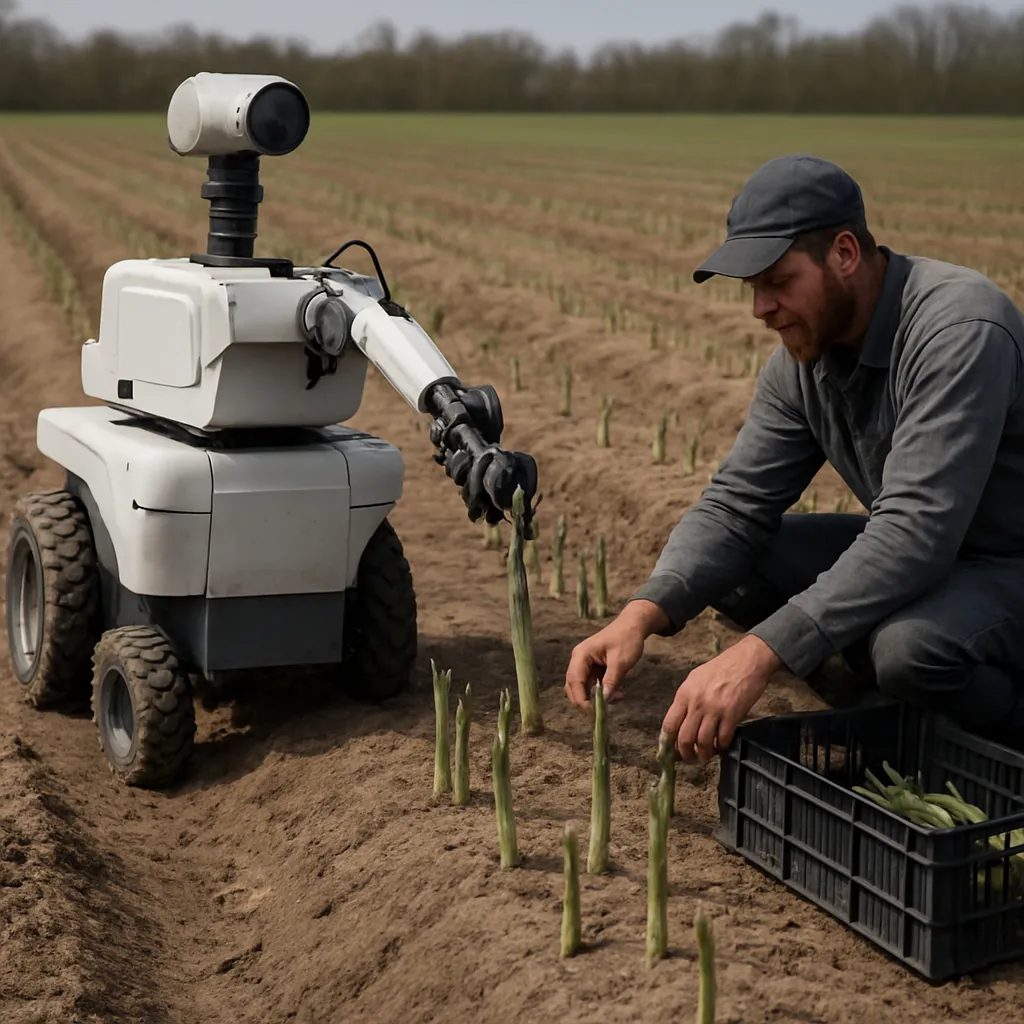
- Autonomous machinery and automation: Self-steering tractors, robotic harvesters and automated seeders reduce labor needs and enable precise timing of operations.
- Connectivity and cloud platforms: Edge computing and cloud-based platforms integrate diverse datasets and deliver decision support at the farm level.
- Machine learning and prescriptive models: Advanced analytics translate multi-source data into recommendations for planting density, irrigation scheduling and input rates.
Each of these elements contributes to a feedback loop where data collection improves models, and models guide more efficient data collection. Importantly, adoption is not uniform: capital-intensive technologies are more accessible to large-scale operations, whereas smaller farms may adopt lower-cost sensors, cooperative services or platform subscriptions.
Impacts on agricultural markets and supply chains
Adoption of technology-driven practices has implications that ripple through local and global markets. Improved on-farm productivity and predictability can increase short-term supply responsiveness, affect commodity price volatility, and change the bargaining dynamics between producers, traders and processors.
Price formation and risk management
When widespread, precision practices can reduce yield variability both within and across seasons by enabling earlier interventions and improved resource timing. Lower yield variability tends to reduce price spikes during adverse events. Conversely, if technology adoption is concentrated among a subset of producers, disparities in production costs and output quality can create market segmentation where buyers prefer outputs from high-tech producers and are willing to pay premiums.
Traceability and value-added markets
Traceability systems tied to precision agriculture facilitate verification of production practices—reduced chemical use, lower emissions, or water-conserving irrigation—which can open access to value-added markets and sustainability-linked premiums. Food manufacturers and retailers increasingly demand provenance data; farms that can provide verifiable digital records of inputs and practices are better positioned to negotiate contracts and integrate into differentiated supply chains.
Input markets and services
Precision agriculture shifts demand away from uniform bulk inputs and toward tailored input mixes and advisory services. This trend benefits companies that offer integrated solutions combining hardware, software and agronomic consulting. A consequential market dynamic is the rise of platform providers and subscription models, where recurring revenue streams replace one-time equipment sales. Such models can lower upfront barriers for adoption but create new dependencies between producers and service providers.
Environmental, social and policy considerations
Precision approaches promise environmental benefits by enabling targeted input use, reducing runoff and lowering greenhouse gas emissions per unit of production. However, these benefits are conditional on correct deployment and equitable access. Policymakers play an important role in shaping outcomes.
Environmental outcomes
- Reduced nutrient leaching and pesticide drift due to targeted applications.
- Optimized irrigation scheduling leading to water savings in water-scarce regions.
- Potential to monitor carbon sequestration and support payments for ecosystem services.
To realize these benefits at scale, technical solutions must be paired with incentives—such as conservation payments, compliance mechanisms, or market premiums—that reward sustainable practices documented through digital records.
Social equity and labor
Automation and robotics can alleviate labor shortages and reduce physically demanding tasks, but may also displace certain on-farm jobs, particularly in regions reliant on manual labor. Training programs and rural extension services are essential to help workers transition into higher-skilled roles such as equipment operation, data interpretation and maintenance.
Regulatory and data governance issues
Data ownership, privacy and interoperability are pressing concerns. Farmers generate valuable operational data that can inform broader market analytics and public policy, but mechanisms are needed to ensure fair terms of use, protect sensitive information and enable data portability across platforms. Effective regulation will balance innovation with safeguards that preserve farmer agency and competition in input and service markets.
Barriers to adoption and pathways to wider use
Despite clear potential, several barriers slow the diffusion of precision methods. These include high capital costs, limited digital literacy, lack of reliable connectivity in rural areas and fragmented value chains. Addressing these obstacles requires coordinated action across public, private and research sectors.
- Financing mechanisms: Leasing, pay-per-use and public cost-share programs can lower upfront barriers for small and medium-sized farms.
- Extension and training: Practical, locally relevant training programs help farmers translate data into management decisions.
- Infrastructure investment: Expanding broadband and affordable satellite connectivity unlocks cloud-based solutions for remote areas.
- Standards and interoperability: Open data standards reduce vendor lock-in and enable multi-source analytics that benefit entire rural economies.
When these elements align, adoption accelerates and benefits extend beyond individual farms to regional markets, processors and consumers.
Outlook: integrating technology with resilient agricultural systems
The ongoing convergence of sensing, analytics and mechanization will continue to redefine what is possible in agriculture. Rather than replacing human decision-making, the most effective deployments augment farmers’ expertise with timely, actionable insights. As the sector evolves, priorities should include ensuring equitable access to tools, designing policy frameworks that reward sustainable outcomes and fostering marketplaces that value transparency.
Investment in technical capacity and infrastructure, coupled with thoughtful governance of agricultural data, will determine whether precision innovations translate into broader societal benefits. Farms that successfully integrate these innovations can achieve improved profitability, reduced environmental footprint and greater resilience to climatic and market shocks—outcomes that will shape the future of food systems globally.