Iceberg lettuce occupies a distinctive place in global produce markets: prized for its crisp texture and long shelf life compared with other leafy greens, yet vulnerable to a complex mix of agronomic, economic and logistical pressures. This article examines whether the current market for iceberg is characterized by relative stability or recurring volatility, and explores how growers, distributors and buyers navigate risks tied to climate change, labor, supply chains and consumer demand. The analysis spans production regions, price dynamics, trade flows and technological responses shaping the future of this staple crop.
Production patterns and the geography of supply
Iceberg lettuce is grown intensively in regions with mild winter climates that allow year-round or sequential production windows. In the United States, major production centers include California and Arizona; in Europe, Spain and the Netherlands play leading roles for both domestic consumption and exports. Mexico is a key supplier to the U.S. market during winter months, while pockets of production in China, North Africa and South America contribute to regional supply.
Several structural features support relatively predictable output in many seasons. Iceberg benefits from established varietal selections and mechanized harvest systems in large operations, and its head formation lends itself to standardized packing and longer transport life compared with looseleaf greens. Those attributes create a baseline of resilience in the supply chain.
Yet predictability is not guaranteed. Water availability is a growing constraint in major beds, especially in California’s central valleys and parts of Spain where irrigation competes with urban and environmental demands. Increasing water scarcity drives shifts in planting calendars and sometimes reduces planted acreage. Soil health, salinity from intensive irrigation, and pest pressures further complicate production planning, causing regional yield variability and occasional supply shocks.
Seasonality and production windows
- Seasonal cycles influence pricing: out-of-season production often commands higher premiums due to increased costs for heating, frost protection or greenhouse environments.
- Shifting seasonality—driven by growers moving planting dates to avoid extreme heat or to target premium windows—can blunt but not eliminate price swings across the year.
- Geographic diversification—sourcing from multiple regions—remains the primary strategy for retailers to stabilize availability.
Market dynamics: pricing, demand and trade
Unlike commodity grains, iceberg lettuce lacks a formal global futures market. Price formation is therefore determined in spot markets, through forward contracting between growers and packers, and via negotiated supply agreements with retailers and foodservice firms. This market structure can both dampen and amplify volatility: long-term contracts provide security for both parties, while reliance on spot sourcing during shortages can produce sharp price spikes.
Retail demand tends to be relatively steady, with seasonal upticks tied to holidays and outdoor eating. Conversely, foodservice demand is more elastic and sensitive to economic cycles; downturns in restaurant traffic can quickly reduce bulk orders and pressure packers’ margins. The rise of private-label salad mixes and the substitution toward baby leaf varieties have affected iceberg’s market share in some consumer segments, but its low cost and crisp texture sustain consistent volume demand.
International trade introduces additional volatility vectors. Cross-border flows respond to currency movements, phytosanitary restrictions and transport costs. For example, shipping bottlenecks or sudden border closures can reroute supply lines and create localized shortages. Conversely, improved logistics—such as increased refrigerated trucking capacity or faster customs clearance—can smooth flows and exert downward pressure on prices.
Price drivers to watch
- Input costs: Fuel, fertilizer and packaging fluctuations directly affect grower margins and contract prices.
- Labor availability: Harvest and packing are labor intensive; shortages raise costs and may reduce throughput.
- Transport and cold chain: Breakdowns or capacity constraints in refrigerated logistics reduce shelf life and increase waste.
- Policy and regulation: Immigration policy, labor laws and trade measures (sanitary rules, tariffs) alter cost structures and access to markets.
Risk factors: climatic, biological and economic
Iceberg’s vulnerability to temperature extremes, excess rainfall and heat stress makes weather one of the most volatile risk factors. Late-season freezes can decimate fields in a matter of hours, while heat stress can reduce head quality and increase bolting. These climatic events are becoming more frequent and intense in many regions, producing year-to-year yield variance that underpins price instability.
Pest and disease outbreaks—bacterial soft rot, downy mildew or lettuce mosaic viruses—represent additional biological risks. Integrated pest management and rapid diagnostic testing help reduce losses, but sudden epidemics can force fields to be destroyed or trigger recalls, disrupting supply chains and eroding consumer confidence.
Economic shocks also propagate quickly through the sector. Sudden spikes in diesel or natural gas prices raise the cost of irrigation pumping, greenhouse heating and transport; input price inflation typically translates to higher retail prices unless offset by productivity gains. Currency volatility affects importers and exporters: a strong exporting-country currency can make shipments more expensive for buyers abroad, shifting trade flows.
Mitigation and adaptation strategies
- Crop insurance and risk pooling: These financial tools reduce downside exposure for growers, though indemnities may not cover all losses.
- Forward contracting and vertical integration: Growers selling through cooperatives or contracting directly with retailers secure stable revenue streams and mitigate spot market swings.
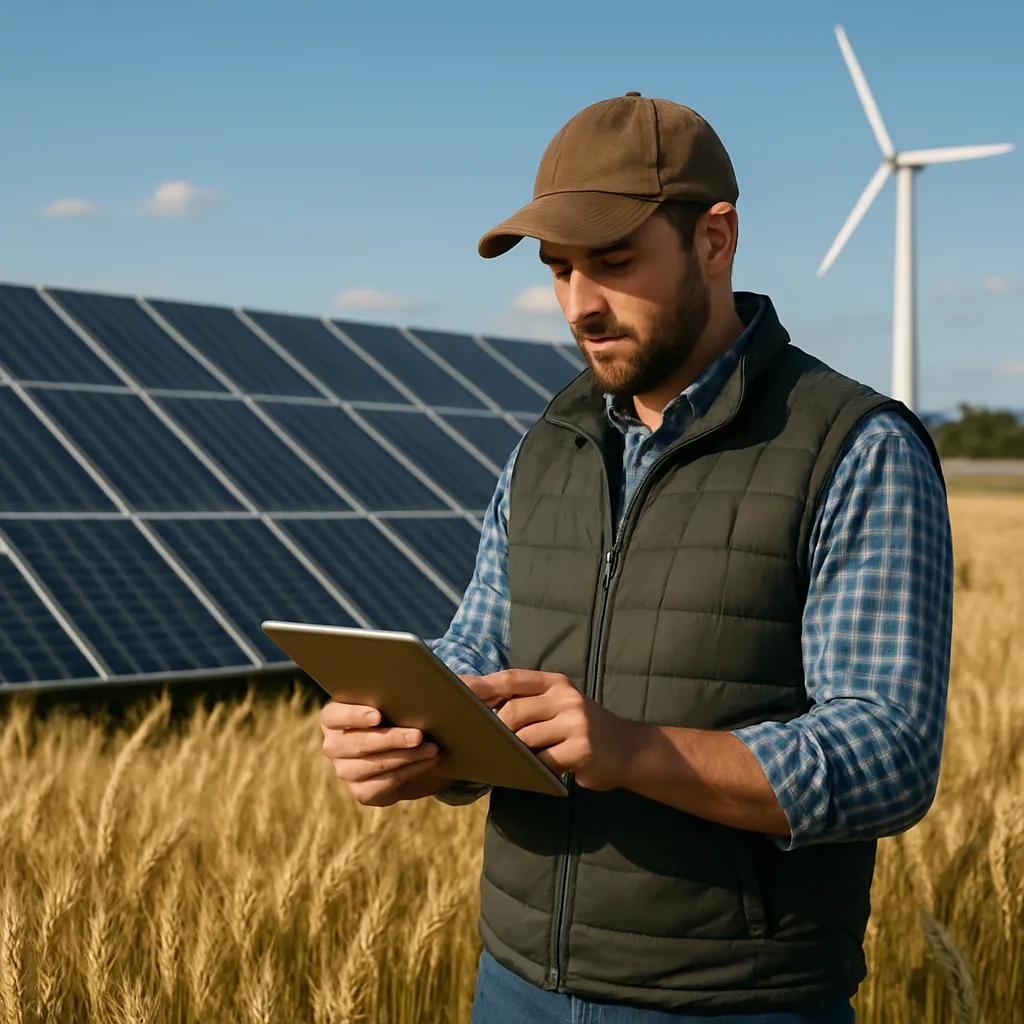
- Technology adoption: Precision irrigation, controlled-environment agriculture and improved cultivars increase yields and buffer against climate extremes.
- Supply chain redundancy: Multiple sourcing regions and contingency logistics reduce the impact of localized disruptions.
Innovation, sustainability and the future of supply
Technological and agronomic innovations are reshaping the iceberg market. Advances in varietal development aim to combine longer shelf life with disease resistance, reducing post-harvest losses and input needs. Precision agriculture—using remote sensing, soil moisture probes and data-driven nutrient management—enables more efficient water and fertilizer use, lowering costs and environmental footprint.
Controlled-environment agriculture (CEA) and greenhouse production offer the promise of more stable, year-round yields, though capital and energy costs currently limit large-scale adoption for iceberg compared with high-value leafy greens. Still, hybrid systems—field production supplemented by greenhouse seedlings and transplanting—allow growers to shift planting schedules and extend market windows.
Sustainability is increasingly central to buyer requirements. Retailers and institutional purchasers demand documented reductions in emissions, water use and chemical inputs. Certification programs and traceability platforms facilitate compliance and can provide price premiums for verified sustainable production. The push for sustainability can increase production costs in the short run but may reduce long-term volatility by promoting resilient practices that lower vulnerability to external shocks.
Market implications of sustainability
- Buyers may prefer suppliers with audited sustainability credentials, concentrating demand and rewarding compliant producers.
- Investments in energy-efficient cold chain infrastructure reduce post-harvest losses and stabilize supply quality.
- Public-private partnerships for water management and soil restoration can create more predictable input availability.
Policy, labor and socio-economic influences
Labor policy is a crucial determinant of iceberg supply economics. Harvesting and packing require skilled manual labor; changes to immigration laws, minimum wage regulations and labor protections influence both availability and cost. Mechanization reduces dependence on labor but requires investment and may not fully replace skilled tasks related to quality sorting and packing.
Public policies on water allocation, pesticide approvals and trade rules also shape market outcomes. Investments in rural infrastructure—roads, cold storage and testing laboratories—strengthen market access for smaller growers and reduce aggregation-related volatility. Conversely, abrupt regulatory shifts can create uncertainty and reprice risk premiums demanded by buyers and lenders.
At the consumer level, changing diets and health concerns influence demand patterns. While iceberg has historically been a low-cost staple in salads and sandwich assemblies, competition from baby leaf mixes, romaine and more nutrient-dense greens creates pressure to differentiate. Marketing that emphasizes safety, affordability and sustainability can preserve market share, while failure to adapt may lead to longer-term decline in demand.
Conclusions on stability versus volatility
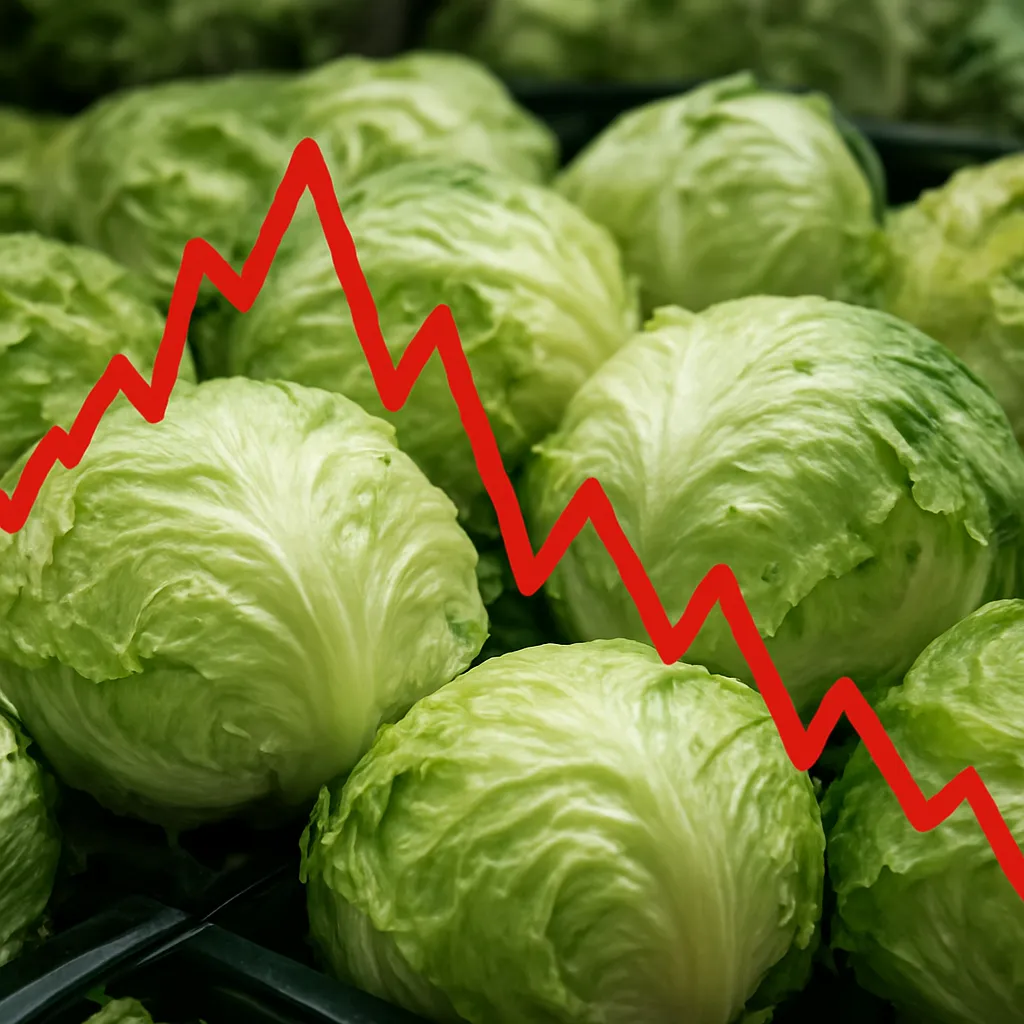
Assessing whether the iceberg lettuce market leans toward stability or volatility requires recognizing the tension between structural stabilizers and episodic disruptors. On one hand, established production systems, wide geographic sourcing and contracting mechanisms provide a degree of stability that keeps retail shelves stocked and prices relatively moderate in most years. On the other hand, intensifying climatic events, input cost shocks, labor constraints and the absence of a deep financial hedging market create conditions for periodic volatility—sharp local shortages, price spikes and quality disruptions.
Ultimately, the market’s trajectory will depend on the pace of adaptation: how rapidly producers adopt resilient practices, how effectively supply chains invest in cold chain and logistics, and how policy frameworks balance resource allocation with support for innovation. Opportunities exist to reduce volatility through better risk management, improved data sharing across the value chain and targeted investments in sustainable production systems. Stakeholders who combine operational flexibility with long-term planning are best positioned to navigate the push-and-pull between stability and volatility in the years ahead.