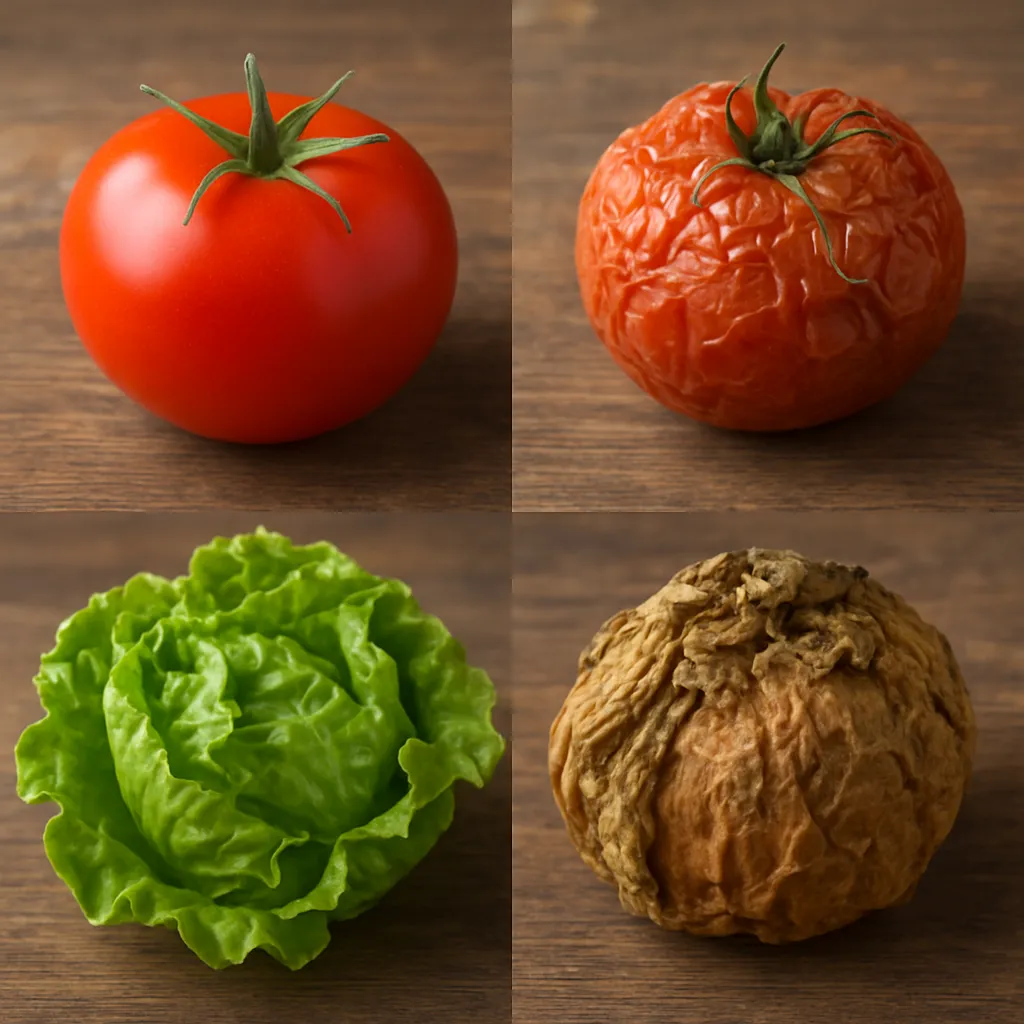
Agriculture and food systems are increasingly influenced by episodes of extreme heat and cold, altering not only farm operations but also the structure and behavior of agricultural markets. When temperature thresholds are exceeded, vegetables—the backbone of many diets and value chains—experience physiological stress that affects appearance, texture, and nutritional content. This article examines how extreme temperature events influence vegetable quality, how those changes propagate through supply chains and markets, and what tools farmers, traders, and policymakers can use to sustain yield and consumer satisfaction while building system resilience.
Climate Extremes and Vegetable Physiology
Vegetable crops are sensitive to short-term and prolonged deviations from their optimal growing temperatures. Heat waves can accelerate development, induce sunscald, and impair reproductive processes, while unexpected frosts and cold snaps can cause cell rupture and chilling injuries. The result is often visible: blemished skins, wilted leaves, and compromised shelf life. At a biochemical level, thermal stress modifies sugar accumulation, pigment synthesis, and the stability of vitamins and antioxidants, altering the vegetable’s nutrition and taste profile.
Key physiological effects include:
- Disrupted cellular membranes: Rapid heating and freezing destabilize membranes, decreasing firmness and increasing susceptibility to pathogens.
- Altered carbohydrate partitioning: Heat stress can reduce starch conversion and sugar accumulation, affecting flavor and postharvest respiration.
- Changes in secondary metabolites: Levels of antioxidants, flavonoids, and carotenoids may decline or, in some stress responses, transiently increase—affecting color and nutrition.
- Accelerated senescence: High temperatures speed maturation and senescence, shortening the optimal harvest window and compressing marketing timelines.
Different vegetable groups respond distinctly. Leafy greens often lose turgor and bitterness increases under heat; fruiting vegetables such as tomatoes and peppers may experience blossom end rot and reduced sugar-acid balance; root vegetables can show internal browning under temperature fluctuations. Understanding species- and cultivar-specific responses is critical for varietal selection and timing of planting to minimize quality losses.
Market Dynamics: Supply, Price and Consumer Demand
When extreme weather affects yield and quality, the consequences ripple through the entire marketing system. Short-term supply shocks from heat or cold events can lead to sharp price spikes for fresh vegetables, while persistent climatic shifts alter production patterns and trade flows over the long term. Market actors—from smallholder farmers to large retail chains—must adapt to variations in availability and quality, which also shape consumer perceptions and willingness to pay.
Supply chain impacts commonly include:
- Reduced volumes of premium-grade produce, increasing the share of downgraded or processed vegetables in markets.
- Greater price volatility during and after extreme events, with stronger effects in regions lacking buffer stocks or diversified sources.
- Increased transaction and sorting costs as more product fails to meet quality standards for fresh markets.
- Shifts in consumer demand toward more resilient or off-season varieties and processed alternatives when fresh supply is constrained.
Retailers and wholesalers respond by adjusting procurement strategies—sourcing from alternative regions, investing in storage infrastructure, or reclassifying products by grade. Exporters may see contract penalties if shipments do not meet agreed quality specifications, prompting tighter quality control and a premium for reliably consistent suppliers. For developing-country producers, limited access to cold chains and grading facilities exacerbates losses, translating to lost income and food waste.
Adaptation Strategies: Farming Practices and Technology
Farmers have a toolbox of agronomic and technological options to reduce the adverse effects of extreme temperature events on vegetables. These strategies aim to preserve both yield and end-user quality, while supporting stable participation in markets.
Agronomic adjustments
- Adjusting planting dates and using staggered plantings to avoid peak stress periods and to smooth supply through the season.
- Selecting heat- or cold-tolerant cultivars bred for stress resistance and quality retention under suboptimal temperatures.
- Implementing mulches, shading nets, and windbreaks to moderate microclimates in the field and reduce evapotranspiration.
- Optimizing irrigation scheduling and using deficit irrigation strategically to maintain turgor and avoid quality degradation during heat waves.
Protected cultivation and precision tools
Greenhouses, high tunnels, and shade houses offer immediate microclimate control, reducing exposure to temperature extremes and enabling more uniform quality. Precision agriculture technologies—soil moisture sensors, weather forecasts integrated with decision-support systems, and automated ventilation—help fine-tune interventions. These investments are particularly valuable for high-value horticultural crops where quality premiums justify the cost.
Genetics and breeding
Breeding programs focused on thermal tolerance, improved postharvest traits, and maintenance of nutritional value under stress are essential for long-term adaptation. Marker-assisted selection and genomic tools accelerate the development of cultivars that maintain color, texture, and nutrient profiles when exposed to high or low extremes. Public–private partnerships can speed deployment to diverse agroecological regions.
Postharvest Handling and Quality Preservation
After harvest, minimizing the impact of prior temperature stress and preventing further deterioration is critical. Rapid cooling, controlled atmosphere storage, and careful handling are central to preserving the highest possible market value.
- Pre-cooling and cold-chain integrity: Rapid reduction of field temperature lowers respiration rates and delays senescence. For many vegetables, maintaining consistent storage temperatures is the single most effective way to retain firmness and nutrient content.
- Modified atmosphere packaging: Tailoring oxygen and carbon dioxide concentrations reduces oxidative damage and extends shelf life, but must be balanced against risks of anaerobic respiration.
- Ethylene management: Many vegetables are sensitive to ethylene; removing or blocking ethylene reduces premature ripening, particularly important when temperatures accelerate metabolic rates.
- Sorting and grading: Early identification and separation of heat- or cold-damaged lots prevent cross-contamination of quality in shipments and protect brand reputation.
Postharvest measures require coordination across actors. Cold storage availability near production zones reduces the need to market subpar vegetables immediately. Investments in rural cold chains pay dividends by stabilizing supply, reducing food losses, and allowing producers to capture higher-value markets.
Policy, Finance and Global Trade Considerations
Public policy and financial instruments play a decisive role in shaping how agricultural systems respond to increasing temperature variability. Insurance products, market information services, and trade policies can either cushion shocks or expose producers to greater risk.
Key policy and market levers include:
- Climate-indexed insurance and price-stabilization mechanisms that buffer smallholders from income losses following catastrophic temperature events.
- Support for infrastructure—roads, cold chains, and storage—that enhances the ability of producers to preserve quality and access distant markets.
- Investment in agricultural research and extension to disseminate resilient varieties and best practices for maintaining nutritional and sensory attributes under stress.
- Trade facilitation and harmonized quality standards that allow surplus from unaffected regions to flow to deficit markets without excessive barriers, reducing price spikes.
At the international level, extreme temperature events in major producing regions can reshape global supply networks. Importers may diversify sourcing or enter contractual arrangements that specify quality and postharvest handling to lower risk. Exporters are increasingly required to provide traceability and guarantee conditions under which produce was handled, linking climate adaptations at farm level to market access.
Risk Management and Market Innovation
Innovation in contracts, digital platforms, and value-added processing offers pathways to reduce vulnerability. Forward contracts and hedging mechanisms can stabilize revenues when markets respond sharply to supply fluctuations. Digital marketplaces that aggregate smallholder volumes enable better logistics planning and investment in shared storage facilities. Processing and minimal processing (e.g., pre-cut, blanched, frozen) can convert lower-grade fresh produce into higher-value, longer-life products, opening alternative market channels.
- Contract farming with quality incentives aligns producer actions with buyer requirements and can incentivize investments in temperature-mitigating practices.
- Mobile-based weather advisories and market price alerts help farmers time harvests and sales to maximize returns while avoiding market gluts triggered by synchronous stress events.
- Community-based cold storage and cooperative marketing reduce the individual burden of capital costs and increase bargaining power in volatile markets.
Ultimately, managing the impacts of extreme temperature on vegetables requires integrated approaches that combine on-farm adaptation, postharvest management, smart contracts, and enabling public policies. Because vegetable quality directly affects consumer health and preferences, maintaining standards under climatic stress preserves both market value and food system resilience.