Introduction to Agriculture and Agricultural Price Analysis
Agriculture has been the backbone of human civilization, providing the essential resources needed for survival and economic development. The study of agricultural price analysis is crucial for understanding the dynamics of agricultural markets, which are influenced by a myriad of factors including weather conditions, government policies, and global trade. This article delves into the intricacies of agriculture and agricultural price analysis, exploring the various elements that impact agricultural production and pricing.
Chapter 1: The Fundamentals of Agriculture
The Role of Agriculture in the Economy
Agriculture plays a pivotal role in the economy of many countries, particularly in developing nations where it often accounts for a significant portion of GDP and employment. The sector provides raw materials for various industries, including food processing, textiles, and biofuels. Additionally, agriculture is a major source of export revenue for many countries, contributing to their economic stability and growth.
Types of Agricultural Systems
Agricultural systems can be broadly categorized into subsistence and commercial farming. Subsistence farming is primarily aimed at meeting the needs of the farmer’s family, with little surplus for sale. In contrast, commercial farming is geared towards large-scale production for the market, often involving advanced technologies and significant capital investment.
Factors Influencing Agricultural Production
Several factors influence agricultural production, including:
- Climate and Weather: Weather conditions such as rainfall, temperature, and humidity play a crucial role in determining crop yields. Extreme weather events like droughts and floods can severely impact agricultural output.
- Soil Quality: The fertility and composition of soil affect the types of crops that can be grown and their productivity. Soil management practices such as crop rotation and the use of fertilizers are essential for maintaining soil health.
- Water Availability: Irrigation is vital for agriculture, especially in arid regions. The availability and management of water resources are critical for sustaining agricultural production.
- Technological Advancements: Innovations in agricultural technology, such as genetically modified crops, precision farming, and mechanization, have significantly enhanced productivity and efficiency.
- Government Policies: Policies related to subsidies, tariffs, and trade agreements can influence agricultural production and pricing. Government support in the form of research and development, infrastructure, and market access is also crucial.
Chapter 2: Agricultural Price Analysis
Understanding Agricultural Prices
Agricultural prices are determined by the interplay of supply and demand in the market. Several factors influence these prices, including production levels, consumer preferences, and global trade dynamics. Price analysis involves examining these factors to understand trends and make informed decisions.
Supply and Demand Dynamics
The supply of agricultural products is influenced by factors such as crop yields, weather conditions, and technological advancements. On the demand side, consumer preferences, population growth, and income levels play a significant role. The balance between supply and demand determines the market price of agricultural products.
Price Volatility and Risk Management
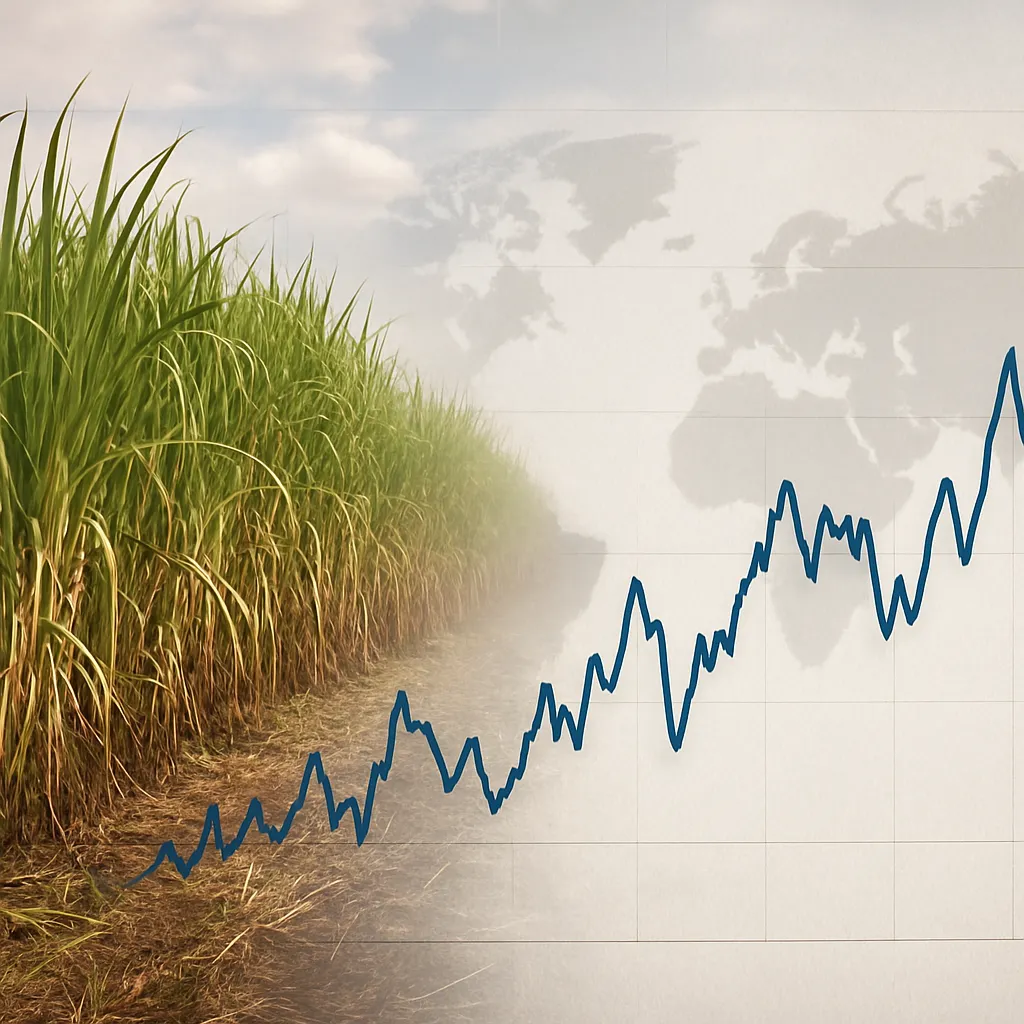
Agricultural prices are often subject to high volatility due to the unpredictable nature of factors such as weather conditions and global market trends. This volatility poses risks for farmers, traders, and policymakers. Effective risk management strategies, such as futures contracts and crop insurance, are essential for mitigating these risks.
Global Trade and Agricultural Prices
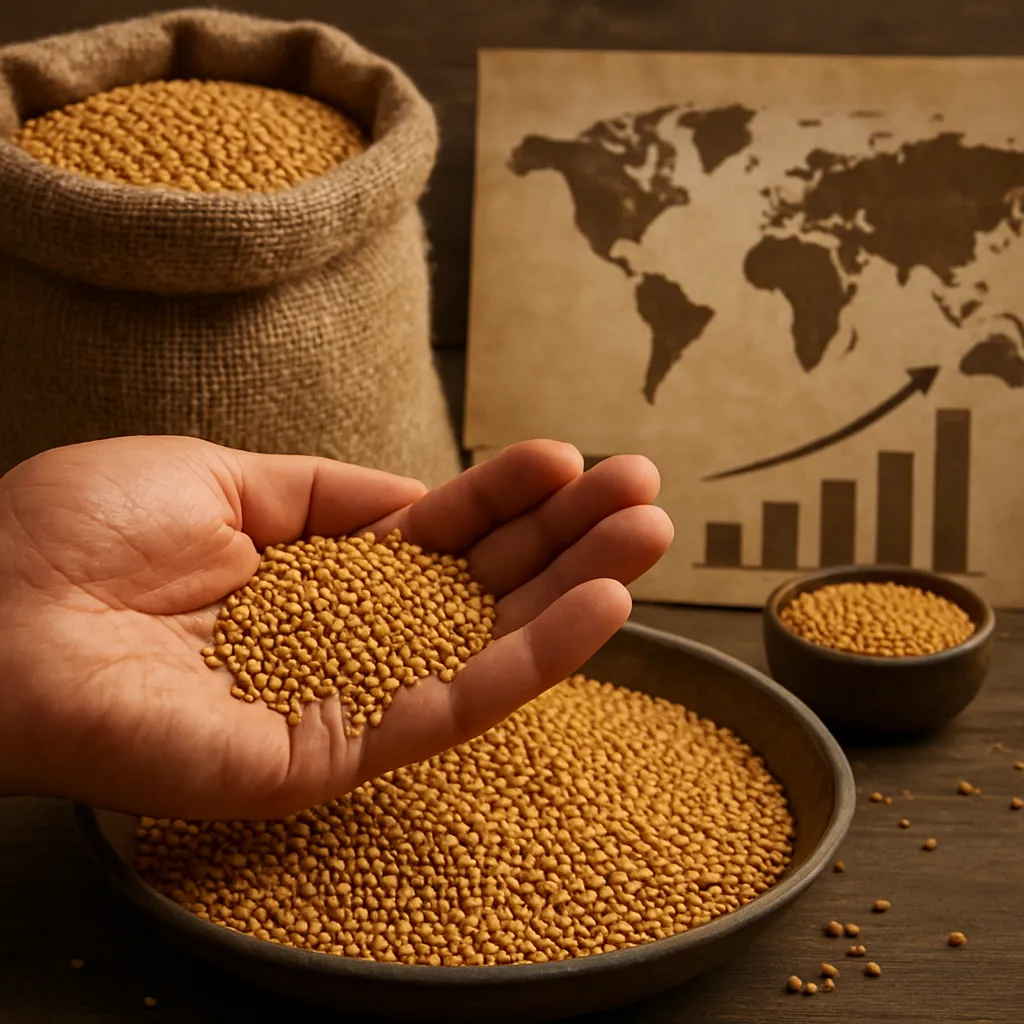
Global trade plays a significant role in determining agricultural prices. Trade policies, tariffs, and international agreements can impact the flow of agricultural products across borders, influencing prices in both domestic and international markets. Understanding global trade dynamics is crucial for accurate price analysis.
Technological Tools for Price Analysis
Advancements in technology have revolutionized agricultural price analysis. Tools such as satellite imagery, remote sensing, and data analytics provide valuable insights into crop conditions, market trends, and price movements. These technologies enable more accurate and timely analysis, helping stakeholders make informed decisions.
Conclusion
Agriculture and agricultural price analysis are complex fields that require a deep understanding of various factors influencing production and pricing. By examining the fundamentals of agriculture and the dynamics of agricultural prices, stakeholders can make informed decisions to enhance productivity, manage risks, and navigate the complexities of global trade. As technology continues to advance, the tools and methods for agricultural price analysis will become even more sophisticated, providing valuable insights for the future of agriculture.