Introduction
Agriculture has always been a cornerstone of human civilization, providing the essential resources needed for survival and economic development. In this context, agricultural price analysis becomes crucial for understanding market dynamics, ensuring food security, and guiding policy decisions. This article delves into the intricacies of agriculture and agricultural price analysis, with a particular focus on rice prices in 2024. By examining global insights and trends, we aim to provide a comprehensive understanding of the factors influencing rice prices and their broader implications.
Chapter 1: The Importance of Agriculture
The Role of Agriculture in the Global Economy
Agriculture is a vital sector that contributes significantly to the global economy. It provides employment to millions of people, especially in developing countries, and is a primary source of income for rural populations. The agricultural sector also plays a crucial role in international trade, with many countries relying on agricultural exports to boost their economies. Moreover, agriculture is fundamental to food security, ensuring that populations have access to sufficient, safe, and nutritious food.
Challenges Facing Modern Agriculture
Despite its importance, the agricultural sector faces numerous challenges. Climate change poses a significant threat, with extreme weather events, changing precipitation patterns, and rising temperatures affecting crop yields. Additionally, issues such as soil degradation, water scarcity, and pest infestations further complicate agricultural production. Economic factors, including fluctuating commodity prices, trade barriers, and market volatility, also impact the sector. Addressing these challenges requires innovative solutions, sustainable practices, and effective policy interventions.
Chapter 2: Agricultural Price Analysis
Understanding Agricultural Price Dynamics
Agricultural price analysis involves examining the factors that influence the prices of agricultural commodities. These factors can be broadly categorized into supply-side and demand-side determinants. On the supply side, factors such as weather conditions, input costs, technological advancements, and government policies play a crucial role. On the demand side, population growth, income levels, dietary preferences, and global trade dynamics are key drivers. By analyzing these factors, stakeholders can gain insights into price trends and make informed decisions.
Methods of Agricultural Price Analysis
Several methods are used to analyze agricultural prices, ranging from simple statistical techniques to complex econometric models. Time series analysis, for instance, involves examining historical price data to identify trends, cycles, and seasonal patterns. Econometric models, on the other hand, use mathematical equations to quantify the relationships between different variables and predict future prices. Additionally, market analysis tools such as supply and demand curves, price elasticity, and cost-benefit analysis are commonly employed. These methods provide valuable insights into market behavior and help in forecasting price movements.
Chapter 3: Rice Prices in 2024
Global Rice Market Overview
Rice is a staple food for more than half of the world’s population, making it one of the most important agricultural commodities. The global rice market is characterized by a diverse range of producers and consumers, with Asia being the dominant region in both production and consumption. Major rice-producing countries include China, India, Indonesia, Bangladesh, and Vietnam, while significant importers include the Philippines, Nigeria, and Iran. The global rice market is influenced by various factors, including production levels, trade policies, and geopolitical events.
Factors Influencing Rice Prices in 2024
Several factors are expected to influence rice prices in 2024. Climate change remains a critical concern, with unpredictable weather patterns potentially affecting rice yields. Technological advancements in agriculture, such as the development of high-yielding and drought-resistant rice varieties, could mitigate some of these impacts. Economic factors, including input costs, labor availability, and energy prices, will also play a role. Additionally, trade policies and international relations will influence rice prices, with tariffs, export restrictions, and trade agreements shaping global market dynamics.
Price Forecast and Implications
Based on current trends and available data, rice prices in 2024 are expected to exhibit moderate fluctuations. While technological advancements and improved agricultural practices may enhance production, climate-related challenges and economic uncertainties could create volatility. Policymakers and stakeholders must closely monitor these factors to ensure market stability and food security. Understanding the implications of rice price movements is crucial for farmers, traders, consumers, and governments, as it affects income levels, food affordability, and overall economic well-being.
Chapter 4: Policy Interventions and Future Outlook
Government Policies and Support Mechanisms
Governments play a vital role in stabilizing agricultural markets and supporting farmers. Policy interventions such as subsidies, price support mechanisms, and crop insurance schemes can help mitigate the impact of price volatility. Additionally, investments in agricultural research and development, infrastructure, and extension services are essential for enhancing productivity and resilience. International cooperation and trade agreements can also contribute to market stability by promoting fair trade practices and reducing trade barriers.
Sustainable Agricultural Practices
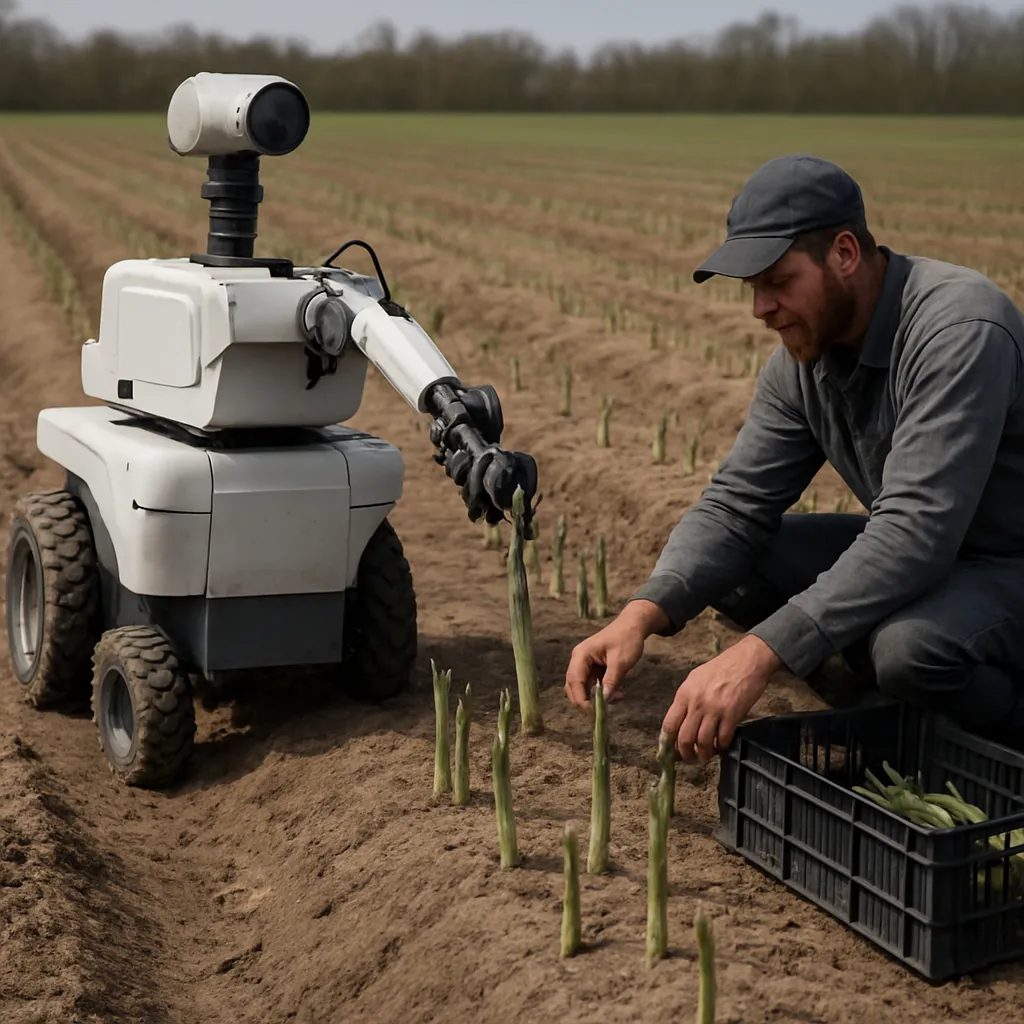
Adopting sustainable agricultural practices is crucial for ensuring long-term food security and environmental sustainability. Practices such as crop rotation, conservation tillage, integrated pest management, and organic farming can enhance soil health, reduce input costs, and improve resilience to climate change. Additionally, precision agriculture technologies, such as remote sensing, GPS, and data analytics, can optimize resource use and increase efficiency. Promoting sustainable practices requires collaboration between governments, research institutions, and farmers.
Future Outlook
The future of agriculture and agricultural price analysis is shaped by a complex interplay of factors. Technological advancements, climate change, economic conditions, and policy interventions will continue to influence agricultural markets. Stakeholders must remain vigilant and adaptive, leveraging data-driven insights and innovative solutions to navigate these challenges. By fostering sustainable practices, supporting farmers, and promoting international cooperation, we can ensure a resilient and prosperous agricultural sector that meets the needs of a growing global population.
Conclusion
Agriculture and agricultural price analysis are critical components of global food security and economic stability. Understanding the factors influencing agricultural prices, particularly for essential commodities like rice, is crucial for making informed decisions and ensuring market stability. As we look ahead to 2024, it is essential to consider the various challenges and opportunities that lie ahead. By adopting sustainable practices, supporting farmers, and leveraging technological advancements, we can build a resilient agricultural sector that meets the needs of a growing global population.