Introduction to Seasonal Price Fluctuations in Tropical Fruits
Agriculture, particularly the cultivation of tropical fruits, plays a crucial role in the economies of many countries. The prices of these fruits are subject to significant seasonal fluctuations, influenced by a variety of factors including weather conditions, supply chain logistics, and market demand. Understanding these price dynamics is essential for farmers, traders, and policymakers to make informed decisions. This article delves into the intricacies of seasonal price fluctuations in tropical fruits, exploring the underlying causes and potential strategies to mitigate their impact.
Chapter 1: Factors Influencing Seasonal Price Fluctuations
1.1 Climatic Conditions
One of the primary factors affecting the prices of tropical fruits is climatic conditions. Tropical fruits such as mangoes, pineapples, and bananas are highly sensitive to changes in temperature, rainfall, and humidity. For instance, an unusually dry season can lead to a poor harvest, reducing the supply of fruits in the market and driving up prices. Conversely, favorable weather conditions can result in a bumper crop, leading to an oversupply and a subsequent drop in prices.
1.2 Harvesting Seasons
The harvesting season of tropical fruits is another critical factor that influences their prices. Most tropical fruits have specific harvesting periods, during which they are available in abundance. For example, mangoes are typically harvested between March and June in many tropical regions. During this period, the market is flooded with mangoes, leading to lower prices. However, outside the harvesting season, the supply dwindles, causing prices to rise.
1.3 Supply Chain and Logistics
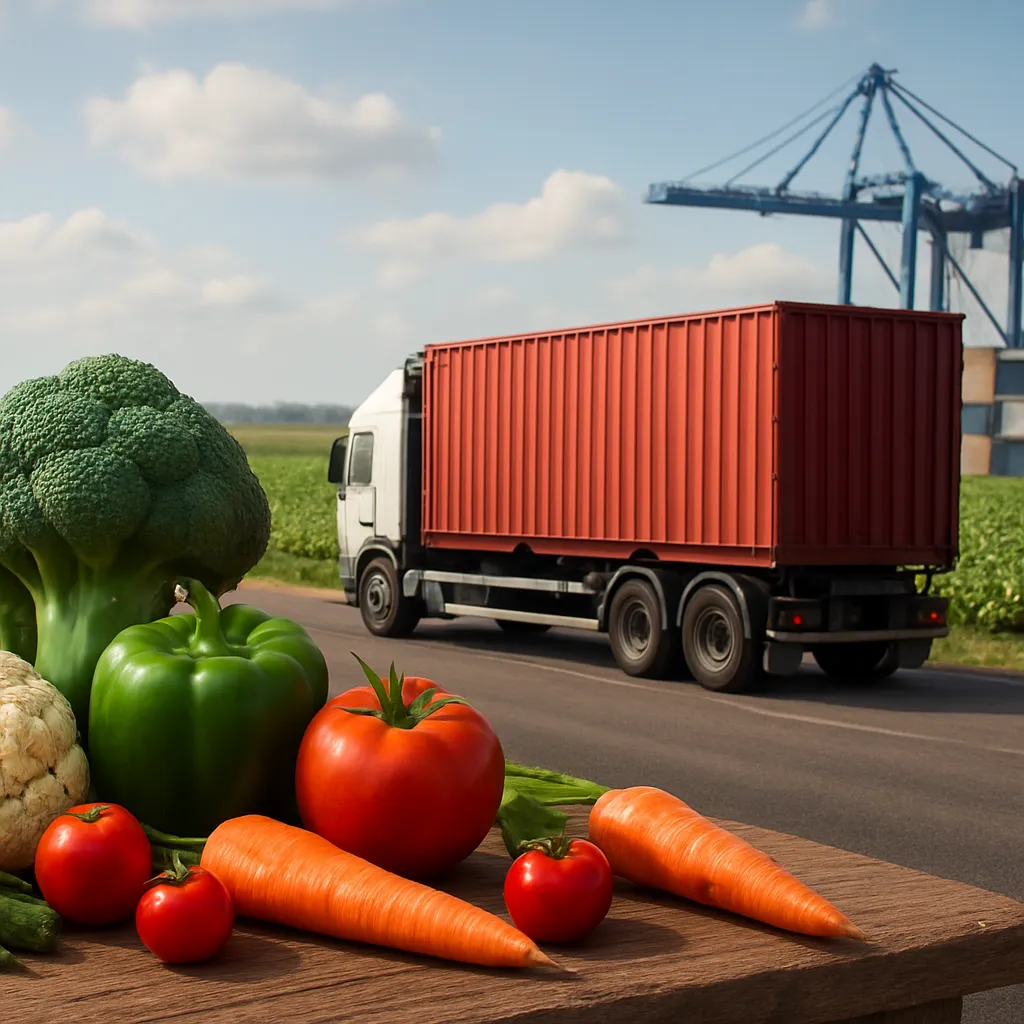
The efficiency of the supply chain and logistics also plays a significant role in determining the prices of tropical fruits. Poor infrastructure, inadequate storage facilities, and delays in transportation can lead to spoilage and wastage, reducing the effective supply of fruits in the market. This can result in higher prices, especially during off-peak seasons. On the other hand, an efficient supply chain can help maintain a steady supply of fruits, stabilizing prices.
1.4 Market Demand
Market demand for tropical fruits varies throughout the year, influenced by factors such as festivals, holidays, and consumer preferences. For instance, the demand for certain fruits like pineapples and mangoes tends to spike during festive seasons, leading to higher prices. Additionally, consumer preferences for fresh, seasonal fruits can drive up demand and prices during specific periods.
Chapter 2: Strategies to Mitigate Seasonal Price Fluctuations
2.1 Diversification of Crops
One effective strategy to mitigate the impact of seasonal price fluctuations is the diversification of crops. By cultivating a variety of fruits with different harvesting periods, farmers can ensure a more stable income throughout the year. This approach also reduces the risk associated with the failure of a single crop due to adverse weather conditions or pest infestations.
2.2 Improved Storage and Transportation
Investing in improved storage and transportation infrastructure can significantly reduce post-harvest losses and ensure a steady supply of fruits in the market. Cold storage facilities, for instance, can extend the shelf life of perishable fruits, allowing them to be sold during off-peak seasons. Efficient transportation networks can also minimize delays and reduce spoilage, helping to stabilize prices.
2.3 Market Information Systems
Access to timely and accurate market information is crucial for farmers and traders to make informed decisions. Market information systems that provide real-time data on prices, demand, and supply can help stakeholders plan their activities more effectively. For example, farmers can decide the best time to harvest and sell their produce based on market trends, while traders can optimize their inventory management to avoid overstocking or stockouts.
2.4 Government Policies and Support
Government policies and support can play a vital role in stabilizing the prices of tropical fruits. Subsidies for inputs such as seeds, fertilizers, and irrigation can reduce production costs and enhance productivity. Additionally, government intervention in the form of price support mechanisms, such as minimum support prices (MSP), can provide a safety net for farmers during periods of low prices. Investment in research and development to improve crop varieties and farming practices can also contribute to more stable and sustainable agricultural production.
2.5 Contract Farming and Cooperatives
Contract farming and the formation of cooperatives can provide farmers with better access to markets and reduce their exposure to price volatility. Under contract farming arrangements, farmers enter into agreements with buyers, such as food processing companies or exporters, to supply a specified quantity of produce at predetermined prices. This provides farmers with a guaranteed market and price, reducing the uncertainty associated with fluctuating market prices. Cooperatives, on the other hand, enable farmers to pool their resources and collectively negotiate better prices and terms with buyers.
Conclusion
Seasonal price fluctuations in tropical fruits are influenced by a complex interplay of factors, including climatic conditions, harvesting seasons, supply chain logistics, and market demand. While these fluctuations present challenges for farmers and traders, there are several strategies that can be employed to mitigate their impact. Diversification of crops, improved storage and transportation infrastructure, access to market information, supportive government policies, and collaborative arrangements such as contract farming and cooperatives can all contribute to more stable and predictable prices. By understanding and addressing the underlying causes of price fluctuations, stakeholders in the tropical fruit industry can enhance their resilience and ensure a more sustainable and profitable agricultural sector.