The dynamics of turkey meat markets around major holiday periods reveal complex interactions between production cycles, consumer behavior, and supply chain constraints. This article examines the recurring patterns that push prices higher or lower during festive seasons, explores the biological and logistical drivers behind those cycles, and discusses strategies that producers, retailers, and policymakers can use to manage risk and promote more resilient markets. By linking farm-level realities with market mechanisms, the analysis highlights how seasonal demand peaks for turkey reshape decisions across the entire agricultural value chain.
Seasonal patterns and economic drivers
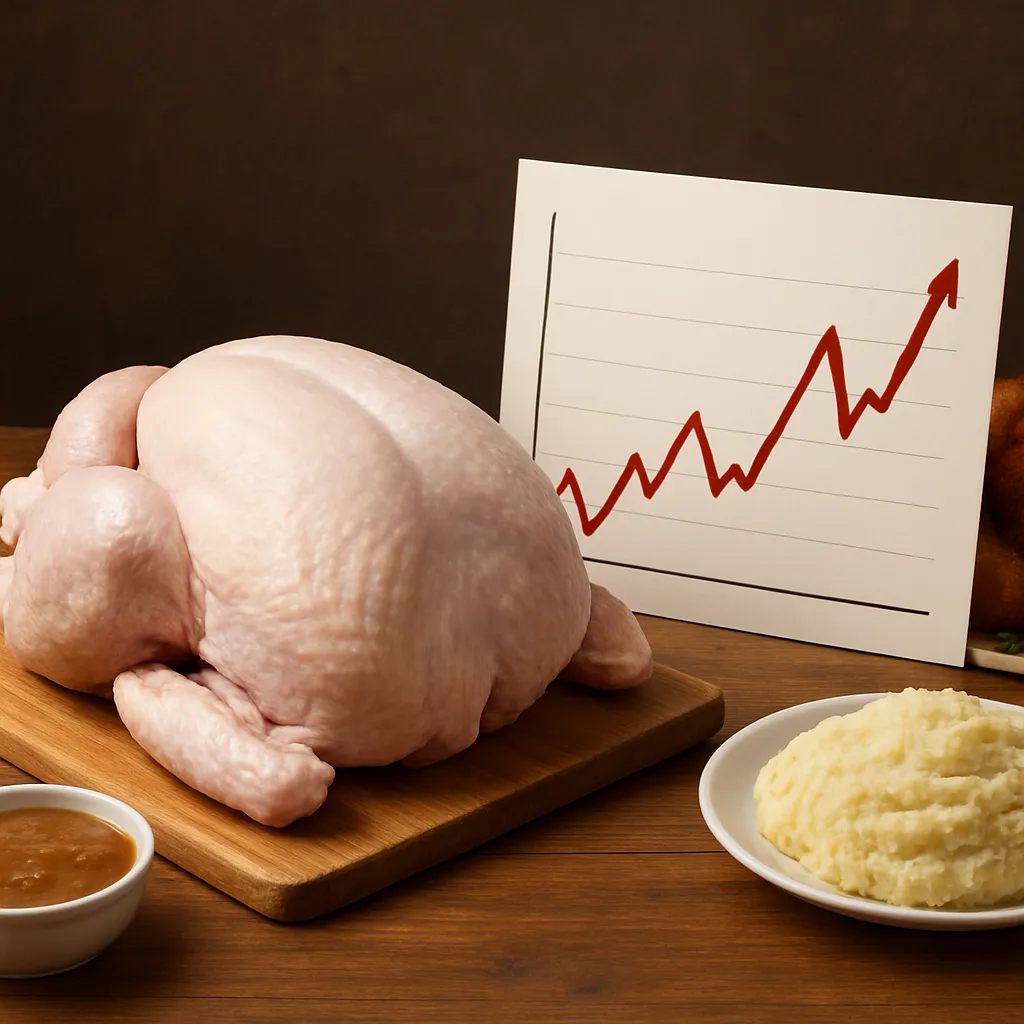
Holiday demand creates predictable pulses in the market for poultry, and particularly for turkey. Each year, demand surges around specific calendar dates, producing price movements that reflect the balance of short-term demand and available supply. The most visible aspect of this pattern is the pre-holiday price run-up followed by a rapid correction once the event passes. Several forces underpin this cyclical behavior:
- Seasonality of consumption: Cultural rituals and culinary traditions concentrate turkey purchases into narrow windows, intensifying short-term buying pressure.
- price.
Price patterns differ by geography and market structure. In tightly integrated markets with contract farming and centralized slaughterhouses, retail prices may be smoother because firms can coordinate production and logistics. In contrast, fragmented markets with many small producers often exhibit higher short-term volatility because coordination is weaker and the spot market plays a larger role.
Production, logistics, and supply chain constraints
Turkey production is both capital- and time-intensive. Farmers must plan months ahead to ensure flocks reach market weight at the right moment. This biological lag creates inherent inertia, limiting flexibility to rapidly ramp up output in response to unexpected demand shocks. Key constraints include:
- Breeding and flock scheduling: Brooder and grow-out house capacity dictates how many birds can be available for a given holiday.
- Feed supply and quality: Corn and soybean meal prices, and availability, directly affect production costs and farmers’ willingness to expand flock sizes.
- Processing capacity: Slaughterhouses and deboning plants have finite throughput. Holiday peaks can overload processing schedules and force either costly overtime or rationing of supply.
- Cold chain and transport: Timely refrigerated transport and storage are critical for ensuring product quality; bottlenecks in logistics can lead to localized shortages and premium pricing.
When any of these elements become strained, the market response is typically an upward movement in prices. Large retailers sometimes secure advance allocations by contracting producers and processors, effectively smoothing their supply and shielding consumers from some volatility. Small retailers and food-service buyers who rely on spot purchases are more exposed to price spikes.
Market responses: retail tactics, contracting, and consumer behavior
Markets adapt to holiday-driven demand through a range of strategies that influence price formation. Retailers use promotions, bundled offers, and advance booking to manage demand, while producers use forward contracts and hedging to stabilize revenues. Important mechanisms include:
- Advance contracts: Producers and processors enter into agreements that fix volumes and prices ahead of the holiday period, transferring some price risk and reducing spot market turbulence.
- Promotional pricing: Retailers may subsidize turkey prices to attract foot traffic, absorbing short-term margins in exchange for broader store sales across other categories.
- Product differentiation: Offering different cuts, portion sizes, or value-added preparations (e.g., pre-brined or stuffed) allows firms to segment demand across price points.
- Consumer substitution: In years of steep price increases, some consumers switch to alternative proteins, which dampens the intensity of the turkey price spike.
These responses are shaped by information flows and expectations. If supply forecasts signal tight supplies months in advance, buyers may pre-purchase or retailers may lock in transport and storage to secure product availability. Conversely, optimistic projections for abundant supply can trigger aggressive promotions that suppress pre-holiday prices.
Role of information and speculative behavior
Expectations about holiday demand and supply can encourage speculative buying and inventory hoarding by intermediaries, especially in contexts with weak market transparency. Speculation often leads to amplified price swings because actors attempt to anticipate the moves of competitors and consumers. Improving market information systems and forecasting can reduce such inefficiencies by aligning orders more closely with real end-user demand.
Risk management, policy levers, and industry practices
Stakeholders across the turkey value chain employ a variety of risk management tools to cope with seasonal swings:
- Futures and hedging: Where available, derivative markets for feed grains and poultry can be used to hedge input and output price risk.
- Insurance and agricultural safety nets: Public or private insurance can protect farmers from catastrophic events that would otherwise worsen holiday shortages.
- Vertical integration: Large integrators internalize many supply chain functions, from hatcheries to processing, smoothing production and timing.
- Capacity investments: Expanding processing plant capacity and refrigerated warehousing can reduce the likelihood of bottlenecks that spike prices during peak seasons.
Policy makers also have levers to influence seasonal price patterns. Strategic grain reserves, targeted subsidies during acute shortages, and regulations that improve market transparency can mitigate extreme price movements. Trade measures, such as adjustments to import quotas or tariffs, can provide short-term relief when domestic supply is insufficient to meet holiday demand.
Implications for producers, consumers, and sustainability
Seasonal price cycles have uneven effects. Small-scale farmers face income uncertainty as seasonal peaks do not always align with their cash flow needs, while large firms with capital and market power capture advantages through contracting and logistics. Consumers on fixed budgets may be disproportionately affected by price spikes during culturally significant holidays, prompting equity concerns.
From an environmental and sustainability standpoint, the drive to match production precisely to holiday peaks can encourage intensification practices that increase vulnerability to disease and resource stress. Strategies that promote more resilient and sustainable production include diversified protein portfolios, improved animal welfare practices that reduce disease risks, and localized processing capacity to shorten supply chains.
Practical recommendations
To balance market efficiency, producer viability, and consumer protection, the following approaches merit consideration:
- Enhance forecasting and market information: Invest in public-private systems that provide timely production and demand forecasts to reduce speculative hoarding.
- Promote workable contracts for smallholders: Support standardized contracting templates and cooperative models that give small producers access to stable off-take arrangements.
- Encourage flexible processing: Incentivize investments in modular processing lines and cold storage to increase the system’s ability to handle seasonal peaks without excessive cost.
- Expand risk transfer instruments: Develop affordable insurance and forward price mechanisms for smaller producers to hedge against input and output cost swings.
Emerging trends and future directions
Several developments are shaping how turkey markets will respond to future holiday cycles. Growing consumer interest in convenience and value-added products may smooth demand across longer periods, reducing the intensity of single-day peaks. Advances in supply chain analytics and precision breeding can improve timing and reduce waste. However, climate-related volatility in feed crop yields and the risk of animal disease outbreaks remain persistent threats that can cause unexpected price shocks.
Technological innovations, such as cold-chain optimization, more efficient feed formulations, and improved animal husbandry, will lower structural costs and enhance responsiveness. At the same time, policy frameworks aimed at improving distributional outcomes will be crucial to ensuring that the benefits of efficiency gains are broadly shared across producers, workers, and consumers.
Overall, understanding turkey meat price cycles during holiday seasons requires integrating biological realities with market mechanisms. Effective coordination, transparent information, and appropriate investment in logistics and processing capacity can reduce costly volatility, improve welfare for vulnerable actors in the chain, and support a more resilient and equitable agricultural marketplace.