The global olive sector sits at the crossroads of tradition and modern market forces. From groves that shape Mediterranean landscapes to newer plantations in the Americas and Asia, olives and olive oil are not only agricultural products but symbols of culture, diet and rural livelihood. This article examines the main drivers shaping agricultural markets for olives, the dynamics of global supply and trade, competitive pressures facing producers, and the mounting environmental risks—especially those linked to climate change—that demand innovation, policy shifts and investment in resilience.
Market dynamics and supply chains
The world market for olives and olive oil is highly concentrated geographically but increasingly globalized in terms of consumption and processing. Southern Europe—particularly Spain, Italy and Greece—remains dominant in production and in setting quality standards for extra virgin olive oil. North Africa and Turkey also contribute large volumes, often for bulk markets, while countries in the Southern Hemisphere, including Argentina, Chile, Australia and parts of California, have expanded plantings to serve off-season demand.
Supply chains in the olive sector span numerous stages: grove management, harvesting, milling, bottling, and distribution. Seasonal harvests create strong cyclical patterns in supply and storage needs. Olive oil, unlike many fresh crops, can be stored, traded and blended across seasons, which affects price formation and market stability. Key drivers of market variability include annual yield fluctuations, input costs (notably labor and energy), and currency movements that influence export competitiveness.
Vertical integration is increasingly common: large firms and cooperative mills buy directly from growers, offer processing and packaging, and push branded products into retail channels. Meanwhile, smallholders and family farms still supply a large share of the world’s olives, particularly for table olives and niche extra virgin oils where locality and provenance add value. The rise of private labels, e-commerce and specialty retailers has diversified market outlets, but also intensified pressure on margins for traditional producers.
Competition, quality and market positioning
Global competition in olive markets manifests at multiple levels. Price competition occurs in bulk olive oil markets where processing economies of scale favor larger producers and blending operations. Quality competition plays out in premium segments: certifications, sensory profiles, and region-specific appellations help differentiate products and capture higher margins. The interplay between these segments shapes investment decisions—whether to expand hectareage to chase volume or to intensify practices aimed at improving oil quality.
Emerging producers attempt diversification of both markets and product ranges. They may target niche consumers with single-origin oils, organic certification, or novel packaging, while established producers focus on traceability systems and geographical indications that protect reputation. Trade policies, tariffs and sanitary standards significantly affect market access. For example, phytosanitary measures designed to limit pests can restrict exports from certain regions, altering global flows and giving advantages to compliant exporters.
Consumer trends are also influencing competition. Health-conscious buyers and gourmet markets favor extra virgin olive oil, pushing some producers to invest in early harvesting, cold-press technologies and rigorous quality control. Conversely, price-sensitive markets demand cheaper refined or blended oils, often supplied via international commodity channels. Navigating both markets requires flexible supply chain strategies that can switch between mass-market and premium production.
Climate pressures, pests and agronomic risks
Environmental stressors are central threats to the olive sector. Rising temperatures, shifting precipitation patterns and more frequent extreme weather events are already altering phenology, flowering and fruit set. Olive trees are drought-tolerant compared with many crops, but prolonged droughts reduce fruit size and oil concentration, directly affecting yield and profitability. Heatwaves can accelerate maturation and reduce oil quality, while late frosts after early warming can devastate young shoots and blossoms.
Climate change also influences pest and disease dynamics. The spread of the olive fruit fly and new infestations of pathogens like Xylella fastidiosa in parts of southern Europe have demonstrated how quickly biological threats can disrupt production and require costly responses. Integrated pest management, monitoring, and rapid response systems are critical, but they require coordination across regions and sometimes face regulatory or financial barriers.
Adaptation strategies include the adoption of drought-tolerant cultivars, soil moisture conservation practices, and adjusted planting densities. However, these measures can be capital-intensive and may not be feasible for smallholders without access to credit or extension services. There is also a temporal lag: newly planted varieties or altered systems take years to reach full productivity, making near-term risk management essential.
Technological and policy responses
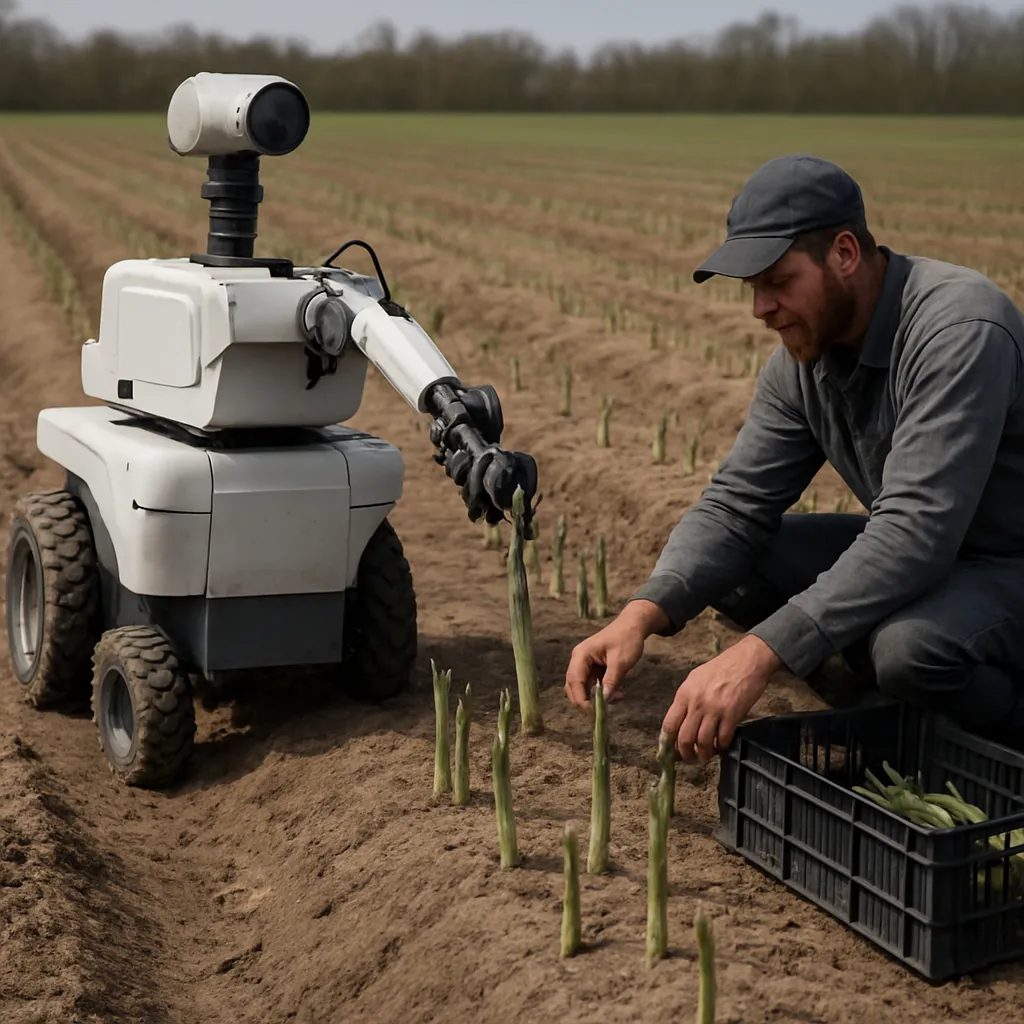
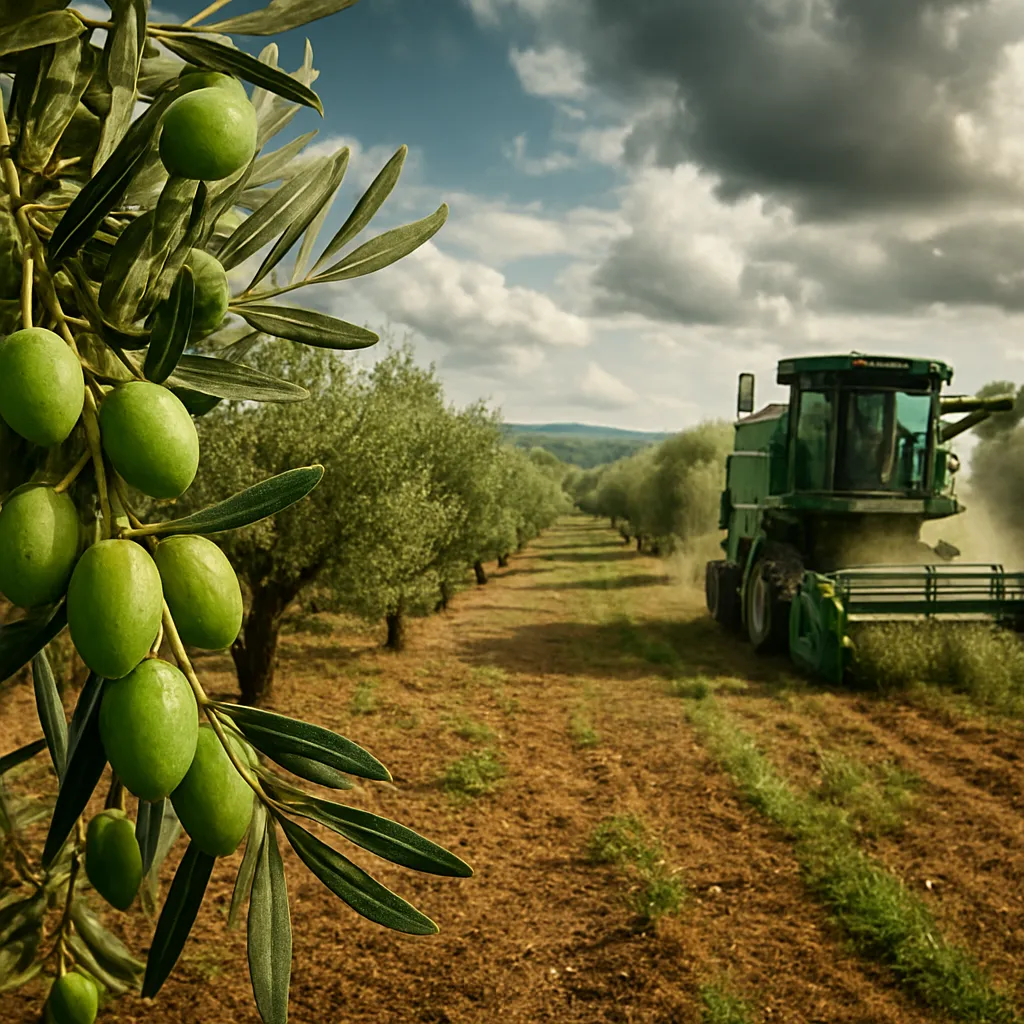
Technological innovation offers pathways to increase both productivity and sustainability. Precision agriculture tools—soil sensors, satellite imagery, and crop modeling—enable targeted irrigation and fertilization that conserve water while maintaining quality. Mechanization of harvesting reduces labor costs and can increase harvesting speed, which is important for preserving oil quality between picking and milling.
Investment in processing technology also matters. Cold extraction methods, improved storage tanks, and rigorous quality testing ensure superior oil and longer shelf life. Digital traceability systems, from QR codes to blockchain records, help meet demands for provenance and food safety, enhancing marketability in premium segments.
Policy instruments will shape the sector’s adaptation. Agricultural subsidies, water pricing, crop insurance and research funding determine what practices are economically viable. Policies that incentivize sustainable water use, support research into resilient cultivars, and fund cooperative processing infrastructure can make a major difference for small and medium producers. Market measures—such as tariff adjustments, trade agreements, and labelling standards—also affect where investment flows and how producers position their products internationally.
Rural livelihoods, social impacts and value chains
Olive cultivation has deep social and cultural significance in many regions. It supports rural employment, preserves landscapes and underpins agritourism in areas where olives form part of local identity. At the same time, demographic changes—rural aging, out-migration of youth, and consolidation of farms—are reshaping the sector. Smallholders often face the toughest challenges: limited access to capital, weak bargaining power with processors and buyers, and vulnerability to climate shocks.
Strengthening value chains through cooperatives, farmer associations and contract farming can improve incomes by giving producers better access to markets, shared processing facilities and certification programs. Such collective models can also facilitate investments in water-saving irrigation systems and pest management that are harder for individual farmers to finance. Socially inclusive policies that promote training, women’s participation and youth engagement are essential to sustain rural communities dependent on olive production.
Practical steps for producers and market actors
- Adopt water-efficient practices and invest in targeted irrigation to protect yields in drier seasons.
- Prioritize quality improvements for premium markets while maintaining channels for bulk sales to manage revenue volatility.
- Engage in collective action—cooperatives and producer organizations—to improve bargaining power and share infrastructure costs.
- Use digital tools for traceability and market access, aligning product attributes with consumer demands for transparency.
- Advocate for policies that support climate-smart agriculture, research into resilient cultivars, and effective pest management systems.
Emerging trends and strategic outlook
Looking ahead, the olive sector will be shaped by how effectively producers balance growth and environmental stewardship. Markets will reward reliable supply and verifiable quality; consumers increasingly expect ethical and traceable sourcing. Investments in innovation—from genetics to processing to digital commerce—will determine which producers thrive under intensifying competition.
Producers who combine efficient production systems with strong branding and market diversification are likely to be best positioned. Public and private sectors must collaborate to finance transitions, spread technical knowledge and ensure that smallholders are not left behind. Ultimately, the future of the olive sector depends on managing immediate economic pressures while building long-term resilience through sustainable practices, sound policy and coordinated market strategies.