The world of agricultural commodities often hides complex interactions between weather, consumer tastes and industrial processes. Among vegetable crops, the market for pickling cucumbers is a vivid example of how a niche product can experience pronounced swings in supply and demand. This article explores the key drivers of that volatility, the structure and needs of the processing industry, and practical approaches growers and buyers can use to reduce risk and capture value. Throughout, attention is given to the operational realities that link field production with jarred and canned products on supermarket shelves.
Market dynamics and sources of volatility
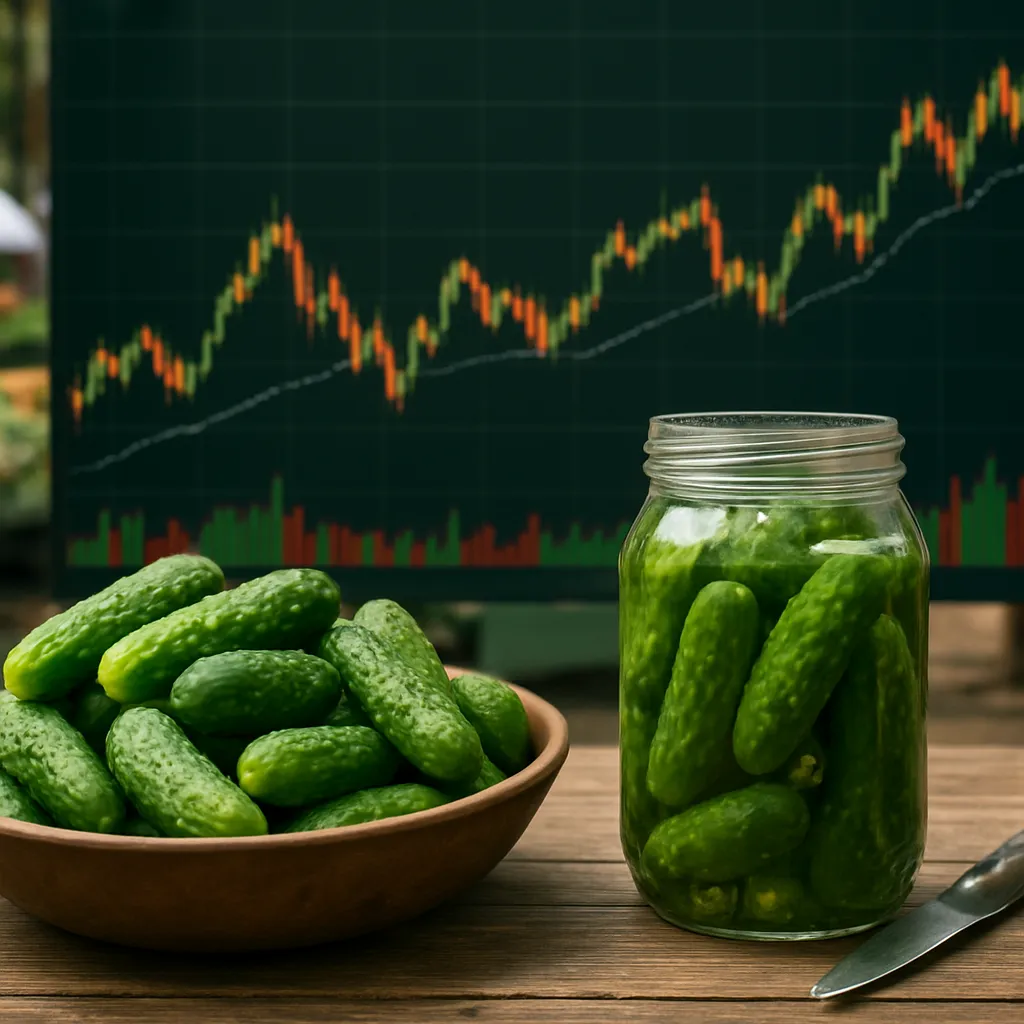
The pickling cucumber market is shaped by a combination of biological, logistical and economic factors that together create frequent price swings. Unlike broad commodity grains with liquid futures markets, pickling cucumbers are a specialty vegetable whose value depends heavily on timely harvests and narrow quality specifications.
Seasonality and weather impacts
Seasonality governs planting windows and harvest volumes. Adverse weather events such as late spring frost, excessive heat, or prolonged rainfall can dramatically reduce marketable yields or compress the harvest into a shorter period. This concentration of supply often leads to sudden changes in spot prices and puts pressure on processing capacity. For instance, an early hot spell can speed crop maturation, creating a glut, while a wet late summer can delay harvest and tighten available supply for processors.
Pest, disease and varietal factors
Pests and diseases (for example downy mildew or cucumber mosaic virus) can quickly reduce both quantity and quality. Growers selecting resistant varieties must also balance the fruit characteristics demanded by buyers: pickling varieties are bred for size, firmness, and brine uptake rather than fresh-market appearance. An unexpected disease outbreak can force rapid changes in sourcing and raise volatility if many farms are affected simultaneously.
Input costs, labor and logistics
Fluctuations in the costs of fuel, fertilizers, and labor affect grower margins and planting decisions. Labor availability, particularly for hand-harvested operations, is a critical constraint; labor shortages can reduce harvested volumes or degrade quality through delayed picking. Transportation and cold chain capacity also influence market outcomes: insufficient refrigeration or trucking can depress effective supply even when field volumes are adequate.
Demand-side shocks
Demand for pickled products depends on consumer trends, private-label programs, restaurant purchasing, and export markets. Changes in foodservice demand, trade policy or major retail promotions can quickly alter processor buying patterns. Because processing firms often operate on narrow seasonal windows and fixed capacity, sudden increases in demand can drive aggressive buying and price spikes, while demand declines lead to excess capacity and lower prices.
Processing demand and industry structure
The relationship between growers and processors is central to understanding market behavior. Processing firms transform field-grown cucumbers into a variety of products — fermented pickles, shelf-stable jarred pickles, relishes and brined slices — and their procurement strategies shape seasonal price formation.
Processor specifications and quality premiums
Processors impose tight specifications on size, shape, firmness and sugar content because these traits affect brining behavior and final product texture. Fruit that fails to meet standards is often marketed into lower-value channels or discarded. Consequently, a small percentage shift in quality can translate into large swings in effective supply for processors.
Contracting vs. spot procurement
Many processors use a mix of forward contracts and spot market purchases. Forward contracts provide predictability, helping both growers and processors plan planting and processing schedules. However, rigid contracts can leave parties vulnerable when weather-driven yields deviate sharply from expectations. Spot purchases allow processors to adjust volumes quickly but expose growers to price risk. The optimal mix varies by firm risk tolerance, storage capability and market outlook.
Capacity constraints and processing seasonality
Processing plants have finite capacity and seasonal labor patterns; they typically operate intensively during the harvest window. When harvest volumes exceed processing throughput, excess fruit must be diverted to alternative uses, often at steep discounts, amplifying price volatility at the farmgate. Conversely, when volumes are light, processors may compete for limited supplies, causing temporary price spikes that can be passed on to consumers if sustained.
Risk management and strategies for growers and processors
Both growers and processors can deploy tools to reduce exposure to sharp market swings. The goal is not to eliminate volatility but to manage it so that operations remain economically viable through good and bad seasons.
Diversified marketing and crop planning
Growers can reduce revenue volatility by diversifying markets — selling some volume into fresh markets, direct-to-consumer channels, or storing part of the crop when feasible. Planting a portfolio of varieties with staggered maturities or varying disease resistance profiles spreads harvest risk. For processors, developing multiple supply regions and contracting with a network of growers lowers the chance that a single weather event will disrupt operations.
Flexible contracting and shared risk mechanisms
Contracts with clauses for yield shortfalls, quality downgrades and price adjustments can share risks more equitably. Performance-based premiums for quality attributes encourage growers to maintain standards. Some industries use revenue-sharing agreements or cost-plus arrangements during extreme seasons to maintain long-term relationships between processors and growers.
Investment in storage and processing technology
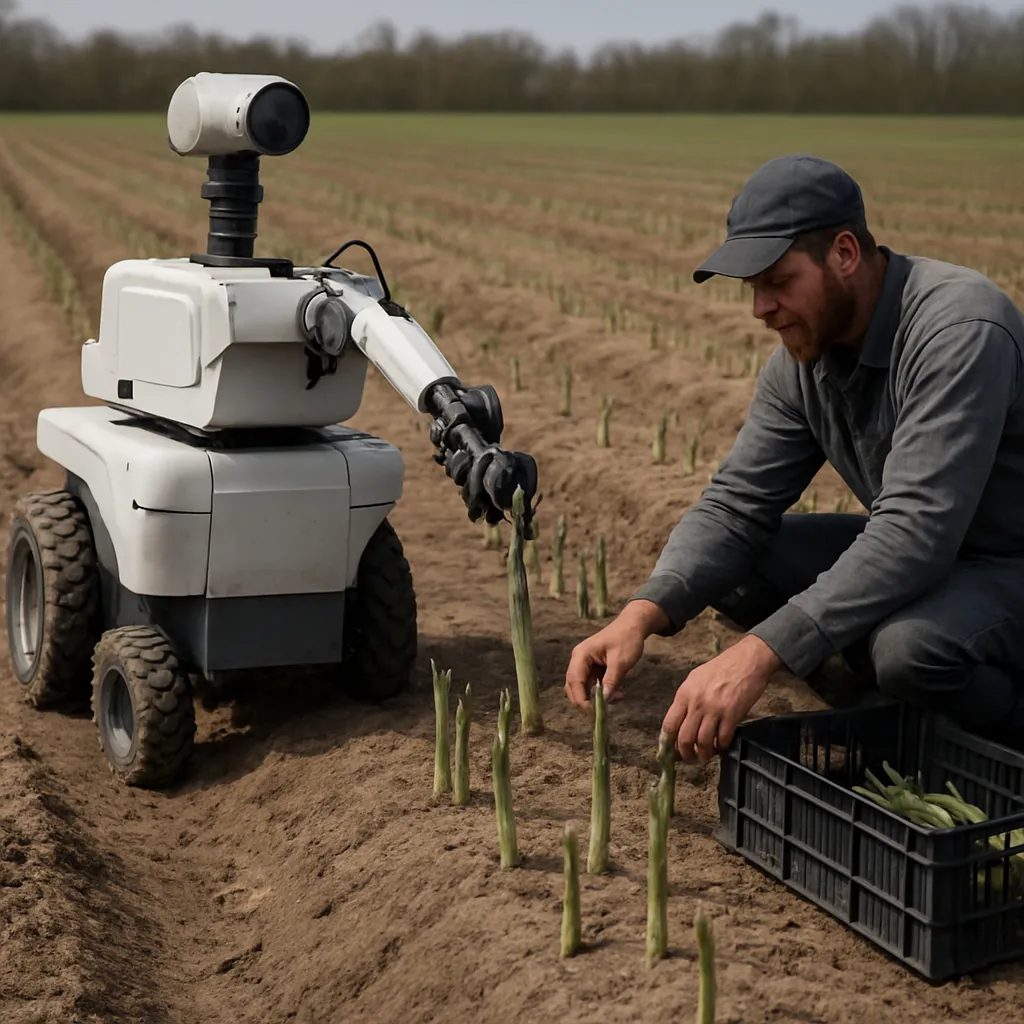
Cold storage, improved handling equipment, and rapid processing lines can absorb short-term supply surges and smooth out seasonal peaks. On-farm or cooperative storage for a proportion of harvested cucumbers reduces immediate dumping to the market and allows for timed deliveries when processor demand is higher. Investments in mechanization can address labor shortages and improve harvest timing, but require capital and may incentivize consolidation.
- Crop insurance and disaster programs provide partial compensation after yield losses.
- Forward-looking market intelligence and futures for related inputs (not cucumbers directly) can inform pricing decisions.
- Cooperative marketing arrangements increase bargaining power and stabilize incomes for small growers.
Markets, innovation and sustainability pressures
Long-term prospects for the pickling cucumber market are shaped by innovation in varieties, changing consumer preferences, and sustainability requirements. These trends influence both demand and how production systems evolve.
Breeding and technological advances
Breeding efforts focus on disease resistance, mechanical harvestability and fruit uniformity. Innovations in microbial fermentation control and brining formulations can broaden acceptable raw material traits, potentially reducing rejection rates. Precision agriculture — soil testing, variable-rate irrigation and pesticide applications — enhances resource use efficiency and can improve predictability of yields.
Consumer trends and product innovation
Shifts toward artisanal, organic, and low-sodium products create niche opportunities but also require different raw material profiles. Organic pickling cucumber production often commands premiums but faces its own supply constraints and labor challenges. Meanwhile, private-label and value-added products such as flavored pickles or grab-and-go packs change processor procurement requirements.
Sustainability, traceability and regulatory pressures
Retailers and regulators increasingly demand traceability, reduced chemical inputs, and improved labor practices. Compliance may increase production costs or require certification, affecting which growers can access premium markets. Environmental pressures — water scarcity, soil health degradation — push adoption of conservation practices that can stabilize yields over the long term if adopted broadly.
Export markets and trade policy
Exports are a variable but important component of demand for some producing regions. Trade barriers, phytosanitary standards and currency movements can rapidly shift the attractiveness of export channels. Processors that diversify into multiple international markets often reduce dependency on any single source of demand.
Practical recommendations for stakeholders
Translating analysis into action requires targeted measures at both farm and firm levels. While no set of practices can remove volatility entirely, coordinated approaches reduce the likelihood of catastrophic outcomes.
- Growers should develop multi-year contracts covering a portion of expected production while leaving room to sell surplus in the spot market.
- Processors ought to maintain flexible procurement plans, invest in regional sourcing, and provide agronomic support to their grower base to improve quality and reliability.
- Both parties benefit from investing in data systems that track harvest windows, yield forecasts and price signals to allow faster, data-driven decisions.
- Policy makers can help by supporting research into disease-resistant varieties, improving access to crop insurance, and facilitating infrastructure investments in storage and processing.
Understanding the interplay between field production, processing requirements and market drivers is essential for anyone involved in the pickling cucumber value chain. By recognizing the key sources of volatility and adopting pragmatic risk-sharing and technological strategies, growers and processors can improve resilience, protect margins and better serve changing consumer preferences in a dynamic agricultural marketplace.