The global market for melons occupies a distinct niche within the broader agricultural economy, combining strong seasonal rhythms with relatively short postharvest lifespans, concentrated production windows, and evolving consumer preferences. This article examines the recent performance of melon markets, explores the agronomic and seasonal drivers of production, and outlines implications for value chains, trade, and sustainability. Farmers, traders, policy makers, and supply chain professionals must understand how seasonality, weather variability, and market structure interact to shape prices, access to markets, and long‑term viability.
Global market performance and trade dynamics
Melons—encompassing cantaloupes, honeydews, and many regional cultivars—are traded both domestically and internationally. Major producing countries include China, Turkey, Iran, Mexico, and the United States, each with distinct production calendars and market orientations. In recent years, global trade patterns have reflected shifting demand in urban centers, evolving retail formats, and logistical improvements that allow fruit to reach distant consumers more frequently and with higher quality.
Price formation in melon markets is highly influenced by concentrated harvest windows. When supply peaks in major producing regions, prices often fall sharply, while off‑season or out‑of‑region shortages can push prices higher. Wholesale and retail pricing is also sensitive to quality gradations: melons with optimal sugar levels and firm texture fetch premiums, while bruised or overripe fruit move at discounts. The interaction between pricing and short shelf life makes accurate demand forecasting and inventory management essential for minimizing losses.
International trade amplifies both opportunities and risks. Exporters benefit from access to high‑value markets, especially during northern hemisphere winters when southern producers can supply fresh fruit. However, trade is affected by phytosanitary regulations, tariff structures, and non‑tariff barriers that vary by destination. Logistics disruptions, such as port congestion or transport delays, can cause rapid quality deterioration; consequently, countries with strong cold chain infrastructure and fast customs processing tend to capture higher export revenues.
Market concentration and retail channels
Retail consolidation has shifted bargaining power toward large supermarket chains and international wholesalers. Supermarkets often demand consistent supply, standardized sizing, and certification for quality and safety—requirements that challenge smallholder producers. At the same time, direct‑to‑consumer channels (farmers’ markets, online produce platforms) and value‑added products (pre-cut melon trays, mixed fruit boxes) have created niches that reward innovation in packaging and freshness preservation.
Seasonal production trends and agronomic considerations
Understanding the seasonal cycle of melon production is crucial for managing cash flow, labor, and inputs. Planting windows, pollination periods, and harvest timing vary by climate zone and cultivar. In temperate regions, spring planting yields summer harvests; in subtropical or tropical areas, staggered plantings and controlled environments enable longer supply periods.
Agronomic practices directly influence both yield and fruit quality. Key factors include soil fertility management, adequate irrigation, pest and disease control, and pollination services (often provided by bees). Growers increasingly use integrated pest management and grafted rootstocks to enhance disease resistance. Precision agriculture tools—soil moisture sensors, weather stations, and crop modeling—help optimize inputs and reduce waste.
Varietal selection matters for market segmentation. Some varieties are bred for high sugar content and aroma, appealing to premium consumer segments, while others prioritize transportability and shelf life for long‑distance trade. Breeding programs and seed companies play a pivotal role in developing cultivars that balance flavor, yield, and logistical resilience.
Postharvest handling and shelf life
Melons are climatologically sensitive commodities: temperature, humidity, and handling determine how long fruit remains marketable. Rapid cooling after harvest, hygienic packing, and careful handling to avoid bruising extend usable life. Cold chain breaks are costly; even brief exposure to high temperatures accelerates ripening and reduces firmness. Postharvest research focuses on low‑cost cooling technologies, modified atmosphere packaging, and ethylene management to preserve quality during transport and storage.
- Key agronomic interventions: balanced fertilization, drip irrigation, timely pest control.
- Postharvest priorities: cooling, gentle handling, grading for sugar and firmness.
- Labor considerations: harvest labor is seasonal and often intensive; mechanization is limited by fruit fragility.
Supply chain resilience and logistics
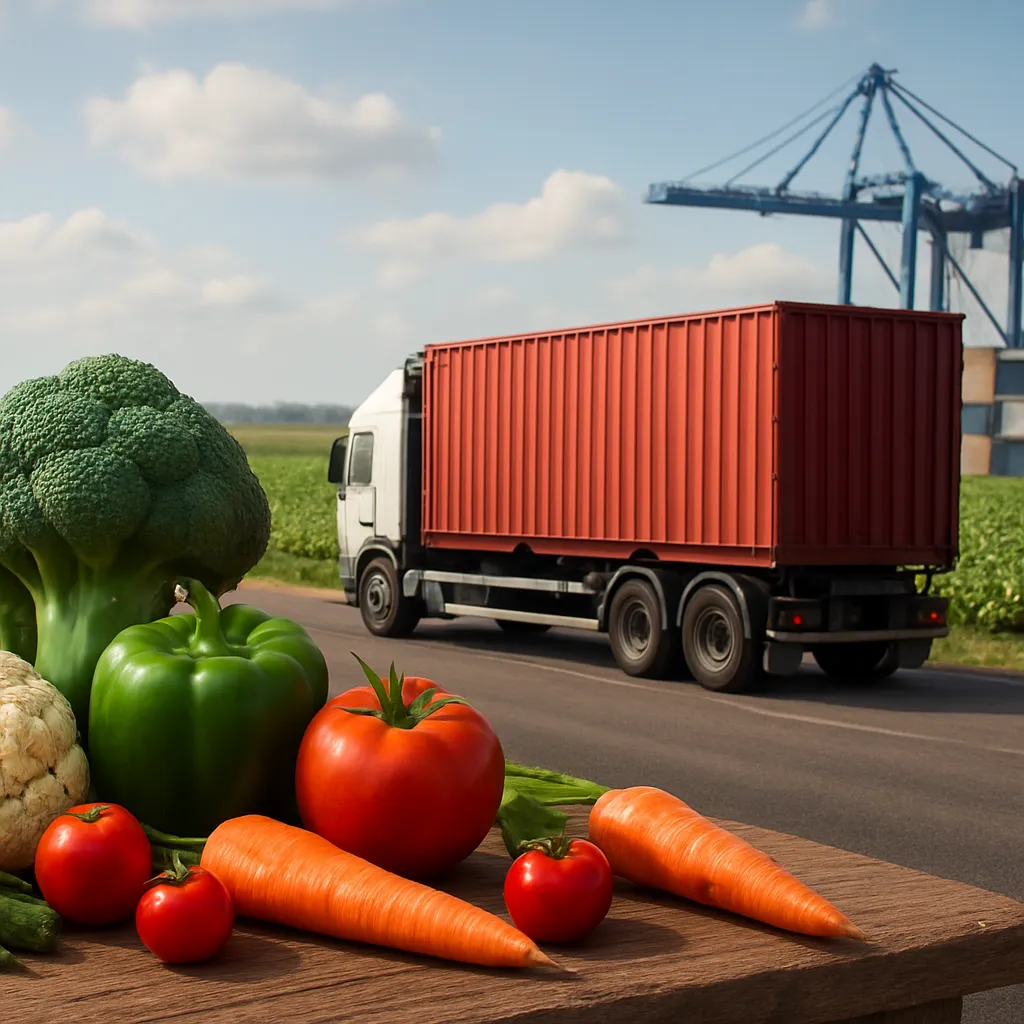
Efficient supply chains are the backbone of profitable melon markets. Because melons are bulky relative to value and perishable, transport and handling costs quickly erode margins. Cold chain investments—refrigerated trucks, controlled atmosphere warehouses, and rapid distribution networks—reduce shrinkage and enable access to distant high‑value markets.
Logistics also shapes how and when melons enter markets. Short supply chains, connecting producers directly to local retailers or markets, often deliver fresher fruit and better margins for farmers. Longer supply chains require coordination among growers, packers, transporters, and retailers. Traceability systems and digital platforms can improve coordination, enabling real‑time inventory management, quicker responses to quality issues, and better price discovery.
Risk management and market signals
Price volatility in melon markets can be managed through a combination of diversification, contract farming, and storage strategies for value‑added products. Crop insurance and weather index insurance are tools to mitigate revenue risk from extreme events. Futures markets for melons are generally undeveloped, so contractual arrangements between producers and buyers—such as forward contracts with quality incentives—become important mechanisms for stability.
- Transport priorities: rapid cooling, minimization of handling, and reliable scheduling.
- Market access tactics: certifications, consistent sizing, and branded quality programs.
- Digital tools: real‑time price boards, inventory apps, and traceability platforms improve margins.
Policy frameworks, sustainability, and innovation
Policy influences melon production and market performance through water allocation, agricultural extension services, trade agreements, and food safety standards. In water‑scarce regions, competition for irrigation water can constrain expansion of melon acreage. Policymakers balancing food security, export earnings, and environmental sustainability must design incentives that favor efficient water use, investment in infrastructure, and equitable market access.
Sustainability initiatives focus on reducing water and chemical use, minimizing waste, and improving livelihoods for laborers. Practices such as drip irrigation, mulching, integrated pest management, and organic amendments reduce environmental footprints while maintaining productivity. Circular economy approaches—composting melon waste for soil improvement or using byproducts in animal feed—add value and reduce disposal costs.
Technological and financial innovations
Recent innovations are reshaping production and distribution. Remote sensing and satellite imagery enable large‑scale monitoring of crop health and early detection of stress. Mobile finance and microcredit expand smallholder access to inputs and equipment. Cold chain startups offer pay‑as‑you‑go refrigerated storage, lowering barriers for small producers. Seed companies and breeding programs increasingly leverage genomics to accelerate the development of cultivars with improved drought tolerance and shelf life.
- Policy levers: support for irrigation infrastructure, research funding, and market information systems.
- Financial solutions: contract farming, microfinance, and risk‑sharing mechanisms.
- Technologies to watch: precision irrigation, postharvest cooling innovations, and predictive analytics.
Implications for producers, traders, and consumers
For producers, managing the intersection of agronomy and markets means aligning planting schedules with demand peaks, investing in quality improvements, and seeking market arrangements that reduce price risk. Embracing sustainability can open new market segments while protecting long‑term resource bases. For traders and retailers, improving cold chain reliability, investing in quality assessment, and diversifying sourcing reduce volatility and improve customer satisfaction.
Consumers benefit when supply chains deliver ripened, flavorful fruit at competitive prices. Educating consumers about seasonal availability and variety differences can enhance appreciation for quality and create demand for locally produced melons during peak seasons, thereby supporting local economies and reducing transportation emissions. Urban consumers increasingly value traceability and environmental credentials; labeling schemes that credibly report production practices can command premiums.
In summary, melon markets exemplify how perishable crops create complex interactions among seasonality, logistics, pricing, and sustainability. Strategic investments in irrigation, cold chain infrastructure, varietal development, and digital market platforms can smooth seasonal supply fluctuations, reduce losses, and create more resilient value chains that benefit producers and consumers alike.