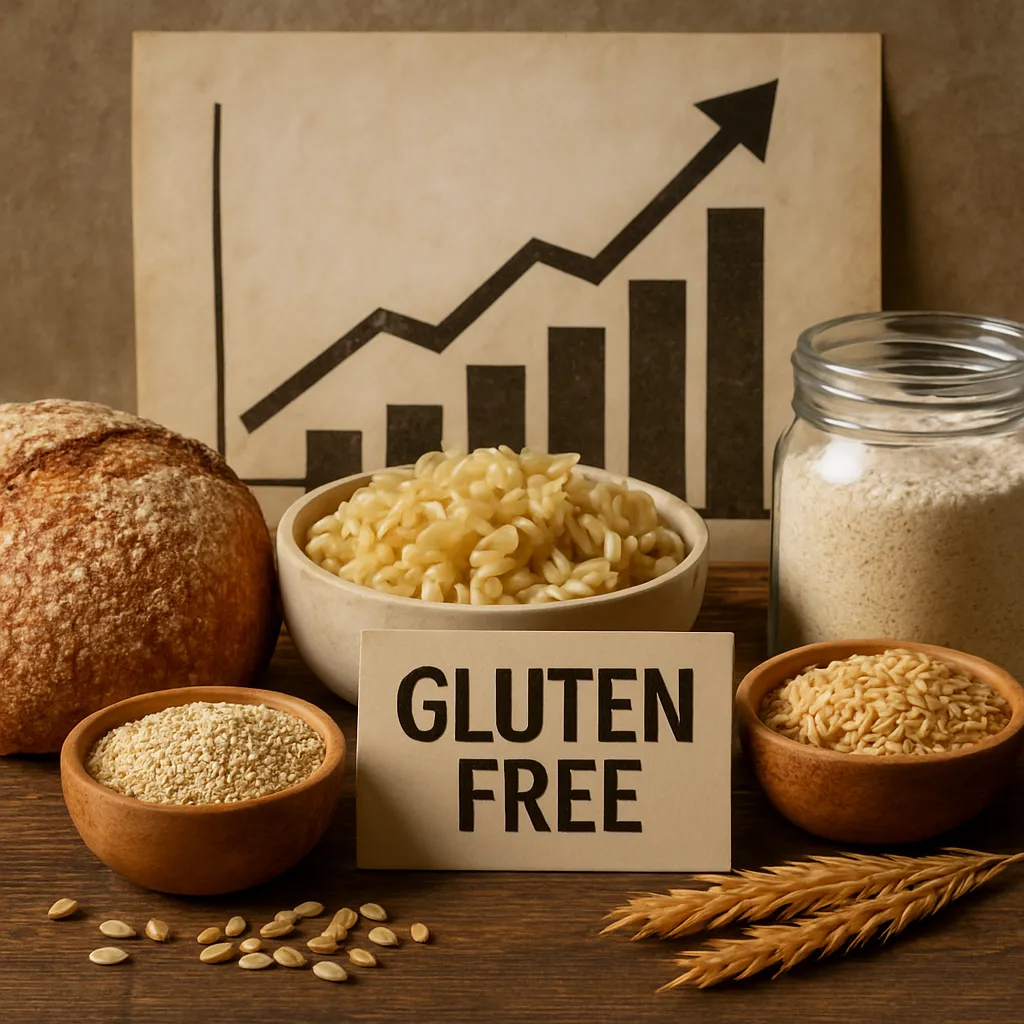
The rising preference for gluten-free foods is reshaping agricultural value chains, shifting planting decisions, and creating new dynamics across global grain markets. What began as a medical necessity for people with coeliac disease has broadened into a mainstream consumer trend driven by perceived health benefits, dietary fashions, and expanded product availability. This article explores the drivers of the demand for gluten-free products, the implications for major cereal crops, trade and processing systems, and the policy and research responses shaping the future of farming and food security.
Drivers of demand and the changing consumer landscape
Consumer interest in gluten-free diets stems from multiple sources. Medical diagnoses such as coeliac disease and non-coeliac gluten sensitivity remain primary reasons for strict avoidance, but a substantial share of consumers adopt gluten-free choices for lifestyle, allergy-management, or perceived wellness benefits. The proliferation of gluten-free labels across supermarkets, restaurants, and online platforms has normalized these options, creating a stable market segment with growing purchasing power.
Several factors amplify this trend:
- Improved innovation in food technology that enables appealing textures and flavors in products made from alternative grains and starches.
- Marketing and celebrity endorsements that position gluten-free as part of a healthy lifestyle.
- Better awareness and testing leading to higher diagnosis rates for gluten-related disorders.
- Global supply chains that bring specialty grains like quinoa and buckwheat to mainstream consumers.
The cumulative effect is not only an expansion of the gluten-free aisle but also a redistribution of consumer expenditures across a wider set of staple crops and ingredients.
Impacts on major grain markets: substitution, premiums, and price signals
Wheat has historically been the world’s dominant staple for bread and many processed foods. A meaningful shift away from wheat-based ingredients in some product categories creates ripple effects across cereal markets. Producers and traders respond to changing consumption patterns through adjustments in planting, storage, and marketing strategies.
Key market effects include:
- Substitution effects: Increased demand for naturally gluten-free cereals and pseudocereals—such as rice, corn, sorghum, millet, and quinoa—as well as tuber-based flours and starches. Processors reformulate products by replacing wheat with these alternatives, shifting demand away from wheat in certain segments.
- Price differentials and premiums: Where supply of alternative grains is constrained relative to new demand, prices can rise, generating premiums for non-wheat crops. Conversely, localized reductions in wheat demand can weaken wheat prices unless offset by export markets or other uses.
- Volatility and segmentation: Market segmentation increases, with separate price tracks for conventional wheat and specialty, certified gluten-free grains. Certification and handling requirements create transaction costs that affect margins and market liquidity.
Regional differences matter. In high-income markets, the gluten-free trend may accelerate adoption of specialty grains, whereas in low-income, wheat-import-dependent regions the trend is often muted by price sensitivity and food culture. However, even small shifts in demand composition can influence global trade flows, particularly for crops with thin marginal supply elasticity.
Supply chain, processing, and certification challenges
Transitioning supply chains to accommodate increased quantities of gluten-free ingredients involves investments across the chain. Processing facilities must manage cross-contamination risks, create dedicated production lines, and secure reliable sources of certified grains. These changes impose both fixed and variable costs that impact product pricing and farmer incentives.
Important supply-side considerations include:
- Segregation and handling: Strict segregation from wheat and other gluten-containing commodities is necessary to meet regulatory and consumer standards. This can require separate storage, transport, and cleaning protocols.
- Certification and traceability: Certification programs for gluten-free status, often backed by third-party testing, reinforce consumer trust but add layers of documentation and testing costs.
- Scale and processing capacity: Many gluten-free ingredients are produced at smaller scales, leading to higher unit costs. Expansion of processing capacity is capital-intensive but necessary to meet rising demand.
- Farmer adoption and agronomic knowledge: Farmers need information on best practices for cultivating alternative crops, from seed varieties to pest and fertilizer management, which affects yields and quality.
When supply cannot adjust quickly, the market may experience temporary shortages of certain grains, upward price pressure, and substitution into other commodities—potentially increasing volatility in interconnected markets.
Farm-level decisions, cropping patterns, and land use
Farmers responding to market signals may diversify away from wheat towards alternative crops that command a premium or open access to new value chains. The extent of this shift depends on agronomic suitability, access to seeds and inputs, and the profitability comparison between crops.
Factors influencing cropping choices:
- Comparative profitability: If markets reward rice, corn, or sorghum at higher prices or through contract premiums, acreage can shift accordingly.
- Agronomic fit: Climate, soil, and water constraints determine whether alternative grains are viable. Drought-prone areas, for instance, might favor millet or sorghum over rice.
- Input supply and mechanization: Some alternative crops demand different machinery or mechanization patterns, affecting transition costs for farmers.
- Crop rotations and soil health: Introducing new crops can benefit rotations, potentially reducing disease pressure and improving long-term soil fertility, but may also require new pest management tactics.
Land use trends could evolve unevenly. In some landscapes, shifts toward gluten-free crops enhance resilience and biodiversity. In others, expansion of specialty grain production could intensify monocultures if profitable, raising concerns about sustainability and market dependence.
Trade, policy, and food security implications
Trade patterns will reflect changing comparative advantages and demand centers. Countries that can scale production of desirable gluten-free crops may find new export opportunities. However, policy responses and food security concerns complicate the picture.
Relevant policy and trade considerations:
- Tariff and non-tariff barriers: Tariffs, phytosanitary measures, and certification standards influence the flow of specialty grains and can either facilitate or constrain market responses.
- Food aid and staple provisioning: Shifts in staple demand can affect the composition of food aid and emergency stocks. Policymakers must balance support for dietary choices with the imperative to ensure affordable staples for vulnerable populations.
- Research and public goods: Public investment in agronomic research, seed development, and post-harvest infrastructure can reduce barriers to growing alternative crops at scale. Support for extension services helps farmers adopt best practices.
- Labeling and consumer protection: Clear labeling laws and enforcement protect consumers and stabilize markets by ensuring trust in gluten-free claims.
Policy can therefore steer outcomes toward inclusive growth—supporting smallholders to enter lucrative gluten-free value chains while safeguarding food affordability for the poor.
Innovation, breeding, and future directions for agriculture
Scientific and technological innovation will be central to aligning supply with rising gluten-free demand. Breeding for yield, stress tolerance, and processing quality in alternative grains will determine their competitiveness against established staples.
Areas of active development include:
- Crop breeding: Improved varieties of sorghum, millet, and quinoa that combine higher yields with desirable culinary properties.
- Processing technology: Techniques to produce refined flours and texturized proteins from non-wheat sources with consumer-acceptable sensory profiles.
- Supply chain digitalization: Traceability systems and blockchain solutions to certify segregation and enable premium pricing for verified gluten-free lots.
- Sustainable intensification: Practices that increase productivity of alternative grains without expanding cultivated area, preserving ecosystems.
Research institutions, private breeders, and multinational food companies are investing in these areas, which can reduce costs and broaden the availability of gluten-free products globally. The interplay between agricultural R&D and market demand will shape whether gluten-free alternatives become mainstream staples or remain niche premium products.
Conclusions for producers, traders, and policymakers
Although the expansion of the gluten-free market presents opportunities—new crops, export niches, and product innovation—it also introduces complexity: supply chain fragmentation, certification costs, and potential volatility in cereal markets. Stakeholders should consider the following strategic responses:
- Producers: Diversify with attention to agronomic fit and market contracts; pursue certification where premiums justify costs.
- Traders and processors: Invest in segregation and traceability to capture value and reduce contamination risks; build flexible sourcing strategies to manage price volatility.
- Policymakers: Support research, extension, and infrastructure to enable smallholders to participate; adopt clear labeling standards and consider trade policies that foster stable supplies.
As consumers increasingly include gluten-free options in their diets, the agricultural sector must adapt across breeding, production, processing, and policy domains. How effectively markets respond will determine whether the rise of gluten-free foods translates into sustainable opportunities for farmers, affordable choices for consumers, and resilient grain systems worldwide.