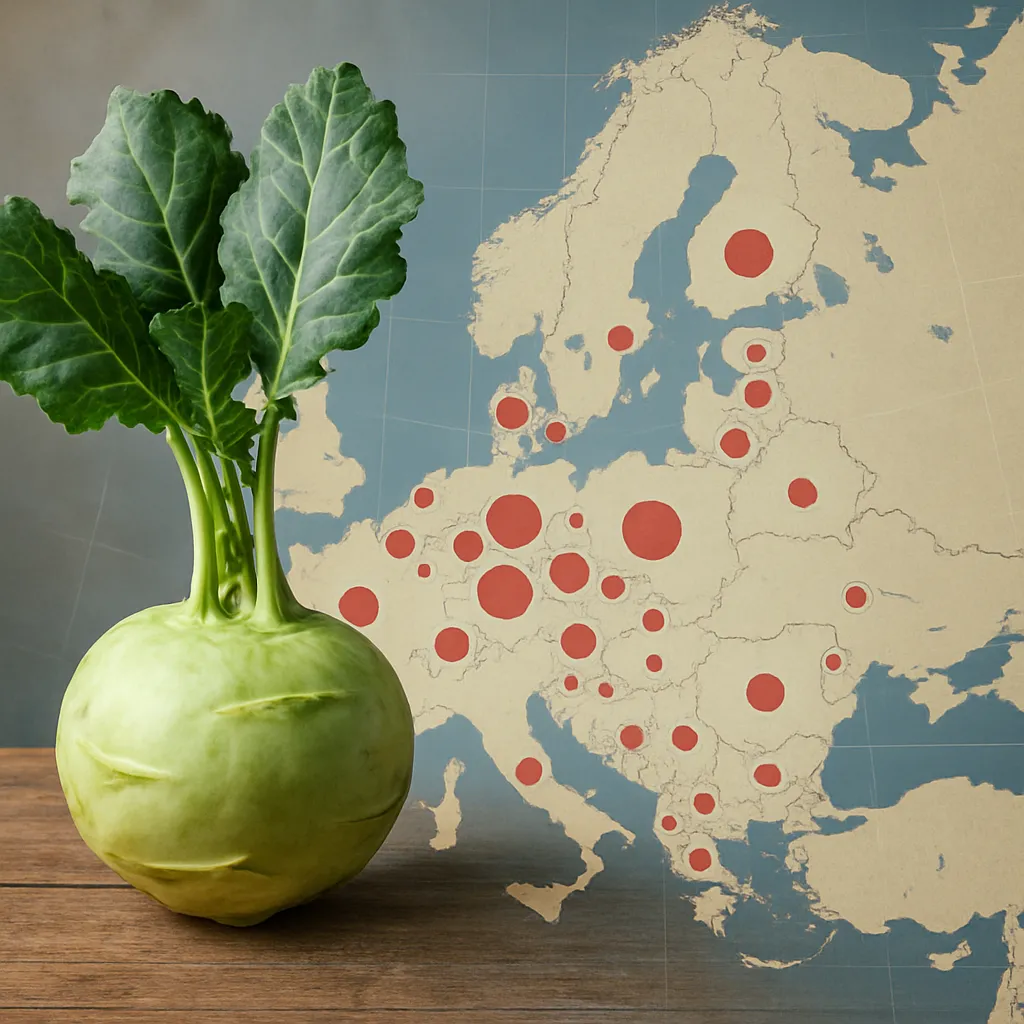
The global vegetable sector faces mounting pressure as emerging diseases alter production patterns, market dynamics and trade flows. This article examines how outbreaks of fungal, bacterial and viral agents are reshaping agricultural **plant** health, destabilizing distribution networks and forcing rapid adaptation across rural and urban economies. By exploring the biological drivers, supply impacts, economic consequences and policy responses, the piece highlights practical directions for building a more robust and responsive food system.
Biology of outbreaks: drivers and dynamics
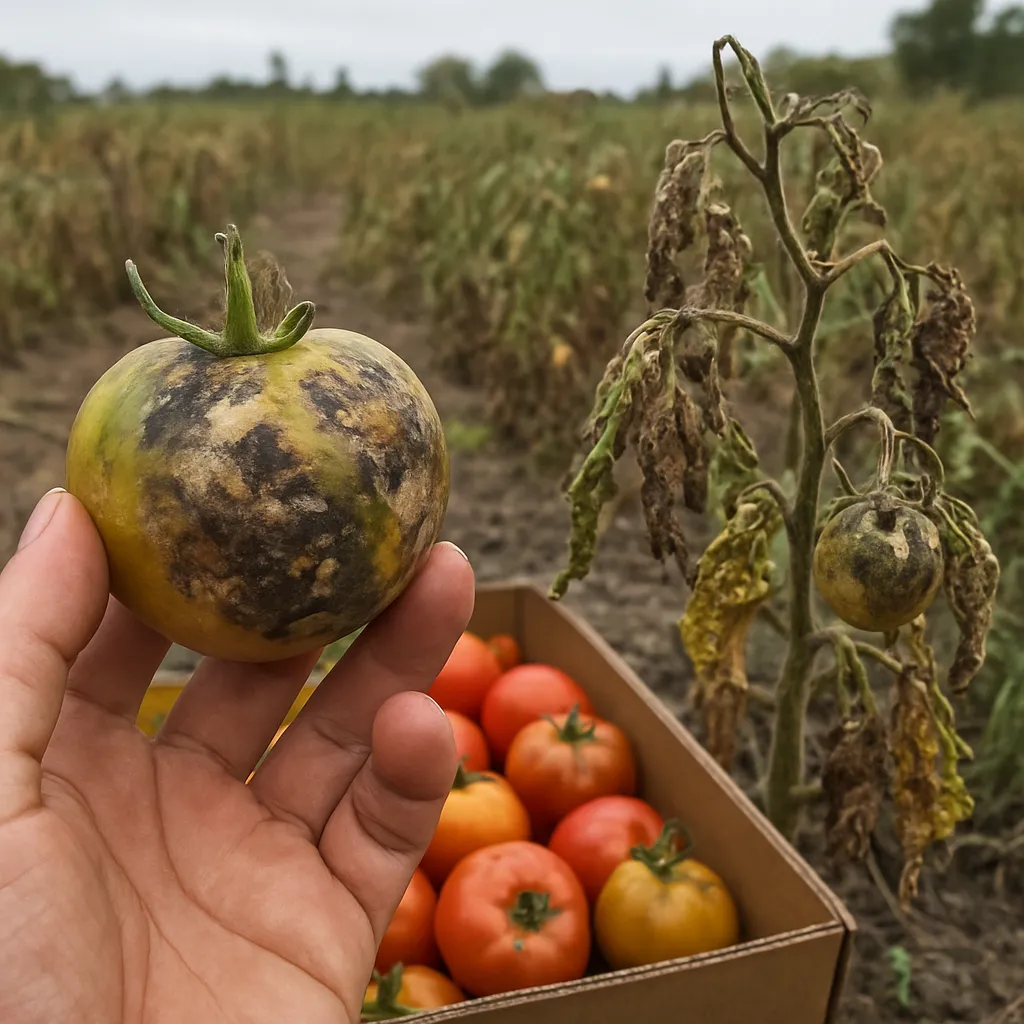
Vegetable crops are vulnerable to a wide range of biotic threats. New strains and shifting host ranges enable diverse **pathogens** to exploit intensive production systems. Climate variability, monoculture practices and international trade increase the likelihood that localized infections will become systemic problems.
Pathogen emergence and spread
Emergence often follows a predictable path: a novel agent or a more virulent variant appears in one region, establishes on a susceptible host, and spreads through vectors, water, seed or human activity. High-density greenhouse operations and centralized packing facilities can accelerate transmission. For root and foliar diseases, environmental conditions such as humidity and temperature play a critical role in outbreak severity.
Role of agricultural practices
Modern agronomy maximizes short-term **yield**, sometimes at the expense of long-term resilience. Intensive fertilizer regimes, reduced crop rotations and the erosion of genetic diversity create conditions in which pathogens can intensify. Conversely, diversified cropping systems, integrated pest management and better seed hygiene can reduce outbreak probability.
Disruption across the vegetable supply
An outbreak affecting a major crop can cascade across the supply chain, from farm gates to supermarket shelves. The consequences are shaped not just by the scale of crop losses but by the structure of distribution networks, the perishability of products and the speed of market response. Below are principal pressure points.
Production and harvest
- Localized epidemics can force farm-level quarantines and harvest destruction, reducing volume available to processors and retailers.
- Labor shortages, whether due to disease control measures or worker illness, can compound field losses and delay harvesting windows.
- Seed and transplant contamination may require replanting, amplifying costs and delaying market entry.
Post-harvest handling and distribution
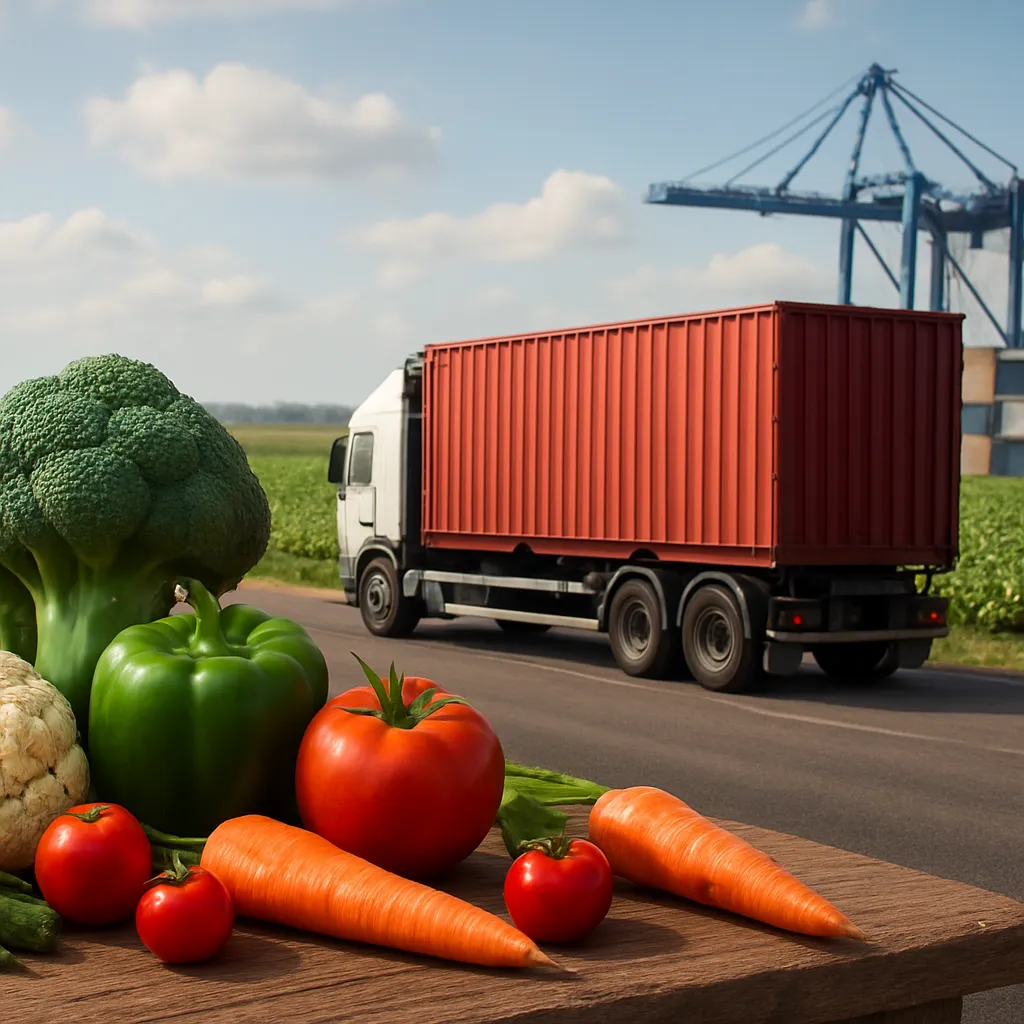
Vegetables are highly perishable, so disruptions to cold chain and transport rapidly translate into quality degradation and waste. Centralized processing facilities concentrate risk: contamination at a packing house can affect shipments destined for multiple markets, creating ripple effects in retail supply.
Trade and market flows
Trade restrictions and phytosanitary controls are common responses to outbreaks. Export bans, delayed clearances and increased testing raise transaction costs and shorten trading windows. Retailers facing supply shortfalls adjust sourcing strategies, sometimes substituting crops or importing from distant origins, which can increase prices for consumers.
Economic and social consequences
Beyond immediate production losses, plant disease outbreaks have wide-ranging socioeconomic impacts. Smallholder and medium-scale producers often bear the greatest burden, while market actors and consumers vary in exposure depending on supply chain flexibility and purchasing power.
Impact on producers
- Revenue losses from reduced harvests and lower-quality produce.
- Increased input costs for emergency measures—chemicals, diagnostics, replacement seed.
- Liquidity challenges when crop insurance is unavailable or insufficient.
- Long-term erosion of farm viability in regions with repeated or chronic outbreaks.
Market volatility and consumer effects
Outbreak-driven supply shocks create price spikes and substitution effects. Urban consumers may experience shortages of specific vegetables, while food processors dependent on consistent raw material flows face production interruptions. Markets that rely on a narrow set of suppliers are particularly vulnerable to sudden scarcity.
Labor and rural livelihoods
Labor dynamics are affected both directly and indirectly. Quarantine measures restrict worker movement, and disease-related farm losses reduce seasonal employment opportunities. These disruptions can accelerate rural–urban migration, altering long-term labor availability for agriculture.
Strategies to mitigate disruption
Effective responses require coordinated action across multiple levels: farms, supply chains, public agencies and international partners. Combining immediate containment with longer-term resilience building can reduce both the frequency and impact of future events.
On-farm practices
- Enhanced surveillance and early-warning systems for rapid detection.
- Improved seed certification and clean planting material programs to reduce primary infection sources.
- Adoption of crop diversification and rotation to break disease cycles.
- Targeted use of integrated pest management to maintain ecological balance.
Supply chain adaptations
Supply networks can be redesigned to be more flexible and to reduce single points of failure. Practical measures include shortening distribution distances, diversifying supplier bases and investing in more robust cold-chain infrastructure. Strengthening traceability helps isolate affected lots quickly and prevents widespread recalls.
Policy and institutional responses
Governments and international bodies play a central role in coordinating phytosanitary standards, emergency funding and research investments. Policies that support farmer access to diagnostics, offer contingency financing and promote cross-border information sharing are crucial. Trade rules must balance risk management with the need to maintain market access for producers.
Innovation, research and the road ahead
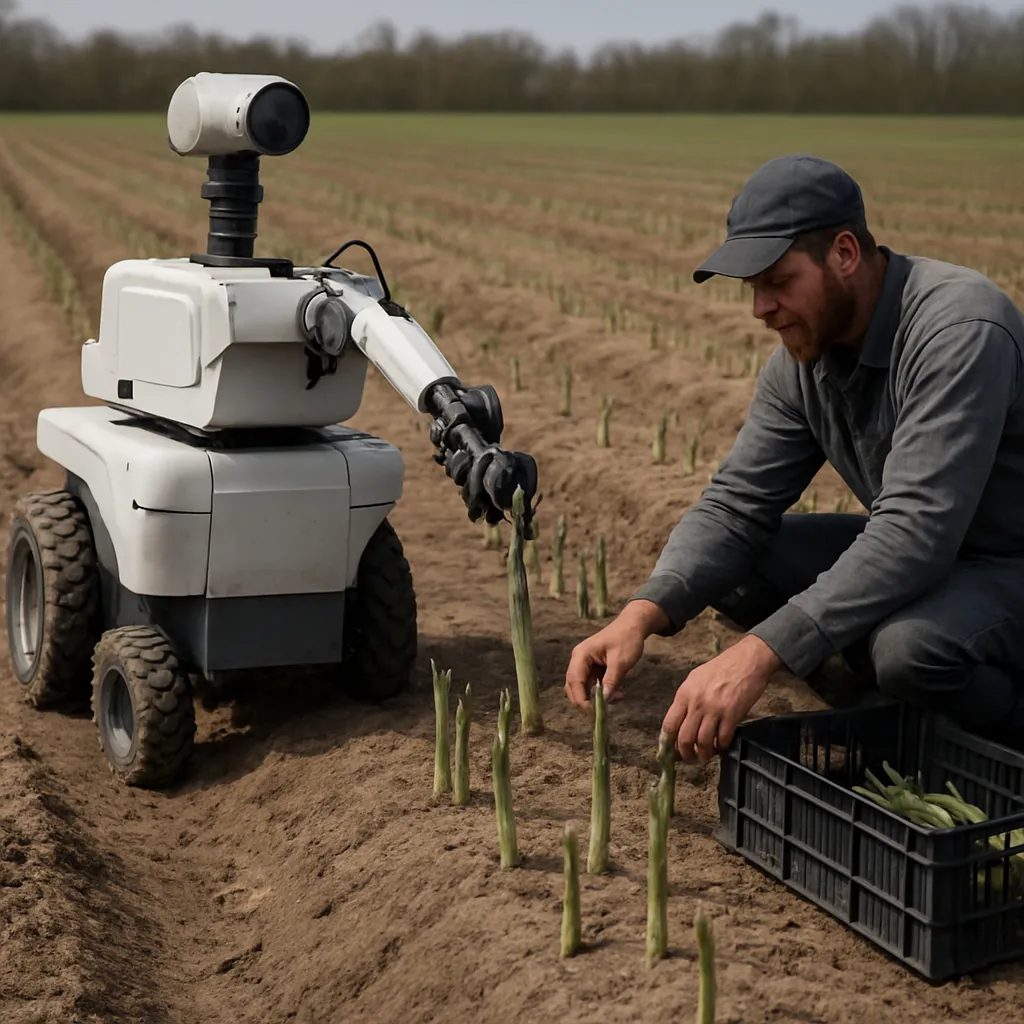
Scientific and technological advances offer pathways to reduce vulnerability. Genomic surveillance, rapid field diagnostics and precision agriculture tools improve detection and targeting of interventions. At the same time, institutional innovations—insurance products tailored to biological risks, community seed banks and cooperative marketing—enhance adaptive capacity.
Technological frontiers
- Genome-informed breeding programs can deliver resistant cultivars more rapidly than traditional methods.
- Remote sensing and data analytics enable near-real-time monitoring of crop health at landscape scales.
- Point-of-use diagnostic kits reduce the time between suspicion and confirmation, allowing quicker containment.
Market and policy innovation
Developing risk-sharing mechanisms that channel compensation to affected producers without incentivizing risky practices is essential. Public–private partnerships can accelerate the deployment of biosecurity measures and foster resilient supply lines. Markets that reward sustainable and traceable production provide incentives for longer-term investments that lower systemic risk.
Building resilient agricultural systems
Preventing future supply disruptions requires treating plant health as a central element of food security and economic policy. Investments in research, farmer capacity building and infrastructure must be integrated with trade and market planning. By prioritizing coordination and adopting a mix of technological, agronomic and institutional tools, stakeholders can reduce vulnerability and foster a more stable, equitable vegetable sector.
Implementation success depends on aligning incentives for producers, strengthening regulatory frameworks and maintaining open channels for scientific and market information. The collective aim should be to create supply systems that are not only productive but also capable of withstanding and adapting to the biological threats that increasingly shape global agriculture.