The global flour market has become increasingly sensitive to shifts in international wheat markets. As harvest yields fluctuate, weather extremes intensify, and trade policies oscillate, the downstream price of milled products reacts quickly—affecting bakers, retailers, and consumers worldwide. This article explores the complex interaction between primary production and processed food markets, analyzing how changes in the supply and demand of grain propagate through supply chains and what strategies stakeholders can deploy to manage risk. Throughout the text, attention is given to the roles of policy, technology, and market structure in shaping contemporary agricultural outcomes.
Market dynamics and price transmission
Price formation in the flour market is not a simple linear process; it is a network of interactions across fields, elevators, ports, mills, and retail outlets. At the top of this network sits the global wheat market. When international wheat quotations move, they set a new reference point for local buyers and sellers. The speed and magnitude of this transmission depend on several factors, including storage capacity, transport costs, and the degree of market integration.
Key elements that determine how a change in world wheat prices affects flour include:
- Local inventories and buffer stocks that can absorb short-term shocks.
- The structure of milling capacity—centralized large mills versus many small local mills.
- Trade policies such as export bans, tariffs, and subsidies that distort price signals.
- Exchange rate movements that amplify or dampen the pass-through of international prices to domestic markets.
When a major exporter experiences a poor harvest, global supply tightens and the benchmark wheat price rises. Mills face immediate cost pressure; some may forward-buy grain or draw from reserves, while others will pass costs immediately to flour buyers. The result is elevated flour prices, but the timing and extent of those increases depend on contractual arrangements and market expectations. In tightly integrated markets with high liquidity, price changes can be transmitted within days; in less integrated systems, it may take weeks or months.
Volatility drivers
Several recurring drivers have amplified market volatility in recent years:
- Climatic extremes (droughts, floods, heatwaves) reducing yields in key producing regions.
- Geopolitical disruptions to trade routes, port operations, and logistical networks.
- Speculative and financial participation in agricultural commodity markets, which can increase short-term price swings.
- Sudden policy changes such as export restrictions intended to stabilize domestic markets but which reduce global supply availability.
Impacts along the agri-food value chain
Price swings in wheat and flour ripple across the agricultural and food systems. The consequences are felt differently by various stakeholders—from producers to consumers—and understanding these differentiated impacts is essential to designing effective responses.
Farmers and production incentives
When international prices climb, farmers in exporting countries may benefit from higher revenue opportunities, encouraging increased planting and investment in inputs. However, price spikes can also increase the cost of essential inputs (e.g., diesel, fertilizers) and create uncertainty over future returns. In importing countries, sharp increases in wheat prices may squeeze margins for millers and reduce demand for other crops when producers shift acreage to grain. The short-term nature of planting decisions means that production responses lag price signals, contributing to cycles of boom and bust.
Mills, processors, and traders
Milling businesses operate on thin margins and often rely on predictable input costs to plan production schedules. Large mills with integrated procurement systems and hedging strategies can manage price swings better than smaller operations. Traders and commodity houses play a key role in moving grain from surplus to deficit regions, but their ability to do so can be constrained by trade policies and logistical bottlenecks. When margins compress, downstream firms may reduce production, affecting employment and local economies.
Consumers and food security
For consumers—especially in low-income contexts—rising flour prices directly impact food affordability and nutrition. Staple goods such as bread and pasta consume a larger share of household budgets in vulnerable populations, so inflation in these items can increase food insecurity. Policymakers may respond with price controls or subsidies, but these interventions can distort markets, create shortages, and disincentivize private storage and investment.
Trade policy, regulation, and market interventions
Governments frequently use trade instruments to manage domestic food prices and availability. While well-intentioned, these measures can have unintended global consequences.
Common policy tools and their effects
- Export restrictions: short-run domestic price relief but reduce global supply and exacerbate international price volatility.
- Import tariffs and quotas: protect domestic producers but make supplies more expensive for consumers and raise procurement costs for industry.
- Subsidies for consumers or producers: cushion shocks but can be fiscally costly and distort planting decisions.
- Strategic reserves: buffer stocks can stabilize local markets if well-managed but require significant financing and governance capacity.
Transparent, predictable policy is usually more effective than abrupt, ad-hoc measures. International coordination—through bodies like the Food and Agriculture Organization (FAO) or regional arrangements—can reduce the likelihood of mutually destructive trade bans during crises.
Regulatory roles in market stability
Regulators can limit excessive speculation, improve market reporting, and enhance warehouse and quality standards to increase market confidence. Better data on production, stocks, and trade flows reduces uncertainty and helps participants make informed decisions. In many regions, investments in market information systems and digital platforms have improved price discovery and reduced transaction costs for farmers and traders.
Adaptation, risk management, and resilience-building
Building resilience across the flour supply chain requires a mix of private-sector tools and public policies. Farmers, millers, and governments can adopt risk management instruments and strategies to reduce exposure to price shocks.
Farm-level strategies
- Diversification of crops and income sources to reduce dependence on a single commodity.
- Improved agronomic practices and drought-resistant varieties to reduce yield variability.
- Participation in cooperatives and forward contracts to gain bargaining power and stabilize revenue.
Industry-level tools
- Hedging with futures and options to lock in prices and protect margins.
- Investment in storage and logistics to arbitrage temporal price differences and smooth supply.
- Value-added processing and product differentiation to move away from commodity price competition.
Policy and public investment
At the national level, policies that support market liquidity, infrastructure, and research are vital. Public investments in rural roads, rail, and port capacity reduce transportation costs and improve the flow of grain. Strengthening seed systems and extension services lifts yield potential over time. Social safety nets, such as targeted food assistance, also protect vulnerable populations during price spikes.
Technological change and innovation in agriculture
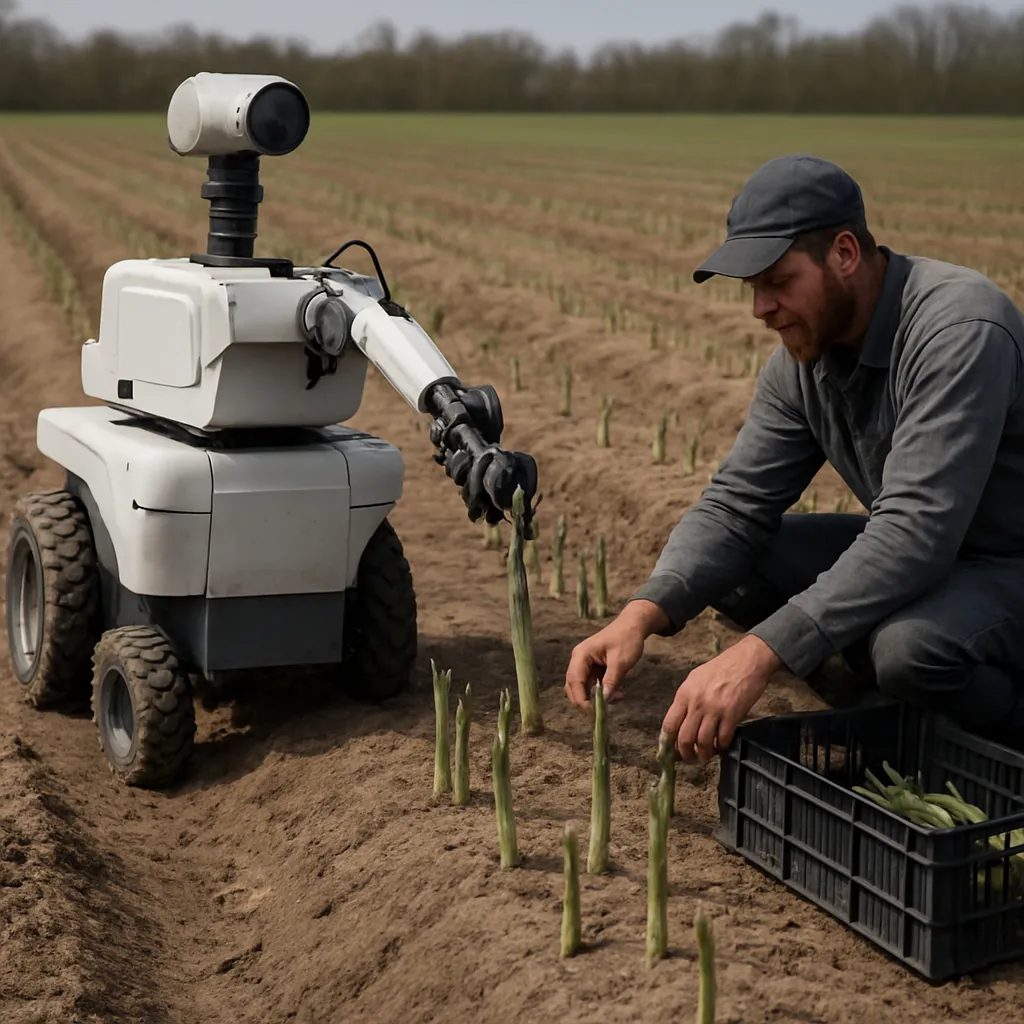
Technology is reshaping how agricultural markets operate. Digital platforms now connect farmers to buyers, provide real-time price information, and enable new financing models. Precision agriculture, remote sensing, and improved weather forecasting reduce uncertainty by improving yield predictability and optimizing input use.
Digital marketplaces and traceability
Digital marketplaces make it easier for small producers to access broader markets and for mills to source grain efficiently. Traceability systems add value by assuring quality and safety, enabling better price differentiation. These innovations can increase transparency, reducing information asymmetry that often amplifies price swings.
Breeding and biotechnology
Advances in breeding—both conventional and genomic—are delivering varieties with higher yields and greater tolerance to stresses. Such improvements can help stabilize supply over time, mitigating the transmission of global shocks to local markets. However, equitable access to improved seed and inputs remains a policy challenge.
Outlook: managing uncertainty in a connected world
The interplay between world wheat markets and the flour sector highlights a core tension of modern agriculture: global integration brings efficiency but also transmits shocks quickly. Market participants who understand transmission channels can better prepare, while policymakers must balance immediate relief with long-term stability. Enhancing storage, upgrading logistics, improving data transparency, and supporting farmer resilience are complementary approaches that reduce vulnerability.
To navigate future uncertainties, stakeholders should emphasize cooperative strategies: regional trade facilitation, timely and accurate market information, and investments in climate-resilient agriculture. Building adaptive capacity across the chain—from farmers planting seed to consumers buying bread—will be essential to maintain affordable food supplies and stable livelihoods in the face of persistent global pressures.