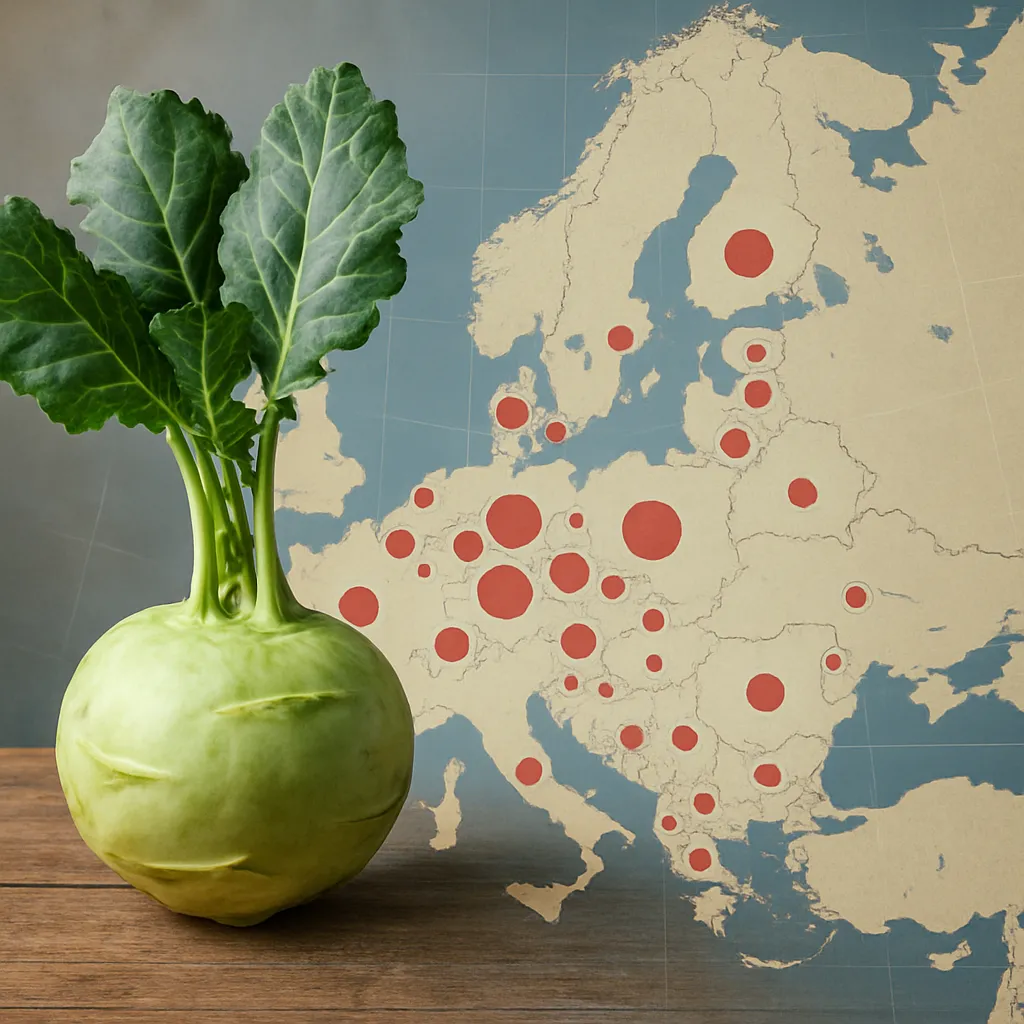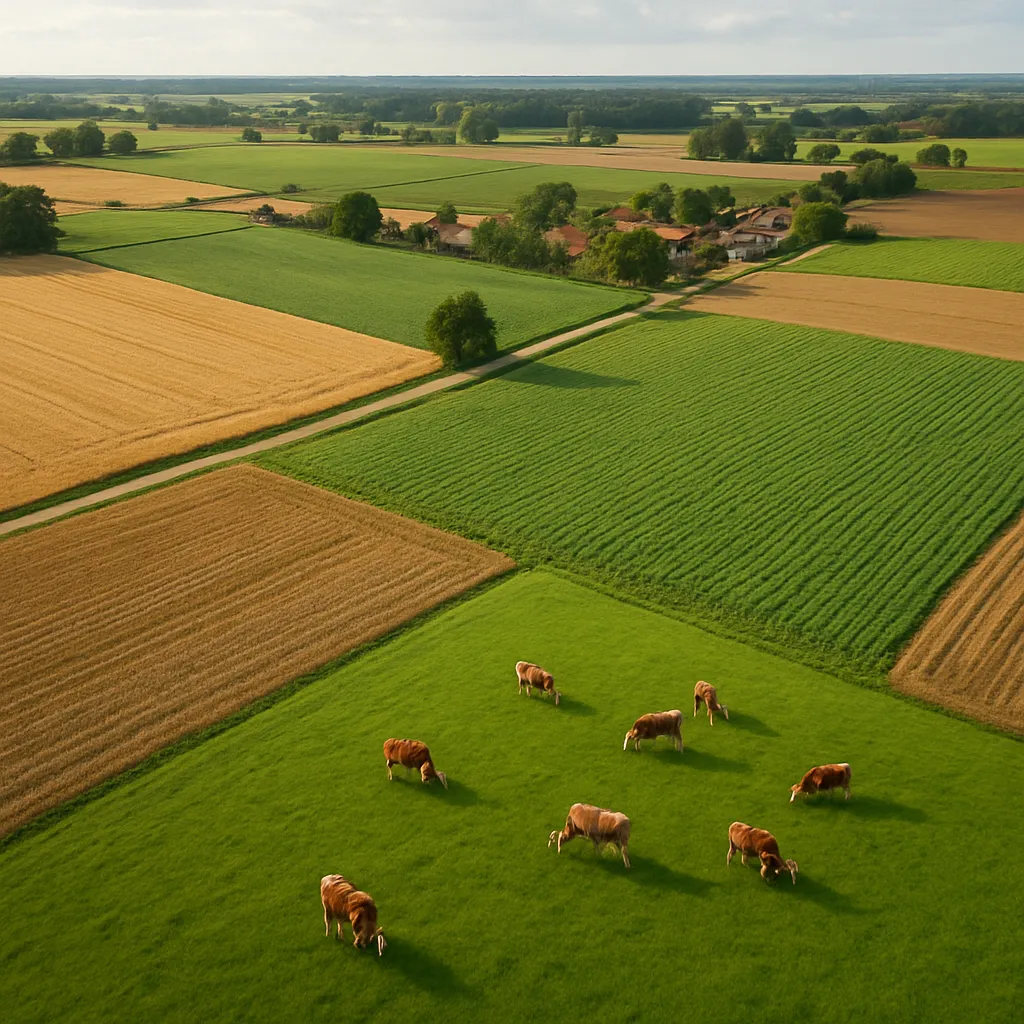
The transformation of European agriculture over recent decades reflects a complex interplay between economics, technology, and environmental imperatives. This article examines how structural shifts in farming systems affect agricultural markets, farm management practices, and rural societies across Europe. It discusses the major drivers behind these changes, the consequences for value chains and market functioning, and the policy options and practical responses available to farmers and stakeholders. Emphasis is placed on resilience, competitiveness and the balancing of economic and ecological objectives, with attention to the role of institutions, market actors and innovation in shaping future pathways. Structural change in farming is not uniform across the continent; regional patterns vary with farm size, cropping systems and policy environments.
Drivers of structural change in European farming systems
Several interacting forces have reconfigured European agriculture. At the core are market pressures and evolving regulatory frameworks that alter incentives for producers. Globalization and market liberalization have exposed European farmers to international competition and to new export opportunities, while trade volatility has increased the need for adaptive business models. Technological progress has raised expectations for yields and cost-efficiency, enabling larger-scale operations but also opening pathways for niche, high-value production. Demographic shifts — including rural depopulation and aging farmer populations — combine with changing consumer preferences to reshape production choices and land use patterns.
Economic and market drivers
- Price volatility and input cost fluctuations influence farm profitability and investment decisions.
- Retail concentration and integration of processors strengthen downstream bargaining power, affecting farmgate prices.
- Access to finance and capital markets determines the pace of mechanization and consolidation.
- Cross-border trade, tariffs and exchange rates link local markets to global supply and demand dynamics.
Technological and environmental drivers
- Advances in machinery, breeding and crop protection improve yields and labor efficiency, supporting larger units.
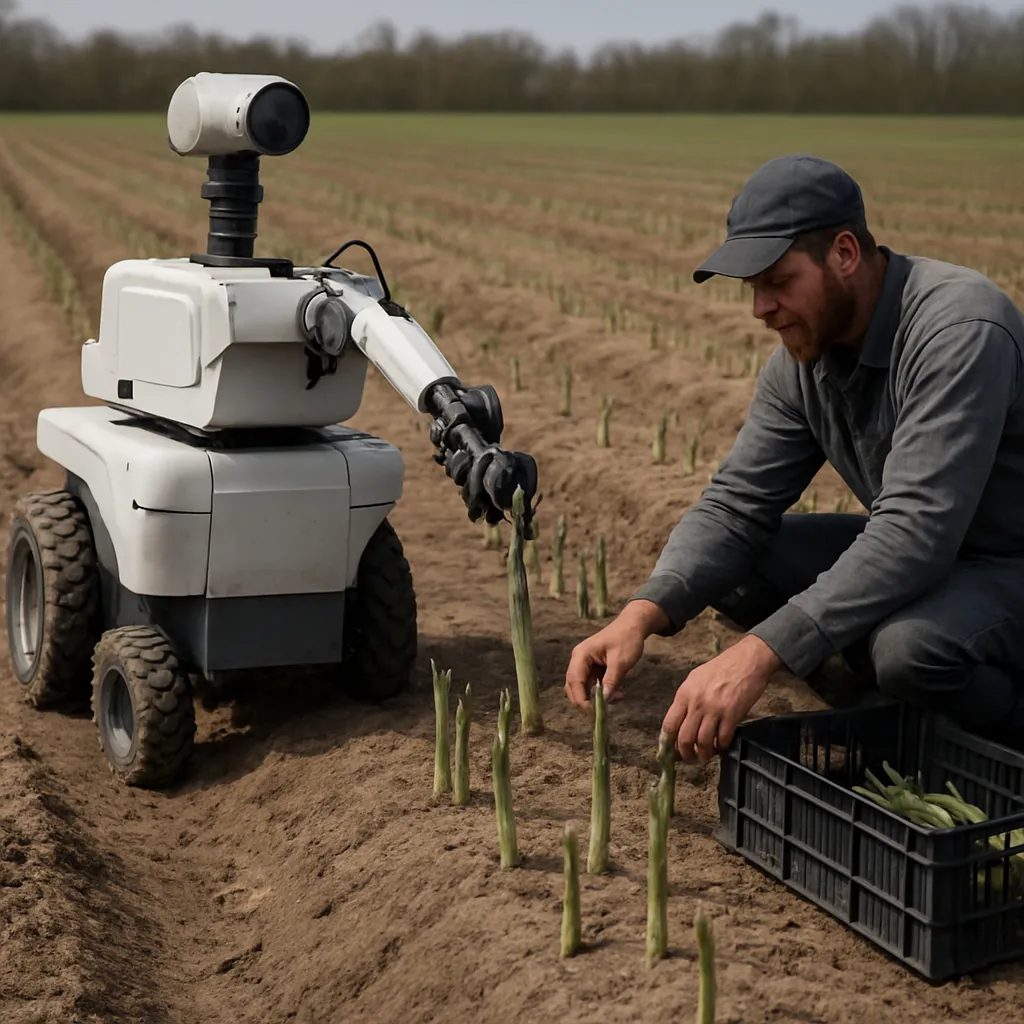
- Digital tools and precision agriculture enable optimization of inputs and create new service markets.
- Rising awareness of environmental limits and climate impacts prompts shifts toward sustainable practices and altered cropping patterns.
Together, these factors promote two concurrent trends: the emergence of fewer but larger and more specialized farms in many regions, and the proliferation of diverse, small-scale or multifunctional farms that target local markets, quality niches or ecosystem services. The tension between scale-driven competitiveness and multifunctional resilience shapes the future of European farming.
Impacts on agricultural markets, value chains and rural economies
Structural transformations influence market organization, price formation and the resilience of supply networks. As farms grow and integrate horizontally and vertically, production costs and output volumes change, altering market dynamics. At the same time, retailer consolidation and the growing role of processors and traders create concentration along the supply chain, which affects price transmission and risk-sharing between producers and buyers. These shifts have implications for food security, rural employment and regional development.
Market concentration and price transmission
The rise of powerful food retailers and multinational processors has created asymmetries in bargaining power. Farmers frequently face squeezed margins as cost increases do not always translate to higher consumer prices. Efficient but tightly integrated supply chains can reduce waste and lower consumer prices, yet they can also increase farmer vulnerability to contract terms and market shocks. In some commodity sectors, cooperative models and producer organizations have mitigated these pressures by improving negotiating positions, enabling collective investment in processing and marketing.
Specialization, diversification and value creation
Structural change encourages specialization where comparative advantages exist — for instance, dairy in northwest Europe or horticulture in Mediterranean regions. Specialization can boost overall productivity but may also increase exposure to market and climate risks. Conversely, diversification — including agro-tourism, on-farm processing, and direct marketing — provides alternative income streams and can strengthen local food systems. Diverse farm portfolios often contribute to environmental outcomes and social cohesion in rural areas.
- Specialized supply chains increase scale economies but reduce flexibility.
- Diversified farms often deliver ecosystem services, adding value beyond commodity markets.
- Short supply chains and local markets can enhance resilience but may limit growth potential.
Labor, skills and rural livelihoods
Mechanization and technological adoption reduce labor intensity in many sectors, leading to fewer agricultural jobs but higher skill requirements. This trend intensifies rural-urban migration, creating aging farm populations in some regions and labor shortages during peak seasons in others. The capacity to attract and train a new generation of farmers depends on education, access to land and affordable housing, and the perceived attractiveness of farming careers. Policies that support vocational training, farm succession planning and migrant labor governance are central to sustaining rural livelihoods.
Policy frameworks, innovation and adaptation pathways
Public policy plays a pivotal role in shaping structural change. The Common Agricultural Policy (CAP), national rural development programs, environmental directives and trade policies form a complex governance environment that guides incentives and risk management. Policy reform increasingly seeks to reconcile productivity goals with environmental objectives, promoting transitions toward low-emission, biodiversity-friendly systems while maintaining farm incomes and market competitiveness.
Instruments and incentives
- Direct payments and income support can stabilize farm incomes but may also slow structural adjustment if not well-targeted.
- Agri-environment schemes and payments for ecosystem services encourage sustainable practices but require careful design to ensure cost-effectiveness.
- Investment support, credit guarantees and innovation grants facilitate technological adoption and modernization.
- Market-based instruments, including risk management tools and insurance, help farms manage price and yield volatility.
Policy choices interact with market forces. For example, subsidies that favor larger units may accelerate consolidation, while support for smallholders, producers’ organizations and local processing can strengthen rural economies and preserve landscape diversity. Ensuring that policy instruments align with environmental targets — such as those of the European Green Deal and Farm to Fork strategy — remains a practical challenge.
Innovation, research and digital transformation
Technological innovation and digitalization are central to future competitiveness. Precision farming, remote sensing, data analytics and robotics enable more efficient input use and improved decision-making. Digital platforms facilitate market access, traceability and transparency along supply chains, offering new marketing channels for farmers. However, the benefits of digital tools depend on connectivity, data literacy and affordable services; there is a risk of widening inequalities between well-resourced and marginal farms.
Climate adaptation and sustainable transitions
Adapting to climate change requires both mitigation and resilience-building measures. Shifts in cropping calendars, adoption of drought- or heat-tolerant cultivars, improved soil management and diversified rotations can reduce vulnerability. At landscape scale, habitat restoration and agroecological practices enhance ecosystem services. Market instruments such as carbon sequestration credits and payments for biodiversity outcomes may provide additional revenue streams, but they need robust measurement and verification systems.
Practical strategies for farms and stakeholders
Farmers, cooperatives and agribusinesses must adopt multi-faceted strategies to navigate structural change. Combining technological efficiency with market diversification and environmental stewardship increases the likelihood of long-term viability. Collaboration across the supply chain — from input suppliers to retailers — can improve risk-sharing, innovation diffusion and market access.
Business model adaptation
- Invest in productivity-enhancing technologies where scale economies make sense, while protecting options for diversification.
- Develop direct marketing channels, organic or quality-labelled products to capture value premiums.
- Form or join cooperatives and producer groups to access processing, negotiation leverage and shared services.
Risk management and resilience building
Effective risk management combines market instruments (futures, insurance), financial buffers and operational flexibility. Farm-level diversification reduces dependence on a single commodity or buyer. Landscape-level cooperation — for instance, shared irrigation, storage or logistics — can lower costs and improve resilience to shocks.
Knowledge, training and generational renewal
Addressing the sector’s future needs requires sustained investment in human capital. Extension services, vocational training and mentorship programs support adoption of new practices and technologies. Policies that facilitate land mobility and succession, and that make entrepreneurship in agriculture more attractive, are crucial to reversing the trend of an aging farmer population in many regions.
Market and policy engagement
Active engagement with policy processes, value chain partners and consumer groups helps align production with emerging market demands and regulatory requirements. Transparent traceability and sustainability certifications can strengthen consumer trust and open premium markets.
The trajectory of European farming systems will be determined by how effectively markets, technology and public policies are harnessed to deliver productive, fair and sustainable outcomes. Stakeholders that combine strategic investment, collaborative organization and adaptive management are better placed to thrive amidst ongoing structural change, ensuring food supply, rural livelihoods and environmental integrity across the continent.