The cultivation of peas sits at the intersection of traditional farming practices and modern market opportunities. As global food systems evolve, producers and stakeholders must weigh agronomic choices against financial realities and emerging consumer trends. This article explores how pea production can deliver sustainable returns, which market forces shape profitability, and what strategies enable market expansion for growers, processors, and traders alike.
Economic fundamentals of pea production
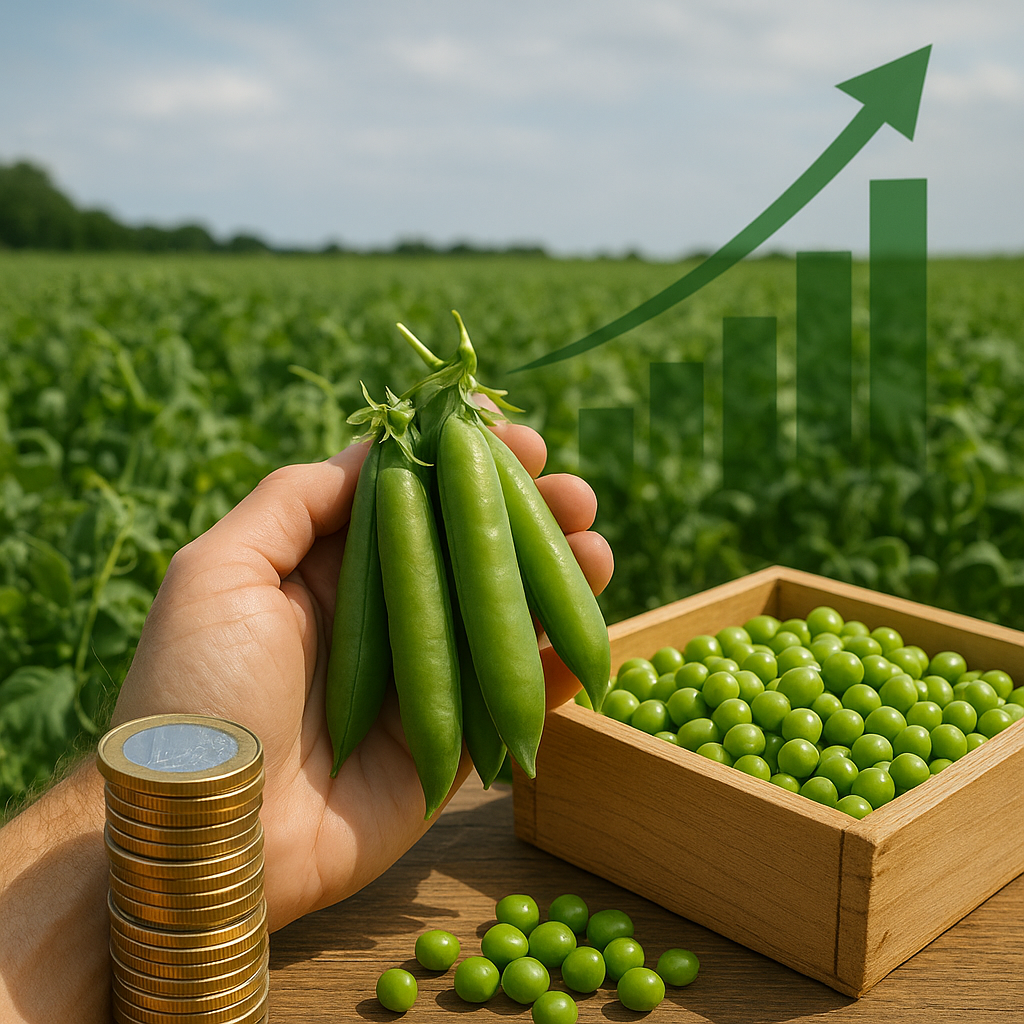
Understanding the economics of pea cultivation requires more than tracking yield per hectare. Costs of inputs, labor, and capital, as well as access to reliable off-takers and logistics, determine whether a crop generates a net positive margin. In many regions, peas are a rotational crop with benefits that go beyond immediate revenue — including improved soil nitrogen balance and reduced need for synthetic fertilizers. These ancillary benefits must be quantified when evaluating true profitability.
Cost structure and revenue streams
- Input costs: seed, fertilizer, crop protection, and irrigation.
- Operational costs: labor, machinery maintenance, and fuel.
- Fixed costs: land rent, insurance, and loan interest.
- Revenue: direct sales (fresh, frozen), processing contracts, and exports.
Producers who diversify sales channels — selling part of their harvest into fresh markets and part to processors — often stabilize revenues. Premiums for food-grade varieties and organic or non-GMO certification can significantly increase income, but these often come with higher production costs and stricter quality requirements.
Market drivers and demand signals
Global demand for pulses has been rising, driven by dietary shifts toward plant-based proteins, concerns over sustainability, and trade flows that respond to comparative advantages in production. The pea market is influenced by several interrelated forces:
- Demand from the food industry for protein concentrates, texturized vegetable proteins, and pea-based ingredients.
- Retail trends favoring convenience and health, increasing demand for frozen and ready-to-eat pea products.
- International trade policies and tariffs that can open or restrict access to lucrative markets.
- Price competition from substitute crops like soybeans and lentils.
Seasonality and storage capacity also shape market dynamics. Peas are perishable unless processed or stored under controlled conditions. Investment in drying, cold-chain, or processing capacity allows producers to extend marketing windows and capture better prices, turning post-harvest infrastructure into a strategic asset.
Agronomic practices that raise returns
Improved agronomy increases yield and reduces variability — both critical to achieving consistent margins. Key practices for pea production include proper variety selection, optimized planting dates, pest and disease management, and integration into crop rotation schemes.
Variety choice and seeding
Choosing the right variety affects market eligibility (e.g., canning grade vs. feed grade), susceptibility to disease, and response to inputs. Seeding rates and row spacing influence plant health and eventual yield, while seed treatments and inoculants can enhance nitrogen fixation and reduce early-season losses.
Pest management and soil health
Pea crops can be vulnerable to fungal diseases and insect pests. Integrated pest management (IPM) reduces reliance on chemical controls and preserves beneficial organisms. Maintaining soil organic matter, using cover crops, and applying appropriate rotations mitigate disease pressure and promote long-term productivity.
Value chain integration and processing opportunities
Moving beyond raw commodity sales toward value-added processing can transform the economics of pea production. Protein extraction, canning, freezing, and dry-packaging create multiple revenue streams and allow producers to capture greater portions of final consumer value.
- On-farm or cooperative-led processing facilities reduce transport costs and create local employment.
- Contract farming linked to processors provides price certainty but may reduce flexibility.
- Investment in quality control and traceability systems meets buyer requirements and supports access to export markets.
Adding value requires capital and managerial capacity, but it can insulate producers from commodity price volatility and create niches for branded, sustainably produced pea products. Partnerships between growers and food manufacturers can also spur innovation in pea ingredients for meat alternatives and protein concentrates — rapidly growing segments in many markets.
Risk management, policy, and finance
Weather variability, market volatility, and input price swings create significant risk for pea producers. Effective risk management combines agronomic resilience with financial tools and supportive policy frameworks.
Financial instruments and insurance
Access to crop insurance, forward contracts, and price hedging instruments helps farmers stabilize income. Microfinance and tailored lending products enable investment in storage, mechanization, and processing equipment. Public and private finance mechanisms should be designed to reflect the unique seasonality and storage needs of pulse crops.
Role of policy and trade
Government policy can incentivize sustainable practices through payments for ecosystem services, support research into higher-yielding or disease-resistant varieties, and negotiate trade agreements that expand export opportunities. Conversely, abrupt policy shifts, export restrictions, or subsidy changes in major producing countries can create global price shocks that ripple through local markets.
Technology, mechanization, and scale
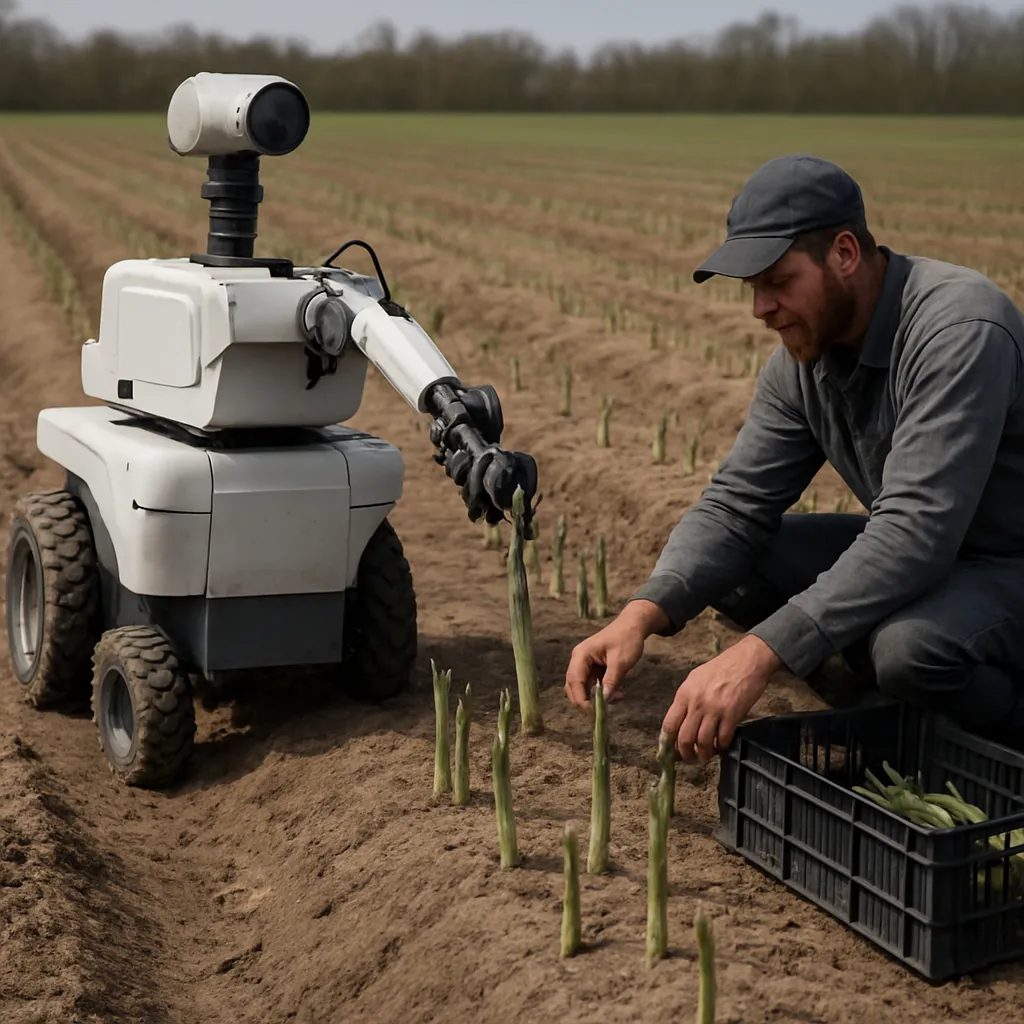
Adoption of mechanization and precision agriculture technologies improves input efficiency and labor productivity. Mechanized harvesting and seed drills tailored for pulses reduce losses and support larger-scale production models. Data-driven approaches to fertilizer application and irrigation scheduling further increase returns per hectare.
- Mechanization lowers unit labor costs and can make pea cultivation feasible on larger farms.
- Precision tools reduce fertilizer and water waste, helping to improve environmental outcomes and cut costs.
- Digital marketplaces and supply chain traceability platforms connect producers with buyers and enable more transparent pricing.
However, mechanization requires upfront investment and training. Smallholders may benefit from custom hire services or cooperative ownership models that spread costs and make equipment accessible without large capital commitments.
Market expansion strategies for peas
Expanding markets for peas involves both demand-side and supply-side actions. On the demand side, marketing campaigns that emphasize nutritional benefits and sustainable attributes can increase consumption. On the supply side, aligning production with buyer specifications, improving quality consistency, and ensuring timely delivery are essential.
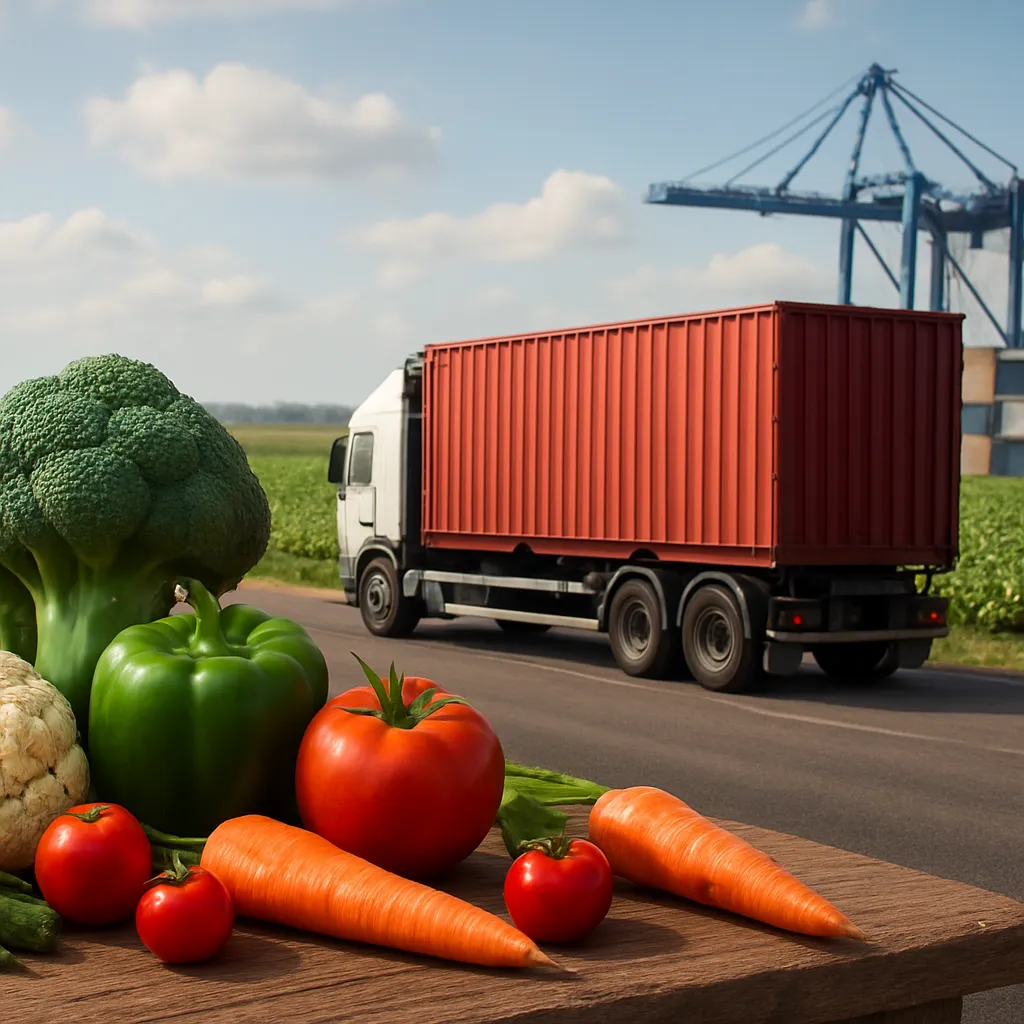
- Develop export-oriented strategies by certifying quality and meeting phytosanitary requirements.
- Invest in branding that leverages local identity, organic credentials, or sustainability standards.
- Build or join cooperatives to achieve economies of scale in processing, marketing, and bargaining power.
Engaging downstream actors — food manufacturers, retailers, and processors — can create long-term contracts that support farm-level investments in productivity. Public-private partnerships can also accelerate the development of processing clusters, cold chains, and logistics that underpin market expansion.
Case examples and practical recommendations
Several regions have successfully scaled pea production by combining targeted agronomic improvements with market-focused investments. Key lessons include:
- Invest in quality: processors pay premiums for consistent size, color, and low impurity levels.
- Coordinate across the value chain: collective action reduces transaction costs and improves bargaining position.
- Adopt risk-sharing mechanisms: forward contracts and crop insurance increase financial resilience.
- Leverage research: public breeding programs and extension services that target local conditions can raise yield and reduce disease losses.
For farmers considering expansion, a phased approach often works best: pilot larger acreage in partnership with a buyer, invest in incremental processing or storage capacity, and use contract farming to secure price and volume certainty. At every step, tracking production economics and market signals will help refine decisions.
Environmental and social considerations
Pea cultivation offers environmental benefits when integrated into sustainable farming systems. As a legume, peas fix atmospheric nitrogen and can reduce the need for synthetic fertilizers in subsequent crops, contributing to lower greenhouse gas emissions. However, responsible management of water resources, careful use of agrochemicals, and attention to soil health are necessary to ensure long-term viability.
- Promote equitable value distribution so smallholders receive fair compensation for quality produce.
- Encourage adoption of conservation agriculture practices to protect biodiversity and soil structure.
- Prioritize labor standards and safe working conditions, especially during peak harvest periods.
Expanding pea markets offers opportunities to build more resilient and inclusive rural economies, but requires intentional policies and investments to avoid unintended negative impacts on communities and ecosystems.