Introduction
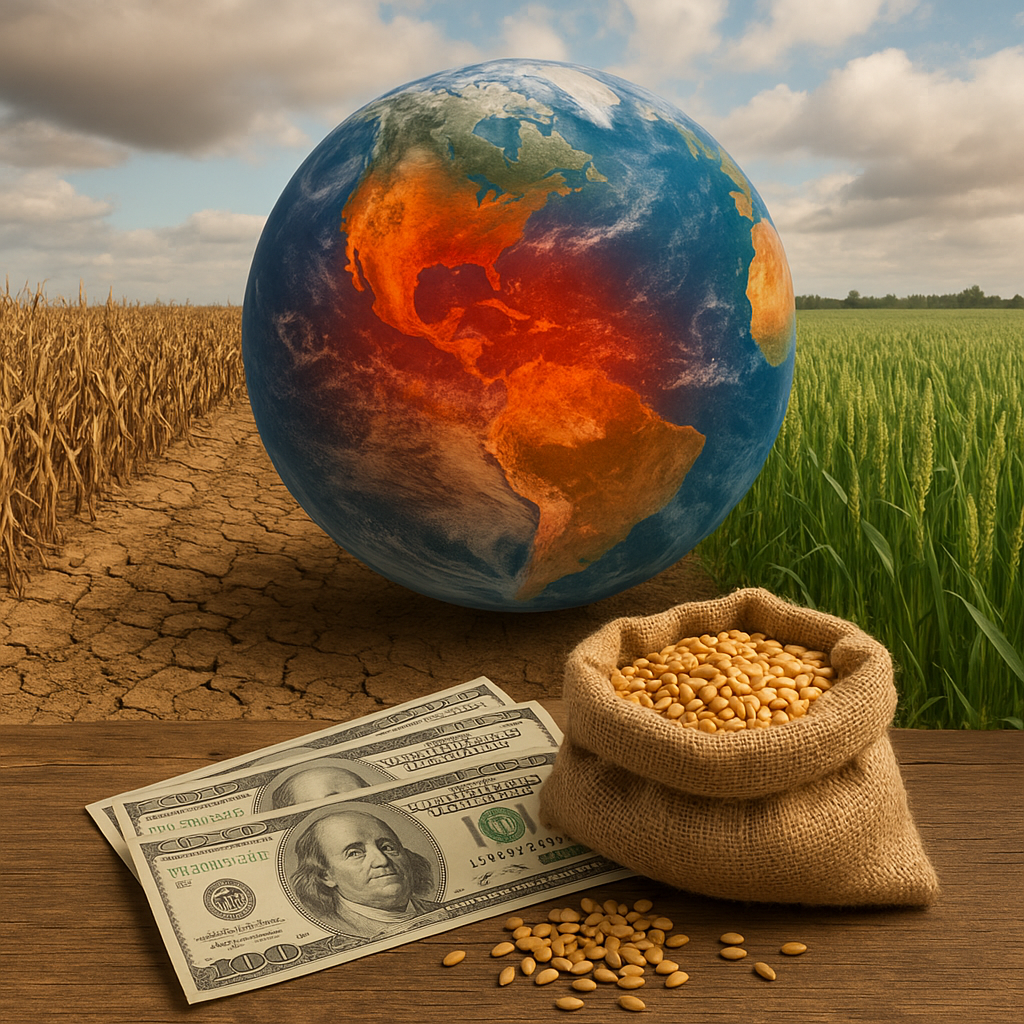
The Role of Weather Patterns in Shaping Cereal Prices is a critical topic that intertwines the fields of agriculture, economics, and environmental science. Weather patterns have a profound impact on agricultural productivity, which in turn influences the prices of cereals such as wheat, rice, and corn. Understanding this relationship is essential for farmers, policymakers, and consumers alike. This article delves into the intricate dynamics between weather patterns and cereal prices, exploring how climatic conditions affect crop yields and market prices.
Chapter 1: The Impact of Weather on Agricultural Productivity
1.1 The Importance of Weather in Agriculture
Weather is a fundamental factor in agriculture, affecting every stage of crop production from planting to harvest. Temperature, precipitation, and sunlight are the primary weather variables that influence crop growth. Favorable weather conditions can lead to bumper harvests, while adverse weather can result in poor yields or even crop failure.
1.2 Temperature and Crop Growth
Temperature plays a crucial role in the growth and development of cereal crops. Each crop has an optimal temperature range for germination, growth, and maturation. For instance, wheat thrives in cooler temperatures, while rice requires warmer conditions. Extreme temperatures, whether too high or too low, can stress plants and reduce yields. Heatwaves can cause heat stress, leading to reduced grain filling and lower quality cereals. Conversely, frost can damage young plants and delay growth.
1.3 Precipitation and Water Availability
Water is essential for crop growth, and precipitation is the primary source of water for rain-fed agriculture. Adequate rainfall ensures that crops receive the necessary moisture for growth. However, both excess and deficit rainfall can be detrimental. Excessive rainfall can lead to waterlogging, root diseases, and nutrient leaching, while drought conditions can cause water stress, reducing photosynthesis and crop yields. Irrigation can mitigate the impact of irregular rainfall, but it is not always feasible or sustainable.
1.4 Sunlight and Photosynthesis
Sunlight is the energy source for photosynthesis, the process by which plants convert light energy into chemical energy. Adequate sunlight is essential for healthy crop growth and high yields. Cloudy or overcast conditions can reduce the amount of sunlight reaching crops, affecting their growth and productivity. Conversely, prolonged periods of intense sunlight can lead to heat stress and increased water demand.
Chapter 2: Weather Patterns and Cereal Prices
2.1 The Link Between Weather and Market Prices
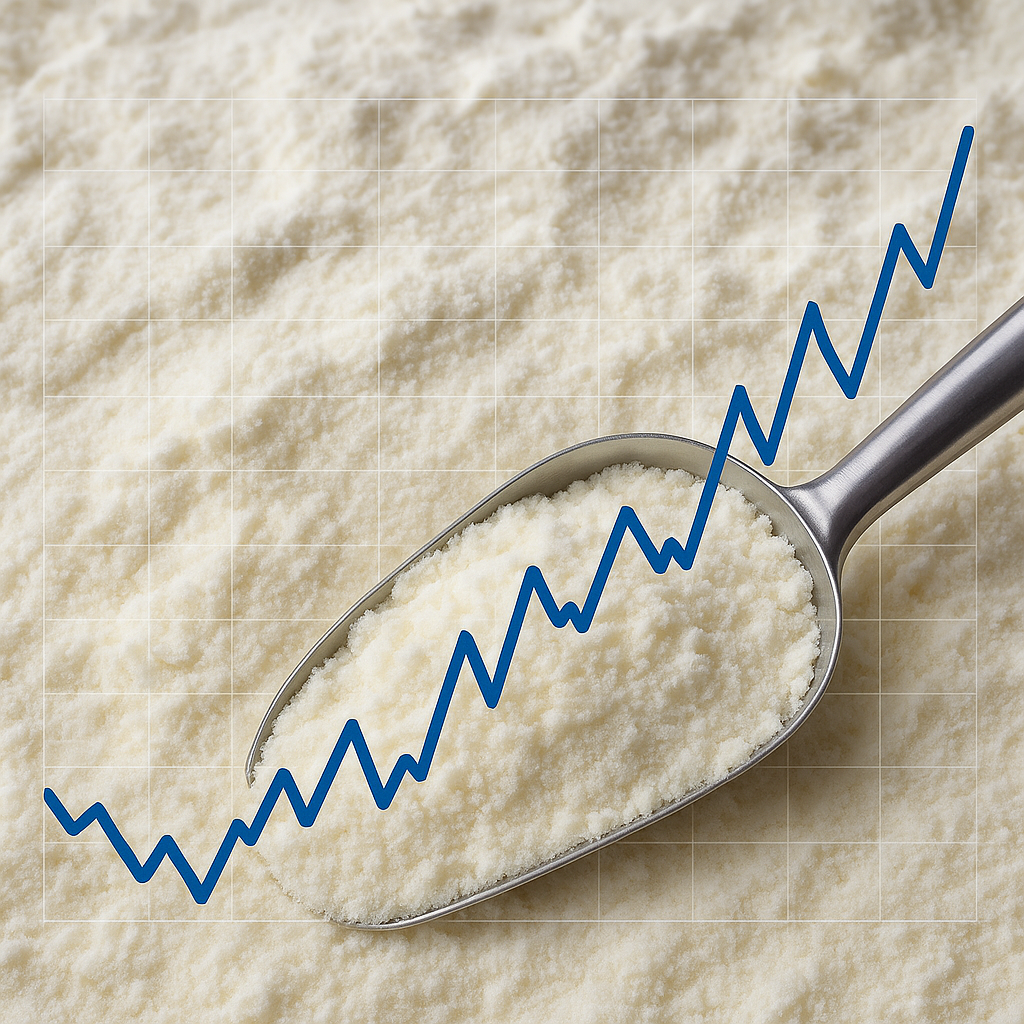
The relationship between weather patterns and cereal prices is complex and multifaceted. Weather conditions directly affect crop yields, which in turn influence supply levels in the market. When weather conditions are favorable, crop yields are high, leading to an abundant supply of cereals and lower prices. Conversely, adverse weather conditions can reduce yields, leading to a scarcity of cereals and higher prices.
2.2 Case Studies of Weather-Induced Price Fluctuations
Historical data provides numerous examples of how weather patterns have influenced cereal prices. For instance, the 2010 Russian heatwave and subsequent drought led to a significant reduction in wheat production, causing global wheat prices to spike. Similarly, the 2012 drought in the United States, one of the worst in recent history, severely impacted corn and soybean yields, leading to sharp increases in their prices.
2.3 The Role of Climate Change
Climate change is expected to exacerbate the impact of weather patterns on cereal prices. Increasing temperatures, changing precipitation patterns, and more frequent extreme weather events are likely to affect crop yields and market prices. For example, rising temperatures may shift the optimal growing regions for certain cereals, while changes in precipitation patterns could lead to more frequent droughts or floods. These changes will have significant implications for global food security and market stability.
2.4 Mitigating the Impact of Weather on Cereal Prices
Several strategies can help mitigate the impact of weather patterns on cereal prices. Improved weather forecasting and early warning systems can help farmers make informed decisions about planting and harvesting. Advances in agricultural technology, such as drought-resistant crop varieties and precision farming techniques, can enhance resilience to adverse weather conditions. Additionally, policies that promote sustainable water management and soil conservation can help ensure long-term agricultural productivity.
Conclusion
The Role of Weather Patterns in Shaping Cereal Prices is a critical area of study that highlights the interconnectedness of agriculture, economics, and environmental science. Weather patterns have a profound impact on agricultural productivity, influencing the supply and prices of cereals. Understanding this relationship is essential for developing strategies to mitigate the impact of adverse weather conditions and ensure food security. As climate change continues to alter weather patterns, it is crucial to invest in research, technology, and policies that enhance the resilience of agricultural systems to weather variability.